
Table of Contents
- A Push for Radical Transparency
- Kennedy’s Anti-Vaccine Stance and Its Impact on U.S. Health Policy
- The Role of the U.S. Department of Health and Human Services
- Podcasting as a New Tool for Government Messaging
- A New Platform for the Health and Food Agenda
- Criticism of the Podcast’s Potential to Spread Misinformation
- The Political Context of the Podcast Launch
- The Role of Social Media in Spreading Kennedy’s Message
- A Bold Move in U.S. Health Communication
A Push for Radical Transparency
Robert F. Kennedy Jr., the U.S. Secretary of Health and Human Services, is launching a new podcast that promises to expose the “lies” that have contributed to the health crisis in America. The podcast, titled The Secretary Kennedy Podcast, is set to feature Kennedy in conversation with doctors, scientists, and public health officials, all with the aim of promoting “radical transparency” in government. Kennedy, known for his controversial views on vaccines and his role in shaping health policy, is using the podcast as a platform to voice his concerns about the state of public health in the United States.
The podcast’s announcement has raised eyebrows, particularly because it reflects Kennedy’s ongoing push to challenge what he perceives as the entrenched corruption and misinformation within the U.S. health system. In a teaser video for the podcast, Kennedy boldly declares that the show will name the “forces” behind public health failures and work to uncover the truth about how Americans have been misled about their health. With the podcast set to launch next week, it promises to be a significant part of Kennedy’s broader strategy to influence health policy in America.
Kennedy’s Anti-Vaccine Stance and Its Impact on U.S. Health Policy
Robert F. Kennedy Jr. has long been a vocal critic of vaccine policy in the U.S., earning both praise and condemnation for his stance. His anti-vaccine views, which contradict the overwhelming scientific consensus, have shaped his approach to public health policy. Now, with his new podcast, Kennedy aims to amplify these views by discussing issues of chronic disease, food quality, and the rising costs of healthcare, all while continuing to challenge the government’s handling of vaccine distribution and other health-related matters.
Kennedy’s anti-vaccine stance, which has been widely criticized by medical professionals, has had a lasting impact on the way health policies are formulated in the U.S. His appointment to the position of Secretary of Health and Human Services under President Donald Trump has given him an official platform to push these views further. The podcast will allow Kennedy to have more direct access to the American public, where he can present his arguments on health policy without facing the same level of scrutiny he would in traditional interviews.
The Role of the U.S. Department of Health and Human Services
Kennedy’s position as Secretary of Health and Human Services has placed him at the center of ongoing debates about healthcare policy in the United States. The department has been at the forefront of managing the country’s response to public health crises, including the COVID-19 pandemic and the rising prevalence of chronic diseases. However, the department has also faced significant setbacks, including widespread criticism of its vaccine policies and resistance from key lawmakers.
Kennedy’s new podcast is part of a broader strategy to reframe the conversation around public health in America. His focus on chronic disease, food quality, and healthcare affordability aligns with the priorities of many Americans, particularly as the country faces a rising epidemic of obesity, diabetes, and other preventable diseases. While the podcast may be seen as a tool to bolster Kennedy’s political influence, it also reflects his desire to address what he perceives as the failures of the current health system.
Podcasting as a New Tool for Government Messaging
In the podcast world, Kennedy’s new show is seen as a bold experiment in using new media to spread a message of government transparency. While other public figures, such as FDA Commissioner Marty Makary, have used podcasts to discuss public health, Kennedy’s podcast is the first to be hosted by a sitting cabinet secretary. The format is expected to provide a more intimate and direct way for the government to engage with the public, bypassing traditional media outlets and allowing Kennedy to shape the narrative around U.S. health policy.
The podcast format, which includes both audio and video content, is designed to be highly shareable on social media, making it an effective tool for reaching a wide audience. Kennedy’s podcast will tap into the growing popularity of podcasts as a medium for political and public discourse, providing him with a platform to amplify his views on health and policy. With its conversational tone and focus on transparency, the podcast is likely to resonate with listeners who are seeking alternative perspectives on public health.
A New Platform for the Health and Food Agenda
One of the key themes of the Secretary Kennedy Podcast will be the “Make America Healthy Again” (MAHA) initiative, which Kennedy has championed since taking office. The initiative focuses on improving health by addressing the root causes of chronic disease, improving nutrition, and strengthening food quality. These issues are central to Kennedy’s broader agenda, and the podcast will provide a platform for him to discuss solutions to these problems with a variety of experts.
The focus on chronic disease and nutrition is particularly timely, given the rising concern over the health of the American public. With the U.S. facing an epidemic of obesity and other preventable diseases, Kennedy’s podcast is positioned to fill a gap in the public conversation about how to improve the nation’s health. By bringing in experts from various fields, Kennedy hopes to offer practical solutions to the problems facing American healthcare.
Criticism of the Podcast’s Potential to Spread Misinformation
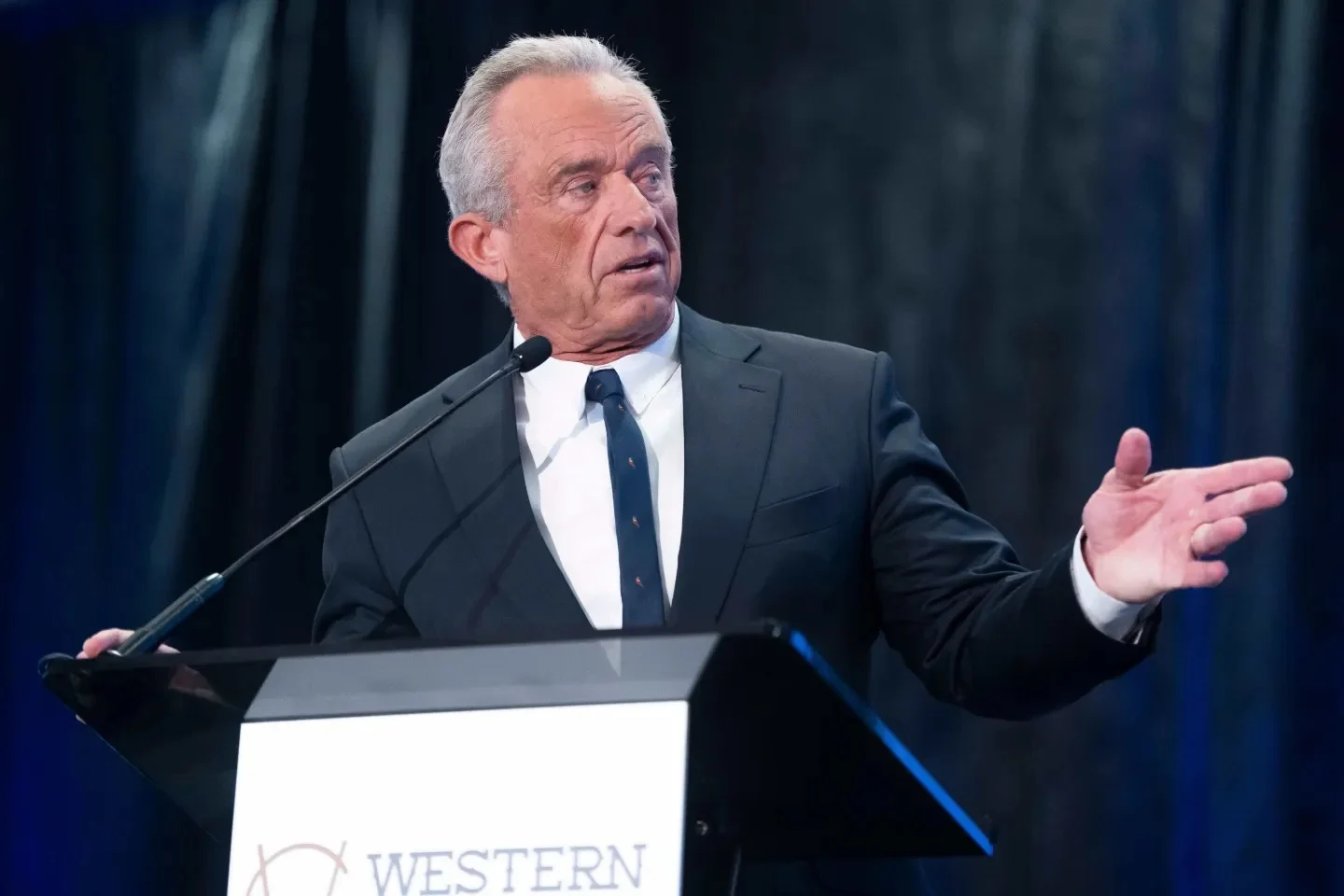
While Kennedy’s podcast has the potential to reach a wide audience, it has also attracted significant criticism from those who view it as a vehicle for spreading misinformation. Critics argue that Kennedy’s views on vaccines and other health issues are based on pseudoscience and conspiracy theories, and they fear that his new podcast will only amplify these ideas. Grace Silva, a spokesperson for 314 Action, a political action committee aimed at electing scientists to Congress, described the podcast as “another official channel to spread misinformation.”
The concern about the spread of misinformation is particularly relevant given Kennedy’s history of challenging widely accepted scientific consensus. While his podcast may offer alternative perspectives on health policy, it is unclear whether these views will be subject to the same scrutiny and fact-checking as traditional media outlets. For some, the podcast represents a dangerous move towards legitimizing conspiracy theories in the mainstream.
The Political Context of the Podcast Launch
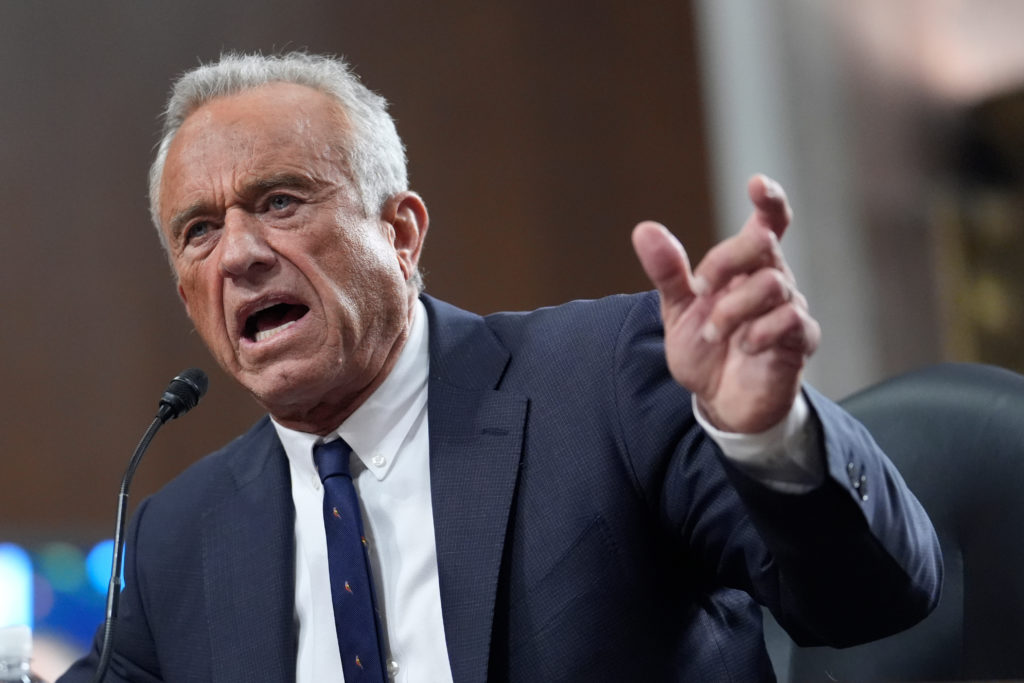
The launch of The Secretary Kennedy Podcast comes at a critical time in U.S. politics. With the 2026 midterm elections approaching, Kennedy’s new podcast could serve as a tool to rally support for his political agenda. By focusing on issues like chronic disease and healthcare affordability, Kennedy aims to attract voters across party lines who are concerned about the state of healthcare in the U.S. The podcast also serves as an opportunity for Kennedy to reframe the conversation around health policy, distancing himself from the more contentious issues surrounding vaccines.
The podcast’s timing is significant, as it coincides with a broader push by the Trump administration to rebrand health policy in the wake of several setbacks, including the vaccine policy changes that have faced legal challenges. By shifting the focus to issues like nutrition and food quality, Kennedy hopes to avoid further political fallout from the vaccine controversy while still making a meaningful impact on public health.
The Role of Social Media in Spreading Kennedy’s Message
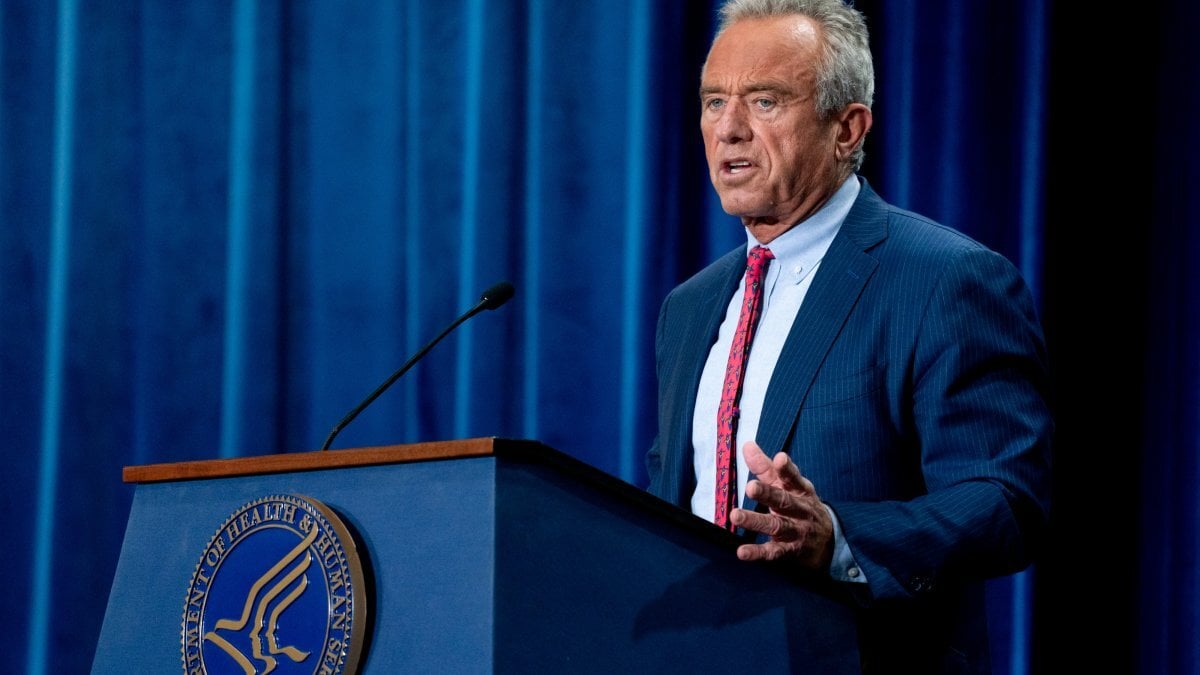
Social media plays a crucial role in amplifying the message of Kennedy’s new podcast. The podcast format is highly shareable, with clips of interviews and key discussions likely to be widely distributed on platforms like Twitter, Instagram, and TikTok. By leveraging these platforms, Kennedy can reach a large, engaged audience and bypass traditional media gatekeepers. This is particularly important for a figure like Kennedy, whose views are often at odds with mainstream media outlets.
The podcast’s use of social media will also help spread the “Make America Healthy Again” message to a broader audience, including younger listeners who are active on platforms like YouTube and Spotify. By tapping into the popularity of podcasts and social media, Kennedy can engage with a diverse range of listeners and build a loyal following for his health policy initiatives.
A Bold Move in U.S. Health Communication
Robert F. Kennedy Jr.’s launch of The Secretary Kennedy Podcast represents a bold new effort to reshape the conversation around public health in the United States. With a focus on transparency, chronic disease, and nutrition, the podcast has the potential to engage a wide audience and offer fresh perspectives on how to improve the nation’s health. However, it also faces significant criticism for potentially spreading misinformation, particularly in light of Kennedy’s controversial stance on vaccines.
As the podcast launches in the coming weeks, all eyes will be on Kennedy’s ability to navigate the complex landscape of U.S. health policy and the political implications of his new platform. Whether or not the podcast succeeds in promoting a new vision for American health, it is clear that Kennedy’s influence on public health discourse will continue to grow.