
Table of Contents
- Iran Halts Hormuz Transit Amid Escalating Tensions with Israel
- The Background of the Ceasefire Violations
- Iran’s Retaliation Threats and Strategic Calculations
- The Role of the U.S. in the Israel-Iran Conflict
- Israel’s Escalating Military Actions in Lebanon
- Iran’s Military Preparedness and Strategic Response
- Impact on the Strait of Hormuz and Global Oil Markets
- The Role of International Diplomacy in De-escalating the Crisis
- What’s Next for Iran and Israel?
- The Risk of Wider Regional Conflict
Iran Halts Hormuz Transit Amid Escalating Tensions with Israel
In a dramatic escalation of regional tensions, Iran has announced that it is halting oil tanker transit through the strategically important Strait of Hormuz. This decision comes in the wake of repeated violations of a temporary ceasefire by Israeli forces in Lebanon, further raising concerns of a broader conflict in the Middle East. Iran’s warning of imminent retaliatory actions against Israeli military sites in the occupied territories signals the potential for more violence in the region.
Iran’s decision to suspend the flow of oil through Hormuz, a critical waterway for global energy supplies, underscores the growing volatility in the region. The halt in transit could have significant repercussions for global oil markets, as any disruption in the flow of oil through the strait would send shockwaves through international energy trade.
The Background of the Ceasefire Violations
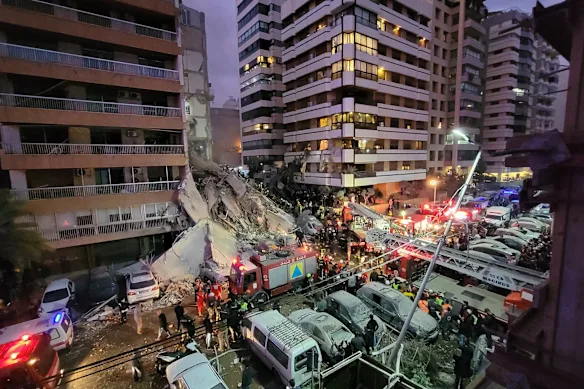
The current crisis stems from Israel’s continued military actions in Lebanon, despite an agreed-upon ceasefire. Iranian military sources have claimed that Israel’s repeated attacks against Lebanon, particularly airstrikes on Beirut, the Bekaa Valley, and southern Lebanon, violate the ceasefire agreements and demonstrate a lack of restraint. These actions have resulted in significant casualties in Lebanon, raising tensions between Israel and Hezbollah, the Shiite militant group supported by Iran.
The situation has grown increasingly tense, with Iranian officials expressing frustration at what they perceive as the United States’ failure to rein in Israeli aggression. Iran’s accusations suggest that the U.S. may either be unwilling or unable to restrain Israel’s actions, leaving Iran to take matters into its own hands. The situation is further complicated by the U.S. Central Command’s role, with Iran claiming that the U.S. may have given Israel operational freedom to act in Lebanon without facing consequences.
Iran’s Retaliation Threats and Strategic Calculations
Following Israel’s military strikes, Iran has vowed to retaliate in a significant manner. Iranian officials have stated that they are preparing to target Israeli military sites in the occupied territories, signaling that they are ready to escalate the conflict. Iran’s leadership has long expressed its commitment to supporting Lebanon and Hezbollah in their fight against Israeli aggression, and the latest developments only reinforce that stance.
The threat of retaliation is not just symbolic. Iran’s military capabilities are substantial, with the country holding a significant strategic advantage in the region. Iranian forces are well-equipped to carry out precision strikes against Israeli military installations, and tensions are high that the ceasefire violations will prompt an all-out conflict between Israel and Hezbollah, backed by Iran.
The Role of the U.S. in the Israel-Iran Conflict
As Iran moves closer to retaliation, the role of the United States continues to be a central point of contention. Tehran has expressed its growing frustration with U.S. policy, particularly its support for Israel in the ongoing conflict. The U.S. has been a staunch ally of Israel, providing military aid and political support, which many in Iran view as a clear signal that Washington is complicit in Israel’s actions.
There are growing concerns that the U.S. may not be able to prevent further escalation. Iran’s warning that it might withdraw from the ceasefire agreement altogether if Israeli violations continue highlights the growing risk of broader regional conflict. As the U.S. continues to back Israel, Iran’s calls for greater international intervention grow louder.
Israel’s Escalating Military Actions in Lebanon
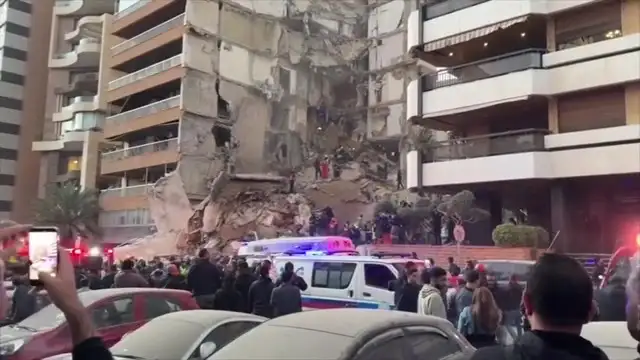
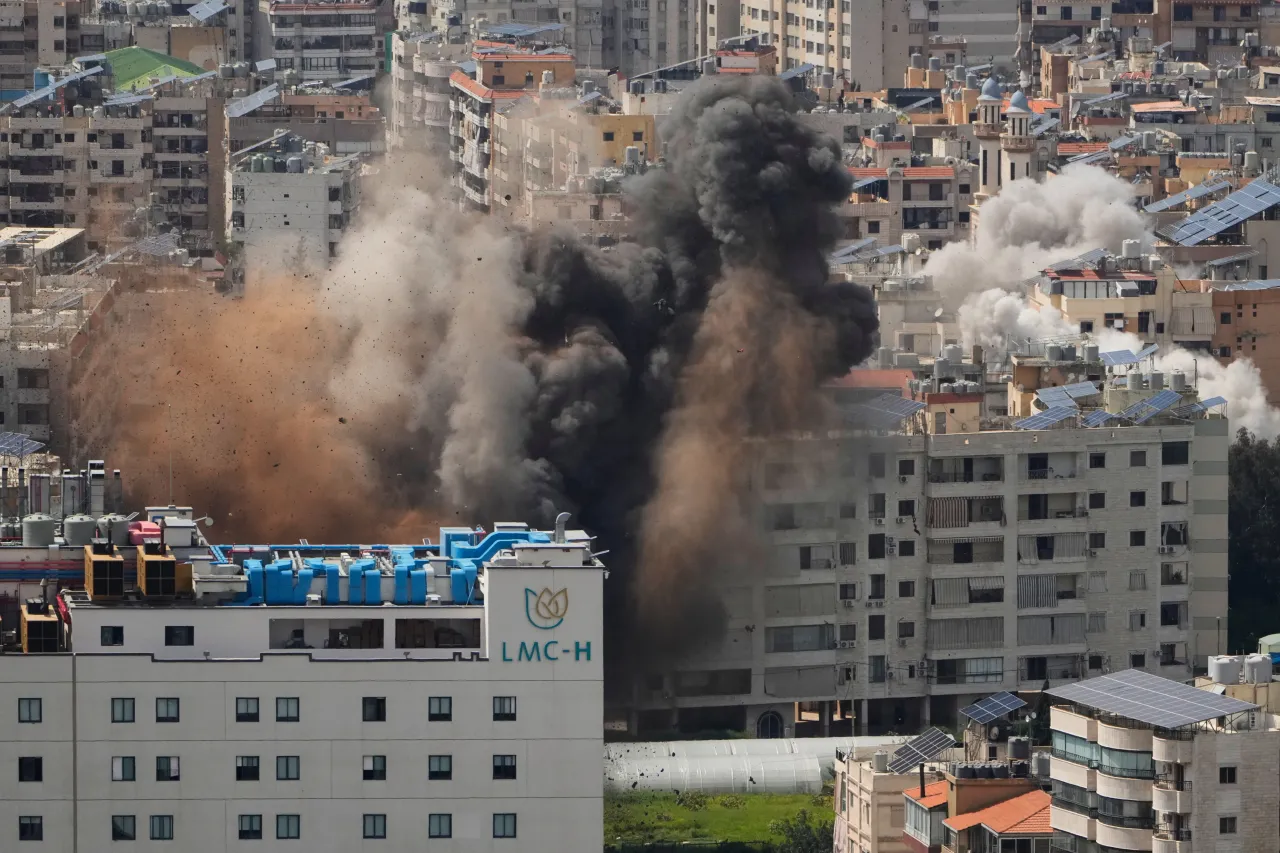
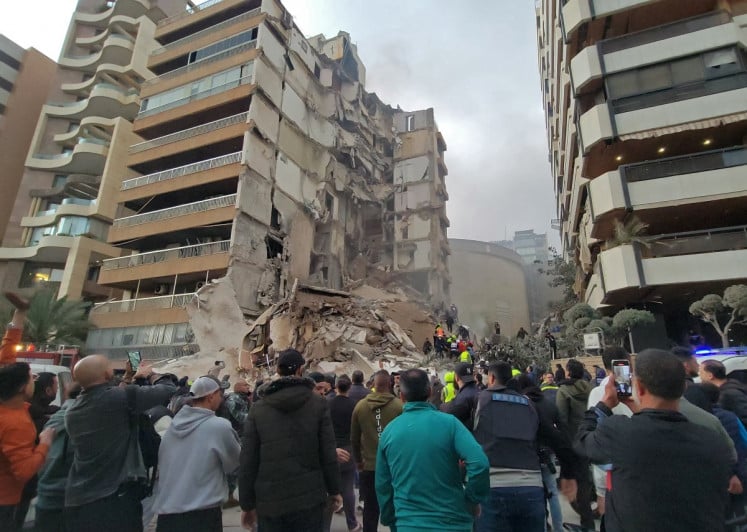
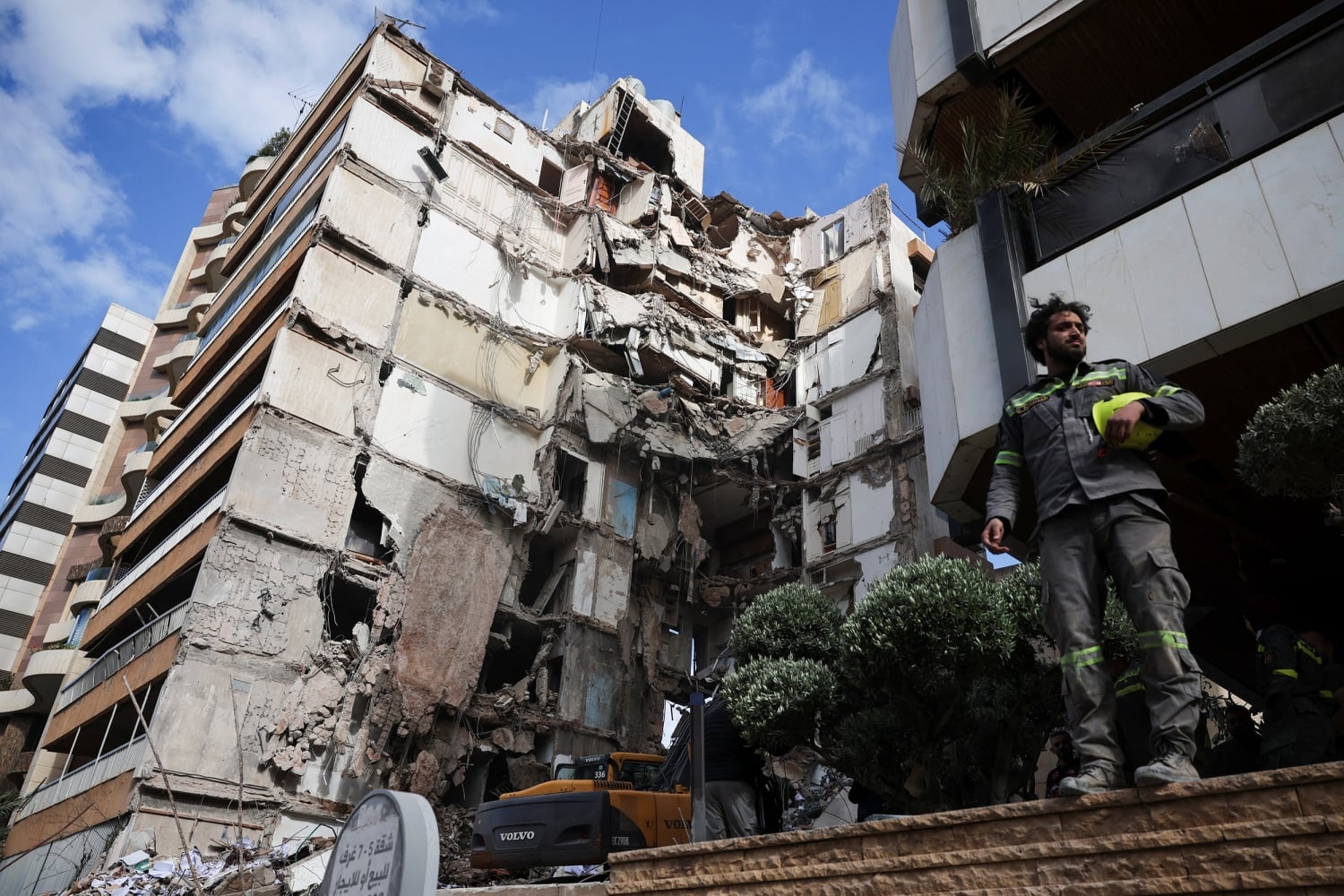
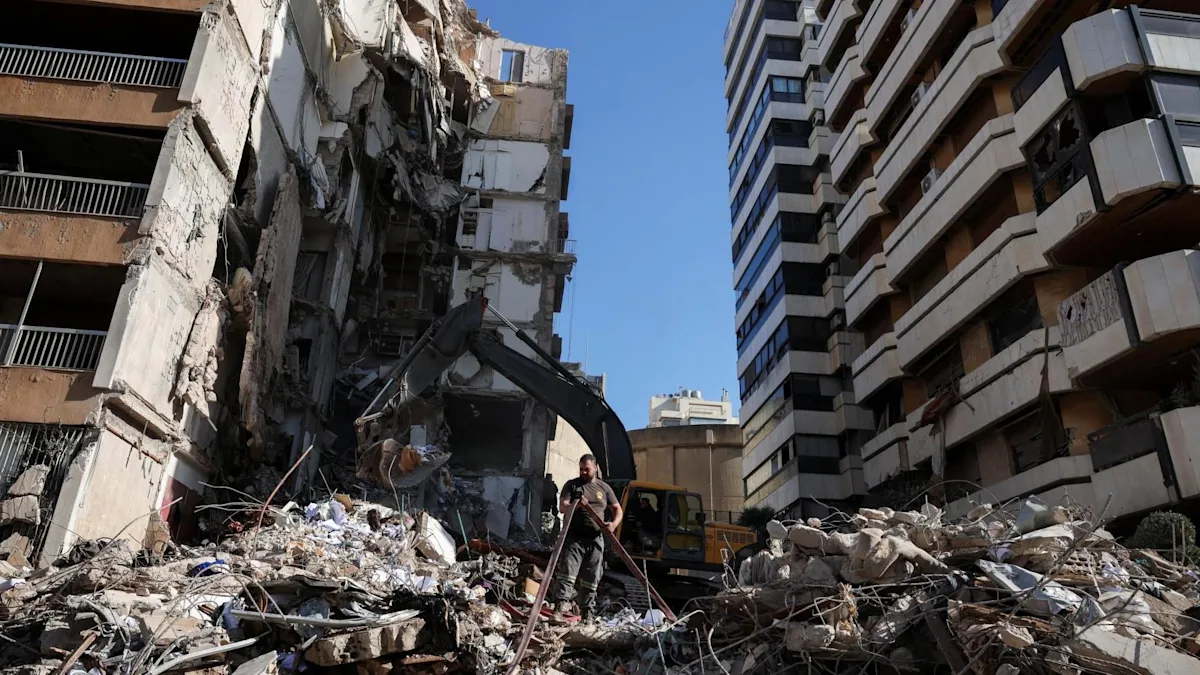
The Israeli airstrikes in Lebanon have intensified, with multiple targets hit in a short period of time. Reports from Lebanon indicate that the strikes have caused widespread destruction, with hundreds of casualties reported. The Israeli military’s actions are being framed by some as a necessary step to prevent further Hezbollah aggression, but they are being widely criticized as violations of international law due to the significant civilian toll.
These military actions have raised alarms about the possibility of a wider regional war. If Hezbollah retaliates against Israel in a more substantial manner, it could spark a broader conflict involving multiple countries in the Middle East. Iran’s involvement in supporting Hezbollah means that the situation could quickly escalate beyond Lebanon and Israel, potentially involving direct military confrontation between Israel and Iran.
Iran’s Military Preparedness and Strategic Response
Iran has made it clear that it is prepared to take decisive action in response to Israeli aggression. The Iranian military is well-positioned to carry out operations against Israeli targets, with a focus on disrupting Israel’s military infrastructure and weakening its capacity for future operations. Iranian officials have also hinted at the possibility of targeting Israeli assets in the region, including military installations in Syria, a key theater for Iranian operations.
Iran’s military response could include a range of options, from missile strikes to cyberattacks aimed at crippling Israel’s defense systems. The Iranian government has made it clear that it will not back down from its support of Hezbollah, and the latest actions by Israel are seen as a direct challenge to Iran’s regional influence.
Impact on the Strait of Hormuz and Global Oil Markets

The closure of the Strait of Hormuz to oil tankers represents a major shift in the geopolitical landscape. The strait is one of the most vital shipping routes in the world, with a significant portion of global oil supplies passing through it each day. Iran’s decision to halt tanker transit through the strait is likely to send shockwaves through global energy markets, potentially driving up oil prices and creating uncertainty in international trade.
The potential disruption of oil supplies from the region could have a cascading effect on global economies, particularly those heavily reliant on Middle Eastern oil. As the situation develops, countries around the world are bracing for the possibility of higher fuel prices and disruptions to the flow of goods and services.
The Role of International Diplomacy in De-escalating the Crisis

As tensions rise, there is growing pressure on the international community to intervene and prevent further escalation. Diplomatic efforts to broker a ceasefire have faltered, and both Israel and Iran seem entrenched in their positions. The U.S. has continued to support Israel, while European countries have expressed concern over the humanitarian toll of the conflict.
Despite the rhetoric from both sides, there remains a glimmer of hope for diplomatic resolution. The United Nations has called for renewed efforts to bring both parties to the table, but the challenge of achieving a lasting peace remains daunting. The situation is a test for international diplomacy, and the role of organizations like the UN and the European Union will be critical in preventing the situation from spiraling into a full-scale regional war.
What’s Next for Iran and Israel?

The future of the conflict between Iran and Israel remains uncertain, with both sides preparing for further military actions. If Israel continues to violate the ceasefire, Iran has made it clear that it will take retaliatory action, potentially leading to a broader regional war. The closure of the Strait of Hormuz is just one indication of how far Iran is willing to go to assert its influence in the region.
The conflict in Lebanon has become a flashpoint, with the potential to escalate beyond the borders of Lebanon and Israel. The involvement of Iran, Hezbollah, and other regional powers raises the stakes for the Middle East, and the international community is closely monitoring the situation to prevent further violence.
The Risk of Wider Regional Conflict
The ongoing conflict between Iran and Israel over the ceasefire violations in Lebanon highlights the fragility of peace in the Middle East. The halt in oil transit through the Strait of Hormuz and the threat of retaliatory strikes mark a dangerous new phase in the crisis. With both sides preparing for further escalation, the risk of a broader regional conflict looms large.
The international community faces a critical moment in addressing the crisis and preventing further bloodshed. Diplomatic efforts must be intensified to bring both sides to the negotiating table and work toward a lasting peace in the region. The stakes are high, and the outcome will have far-reaching implications for the future of the Middle East.