

Table of Contents
- Spain’s Historic Ban on Israeli Lawmakers
- Escalating Diplomatic Tensions Between Israel and Spain
- The Ban on Ben Gvir and Smotrich
- Ben Gvir’s Response to the Ban
- The Broader Impact of Spain’s Actions
- Israel’s Response and Retaliation
- The Role of the European Union in the Conflict
- Spain’s Growing Influence on the Global Stage
- The Future of Israel-Spain Relations
- A Deepening Diplomatic Crisis
Spain’s Historic Ban on Israeli Lawmakers
In a dramatic escalation of diplomatic tensions, Spain has announced that it will ban two prominent Israeli far-right ministers, Bezalel Smotrich and Itamar Ben Gvir, from entering the country. This decision marks a new low in relations between Spain and Israel, following a series of punitive measures introduced by Madrid. Spanish Foreign Minister José Manuel Albares confirmed the ban, emphasizing that the two ministers would be barred from Spanish territory in response to their controversial positions on the ongoing conflict in Gaza.
The announcement came just days after Spain pulled its ambassador from Tel Aviv and imposed a series of measures aimed at holding Israel accountable for its actions in Gaza. These actions include a military arms embargo, a partial trade ban, and restrictions on certain Israeli officials. Spain’s decision to act unilaterally in this manner has sparked heated debate, both within Israel and the broader international community.
Escalating Diplomatic Tensions Between Israel and Spain

The tensions between Israel and Spain have been building for several months, fueled by Spain’s strong condemnation of Israel’s actions in Gaza. Following the deadly Hamas attack on Israel in October 2023, the Israeli government launched an aggressive military campaign in Gaza, leading to significant civilian casualties. Spain, along with other European nations, has condemned the violence, with Prime Minister Pedro Sánchez calling the situation in Gaza “genocide.” In response to these actions, Spain imposed a range of measures, including the arms embargo and restrictions on Israeli trade, designed to exert pressure on the Israeli government.
While Spain’s actions have drawn praise from some human rights groups and Palestinian advocates, they have also sparked backlash from Israel and its allies. Israel has accused Spain of engaging in hostile rhetoric and has responded with its own sanctions against Spanish officials. The diplomatic standoff has only deepened the divide between the two countries, with each side accusing the other of failing to address the root causes of the conflict in Gaza.
The Ban on Ben Gvir and Smotrich

The decision to ban Ben Gvir and Smotrich from entering Spain is the latest in a series of actions aimed at isolating Israeli far-right politicians from the international community. Both men have been outspoken in their support for aggressive policies towards Palestinians and have played prominent roles in Israel’s right-wing coalition government. Ben Gvir, the leader of the Otzma Yehudit party, has long been associated with inflammatory rhetoric and controversial actions against Palestinians. Smotrich, the head of the Religious Zionism party, has similarly made headlines for his hardline stance on Palestinian issues.
Their roles in the Israeli government have made them key targets for European countries seeking to hold Israel accountable for its policies in Gaza. Spain’s decision to ban them from entering the country is part of a broader effort to challenge the influence of far-right figures in Israeli politics and pressure the Israeli government to reconsider its approach to the Palestinian territories. This move follows similar decisions by other European countries, including the Netherlands, Slovenia, and Belgium, which have also imposed travel bans on Ben Gvir and Smotrich.
Ben Gvir’s Response to the Ban

Itamar Ben Gvir, who serves as Israel’s National Security Minister, responded to the ban with characteristic defiance. In a post on social media, he criticized Spain for its decision and questioned its priorities, writing, “Don’t let me in… but give the people from Gaza free entry into Spain.” This comment referenced Spain’s decision to allow 16 Gazans to come to the country for medical treatment earlier in the year. Ben Gvir’s remarks reflect the ongoing tension between Israeli officials and European governments, with the far-right minister framing the issue as one of misplaced priorities and hypocrisy.
Despite Ben Gvir’s provocative comments, Spain remains steadfast in its position. Spanish officials have made it clear that their actions are a direct response to the ongoing conflict in Gaza and Israel’s policies towards the Palestinian people. The diplomatic rift between the two countries shows no signs of abating, as each side digs in its heels and continues to pursue its own agenda.
The Broader Impact of Spain’s Actions
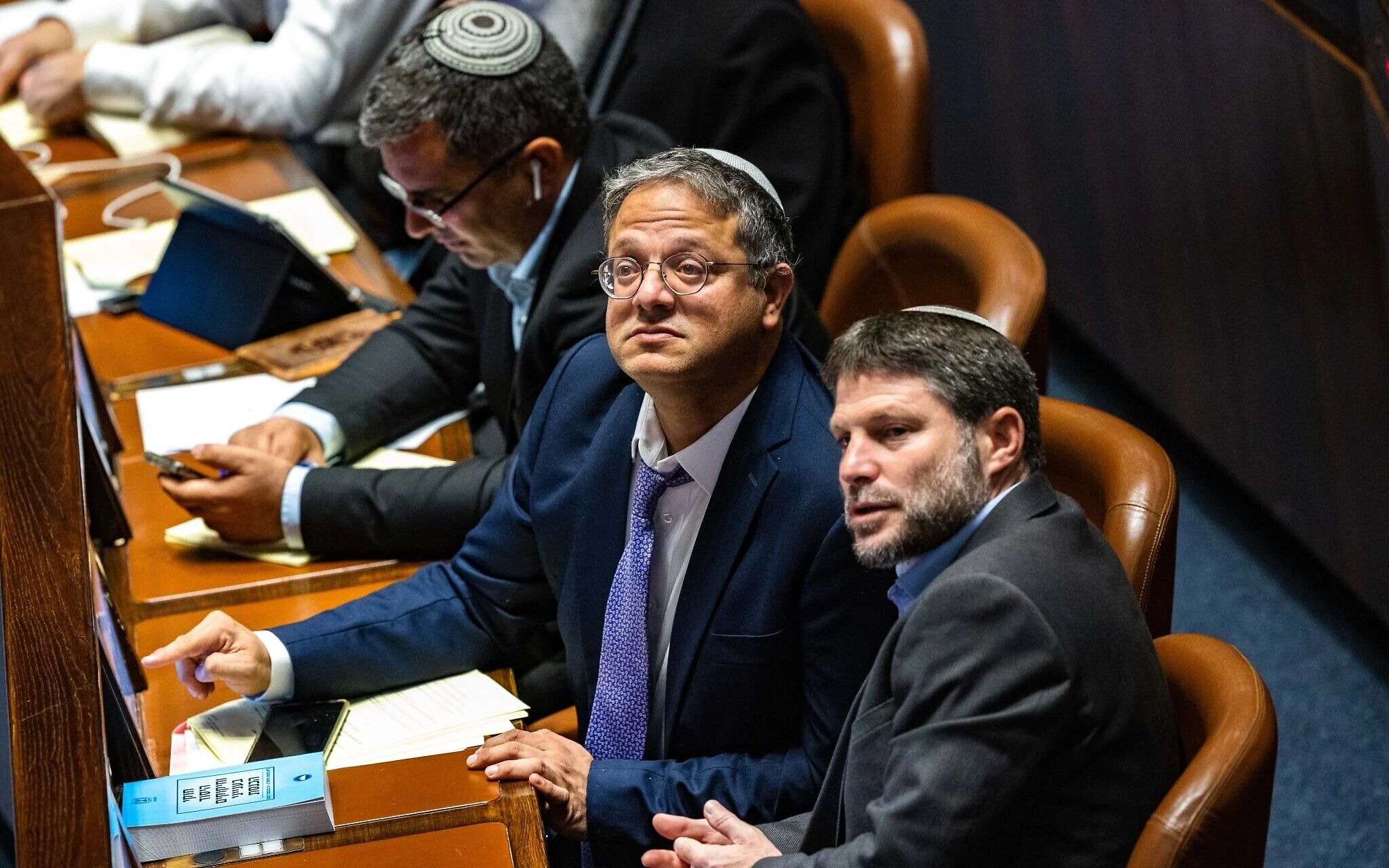
Spain’s decision to impose sanctions on Ben Gvir and Smotrich is part of a larger trend in Europe, where several countries have taken a harder stance on Israel’s actions in Gaza. The European Union has struggled to present a unified response to the conflict, with member states divided over how best to address the situation. Some countries, like Spain, have been more vocal in their criticism of Israel, while others, such as the United Kingdom and France, have been more cautious in their approach.
The ban on Ben Gvir and Smotrich is likely to have broader implications for Israel’s relationship with the European Union. As more countries follow Spain’s lead, Israel may find itself increasingly isolated on the international stage, with its policies in Gaza facing mounting scrutiny. The diplomatic fallout from Spain’s actions could also have a ripple effect on Israel’s standing in international forums, where its policies towards Palestinians have long been a source of contention.
Israel’s Response and Retaliation

In response to Spain’s decision, Israel has retaliated with sanctions of its own, including the imposition of travel bans on Spanish officials. Israel’s Foreign Minister, Gideon Sa’ar, condemned Spain’s actions, accusing the country of advancing “antisemitic policies” and failing to understand the complexities of the Israeli-Palestinian conflict. Sa’ar’s comments reflect the frustration within Israel’s government, which feels increasingly cornered by international criticism of its actions in Gaza.
Israel’s response to Spain’s actions underscores the deepening divide between the two countries. While Spain has sought to hold Israel accountable for its policies, Israel has rejected these efforts as politically motivated and harmful to the country’s security interests. The diplomatic standoff between Israel and Spain is likely to continue, with each side accusing the other of failing to understand the gravity of the situation.
The Role of the European Union in the Conflict

The diplomatic rift between Israel and Spain has highlighted the challenges facing the European Union in addressing the ongoing conflict in Gaza. While some EU member states have supported Spain’s actions, others have taken a more cautious approach, wary of alienating Israel and jeopardizing broader diplomatic relationships in the region. The EU has long struggled to present a unified front on Middle Eastern issues, and the Gaza conflict has only exposed these divisions.
The European Union’s response to the Israel-Spain crisis will be crucial in shaping the future of the region. If more European countries follow Spain’s lead and impose sanctions on Israeli officials, Israel may face increasing isolation in the international community. On the other hand, if the EU fails to take meaningful action, it risks losing credibility in the eyes of Palestinians and others who see Europe as a key player in the pursuit of peace in the Middle East.
Spain’s Growing Influence on the Global Stage
Spain’s decision to take a strong stance against Israel reflects the country’s growing influence on the global stage. Prime Minister Pedro Sánchez has been vocal in his criticism of Israel’s actions in Gaza, and his government has taken bold steps to ensure that Spain’s foreign policy reflects its commitment to human rights and international law. Spain’s actions have been particularly noteworthy given the country’s historical ties to Israel and its significant role within the European Union.
As Spain continues to assert its influence on the global stage, its stance on the Israel-Palestine conflict will likely shape its relationships with other countries. The country’s growing prominence as a voice for Palestinian rights could lead to increased cooperation with other nations that share similar concerns, while also leading to friction with Israel and its allies.
The Future of Israel-Spain Relations

The diplomatic conflict between Israel and Spain shows no signs of abating, with both sides entrenched in their positions. While Spain has taken a bold step in sanctioning Israeli officials, Israel remains resolute in its commitment to defending its actions in Gaza. As the conflict continues, the relationship between Israel and Spain will be closely watched, as it could serve as a bellwether for broader shifts in global diplomacy.
The outcome of this diplomatic standoff will depend largely on the willingness of both sides to engage in dialogue and find common ground. As the international community continues to grapple with the fallout from the Gaza conflict, Spain’s actions could serve as a model for other countries seeking to hold Israel accountable, or it could mark the beginning of a new era of isolation for the Jewish state.
A Deepening Diplomatic Crisis
The tensions between Israel and Spain are just one example of the broader challenges facing the international community in the aftermath of the Gaza conflict. Spain’s decision to ban far-right Israeli ministers and impose sanctions on the Israeli government highlights the growing divide between countries that seek to hold Israel accountable for its actions and those that continue to support its policies. As the diplomatic crisis between Israel and Spain unfolds, it remains to be seen how other countries will respond and what the long-term consequences will be for Israel’s standing in the international community.