
Table of Contents
- A Historic Decision for Animal Welfare in Mexico
- A Focus on Animal Rights
- The Plan for Releasing Captive Dolphins
- A Step Toward a More Humane Future
- Mexico Leads the Way
- The Role of Sanctuaries in Dolphin Welfare
- Support from Animal Welfare Organizations
- The Future of Marine Mammal Conservation
- A Global Movement for Ethical Treatment of Animals
A Historic Decision for Animal Welfare in Mexico
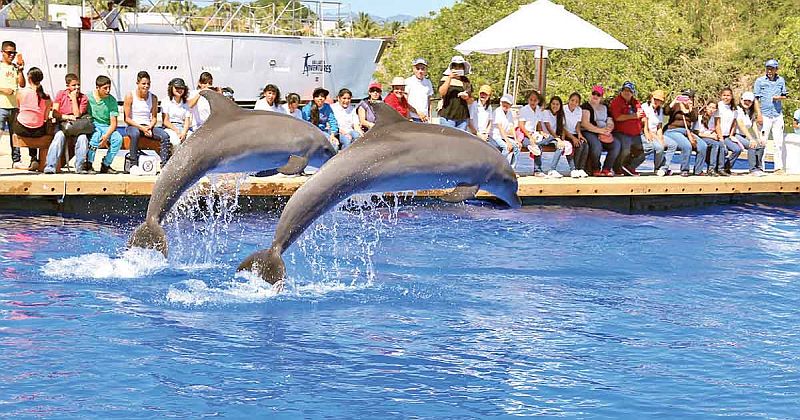
In a groundbreaking move that promises to reshape the treatment of marine mammals worldwide, Mexico has announced plans to release approximately 350 captive dolphins into seaside sanctuaries. This monumental decision, which marks a significant step forward in animal welfare, will allow the dolphins to relearn natural behaviors in the wild. It also brings an end to the controversial practice of using marine mammals in entertainment, such as dolphin shows. This change reflects a growing awareness of the ethical implications of keeping such intelligent beings in captivity, and it serves as a powerful reminder of the need to protect and respect wildlife.
Mexico’s landmark decision comes after the unanimous approval of an amendment to the General Wildlife Law by the Mexican Chamber of Deputies, which bans the use of marine mammals in captive entertainment. This law, effective immediately, is set to prevent the capture, breeding, or exhibition of marine mammals for entertainment purposes. The new law allows for exceptions only in cases involving scientific research or conservation efforts, such as species restoration programs or reintroduction into the wild.
This is a momentous decision that resonates not just in Mexico but across the globe, as more countries are reevaluating the ethical treatment of animals in captivity. The new law is expected to pave the way for more humane treatment of dolphins, orcas, and other marine mammals, marking a shift away from exploitative practices.
A Focus on Animal Rights
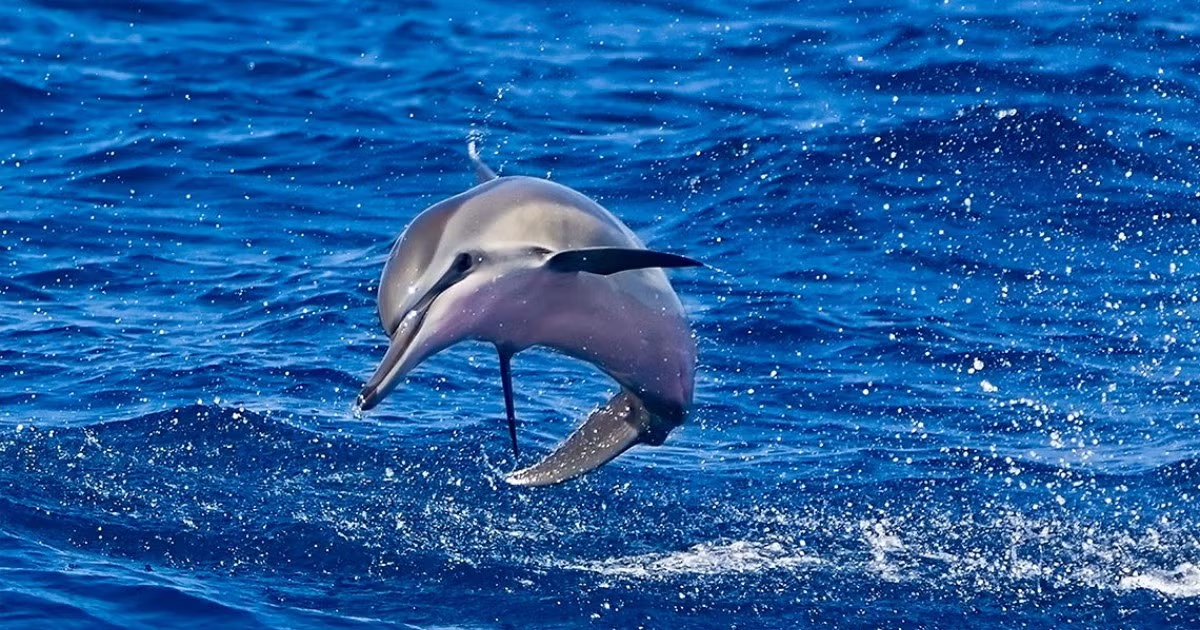
The Mexican Chamber of Deputies’ vote to amend the General Wildlife Law represents a bold commitment to animal welfare. The amendment specifically targets the use of marine mammals in entertainment, which has long been a contentious issue worldwide. Despite the popularity of dolphin shows and marine mammal parks, many experts have long argued that these practices are inherently harmful to the animals involved.
Dolphins and other marine mammals, such as orcas and sea lions, are highly intelligent and social animals that typically travel vast distances in the wild, often forming complex social bonds within their pods. Keeping them in captivity for entertainment purposes, confined to small tanks or enclosures, has been shown to have severe negative impacts on their physical and psychological well-being.
The new law in Mexico is a significant victory for animal rights advocates who have been campaigning for years to end the use of marine mammals in captivity. It also serves as a clear message to the global community that the protection of wildlife is a priority. By passing this amendment, Mexico is taking a bold stand against the exploitation of dolphins and other marine mammals and ensuring that their rights are recognized.
The Plan for Releasing Captive Dolphins
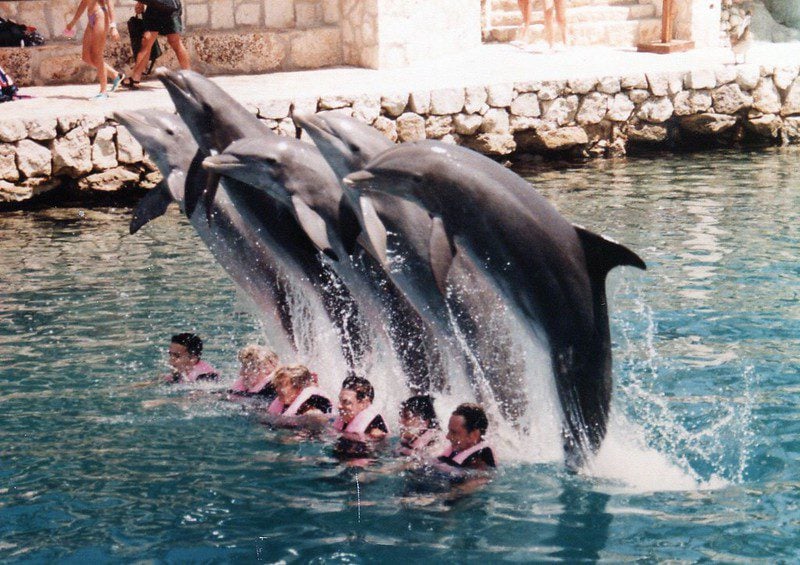
Releasing 350 dolphins from captivity is no small task, and it will require careful planning and preparation. The first step will be to move the dolphins to seaside sanctuaries, where they can begin the process of relearning natural behaviors. These sanctuaries are designed to provide a safe, natural environment where the dolphins can gradually regain their independence and reintegrate into the wild, if possible.
Experts will closely monitor the dolphins’ progress, ensuring that they are ready for reintroduction into the wild when the time comes. Some dolphins may need additional rehabilitation or medical care before they can be released into the ocean, while others may be deemed unfit for life in the wild and will remain in the sanctuary for the rest of their lives.
This careful, measured approach aims to give the dolphins the best chance at a life of freedom, away from the constraints of captivity. The goal is not only to protect the animals but also to promote a more sustainable and humane model for wildlife conservation.
A Step Toward a More Humane Future
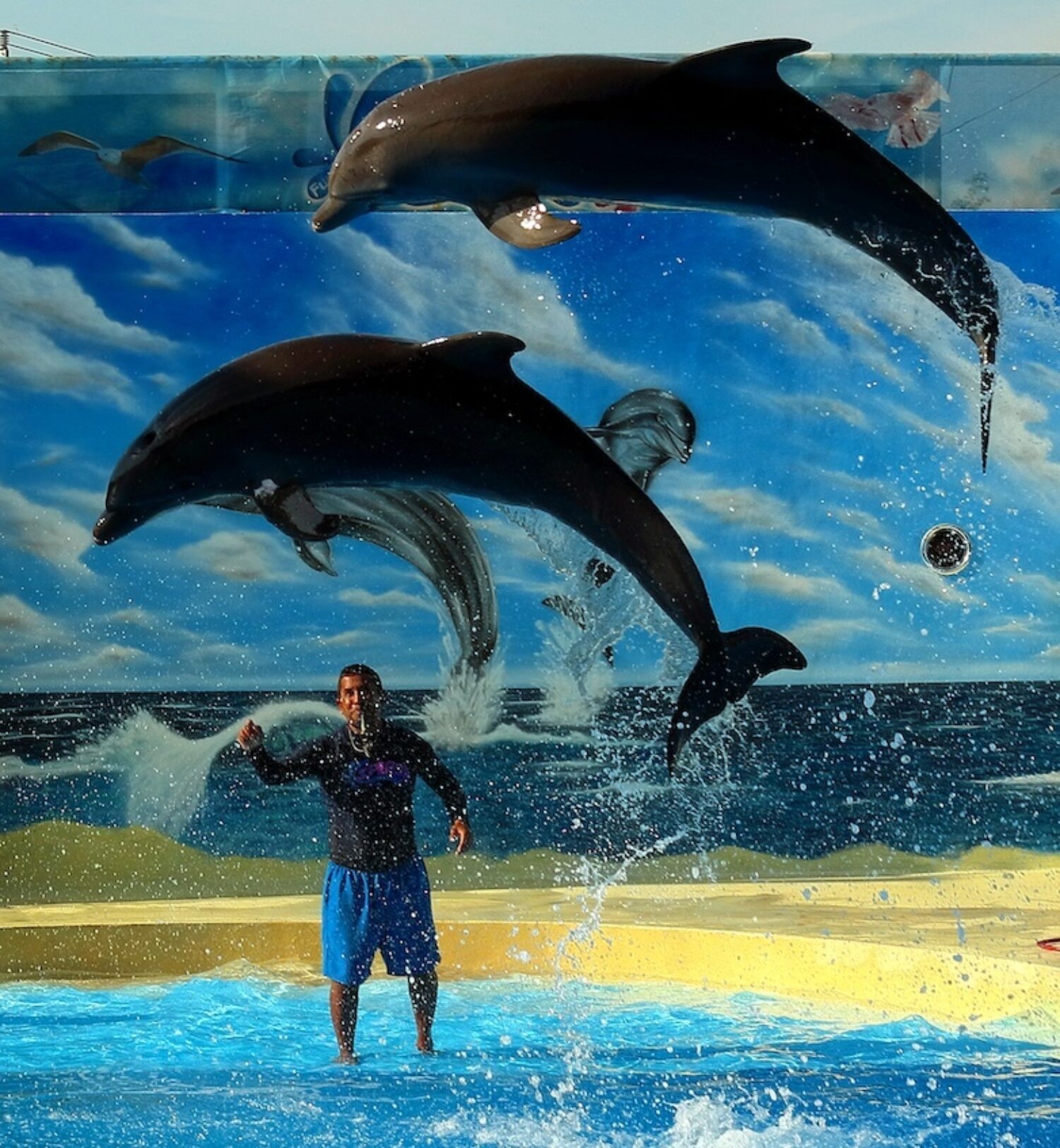
With the passing of the new law, Mexico has officially put an end to the practice of using dolphins and other marine mammals in fixed or traveling entertainment shows. This marks a significant shift away from the exploitation of these animals for profit and entertainment purposes. While dolphin shows have long been a staple of many tourist destinations, there has been increasing awareness about the cruelty and ethical concerns associated with these practices.
Dolphins in captivity often suffer from a range of health issues, including stress, physical injuries, and shortened lifespans. The constant confinement, lack of mental stimulation, and forced interactions with humans contribute to the deterioration of their well-being. In contrast, wild dolphins are free to roam vast ocean territories, form social bonds with their pods, and engage in natural behaviors.
By banning the use of dolphins in entertainment, Mexico is sending a powerful message that the welfare of animals should come before profit and entertainment. This decision aligns with growing global efforts to promote ethical treatment of animals, and it sets a strong precedent for other nations to follow suit.
Mexico Leads the Way
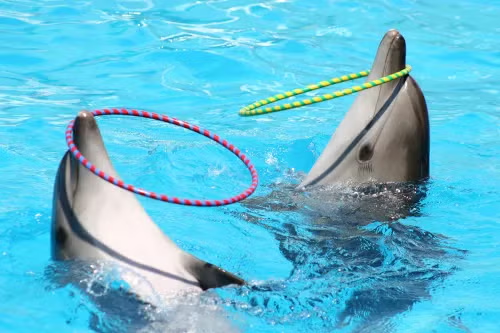
Mexico’s decision to release captive dolphins and end dolphin shows has far-reaching implications for animal welfare and conservation efforts worldwide. The move represents a major step in the global movement toward ending the captivity of marine mammals and promoting more ethical and sustainable practices.
This decision is also likely to inspire other countries to reevaluate their own laws and policies regarding the treatment of marine mammals. As awareness of the negative impacts of captivity grows, more nations may take similar steps to protect dolphins and other marine animals, ensuring that they are allowed to live in their natural habitats.
Furthermore, this shift away from the exploitation of marine mammals for entertainment could lead to a greater focus on conservation efforts aimed at protecting wild populations of dolphins, orcas, and other marine species. By recognizing the rights and intelligence of these animals, we can work toward a future where they are no longer exploited for human amusement but are instead respected and protected in their natural environments.
The Role of Sanctuaries in Dolphin Welfare
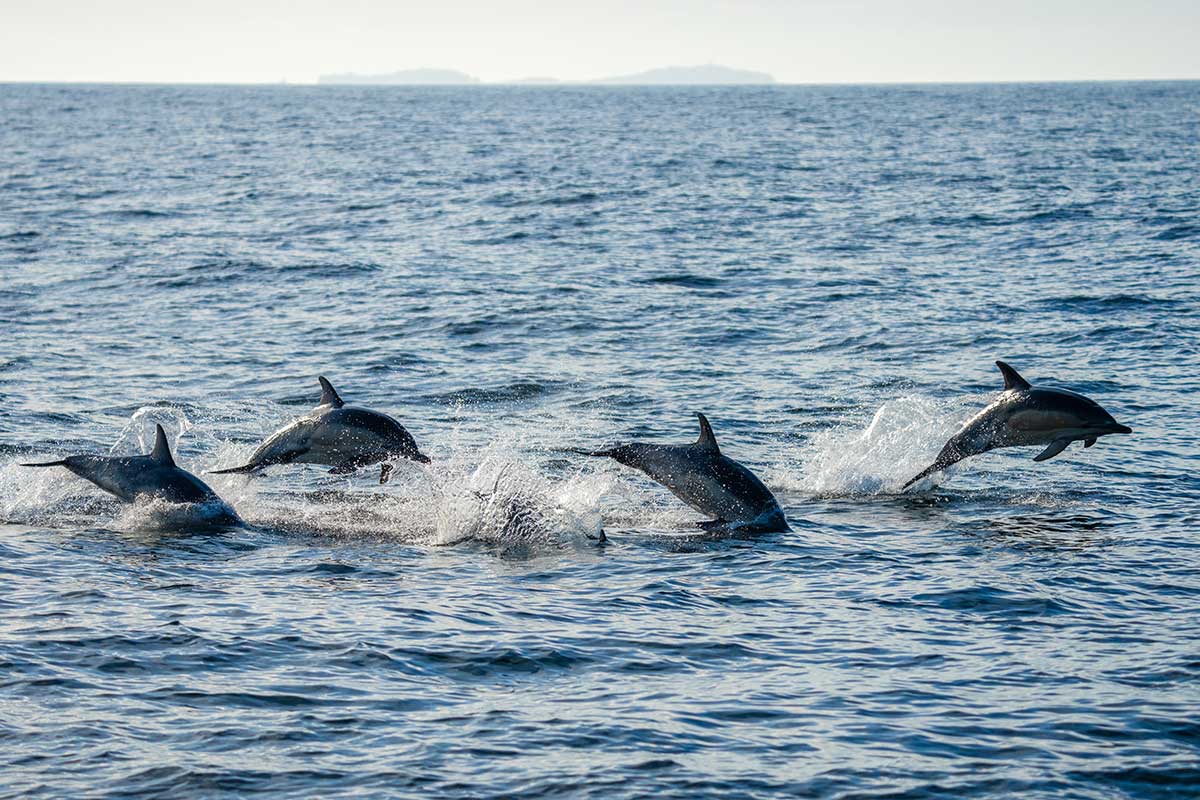
Seaside sanctuaries will play a crucial role in the transition from captivity to freedom for the dolphins released under the new law. These sanctuaries are specially designed to mimic the natural environment of the ocean as closely as possible, providing a safe space for the dolphins to relearn behaviors such as foraging, hunting, and socializing with other dolphins.
Sanctuaries are not just holding pens for released dolphins; they are vital rehabilitation centers where the animals can regain their strength and skills before being reintroduced to the wild. Experts will work closely with the dolphins to ensure they are ready for life in the ocean, and they will provide ongoing care for those who are not able to survive in the wild.
The role of sanctuaries in the rehabilitation of dolphins is essential, as it offers them a chance at a more natural, fulfilling life. It also serves as an alternative to traditional zoos and aquariums, which have come under increasing scrutiny for their treatment of marine mammals.
Support from Animal Welfare Organizations
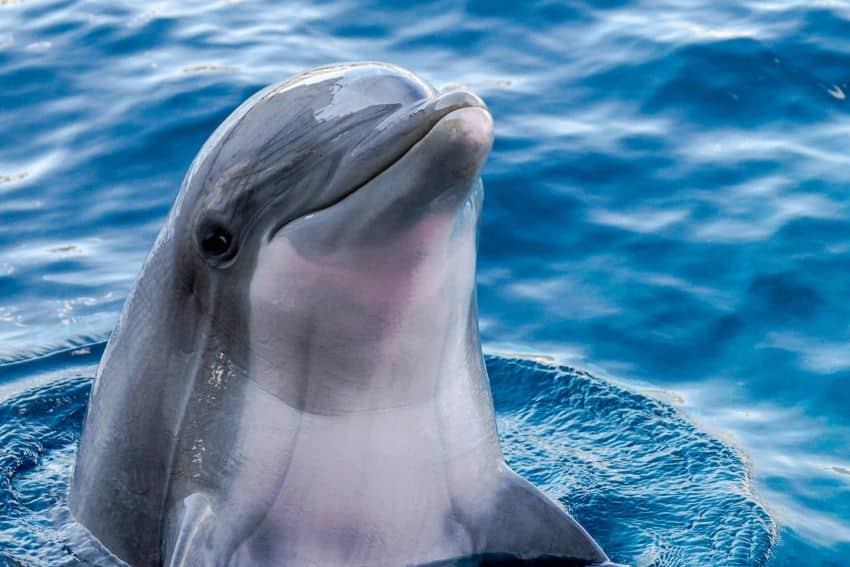
Animal welfare organizations around the world have praised Mexico’s decision to release captive dolphins and end dolphin shows. These organizations have been advocating for years to end the captivity of marine mammals and have long highlighted the ethical and environmental concerns associated with the practice.
“This is a historic moment for animal welfare,” said Dr. Claudia Edwards, Programs Director for Humane World for Animals Mexico. “We are proud of Mexico for taking a stand and making this important commitment to protecting marine mammals. This is a significant step toward a more humane world for animals.”
Organizations like Humane World for Animals Mexico and others are working to ensure that the law is implemented effectively and that the dolphins are given the best chance at a life in the wild. Their efforts will be instrumental in ensuring the success of the program and in raising awareness about the importance of animal welfare.
The Future of Marine Mammal Conservation
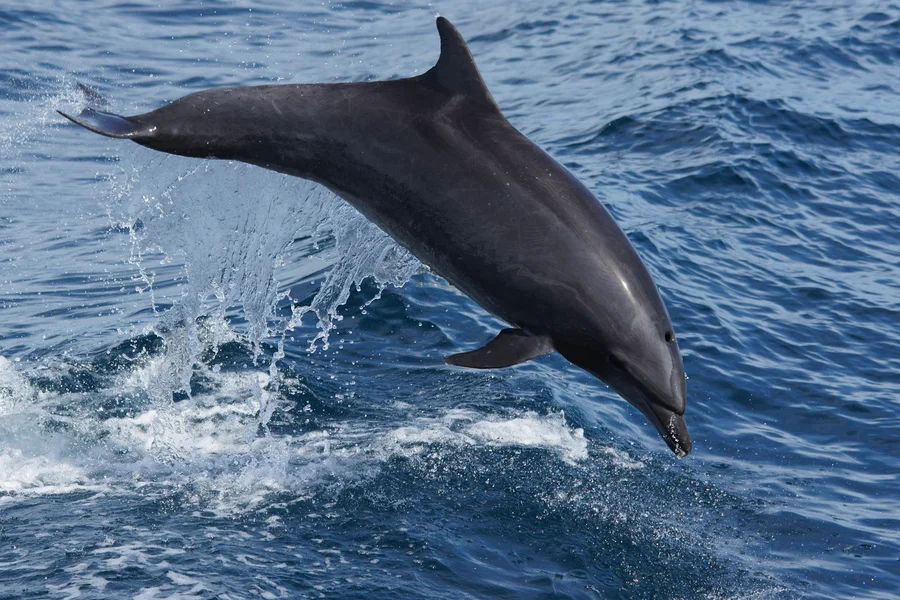
Mexico’s landmark decision marks a hopeful turning point for the treatment of marine mammals, but there is still much work to be done. While this step represents significant progress, the fight to end the captivity of marine mammals and ensure their protection in the wild is far from over.
The global community must continue to work together to protect marine species and ensure that they are not exploited for entertainment or profit. Through increased awareness, advocacy, and legal action, we can move closer to a future where dolphins, orcas, and other marine mammals are free to live in their natural habitats, without the threat of captivity.
A Global Movement for Ethical Treatment of Animals

Mexico’s decision to release 350 captive dolphins and end dolphin shows represents a significant victory for animal welfare and conservation efforts. It marks a turning point in the global movement toward more humane treatment of marine mammals and sets a powerful example for other countries to follow. This decision is a step toward a more ethical and sustainable approach to wildlife conservation, ensuring that dolphins and other marine mammals are respected and protected in their natural environments.