
Table of Contents
- Iran Lays Out Peace Demands as US-Iran Negotiations Begin in Pakistan
- Tensions Rise Ahead of Negotiations
- The Ceasefire Agreement and Its Challenges
- The Role of Pakistan in Mediating Peace Talks
- Iran’s Demands for Asset Unfreezing and Ceasefire in Lebanon
- The U.S. Response and Trump’s Remarks
- The Humanitarian Impact of the Conflict
- The Future of U.S.-Iran Relations
- The Role of International Diplomacy
- Looking Ahead: The Road to Peace
- Conclusion
Iran Lays Out Peace Demands as US-Iran Negotiations Begin in Pakistan
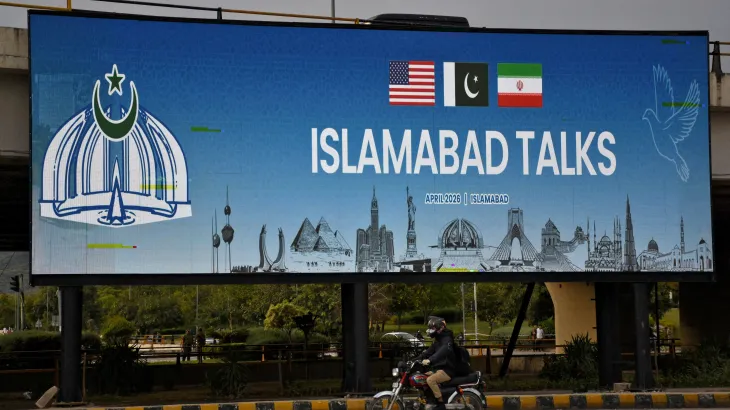
The stakes for peace in the Middle East have escalated as negotiators from the United States and Iran meet in Pakistan, following the outbreak of conflict between the two nations. With the region in turmoil, both parties have high expectations for the upcoming discussions, although initial signs suggest that these talks will be fraught with tension. Iran’s negotiating team, which arrived in Islamabad earlier this week, has laid out several key demands that must be met before any further talks can proceed. The Iranian government insists that the unblocking of its assets and the implementation of a ceasefire in Lebanon be prioritized before discussions can move forward.
These demands come on the heels of a turbulent period, which saw escalating violence, geopolitical unrest, and significant disruptions to global trade routes, particularly through the Strait of Hormuz. As the negotiations unfold, both sides face mounting pressure from their respective political and military spheres to secure a favorable resolution, with the broader implications of these talks likely to shape the future of the region for years to come.
Tensions Rise Ahead of Negotiations
The situation in the Middle East has grown increasingly dire, with the recent conflict highlighting deep-seated tensions between the United States and Iran. The war, now entering its sixth week, has strained both countries’ resources, exacerbated by a blockade of the Strait of Hormuz, which has disrupted global oil and gas shipments. In response, U.S. President Donald Trump announced a temporary ceasefire, hoping to pave the way for the peace talks in Pakistan. However, many remain skeptical about whether these talks can achieve any lasting peace, given the entrenched positions held by both sides.
In the lead-up to the talks, Iran’s parliamentary speaker, Mohammad Baqer Qalibaf, issued a stern statement on social media, demanding that Washington first honor its previous commitments. These include the unfreezing of Iranian assets, which have been blocked by U.S. sanctions for years, and a cessation of hostilities in Lebanon, where Iran-backed Hezbollah forces have been engaged in violent confrontations with Israeli troops. Iran has made it clear that without these actions, they will not participate in substantive negotiations.
The Ceasefire Agreement and Its Challenges
While the ceasefire announced by Trump on Tuesday has temporarily halted airstrikes between U.S. and Israeli forces and Iran, it has done little to quell the violence in Lebanon or ease tensions in the Strait of Hormuz. Iranian-backed Hezbollah forces continue to clash with Israeli military units, and the blockade of the vital waterway remains in effect, further aggravating the global oil crisis. The ceasefire has, however, provided a window for diplomats to engage in peace talks, with hopes of finding a lasting resolution to the conflict.
Trump’s declaration that the ceasefire is a “prelude to peace” has been met with mixed reactions. Some analysts see it as a positive step toward de-escalation, while others argue that the terms of the ceasefire are too vague to be effective in the long term. Critics also point to the unresolved issues in Lebanon and the wider region, suggesting that any peace agreement will need to address these concerns if it is to be successful.
The Role of Pakistan in Mediating Peace Talks
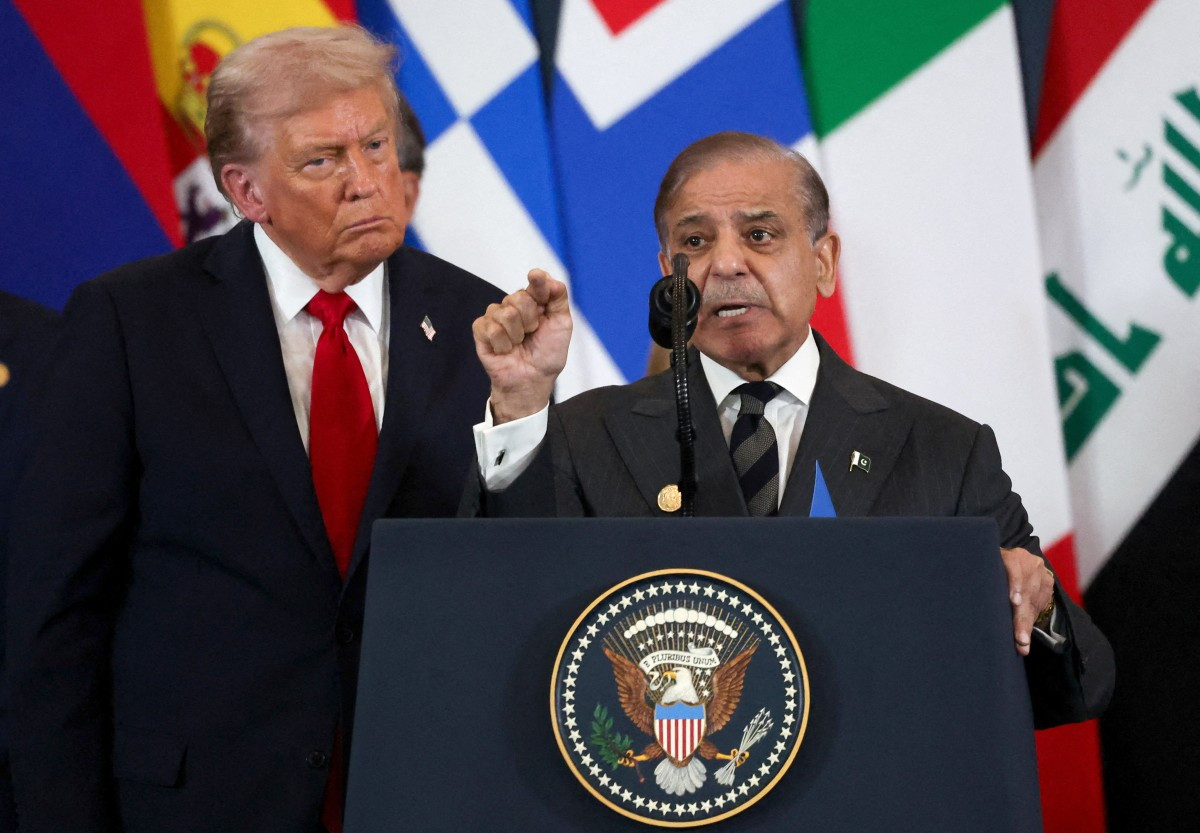
As the host nation for these crucial negotiations, Pakistan is playing a key role in facilitating dialogue between the United States and Iran. The country’s Prime Minister, Shehbaz Sharif, has expressed optimism about the potential for peace but acknowledged the difficulty of the task ahead. In his national address on Friday, Sharif emphasized that the upcoming discussions represent a “make-or-break phase” in the effort to resolve the conflict.
Pakistani officials have worked tirelessly to ensure that both sides have the necessary support and resources to engage in meaningful dialogue. The Pakistani government has also committed to playing a neutral role in the talks, hoping that their position as an influential regional player will allow them to broker a solution that benefits all parties involved. However, the deep-rooted animosities between the U.S. and Iran, along with the volatility of the wider Middle East region, means that peace remains elusive.
Iran’s Demands for Asset Unfreezing and Ceasefire in Lebanon
Iran’s demands for the unfreezing of its assets and a ceasefire in Lebanon are rooted in the country’s longstanding grievances with the United States and Israel. The U.S. sanctions that have been imposed on Iran for years have severely limited the country’s ability to access funds held in foreign banks, with estimates suggesting that tens of billions of dollars of Iranian assets are currently blocked. These assets primarily come from Iran’s oil and gas exports, which have been targeted by U.S. sanctions aimed at curbing Iran’s nuclear ambitions.
The demand for a ceasefire in Lebanon, where Hezbollah forces are actively engaged in combat with Israeli forces, is another critical issue. Iran has long supported Hezbollah, and the group has been a key player in the ongoing conflict with Israel. The violence in Lebanon has added a layer of complexity to the U.S.-Iran negotiations, with both sides holding opposing views on how to address the situation.
Iran’s negotiation team has made it clear that they will not proceed with talks unless these issues are addressed first. The government views the unfreezing of its assets as a necessary step toward restoring its economic stability, while a ceasefire in Lebanon is seen as a way to de-escalate the broader regional conflict.
The U.S. Response and Trump’s Remarks
The U.S. response to Iran’s demands has been mixed. While President Trump has expressed a willingness to negotiate, he has also warned Iran that they are running out of time. In a statement posted on social media, Trump reiterated his stance that the only reason Iran is still in a position to negotiate is due to the ceasefire. He also emphasized that the U.S. had the upper hand in the negotiations and would not be pressured into making concessions.
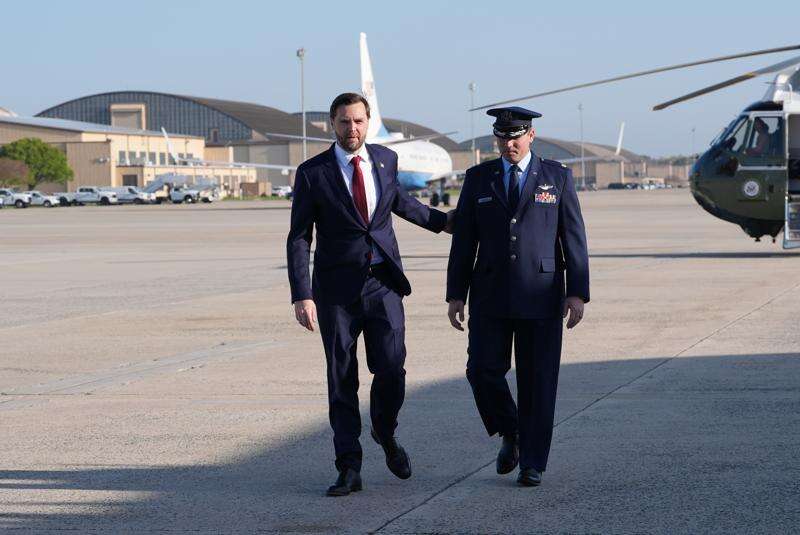
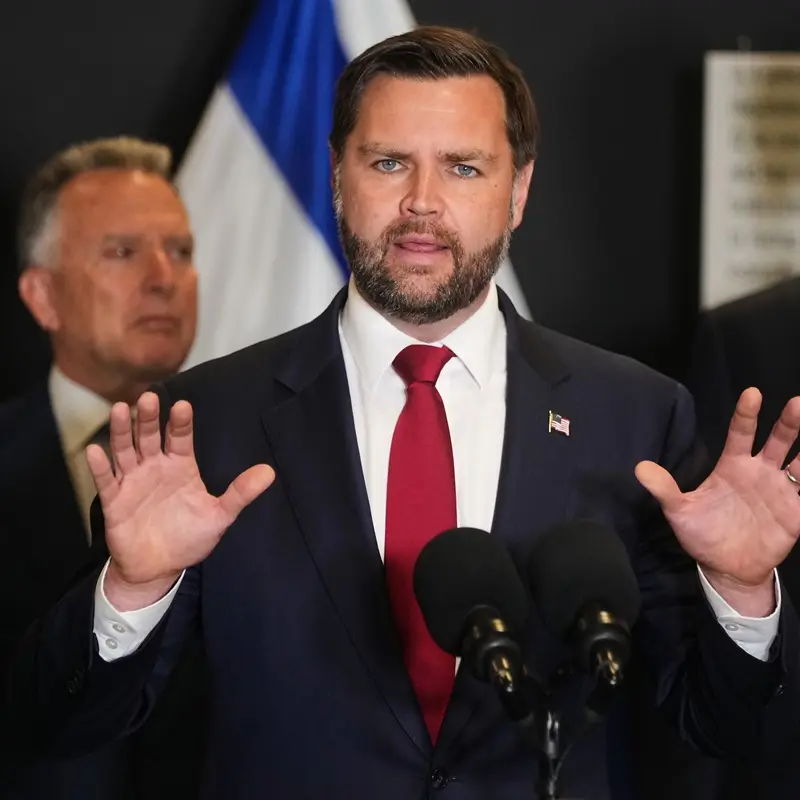
U.S. Vice President JD Vance, who is leading the American delegation in the peace talks, expressed confidence that a positive outcome was possible. However, he also warned that the U.S. team would not be easily swayed by Iranian demands, especially if they were perceived as attempts to manipulate the situation. Vance’s remarks suggest that the U.S. will remain firm in its stance, even as negotiations continue.
The Humanitarian Impact of the Conflict
While the political and economic aspects of the negotiations dominate the headlines, the humanitarian impact of the conflict cannot be ignored. The war in the Middle East has caused significant civilian casualties, with both sides suffering losses. The blockade of the Strait of Hormuz has also had a devastating effect on global energy markets, leading to skyrocketing oil prices and economic instability in many countries.
In Lebanon, the ongoing violence has displaced thousands of people, with many seeking refuge in neighboring countries. The situation in Gaza and the West Bank also remains dire, with the suffering of Palestinian civilians at the forefront of the conflict. As the U.S. and Iran negotiate, it is crucial that any peace agreement takes into account the humanitarian needs of those affected by the war.
The Future of U.S.-Iran Relations
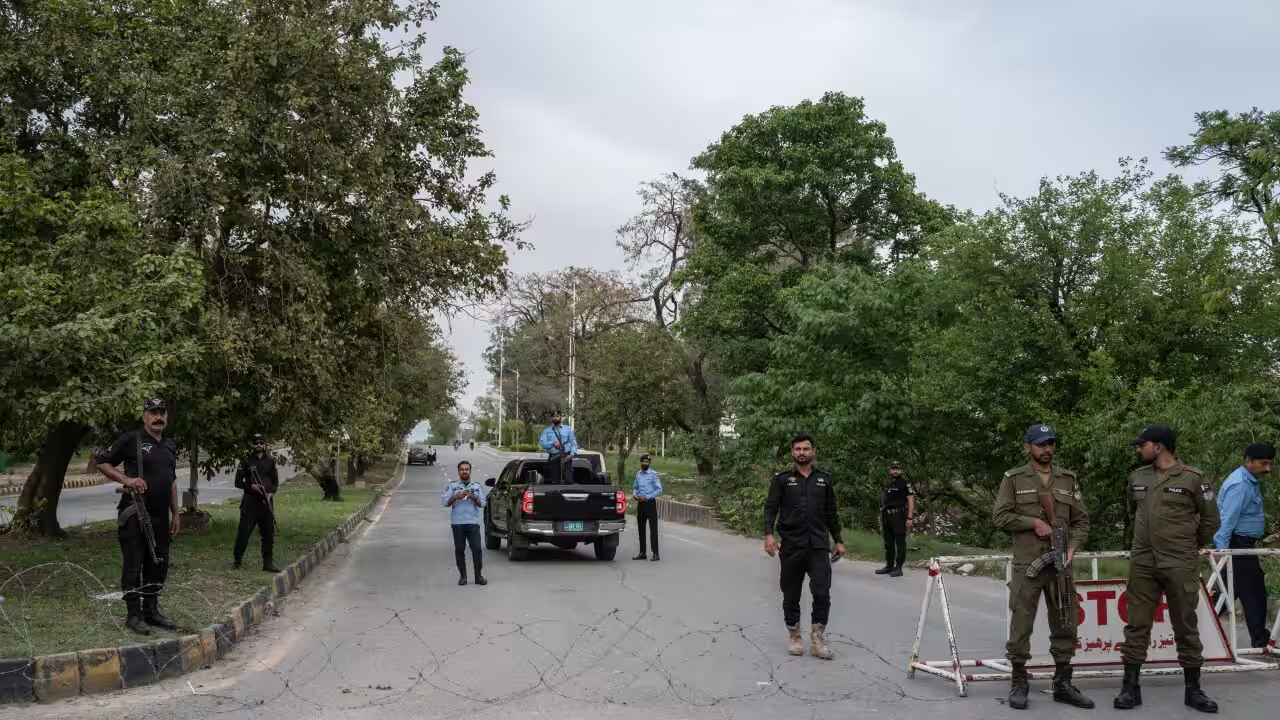
As the peace talks continue in Pakistan, the future of U.S.-Iran relations remains uncertain. The two countries have a long history of animosity, with tensions reaching a boiling point in recent years over issues such as Iran’s nuclear program, its support for militant groups in the Middle East, and its ongoing conflict with Israel. While the ceasefire has provided a temporary reprieve, it is unclear whether the negotiations will lead to a long-term resolution.
The outcome of these talks will have significant implications not only for the U.S. and Iran but for the entire Middle East. A successful agreement could pave the way for a more stable and peaceful region, while a failure to reach an accord could lead to further escalation and suffering for civilians caught in the crossfire.
The Role of International Diplomacy
The role of international diplomacy in these negotiations cannot be overstated. The U.S. and Iran are not negotiating in a vacuum; both countries are aware of the broader implications of their actions on the global stage. The United Nations, the European Union, and other international actors have been closely monitoring the situation, offering support for the peace process and encouraging both sides to work toward a resolution.
Pakistan, as the host of the negotiations, has played a critical role in facilitating dialogue between the two sides. Its neutral position has allowed it to serve as a mediator, helping to bridge the gap between the U.S. and Iran. However, the success of the negotiations will ultimately depend on the willingness of both sides to compromise and find common ground.
Looking Ahead: The Road to Peace
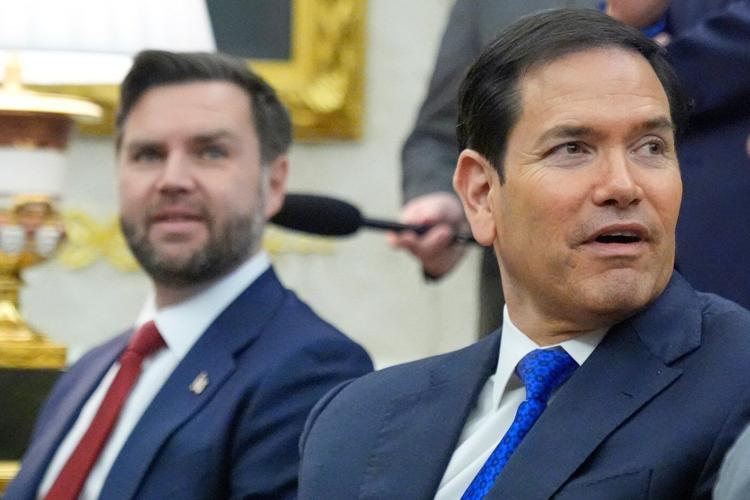
As the peace talks continue, the world watches closely to see if a lasting resolution can be achieved. The stakes are high, with the future of the Middle East hanging in the balance. While the road to peace is fraught with challenges, the hope is that through dialogue, diplomacy, and compromise, a lasting solution can be found.
The outcome of these negotiations will shape the future of U.S.-Iran relations and have far-reaching consequences for global stability. As the world waits to see how these talks unfold, there is hope that a peaceful resolution can be reached, allowing the Middle East to begin the long process of healing from the scars of war.
Conclusion
The peace talks between the U.S. and Iran, which are taking place in Pakistan, represent a critical moment in the ongoing conflict in the Middle East. While challenges remain, both sides have the opportunity to reach a lasting resolution that can pave the way for peace and stability in the region. The outcome of these negotiations will be pivotal not only for the U.S. and Iran but for the broader geopolitical landscape, with the hope that diplomacy can overcome decades of conflict and animosity.