
Table of Contents
- Trump’s Statement Signals Possible Turning Point
- The Role of Ceasefire in Slowing the Conflict
- Failed Talks Reveal How Fragile Peace Efforts Are
- Renewed Talks Could Shape the Next Phase
- Why Trump’s Optimism Matters
- The Strategic Stakes Behind the Conflict
- Public Messaging Versus Ground Reality
- The Human and Economic Impact of the War
- What Happens If Talks Fail Again
- A Moment of Uncertainty With Global Implications
- Looking Ahead at What This Means for the Future
Trump’s Statement Signals Possible Turning Point
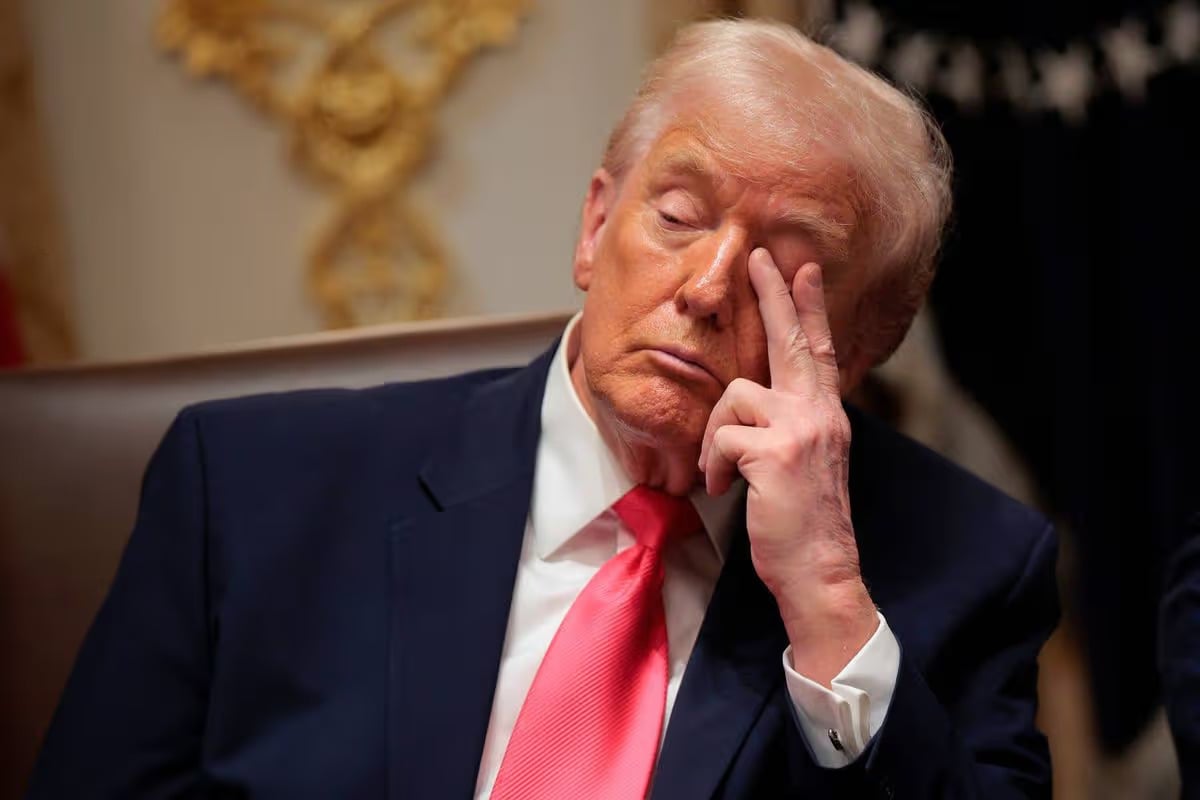
In a televised interview with Fox Business anchor Maria Bartiromo, Trump struck a notably confident tone when discussing the status of the war. Asked directly whether the conflict was over, he responded that he views it as very close to over. The phrasing itself is significant. It suggests a shift from active escalation toward a phase of negotiation, but it stops short of declaring a definitive conclusion.
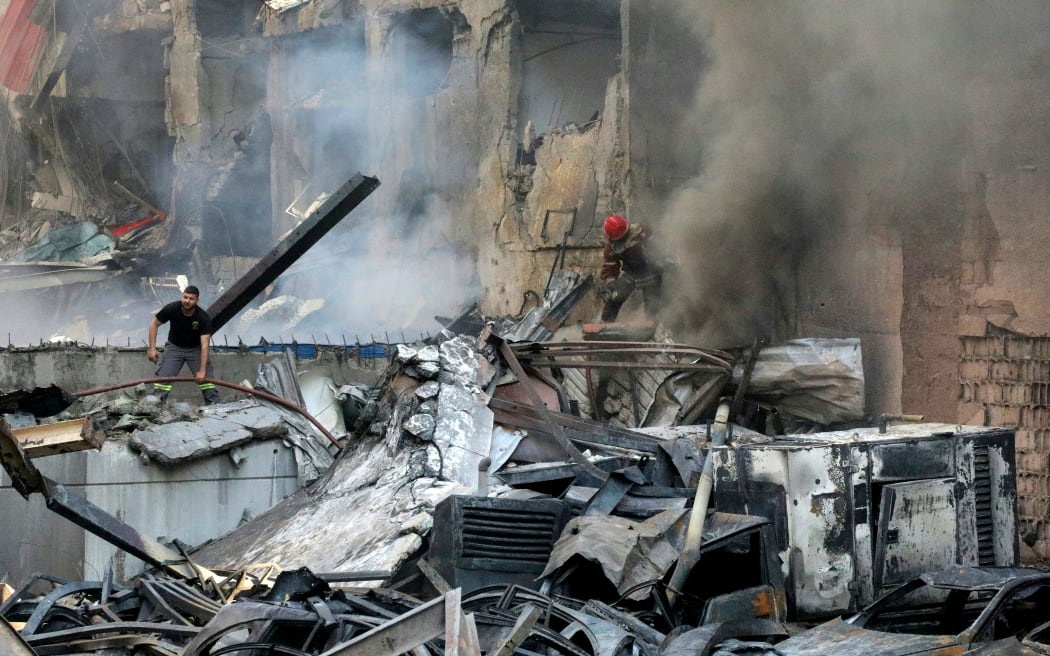
Trump went further, suggesting that if the United States were to withdraw immediately, it would take Iran decades to rebuild. This statement highlights the scale of impact the conflict has already had. It also reinforces a key message that the United States still holds considerable leverage in shaping the outcome of the war.
At the same time, his remarks carried a note of caution. He emphasized that operations are not yet finished and that the situation remains fluid. This dual messaging, optimism paired with uncertainty, reflects the delicate stage the conflict has entered.
The Role of Ceasefire in Slowing the Conflict
One of the most critical developments underpinning Trump’s remarks is the ongoing ceasefire. Brokered by Pakistan on April 8, the agreement established a two week pause in hostilities between the involved parties. As of now, that ceasefire is still holding.
Ceasefires in conflicts of this scale are never guaranteed to last. They require cooperation, restraint, and often a shared interest in avoiding further escalation. The fact that this one has held, even temporarily, is a sign that all sides may be open to deescalation.
However, history shows that ceasefires can also serve as strategic pauses rather than definitive steps toward peace. They create space for negotiation, but they also allow each side to reassess their position. This makes the coming days especially critical.
Failed Talks Reveal How Fragile Peace Efforts Are
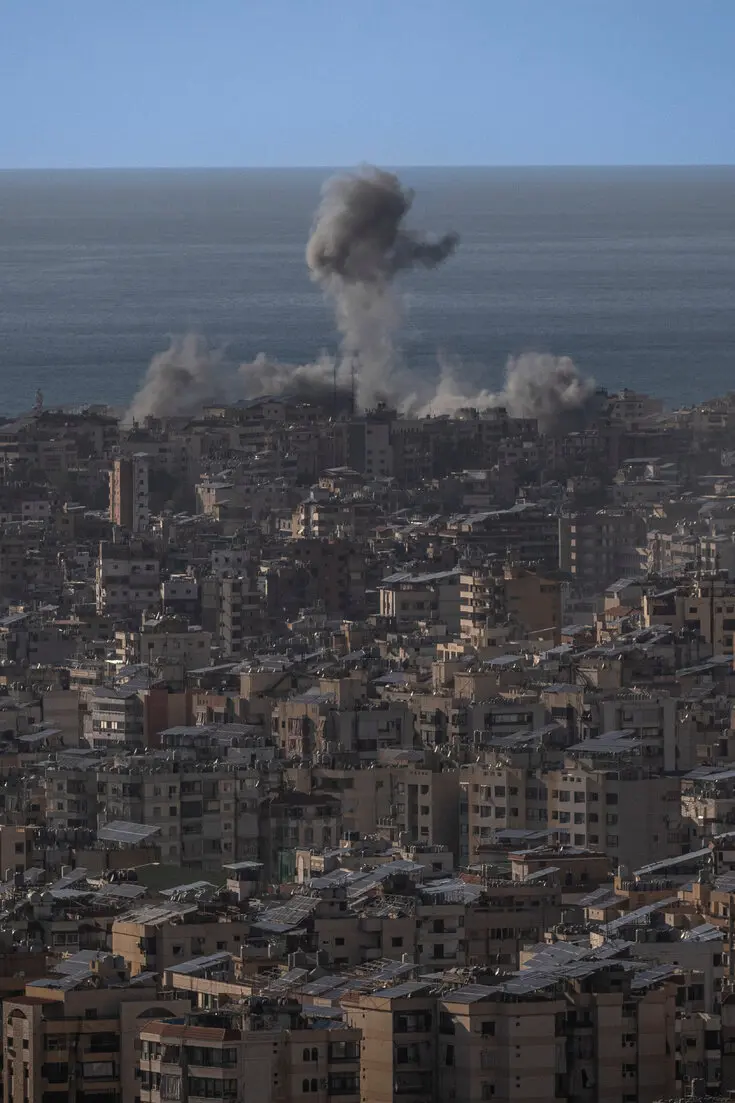
Over the weekend, diplomatic efforts were already underway in Islamabad, Pakistan’s capital, aimed at securing a permanent end to the war. Despite high level engagement, those talks did not produce an agreement.
This outcome underscores how difficult it is to translate military pauses into lasting political solutions. Negotiations in such conflicts often involve multiple stakeholders, each with their own interests, demands, and red lines.
The failure of the initial talks does not necessarily signal a dead end. Instead, it highlights the complexity of the issues at stake. Territorial concerns, security guarantees, regional influence, and long standing political tensions all play a role.
The fact that discussions are expected to resume suggests that while an agreement has not yet been reached, the door to diplomacy remains open.
Renewed Talks Could Shape the Next Phase
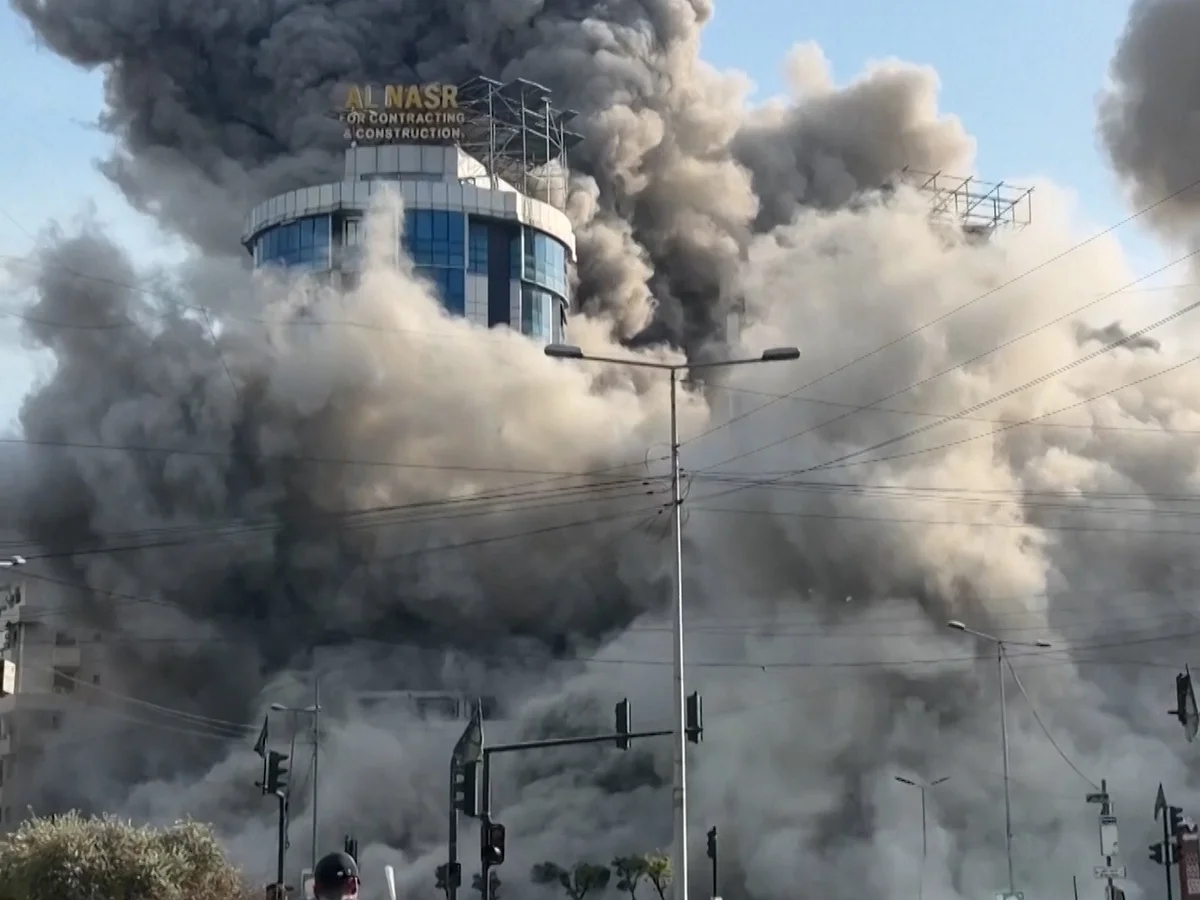
Trump indicated that direct talks between the United States and Iran could restart within days, again with Pakistan playing a mediating role. This is a crucial development.
Direct negotiations between major actors often mark a turning point in conflicts. They allow for more focused discussions and can accelerate progress compared to broader multilateral talks.
Pakistan’s involvement as a mediator also adds an important dimension. As a regional player with its own strategic relationships, it may be uniquely positioned to facilitate dialogue between parties that have historically struggled to communicate directly.
If these talks move forward, they could define whether the current ceasefire evolves into a lasting agreement or collapses under unresolved tensions.
Why Trump’s Optimism Matters
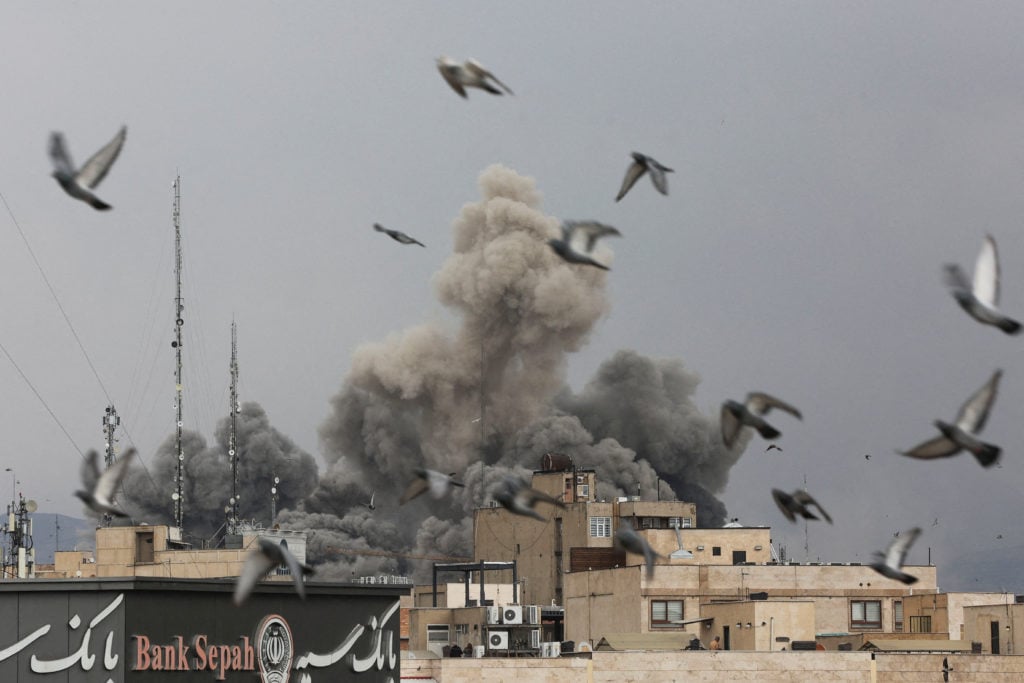
Political statements during wartime are rarely just commentary. They can influence public perception, diplomatic momentum, and even market reactions.
Trump’s assertion that the war is close to over sends a signal not only to the American public but also to international observers. It suggests confidence in ongoing negotiations and an expectation of progress.
At the same time, such statements can carry risks. If expectations are set too high and outcomes fall short, it can lead to disappointment or even renewed tension.
This is why analysts often treat optimistic declarations with caution. They are part of the narrative shaping process, but they are not guarantees of what will happen next.
The Strategic Stakes Behind the Conflict
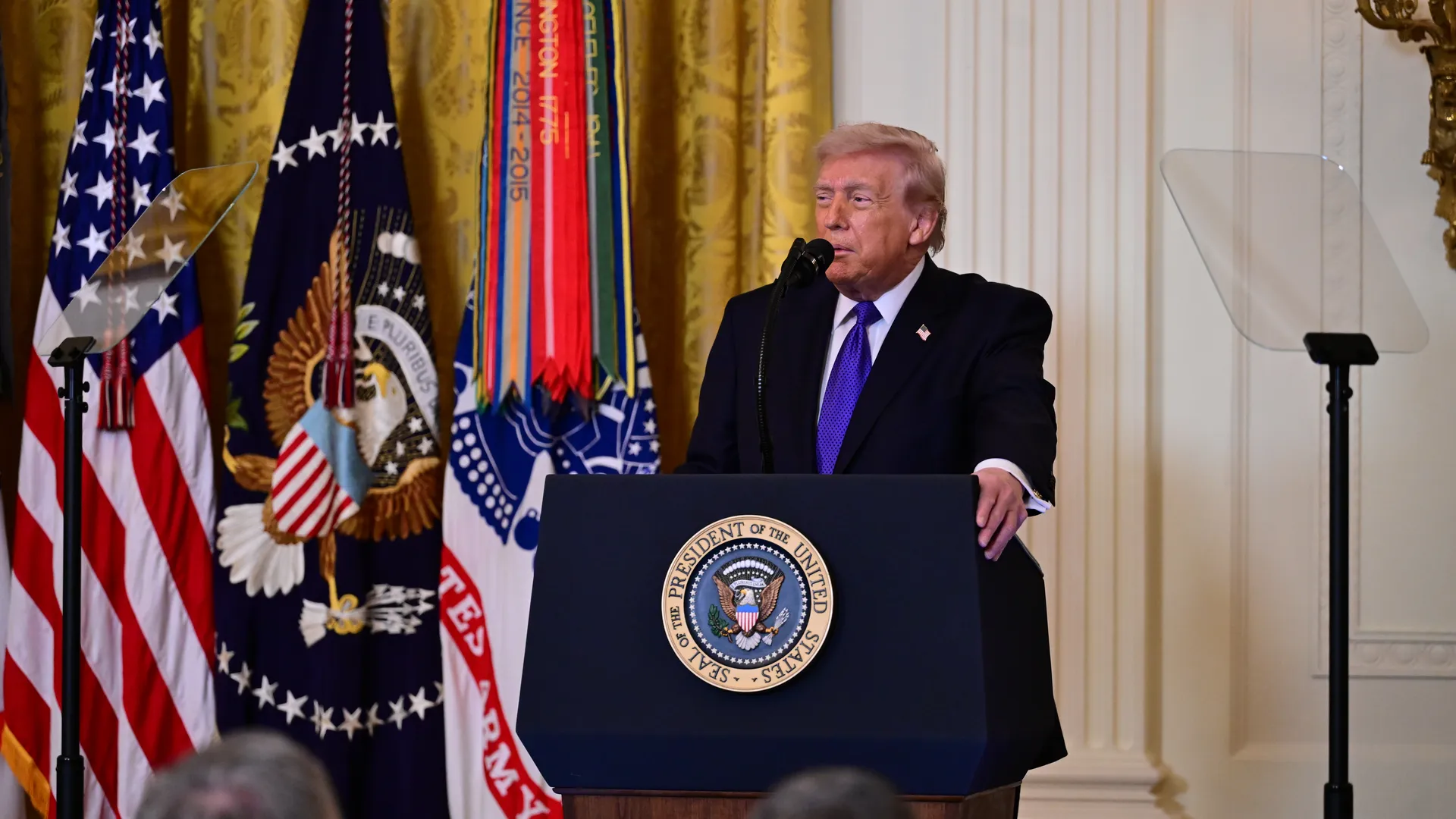
To understand why this moment matters, it is important to look beyond the immediate headlines. The conflict between the United States, Israel, and Iran is not an isolated event. It is tied to broader regional dynamics that have been evolving for decades.
Iran’s role in the Middle East, its relationships with neighboring countries, and its strategic ambitions all factor into the situation. Similarly, the involvement of the United States and Israel reflects their own security priorities and geopolitical interests.
Any resolution to the conflict will need to address these underlying issues. A simple ceasefire or short term agreement may not be enough to ensure lasting stability.
This is what makes the current negotiations so significant. They are not just about ending active hostilities, but about shaping the future balance of power in the region.
Public Messaging Versus Ground Reality
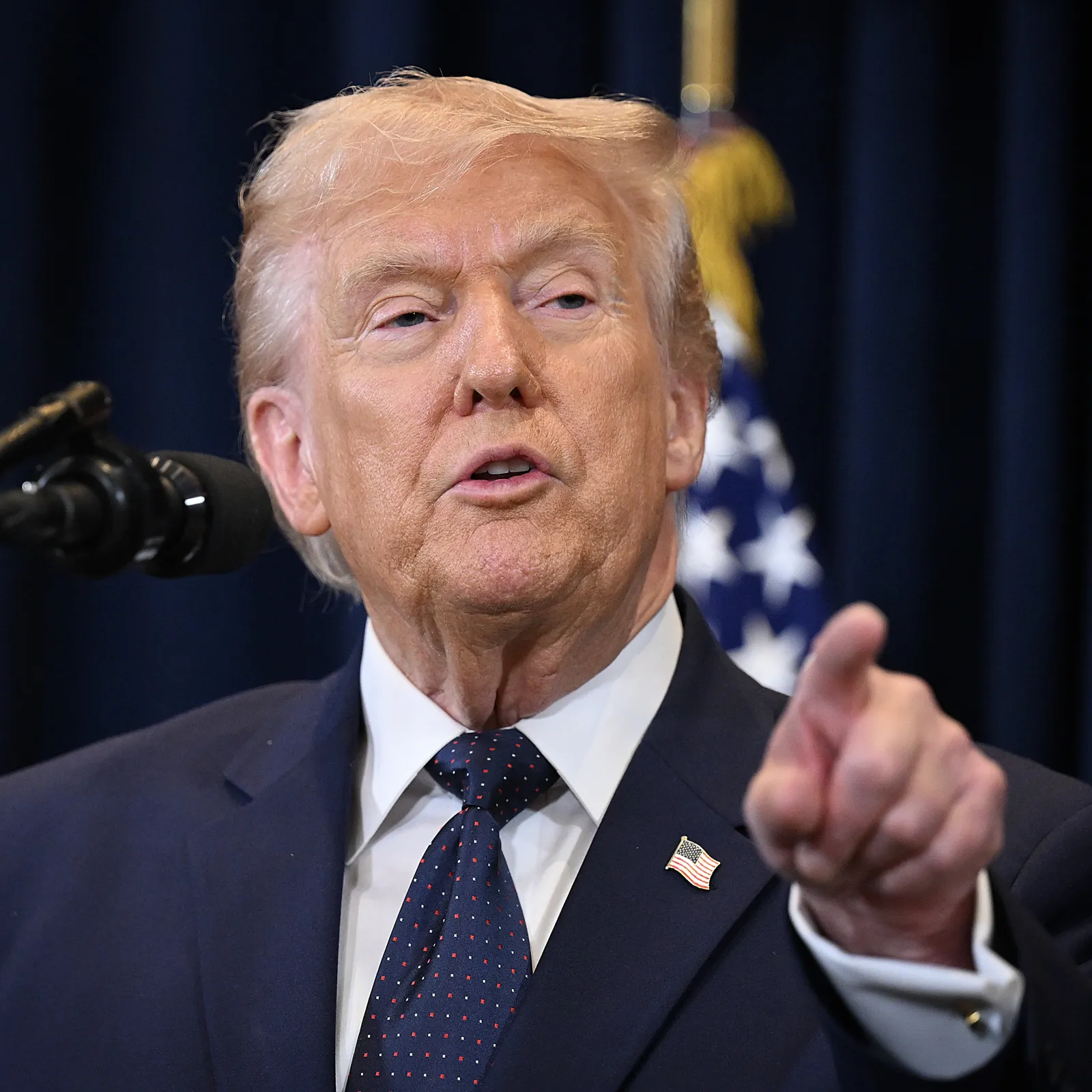
One of the recurring challenges in conflicts like this is the gap between public statements and on the ground realities. Leaders often present developments in ways that align with their strategic goals or political messaging.
Trump’s comments, while optimistic, do not necessarily reflect all aspects of the situation. Military operations, intelligence assessments, and diplomatic negotiations continue behind the scenes.
For observers, this means interpreting statements carefully. Words like “close to over” can indicate progress, but they do not provide a complete picture.
This does not diminish their importance. Instead, it highlights the need to view them as part of a broader narrative rather than a definitive conclusion.
The Human and Economic Impact of the War
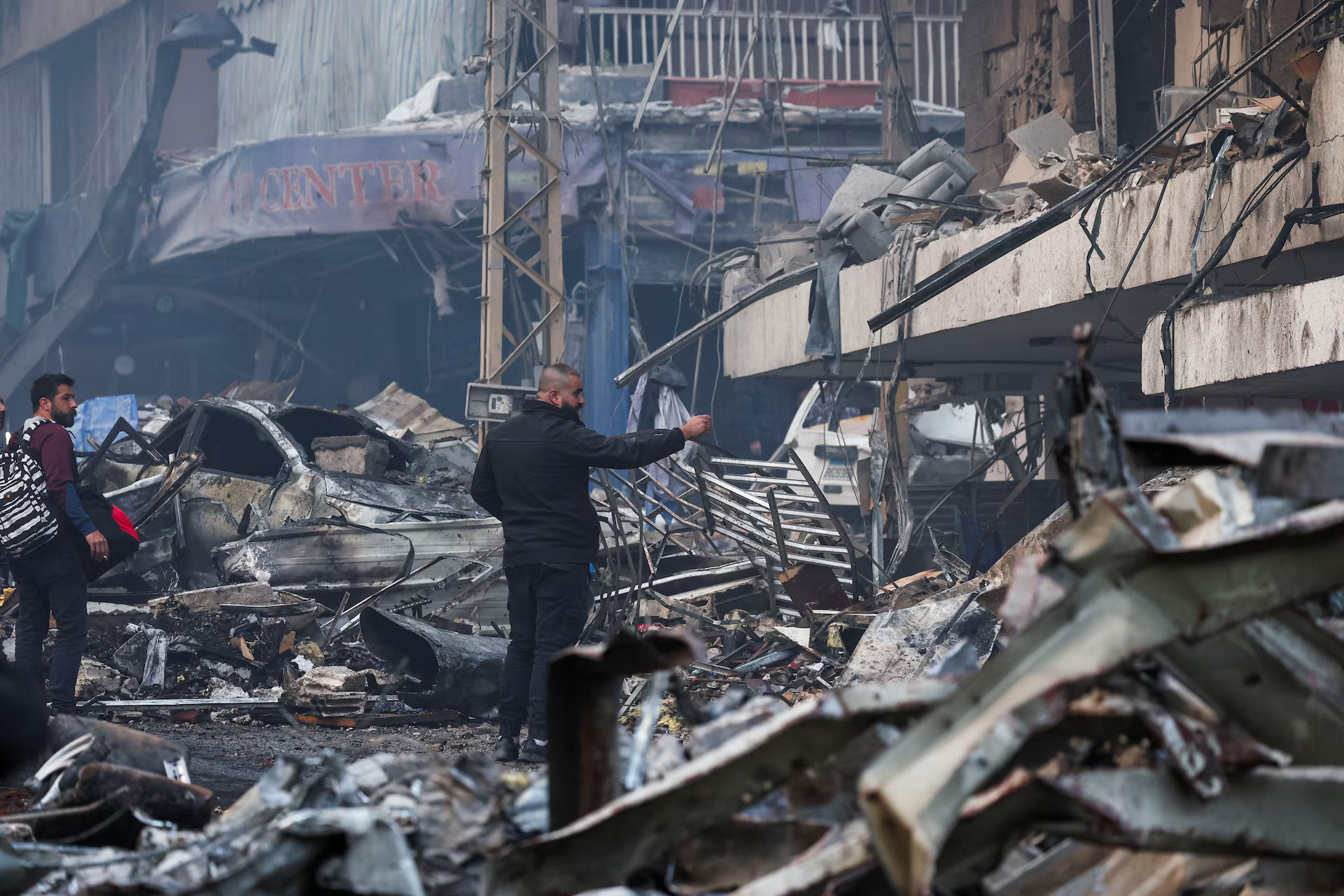
While much of the discussion focuses on strategy and diplomacy, the human and economic costs of the conflict cannot be overlooked.
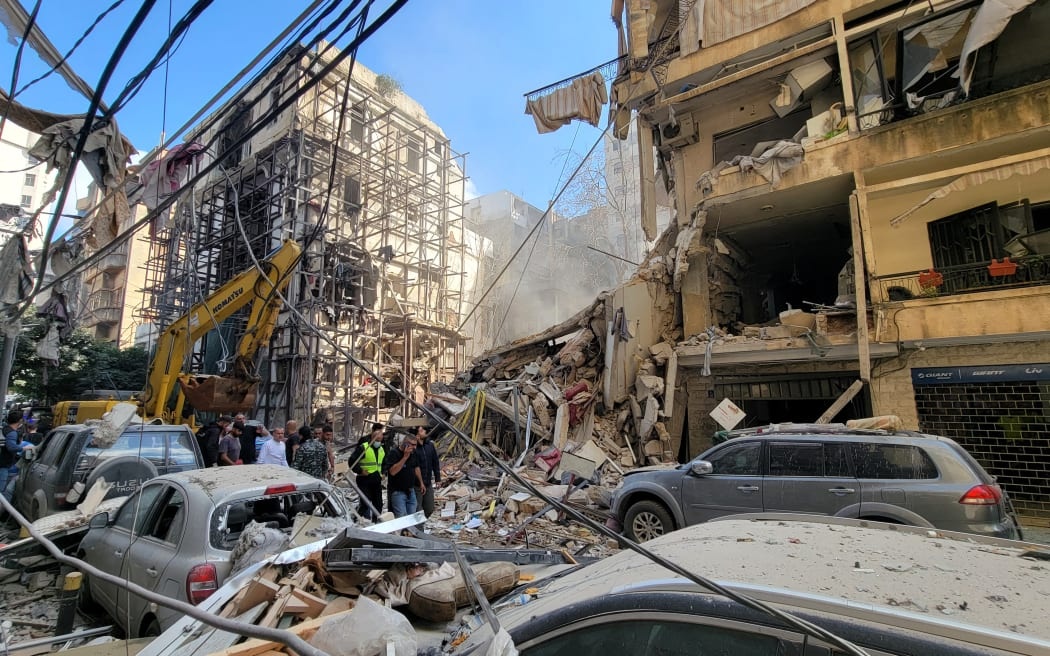
Wars of this scale disrupt lives, displace communities, and strain national economies. Infrastructure damage, resource allocation, and long term recovery efforts all add to the complexity of rebuilding after conflict.
Trump’s remark that it could take decades for Iran to rebuild reflects this reality. It is a reminder that even if the war ends soon, its consequences will be felt for years to come.
This is another reason why the prospect of a negotiated settlement is so significant. Ending the conflict sooner rather than later could mitigate further damage and open the door to recovery.
What Happens If Talks Fail Again
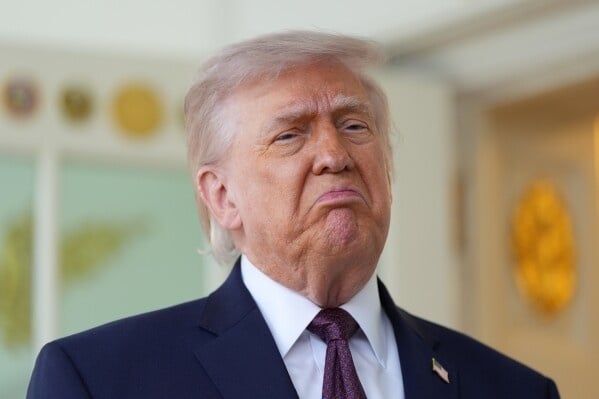
Despite the current optimism, there is still a possibility that renewed talks could fail. If that happens, the conflict could enter a new phase of escalation.
Ceasefires can break down quickly, especially if underlying issues remain unresolved. A return to active hostilities would not only impact the immediate region but could also have global implications.
Energy markets, international trade routes, and political alliances are all sensitive to developments in the Middle East. This makes the stakes of the negotiations even higher.
The coming days will be critical in determining whether diplomacy can succeed where previous efforts have struggled.
A Moment of Uncertainty With Global Implications
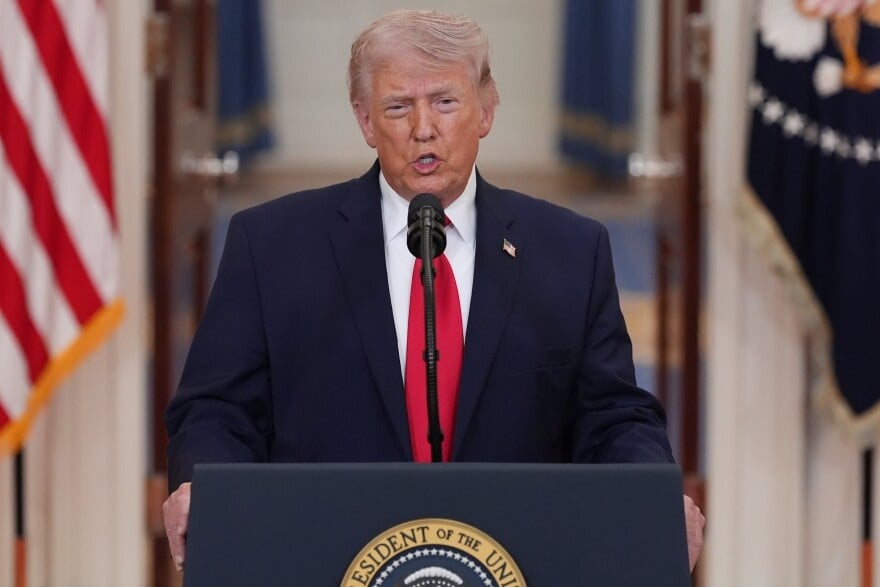
As the situation stands, the Iran war appears to be at a crossroads. On one side is the possibility of deescalation and eventual resolution. On the other is the risk of renewed conflict if negotiations falter.
Trump’s statement captures this moment of uncertainty. It reflects both progress and the acknowledgment that the outcome is not yet guaranteed.
For the global community, this is a reminder of how quickly geopolitical dynamics can shift. A single agreement or breakdown can change the trajectory of events.
Looking Ahead at What This Means for the Future
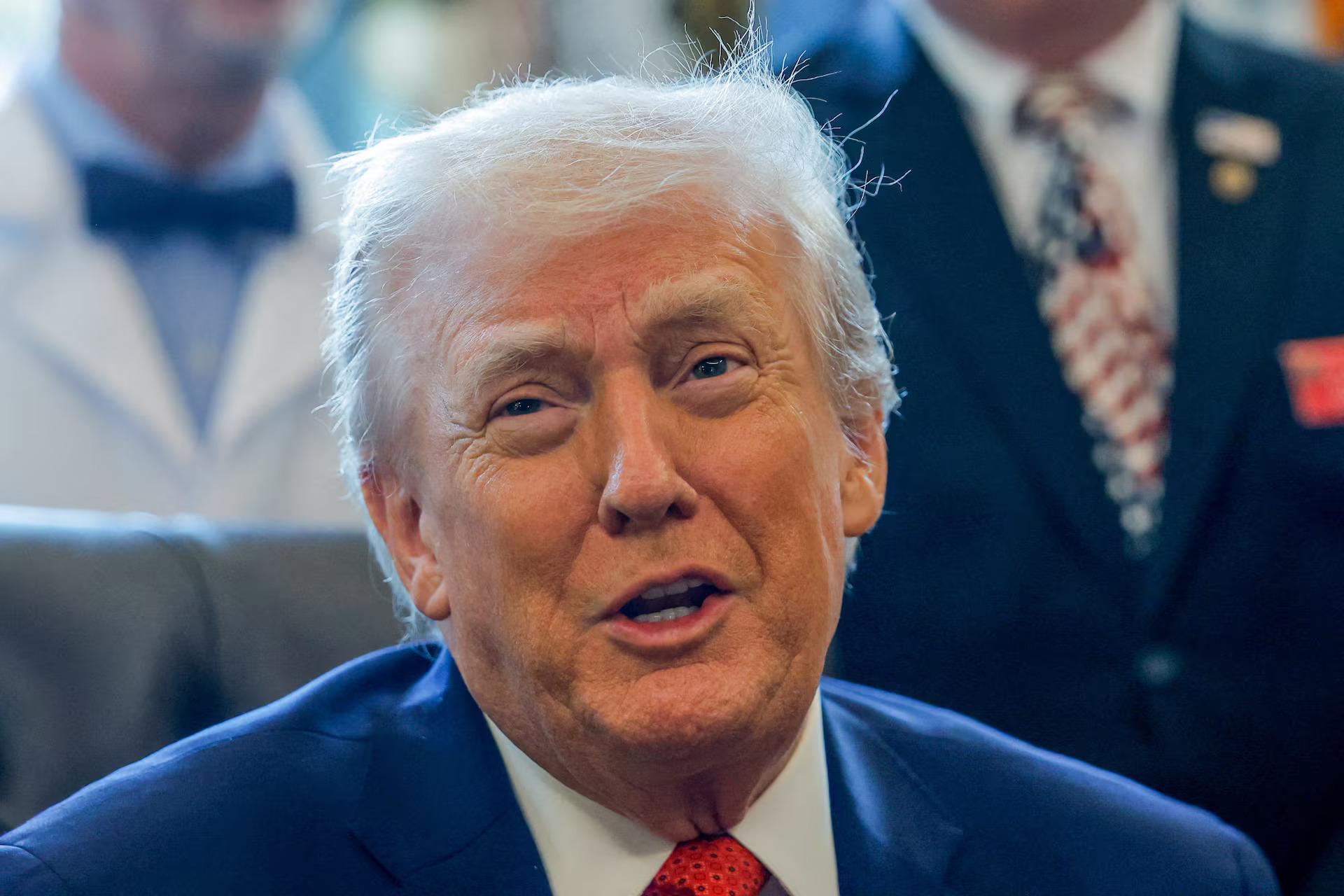
If the current ceasefire holds and negotiations lead to a lasting agreement, it could mark a significant turning point in Middle Eastern geopolitics. It would demonstrate that even deeply entrenched conflicts can move toward resolution through diplomacy.
At the same time, it would raise new questions. How sustainable is the peace? What concessions will be made? How will regional alliances shift in response?
If, however, the talks fail and the conflict resumes, it could reinforce existing tensions and prolong instability.
In either case, the events unfolding now will have long term implications. They will shape not only the immediate region but also the broader international landscape.
In the end, the phrase “close to over” may prove to be either a milestone or a momentary pause. The difference will depend on what happens next, in negotiation rooms, in political decisions, and on the ground where the consequences of those decisions are ultimately felt.