

Table of Contents
- Italy’s Decision Marks a Clear Diplomatic Break
- The Lebanon Incident Pushed Tensions Into the Open
- A Government Once Seen as Israel’s Friend Is Changing Tone
- Domestic Politics Are Now Driving Foreign Policy Choices
- The Trump Factor Is Complicating the Picture
- Rome Is Sending Multiple Signals at Once
- How Big Is Italy’s Defence Role With Israel
- Europe’s Mood Is Changing, and Italy Feels It
- The Meaning of This Moment for Meloni Herself
- What Happens Next May Matter More Than the Announcement
Italy’s Decision Marks a Clear Diplomatic Break
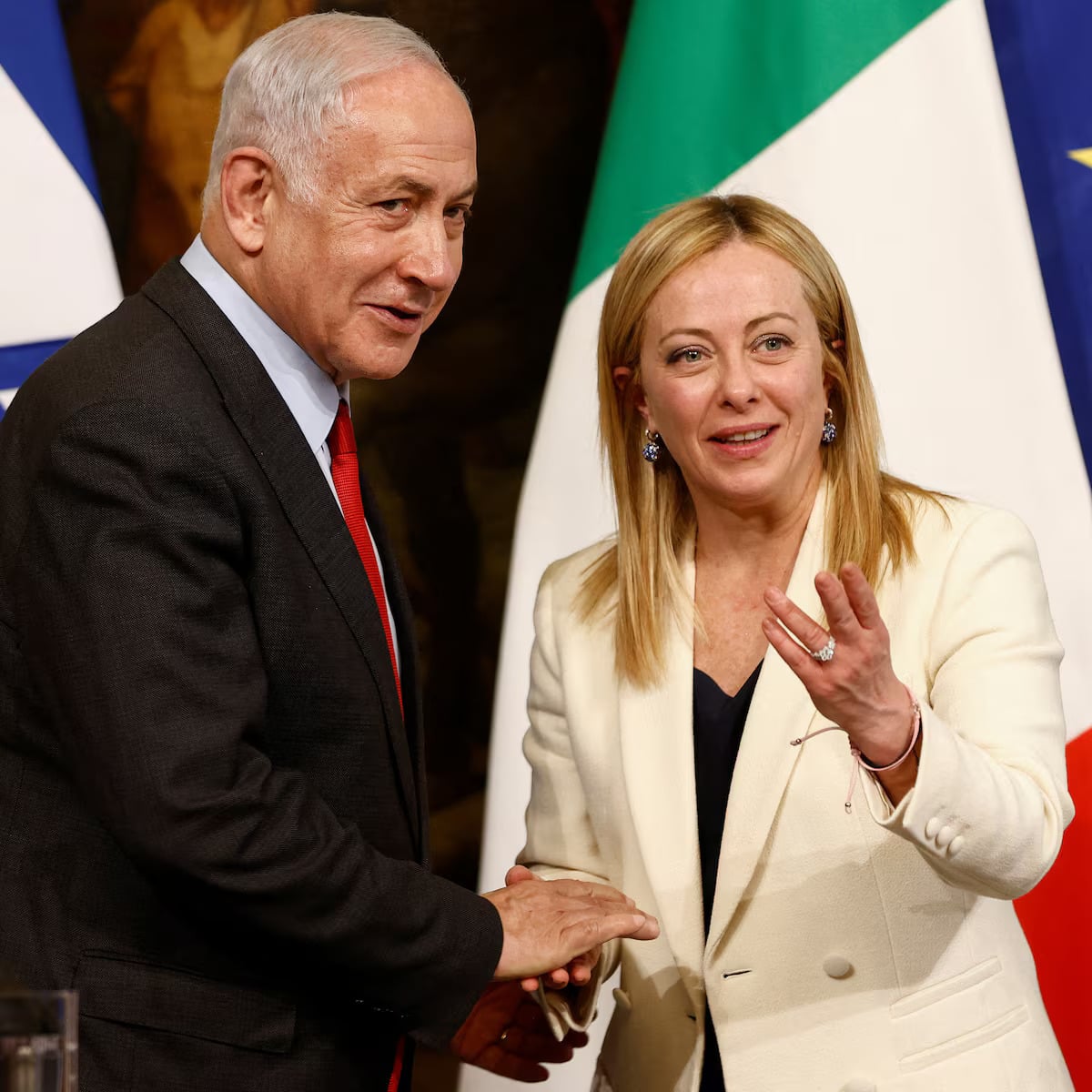
Meloni said her government had decided to suspend the automatic renewal of the defence agreement with Israel “in light of the current situation.” The wording was brief, but the meaning was unmistakable. Rome was no longer willing to let a long standing defence framework roll over quietly as if nothing had changed. According to Reuters, the decision concerned a memorandum signed in 2003, brought into force in 2006, and set to renew automatically every five years unless one side chose otherwise. It covers military procurement, training, and the import, export, and transit of defence and military equipment.
That matters because this was not some symbolic paper gathering dust in a ministry archive. The agreement formed part of the institutional architecture underpinning military cooperation between the two countries. Even if Israel’s foreign ministry later downplayed the practical importance of the pact, saying it had never contained substantive content, the suspension still carries diplomatic weight. In foreign policy, symbolism is often substance. When an ally publicly interrupts even an automatically renewing defence framework, it sends a message that the political relationship has entered more volatile territory.
The Lebanon Incident Pushed Tensions Into the Open

The deterioration did not happen in a vacuum. One of the clearest flashpoints came last week, when Italian officials reacted angrily after Israeli forces fired warning shots that struck an Italian convoy operating under the United Nations mission in Lebanon. Reuters reported that the incident damaged a vehicle but caused no injuries. Italy summoned the Israeli ambassador and demanded an explanation, while senior Italian leaders publicly condemned the episode.
That incident appears to have accelerated an already worsening relationship. Italy had already been voicing criticism of Israeli military actions in Lebanon, where the fighting has caused heavy casualties and widespread displacement, according to Reuters. After the convoy incident, the diplomatic conflict became harder to contain. A government that had previously tried to maintain a balancing act between alliance and criticism suddenly had a concrete, high profile grievance involving its own personnel. That changed the political temperature in Rome.
A Government Once Seen as Israel’s Friend Is Changing Tone

Meloni’s coalition has often been counted among Israel’s strongest friends in Europe. Reuters described her right wing government as one of Israel’s closest allies on the continent. That is precisely why this shift has attracted so much attention. A policy change from a long time critic would have been notable. A policy change from a partner that had offered consistent support feels much more consequential.
In recent weeks, Meloni has noticeably adjusted her rhetoric. Reuters reported that her government has criticized Israeli attacks in Lebanon and that political historians in Italy see the move as a repositioning. Lorenzo Castellani of Luiss University told Reuters that Meloni appears concerned that a sizeable portion of the electorate, including center right voters, may become increasingly hostile not only to Benjamin Netanyahu but also to Donald Trump and the wider economic effects of the regional war. That reading helps explain why this defence decision looks less like an isolated reaction and more like part of a broader recalibration.
Domestic Politics Are Now Driving Foreign Policy Choices
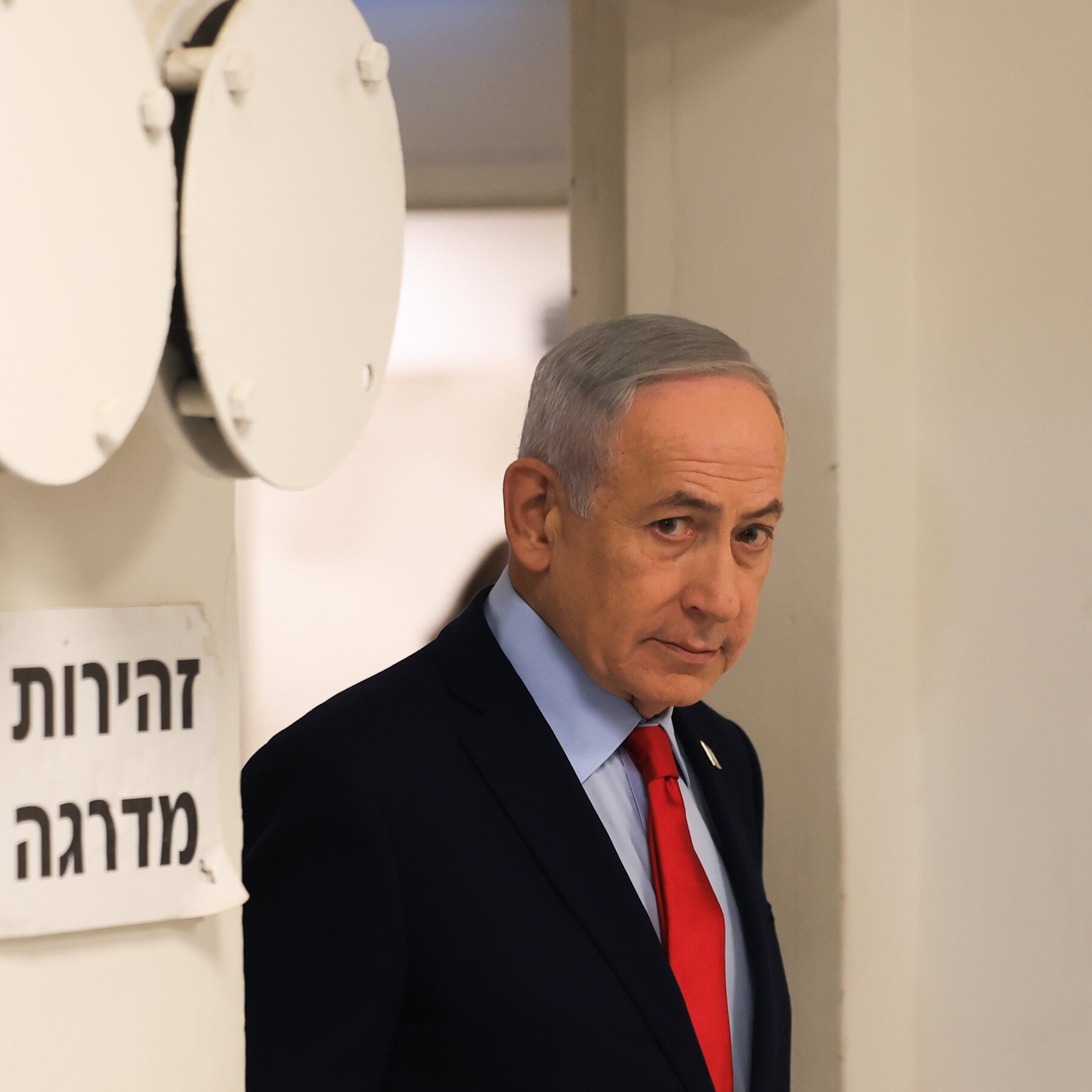
Foreign policy decisions are often framed as matters of principle or strategy, but electoral politics usually sit just beneath the surface. In this case, that surface is getting thinner. Reuters reported that Meloni’s government faces rising public concern in Italy over the regional war’s economic effects, especially as energy costs remain a sensitive issue. The same reporting also noted that opposition parties in Italy had long called for an end to the defence deal with Israel.
That means Meloni is navigating pressure from multiple directions at once. There is pressure from the opposition, pressure from an electorate unsettled by war and inflation, and pressure from within Europe, where several countries have already paused or restricted arms related ties with Israel during its military campaigns. Even if Meloni is not fully abandoning Israel, she appears to be trying to create political distance from the most controversial aspects of the conflict. The suspension of the pact gives her a visible way to show movement without announcing a total rupture.
The Trump Factor Is Complicating the Picture

Italy’s move cannot be understood only through the Italy Israel lens. It is also unfolding against a growing strain between Meloni and Trump. Reuters reported that Trump, once openly enthusiastic about Meloni, sharply criticized her after she distanced herself from him over the Iran war and condemned his attacks on Pope Leo. In comments reported by Corriere della Sera and cited by Reuters, Trump said he was “shocked” by her and accused her of lacking courage.
This matters because Meloni had once seemed uniquely well placed among European leaders to maintain a productive rapport with Trump. Reuters noted that she was the only European leader to attend his inauguration in 2025 and that he had praised her as a great leader just a month earlier. But international alignments can change quickly when domestic costs rise. As Trump becomes more polarizing and the Middle East wars impose fresh economic and political strain, association with him may no longer look like an asset for Meloni at home.
Rome Is Sending Multiple Signals at Once
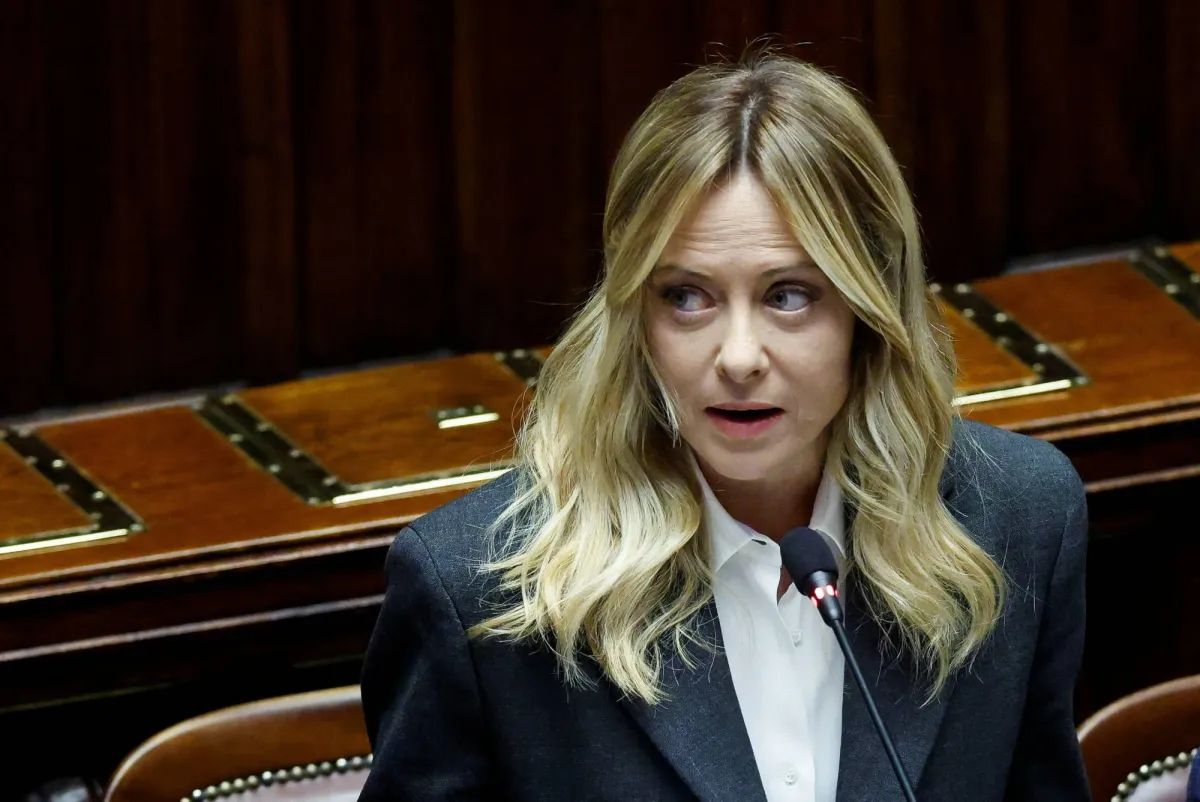
One of the most revealing aspects of the story is that Italy is not making a single clean break. Instead, it is sending several carefully calibrated signals. Reuters reported that Meloni refused to allow U.S. fighters to use an airbase in Sicily for combat operations in Iran last month. Now she has suspended the renewal of the defence agreement with Israel. At the same time, Italian officials including Foreign Minister Antonio Tajani have stressed that Italy remains a loyal ally of the United States, but one built on respect and frankness.
That combination suggests Meloni is trying to preserve strategic flexibility. She is not turning Italy into an anti American or anti Israeli power. Rather, she appears to be drawing boundaries around what Rome is willing to endorse publicly and operationally. In that sense, the pact suspension is both concrete and political. It changes the formal status of a defence framework, but it also tells voters and foreign capitals alike that Italy is no longer prepared to absorb every consequence of its alliances in silence.
How Big Is Italy’s Defence Role With Israel
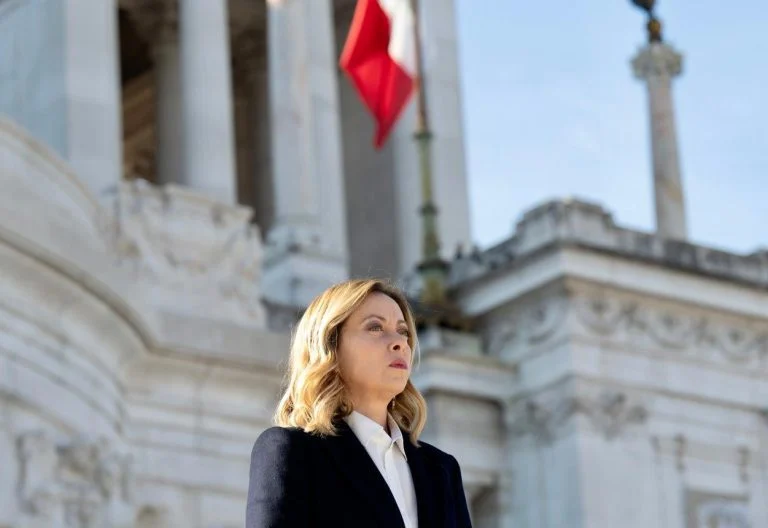
The exact practical impact of the suspension is still being assessed. Reuters reported that Israel’s foreign ministry argued the memorandum never contained substantive content and would not affect Israeli security. Other reporting indicated that one likely consequence could be reduced cooperation in military training. What is already clear is that Italy has not been Israel’s main defence supplier. SIPRI’s most recent figures show that the United States and Germany were the two leading suppliers of major arms to Israel during 2021 to 2025.
That means the move may not immediately transform Israel’s military posture. But diplomatic value should not be underestimated. Even where the direct material effect is limited, a rupture in defence cooperation with a major European country contributes to Israel’s growing political isolation in parts of Europe. It also reinforces the sense that support once treated as durable is becoming more conditional. In international politics, the loss of unquestioned backing can matter almost as much as the loss of equipment itself.
Europe’s Mood Is Changing, and Italy Feels It
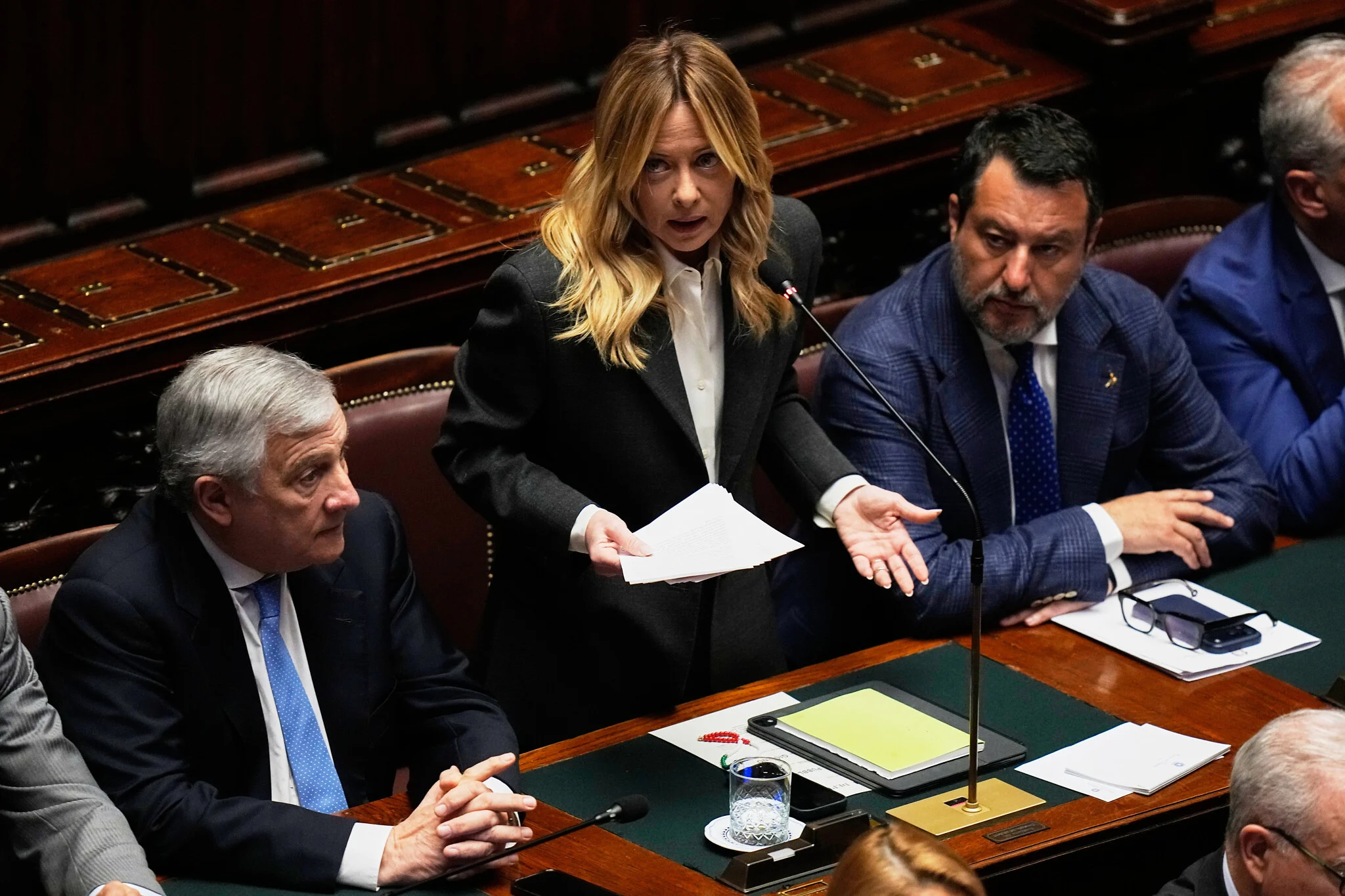
Across Europe, the political atmosphere around Israel’s wars has become more tense, more fragmented, and more openly critical. Reuters noted that several European countries have paused or restricted arms exports to Israel during its military action in Gaza. Italy had resisted joining that trend for quite some time. That resistance now appears weaker than it did a few months ago.
For Meloni, this creates a difficult balancing act. She leads a conservative coalition that has often emphasized Atlanticism and strong ties with Western allies. But she also governs in a country where public opinion is shifting and where Middle East conflicts increasingly intersect with domestic anxieties about fuel prices, diplomatic overreach, and national sovereignty. Her latest move can be read as an attempt to reposition Italy without fully redefining it. She is not joining the most aggressive anti Israel camp in Europe, but she is no longer willing to appear indifferent either.
The Meaning of This Moment for Meloni Herself

There is also a personal political dimension to all of this. Reuters described the defence pact suspension as another realignment for Meloni, coming just after she criticized Trump over his attacks on Pope Leo. The message is hard to miss. Meloni, who once seemed comfortable presenting herself as a conservative leader able to bridge Europe and Trump’s America, is now being pulled into a more defensive posture, one shaped by domestic constraints and international blowback.
Whether this helps her politically is another question. It may allow her to recover some voters who see her as too close to Washington or too reluctant to criticize Israeli military action. But it could also expose her to criticism from those who believe she is drifting opportunistically rather than leading consistently. The pact suspension is therefore not only a foreign policy move. It is also a test of how much room Meloni still has to maneuver between ideology, alliance politics, and electoral survival.
What Happens Next May Matter More Than the Announcement
For now, even Italy’s own defence officials appear to be studying the legal and practical consequences of the decision. That uncertainty is important. Headlines can make such moves sound immediate and sweeping, but foreign policy often changes through slow administrative steps rather than dramatic overnight reversals. The suspension of automatic renewal is a real development, yet its full meaning will depend on how Rome translates it into operational policy in the months ahead.
Still, the signal has already been sent. Italy has chosen to mark distance at a moment when many allies are under pressure to show where they stand. That alone gives the move outsized significance. In diplomacy, actions are read not only for what they do today, but for what they suggest about tomorrow. And what Italy’s decision suggests is that old assumptions about European unity behind Israel, about Meloni’s alignment with Trump, and about the durability of certain alliances are no longer as solid as they once seemed.
In the end, this is why the suspension of a defence agreement matters so much. It is not simply about a memorandum first signed in 2003. It is about how war reshapes alliances, how domestic politics redraw foreign policy, and how even governments known for loyalty can decide that the political cost of standing still has become too high. Italy has not severed ties with Israel, and it has not walked away from the West. But it has taken a step that would have been hard to imagine not long ago. Whether that step proves symbolic or transformative, it marks a visible crack in a relationship once treated as stable. And in a Europe increasingly defined by recalculation, cracks like that can widen fast.