
Table of Contents
- A Deportation That Reflects a Larger Pattern
- The Belarus Route and Its Strategic Importance
- The Role of Smuggling Networks
- The High Cost of a Dangerous Journey
- Harsh Conditions and Broken Promises
- Poland’s Firm Approach to Border Control
- A Geopolitical Dimension Beyond Migration
- Voices From the Deportees
- The Broader Migration Challenge in Europe
- What Happens Next for Migrants and Policy
- A Story That Reflects a Global Reality
A Deportation That Reflects a Larger Pattern
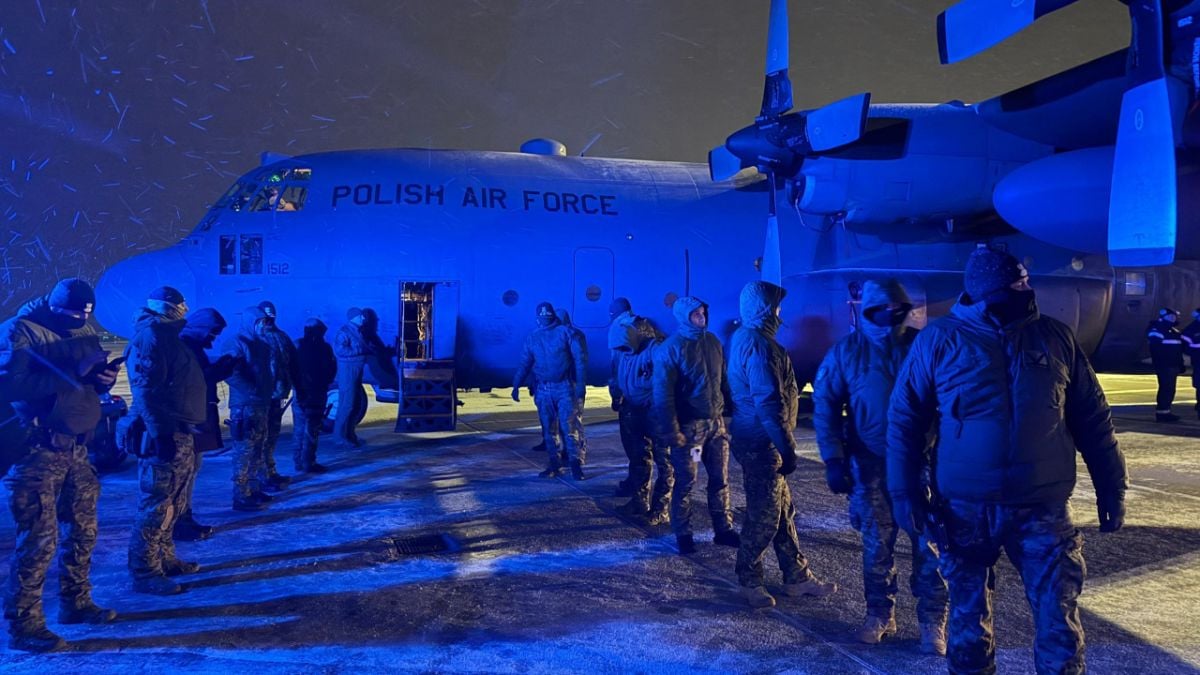
Polish authorities confirmed that the 25 Pakistani nationals were deported after being found in violation of immigration laws. The deportations were carried out through established legal administrative procedures, and the individuals were returned by air to Pakistan.
On the surface, this may appear to be a routine enforcement action. However, it reflects a much broader pattern that has been unfolding along Poland’s eastern border. Over the past few years, this region has become a focal point for irregular migration into the European Union, with increasing numbers of people attempting to cross into Poland through Belarus.
For Poland, these deportations are part of a larger strategy to maintain strict border control. For the migrants, they represent the end of a journey that often begins with hope but ends in hardship.
The Belarus Route and Its Strategic Importance
The route taken by many of the deported individuals is not accidental. Belarus has emerged as a key transit point for migrants attempting to enter the European Union through Poland and other neighboring countries.
European officials have repeatedly accused Belarus of facilitating these migration flows, describing them as part of a broader geopolitical strategy to exert pressure on the European Union. This has transformed what might otherwise be a migration issue into a political and strategic challenge.
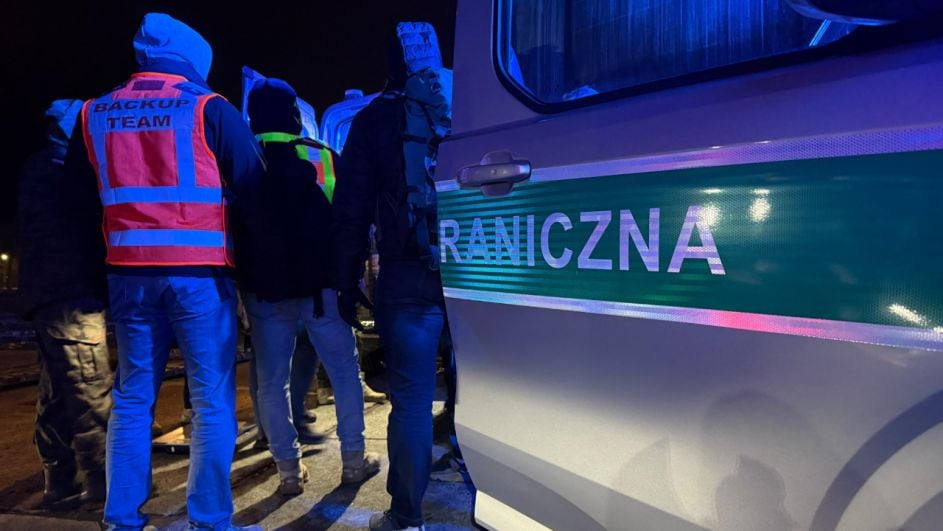
Poland, situated at the frontline of this situation, has responded by reinforcing its border. This includes physical barriers such as fencing, as well as advanced surveillance systems and rapid response units designed to intercept crossings.
The Belarus route is therefore not just a path through forests and remote terrain. It is a contested space where migration, politics, and security intersect.
The Role of Smuggling Networks
Behind many of these journeys are organized smuggling networks that operate across multiple countries. The deported Pakistanis provided accounts that shed light on how these networks function.
Some individuals reported traveling through Russia before entering Belarus, where they were then guided toward Poland’s eastern border. Others entered Belarus directly, often under the direction of agents who promised easy access into the European Union.
These facilitators play a central role in the migration process. They organize transportation, provide instructions, and sometimes even coordinate movements through specific border areas. However, their promises often do not match reality.
Migrants described being led through dense forests and remote landscapes, frequently at night, with little preparation for the physical and environmental challenges they would face. Many were left stranded once authorities intervened, with no support from the agents who had arranged their journey.
The High Cost of a Dangerous Journey
One of the most striking aspects of these accounts is the financial burden placed on migrants. Many of the deportees said they paid between Rs4.5 million and Rs50 million to smugglers.
For most families, this is not a small amount. It often involves taking out loans, selling property, or pooling resources from extended family members. The decision to migrate, therefore, carries significant financial risk even before the journey begins.
This economic dimension adds another layer to the story. Migration is not just driven by opportunity, but by pressure, expectation, and sometimes desperation. When individuals invest such large sums, the stakes become extremely high.
Yet the reality they encounter often falls far short of what they were promised. Instead of smooth entry into Europe, they face uncertainty, danger, and ultimately deportation.
Harsh Conditions and Broken Promises

The journey itself is often far more difficult than migrants expect. Deportees described harsh conditions, including exposure to cold weather, lack of food, and the physical strain of moving through difficult terrain.
Many said they had been misled by agents who assured them that crossing into Europe would be straightforward. In reality, the process is anything but simple. Border controls are strict, surveillance is extensive, and the risks are significant.
Once intercepted by authorities, migrants often find themselves in legal processes that lead to detention and eventual deportation. At that point, the journey ends not with a new beginning, but with a return to where they started, often carrying financial and emotional burdens.
These experiences highlight a key issue. The gap between expectation and reality is one of the most dangerous aspects of irregular migration.
Poland’s Firm Approach to Border Control
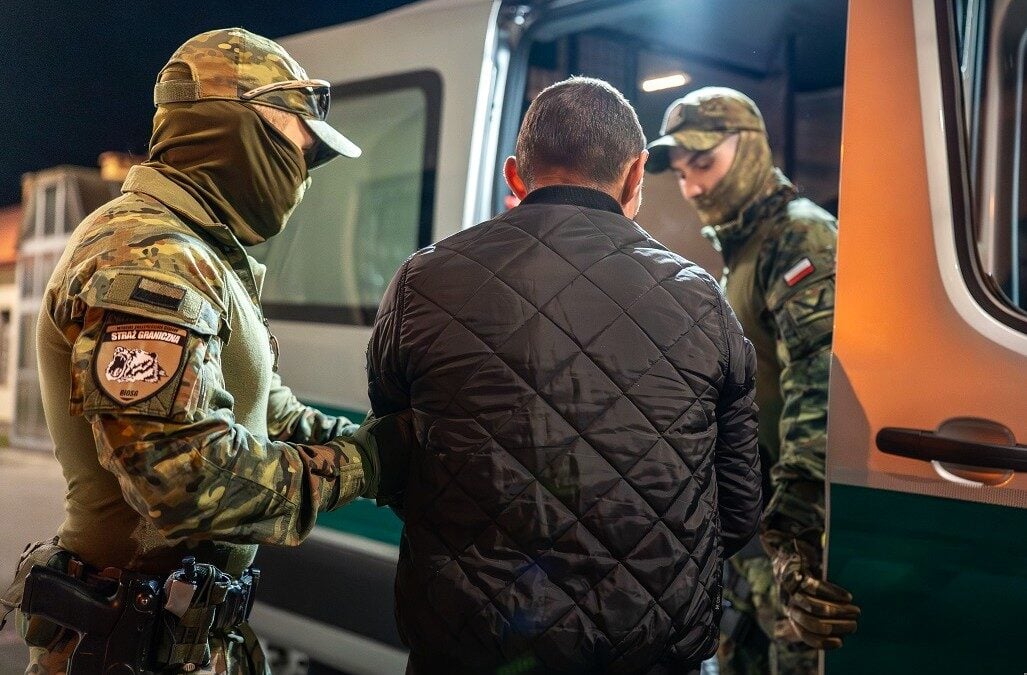
Poland has taken one of the strictest positions within the European Union when it comes to border enforcement. Authorities argue that strong measures are necessary to maintain security and stability in the region.
This includes not only physical infrastructure but also legal frameworks that allow for the deportation of individuals who enter the country illegally. Officials emphasize that these actions are conducted in accordance with established laws.
From Poland’s perspective, controlling its borders is not optional. It is a responsibility tied to both national security and its role within the European Union.
At the same time, this approach has sparked debate. Some argue that stricter enforcement is necessary to deter irregular migration, while others raise concerns about humanitarian considerations.
A Geopolitical Dimension Beyond Migration

What makes this situation particularly complex is the role of geopolitics. European officials have accused Belarus of enabling migrant flows as a form of pressure against the European Union.
This adds a strategic layer to what might otherwise be viewed as a humanitarian issue. Migration becomes not only a movement of people but also a tool within broader political dynamics.
For Poland, this means that managing its border is not just about immigration policy. It is also about responding to what it sees as coordinated actions from outside its borders.
This perspective influences how the country approaches enforcement, cooperation with other EU members, and its overall strategy in dealing with migration flows.
Voices From the Deportees
Perhaps the most powerful part of this story comes from the migrants themselves. Many of the deportees have spoken about their experiences, offering warnings to others who might consider similar journeys.
They described how agents exploit vulnerable individuals, using promises that do not reflect reality. They spoke about the dangers they faced and the disappointment of being unable to reach their intended destination.
Their accounts serve as a reminder that behind every statistic is a human story. Each deportation represents not just a policy outcome, but a personal experience shaped by hope, risk, and consequence.
These voices also highlight the need for better awareness. Understanding the realities of these routes may help prevent others from making the same decisions based on misinformation.
The Broader Migration Challenge in Europe
The situation at Poland’s border is part of a wider challenge facing Europe. Migration pressures continue to evolve, influenced by economic conditions, conflicts, and global inequalities.
Countries within the European Union must balance multiple priorities. These include maintaining border security, upholding legal frameworks, and addressing humanitarian concerns.
The Belarus route is just one example of how migration pathways can shift in response to policy changes and geopolitical factors. As enforcement increases in one area, new routes often emerge elsewhere.
This dynamic nature makes migration a constantly changing issue, requiring ongoing adaptation and cooperation between countries.
What Happens Next for Migrants and Policy
For the individuals who were deported, the immediate future involves returning to Pakistan and facing the consequences of their journey. This may include financial strain, social pressure, and the challenge of rebuilding after a failed attempt.
For policymakers, the situation raises important questions. How can migration be managed effectively while addressing the root causes that drive people to take such risks? How can smuggling networks be disrupted without increasing harm to those they exploit?
These are not easy questions to answer. They require coordinated efforts across countries, as well as a deeper understanding of the factors that influence migration decisions.
A Story That Reflects a Global Reality
In the end, the deportation of 25 Pakistani nationals is more than a single news event. It reflects a global reality where migration, economics, and politics intersect in complex ways.
It shows how individual decisions are shaped by larger systems, and how those systems can both enable and constrain movement. It highlights the risks of misinformation and the impact of organized networks that operate across borders.
Most importantly, it reminds us that migration is not just about movement. It is about people, choices, and the consequences that follow.
As Europe continues to navigate these challenges, the events at Poland’s border will likely remain part of a larger conversation about how countries respond to migration in an increasingly interconnected world.