
Table of Contents
- A Sudden Shift in Narrative
- The Ceasefire Extension and Its Implications
- Conflicting Messages from Washington
- The Reality Inside Iran
- The Collapse of Recent Talks
- Strategic Pressure Points in the Region
- Trust, or the Lack of It
- The Role of Regional Actors
- What This Means for Global Stability
- A Fragile Path Forward
- The Broader Reflection
A Sudden Shift in Narrative
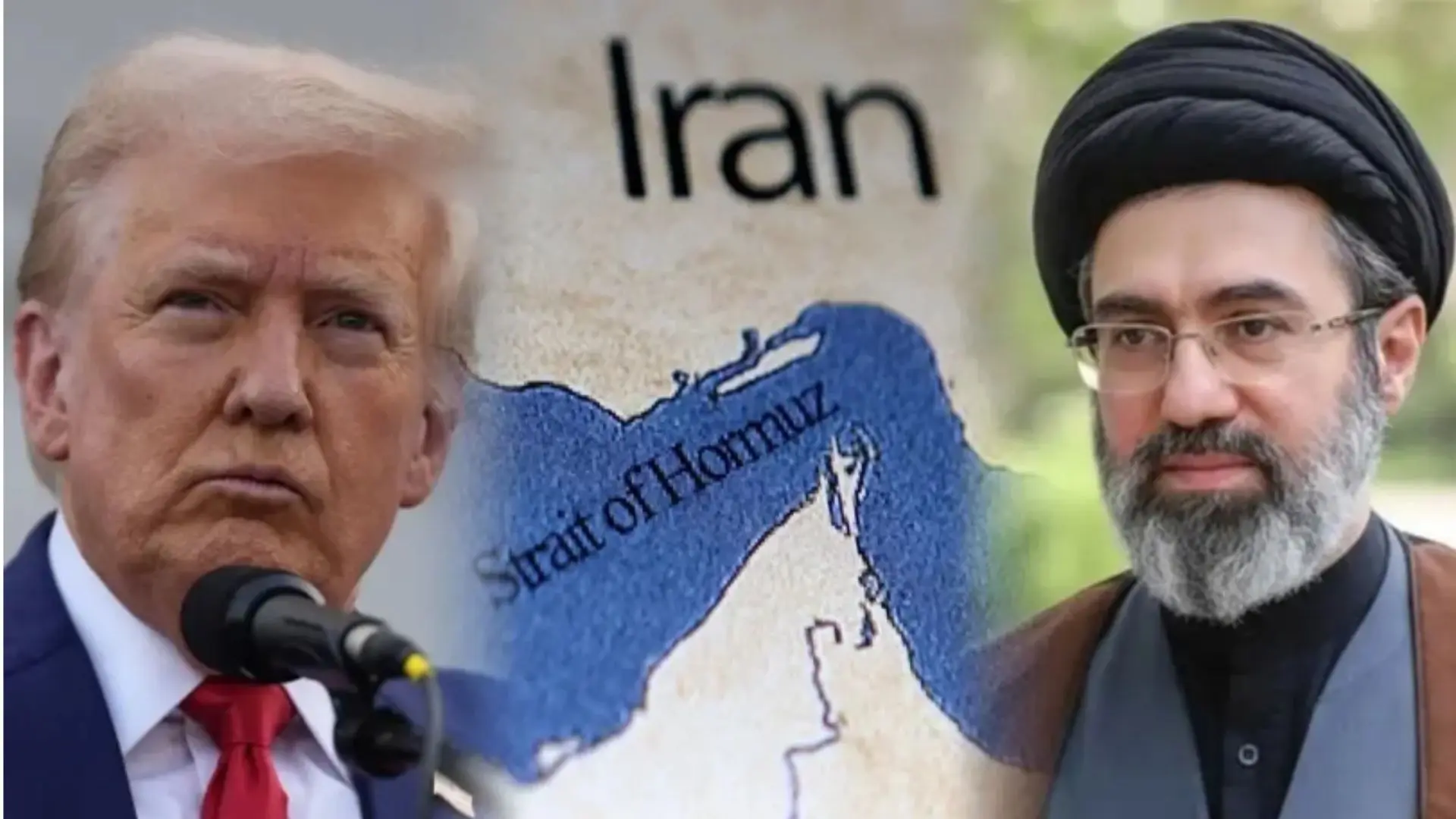
For weeks, Trump had been signaling cautious optimism about dealing with new figures within Iran’s leadership. Following military strikes involving the United States and Israel, several senior Iranian officials were killed, creating what Trump described as a “new regime” that was more open to negotiation. He repeatedly framed this shift as an opportunity, suggesting that the individuals now influencing Tehran’s decisions were more pragmatic and willing to engage with Washington.
Yet, in a dramatic turn, Trump publicly stated that the Iranian government was now “seriously fractured.” This change in language was not subtle. It marked a pivot from cautious trust to skepticism, raising immediate questions about whether the earlier optimism had been premature or strategic.
The Ceasefire Extension and Its Implications
The decision to extend the ceasefire came just one day before it was set to expire. According to Trump, the move was influenced by requests from Pakistan’s leadership, including Field Marshal Asim Munir and Prime Minister Shehbaz Sharif. The rationale was clear: give Iran more time to stabilize internally and present a unified negotiating position.
On the surface, extending a ceasefire appears to be a step toward de-escalation. But the reasoning behind it reveals deeper uncertainty. If Iran’s leadership is indeed fractured, then any agreement reached could lack durability. A divided government may struggle to commit to or enforce long-term diplomatic solutions.
This creates a paradox. The ceasefire is meant to reduce tension, yet it is being extended because the situation remains unstable. Instead of signaling progress, it underscores how fragile the diplomatic process has become.
Conflicting Messages from Washington
One of the most striking elements of this development is the inconsistency in messaging. Within the same day, Trump described Iranian leaders as both “much more rational” and part of a fractured system. This dual narrative complicates the perception of U.S. policy.
In earlier interviews, Trump emphasized that the new leadership in Tehran was easier to work with compared to the previous regime. He even suggested that a form of regime change had already occurred, despite previously distancing himself from that goal. These statements painted a picture of momentum toward resolution.
The sudden shift to describing the government as fractured disrupts that narrative. It suggests that either new intelligence has emerged or that earlier assessments were overly optimistic. For observers and allies alike, this inconsistency raises concerns about the clarity and direction of U.S. foreign policy.
The Reality Inside Iran
Understanding this situation requires looking beyond Washington’s statements and considering conditions within Iran itself. The recent military strikes created a leadership vacuum, removing key figures who had long shaped Iran’s political and military strategies.
In such circumstances, fragmentation is not unexpected. Power struggles, competing factions, and uncertainty about succession often follow sudden leadership changes. While this can open doors for reform or negotiation, it can also lead to instability and unpredictability.
Iranian officials have pushed back against external narratives, emphasizing their sovereignty and the need to protect national interests. Statements from government representatives indicate that any return to negotiations will depend on conditions that align with those interests. This highlights a fundamental challenge: both sides may be operating with very different expectations.
The Collapse of Recent Talks
Adding to the complexity is the failure of recent diplomatic efforts in Islamabad. Talks aimed at restarting negotiations broke down, reinforcing the sense that progress remains elusive. The collapse of these discussions demonstrates how fragile the process is, especially when trust between parties is limited.
Diplomacy often relies on consistent communication and mutual confidence. When talks fail, it not only delays potential agreements but also deepens skepticism. Each failed attempt makes future negotiations more difficult, as both sides become more cautious and less willing to compromise.
Strategic Pressure Points in the Region
The Strait of Hormuz remains one of the most critical pressure points in this situation. As a key route for global oil shipments, any disruption in this area has immediate economic consequences worldwide. Tensions in the region have persisted despite the ceasefire, indicating that underlying conflicts have not been resolved.
Iranian leaders have made it clear that reopening or maintaining stability in the strait is tied to broader geopolitical conditions. They have linked it to issues such as sanctions, military presence, and actions by other regional players. This interconnectedness makes it difficult to isolate any single issue in negotiations.
Trust, or the Lack of It
Perhaps the most significant challenge in this entire situation is trust. Trump previously stated that he believed he could trust Iranian leaders, suggesting that a resolution could come quickly. However, trust in international relations is rarely straightforward.
When statements shift rapidly, it can erode confidence on all sides. Allies may question the reliability of U.S. commitments, while Iran may become more cautious about engaging in talks. Trust is not built through declarations alone; it requires consistent actions over time.
The current situation reflects this tension. While there are moments of optimism, they are often followed by setbacks or contradictory signals. This cycle makes it difficult to establish the stable foundation needed for meaningful agreements.
The Role of Regional Actors
Countries like Pakistan have played a role in mediating or influencing the situation. By requesting the extension of the ceasefire, Pakistan positioned itself as a stabilizing force, seeking to prevent further escalation.
Regional actors often have their own interests in such conflicts. Stability benefits trade, security, and political relationships. At the same time, their involvement can complicate negotiations, as additional perspectives and priorities must be considered.
This highlights the complexity of modern diplomacy. It is no longer just a bilateral issue between the United States and Iran. Multiple countries, each with their own agendas, are involved in shaping the outcome.
What This Means for Global Stability
The implications of this situation extend far beyond the immediate region. Energy markets, international trade, and global security are all influenced by developments in the Middle East. A prolonged period of uncertainty can lead to volatility in these areas.
Investors and governments alike watch these developments closely. Even small changes in rhetoric or policy can have ripple effects across the global economy. The extension of the ceasefire may provide temporary relief, but it does not eliminate the underlying risks.
A Fragile Path Forward
Looking ahead, the path to resolution remains uncertain. The extension of the ceasefire buys time, but it does not guarantee progress. For meaningful negotiations to occur, several conditions must be met: a stable and unified Iranian leadership, consistent messaging from the United States, and a willingness from both sides to engage constructively.
Each of these factors is currently in question. Iran’s internal dynamics are unclear, U.S. messaging has been inconsistent, and recent talks have failed to produce results. Despite these challenges, diplomacy remains the most viable path forward.
The Broader Reflection
This situation serves as a reminder of how complex international conflicts can be. It is not simply a matter of agreements or disagreements. It involves shifting power structures, competing interests, and the unpredictable nature of human decision-making.
The contrast between Trump’s earlier optimism and his latest assessment encapsulates this complexity. It shows how quickly narratives can change and how fragile progress can be. While there is still hope for resolution, it is clear that the road ahead will not be straightforward.
In the end, the extension of the ceasefire is less a sign of victory and more a pause in an ongoing struggle. It reflects both the potential for diplomacy and the challenges that come with it. As the world watches, the question remains whether this pause will lead to progress or simply delay the next phase of tension.