
Table of Contents
- The Discovery That Could Revolutionize Spinal Cord Injury Treatment
- How the Brain-Spinal Implant Works
- Fast Recovery: A Leap Forward in Treatment
- A Global Impact: Addressing the Spinal Cord Injury Epidemic
- Challenges and Limitations: Overcoming Regulatory Hurdles
- Comparing the Chinese Approach to Neuralink’s Brain-Computer Interface
- The Future of Neurotechnology: A Paradigm Shift in Treatment
- A New Era for Spinal Cord Injury Treatment
The Discovery That Could Revolutionize Spinal Cord Injury Treatment
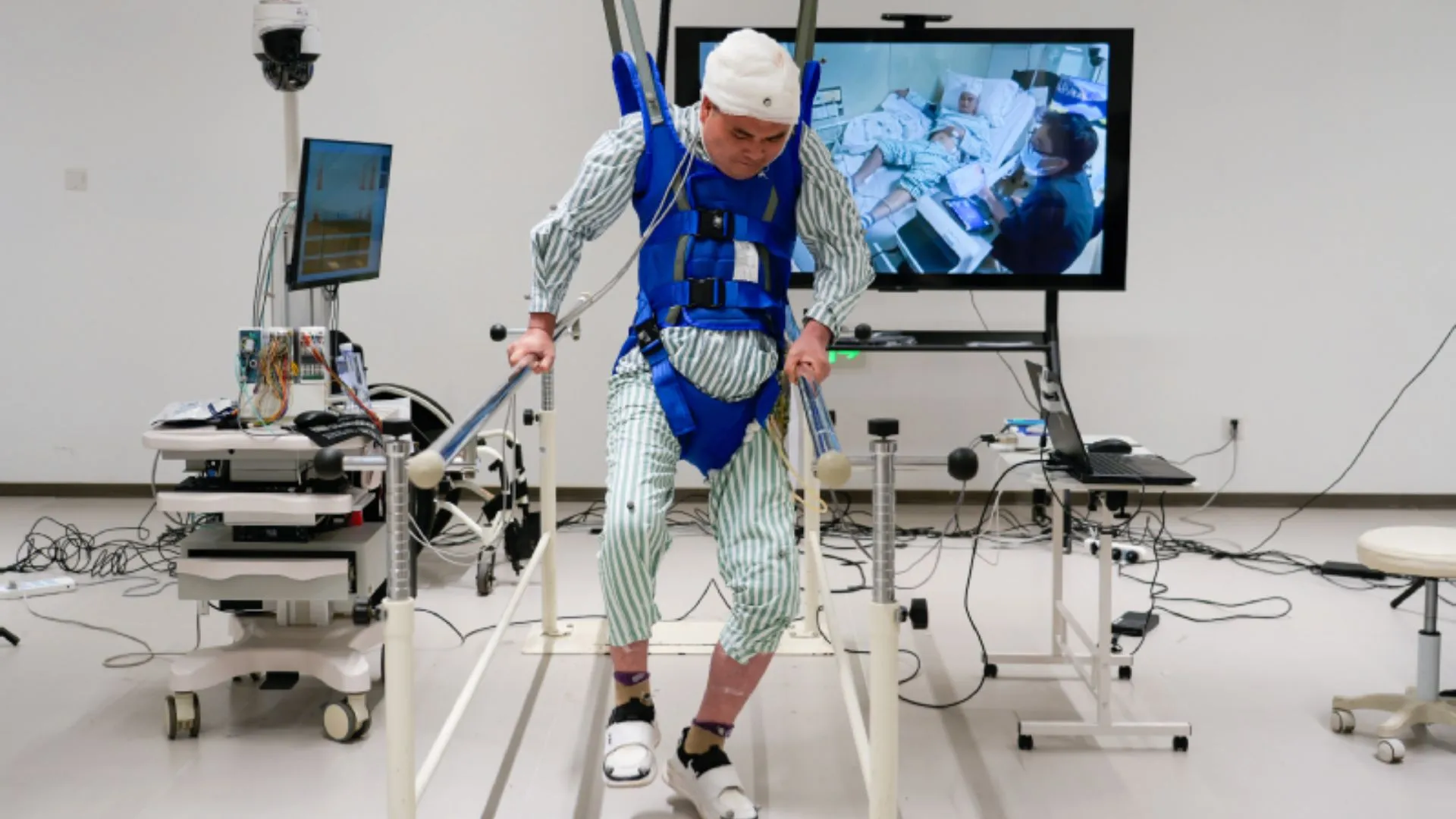
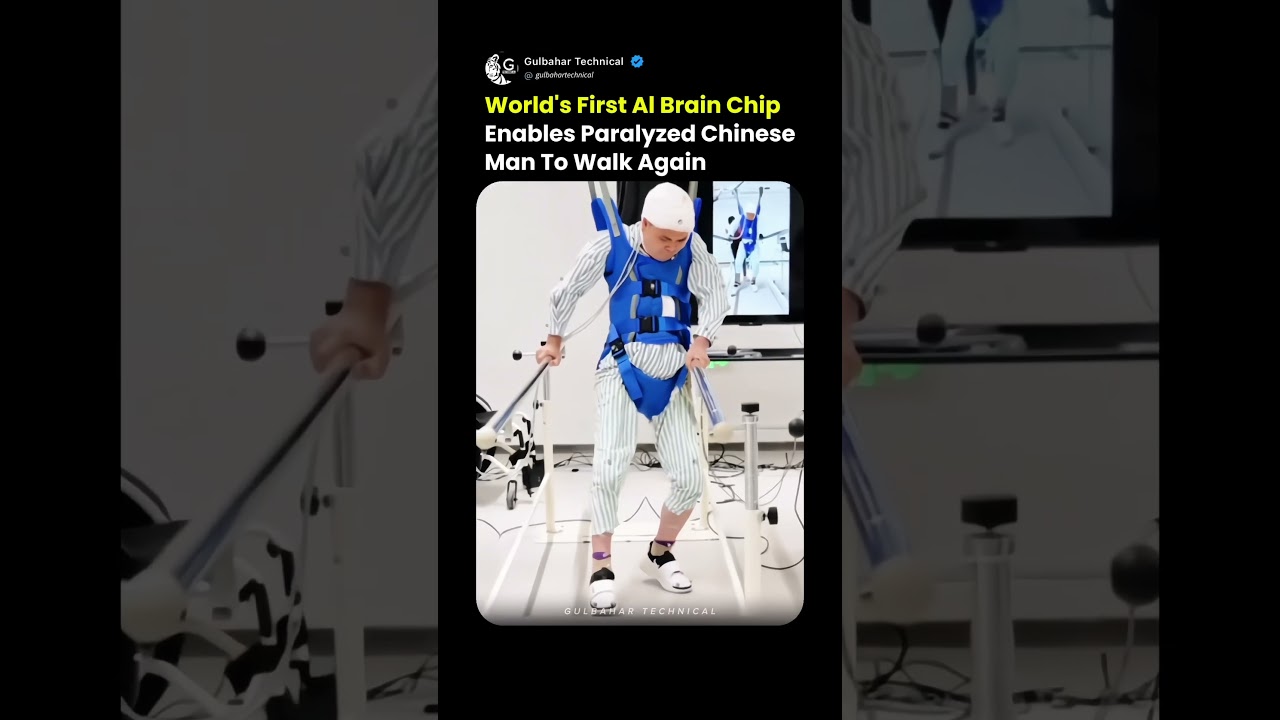
For decades, paralysis caused by spinal cord injuries was considered irreversible, with little hope of regaining lost mobility. Even advanced brain-computer interfaces (BCIs) like Elon Musk’s Neuralink assumed that paralyzed limbs were beyond saving. However, a recent clinical trial conducted by Fudan University has completely changed this perception. In this trial, four patients who were previously paralyzed were able to regain control of their legs just hours after undergoing minimally invasive surgery.
The procedure involved implanting electrode chips in both the brain and spinal cord, reestablishing communication pathways that had been severed by the injury. The results were nothing short of astonishing. Within just 24 hours, the patients could move their legs, and within weeks, some were walking independently. This groundbreaking achievement opens the door to new possibilities in the treatment of spinal cord injuries and offers hope to millions of people affected by paralysis.
How the Brain-Spinal Implant Works
Unlike traditional BCIs, which rely on external computers to control movement, the brain-spinal interface developed at Fudan University works by directly stimulating the dormant nerves in the spinal cord. This process, known as “neural remodeling,” allows the nervous system to rewire itself, potentially eliminating the need for lifelong assistive devices such as wheelchairs.
The procedure involves implanting two tiny electrode chips—each approximately 1mm in diameter—into the motor cortex of the brain. These chips collect and decode neural signals from the brain and send precise electrical stimulation to the spinal nerve roots. This direct communication link between the brain and paralyzed muscles enables patients to regain voluntary movement, effectively bypassing the injury and allowing the brain to control the muscles once again.
Fast Recovery: A Leap Forward in Treatment
One of the most remarkable aspects of this treatment is the speed at which patients recover. Previous research on neural remodeling, including studies conducted in Switzerland, showed similar results but only after six months of rehabilitation. In contrast, the Chinese approach has drastically reduced this recovery timeline to just two weeks. Within days of surgery, patients were able to perform movements that were previously thought to be impossible.
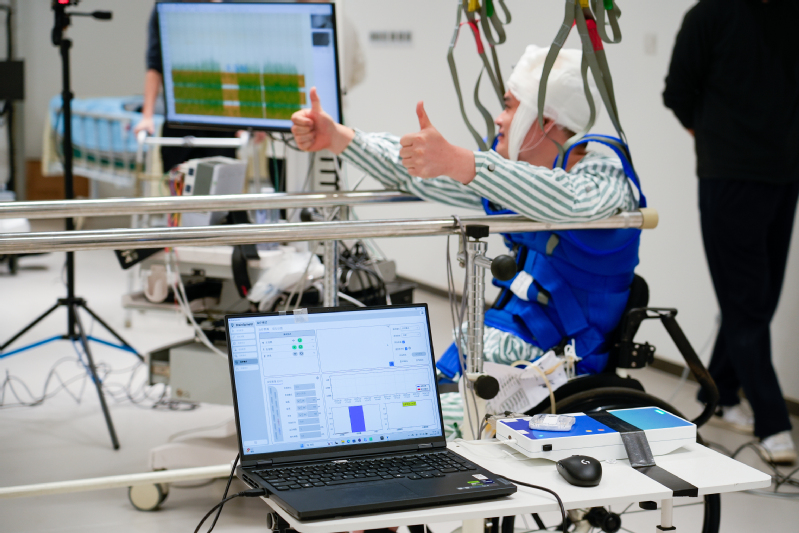
For instance, the first volunteer, a 34-year-old man who was left paraplegic after a fall, underwent surgery in January. Within 24 hours, he could lift both of his legs. By day 14, he was walking over 16 feet (five meters) with the help of a standing frame. In follow-up visits, the patient reported regaining sensations in his feet and muscles, signaling that deeper nerve functions were being restored. This rapid recovery is a significant breakthrough in spinal cord injury treatment and suggests that neural remodeling could be a viable solution for many patients.
A Global Impact: Addressing the Spinal Cord Injury Epidemic
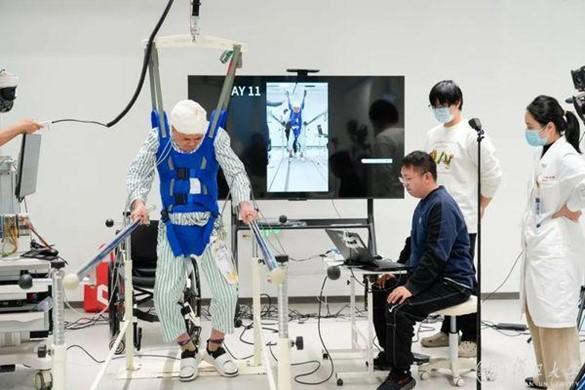
The potential impact of this technology extends far beyond the clinical trial in China. With 3.74 million spinal cord injury patients in China and 90,000 new cases reported annually, the need for effective treatment options is critical. Spinal cord injuries are a global issue, with millions of individuals around the world living with paralysis. The Fudan University team’s breakthrough could change the lives of these individuals by providing a solution that restores mobility and independence.
If this brain-spinal implant technology proves successful on a larger scale, it could offer a transformative solution for people living with spinal cord injuries worldwide. By reestablishing the communication between the brain and spinal cord, this technology holds the potential to improve the quality of life for millions of people and could drastically reduce the burden of disability caused by paralysis.
Challenges and Limitations: Overcoming Regulatory Hurdles
While the success of the brain-spinal implant technology is groundbreaking, there are still many challenges to overcome before it becomes widely available. The regulatory approval process for such a novel and invasive procedure is likely to be long and complex. In addition to the technical challenges of refining the technology and improving its efficiency, the procedure will need to meet rigorous safety standards before it can be offered to the general public.
Moreover, the high cost of such advanced treatments may limit accessibility, particularly in low- and middle-income countries. It will be essential for governments, healthcare providers, and researchers to work together to make these life-changing technologies available to as many people as possible, regardless of their socioeconomic status.
Comparing the Chinese Approach to Neuralink’s Brain-Computer Interface
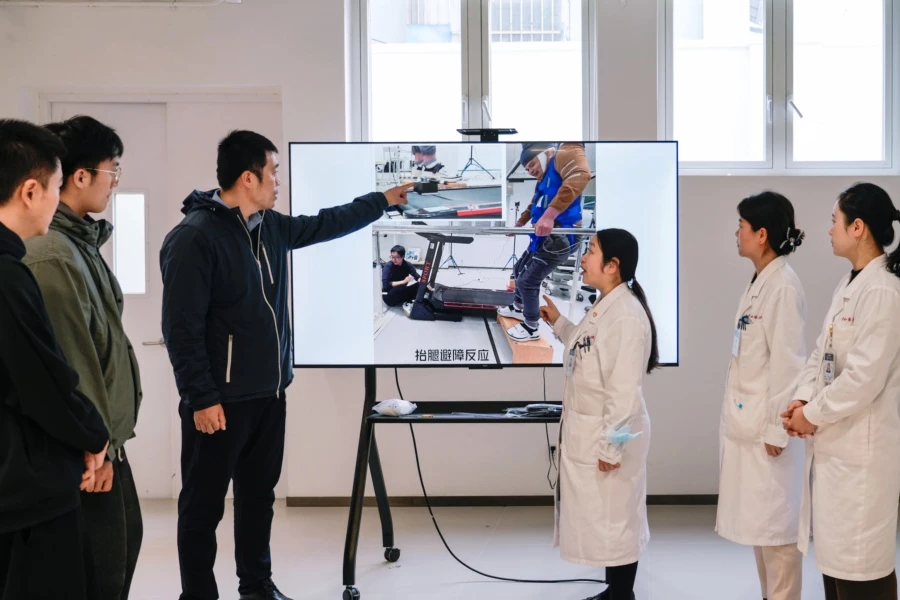
This new brain-spinal implant technology stands in stark contrast to the approach taken by companies like Neuralink, which focus on brain-computer interfaces that rely on external devices to control movement. Neuralink’s goal is to create devices that allow users to control external machines, such as prosthetics or computers, through their thoughts. However, unlike Fudan University’s technology, Neuralink has not yet demonstrated the ability to restore mobility to paralyzed limbs by directly stimulating the spinal cord.
While both approaches aim to address paralysis, the brain-spinal interface developed at Fudan University represents a more direct and potentially more effective solution. By bypassing the injury and reestablishing communication between the brain and spinal cord, this technology could provide a more permanent solution to paralysis, rather than relying on external devices.
The Future of Neurotechnology: A Paradigm Shift in Treatment
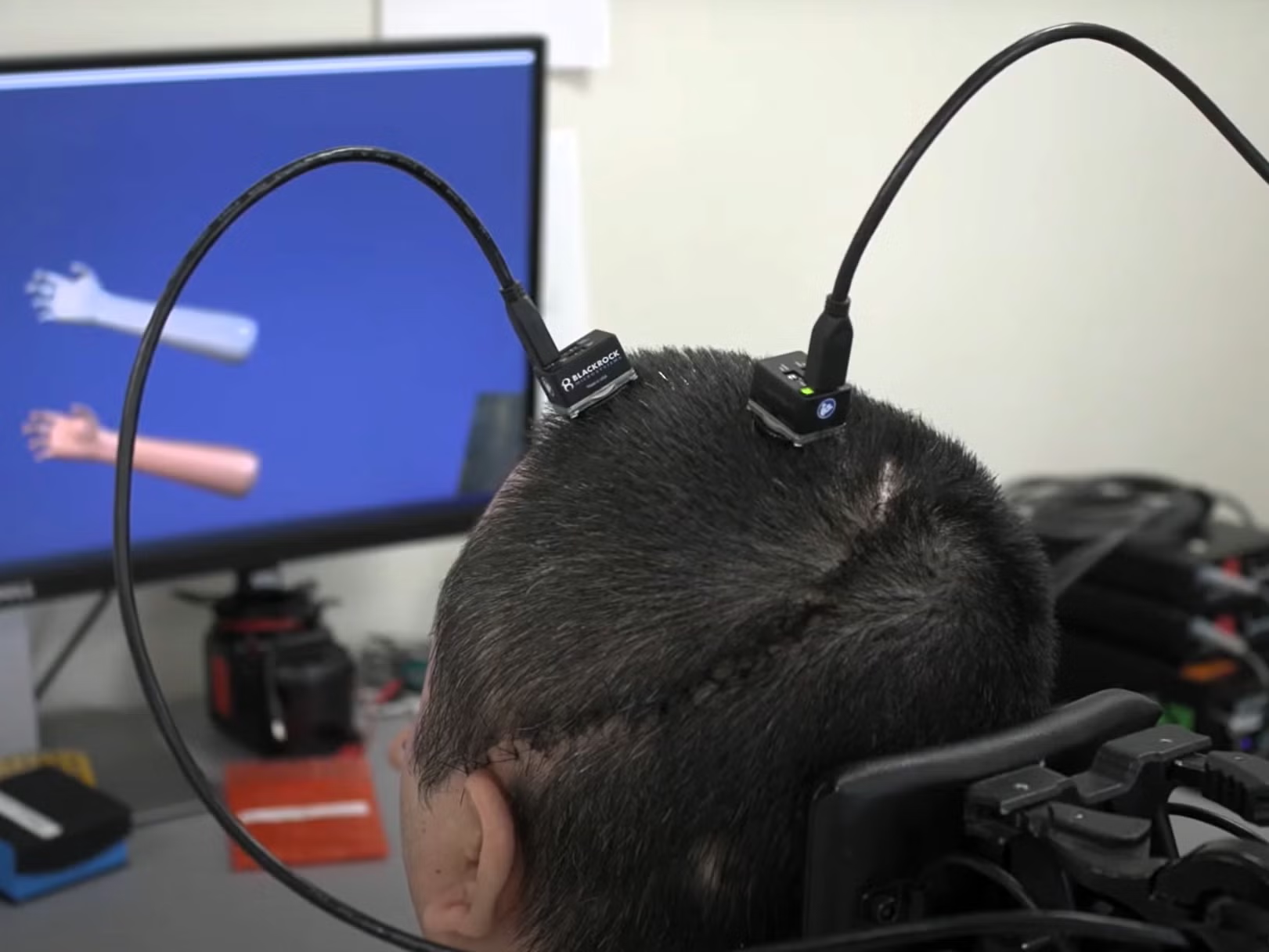
The success of the brain-spinal implant marks a paradigm shift in the field of neurotechnology. As the technology continues to develop, it could pave the way for new treatments for a wide range of neurological conditions, including stroke, multiple sclerosis, and other disorders that affect the nervous system. Researchers are optimistic that the principles behind this brain-spinal interface could be applied to other areas of medicine, further advancing the field of neurotechnology.
This breakthrough also underscores the growing importance of international collaboration in the development of cutting-edge medical technologies. While the United States has long been a leader in neurotechnology research, China’s rapid advancements in the field are quickly narrowing the gap. As more countries invest in innovative solutions to neurological disorders, the global landscape for medical research is becoming more competitive, with the potential to improve healthcare outcomes worldwide.
A New Era for Spinal Cord Injury Treatment
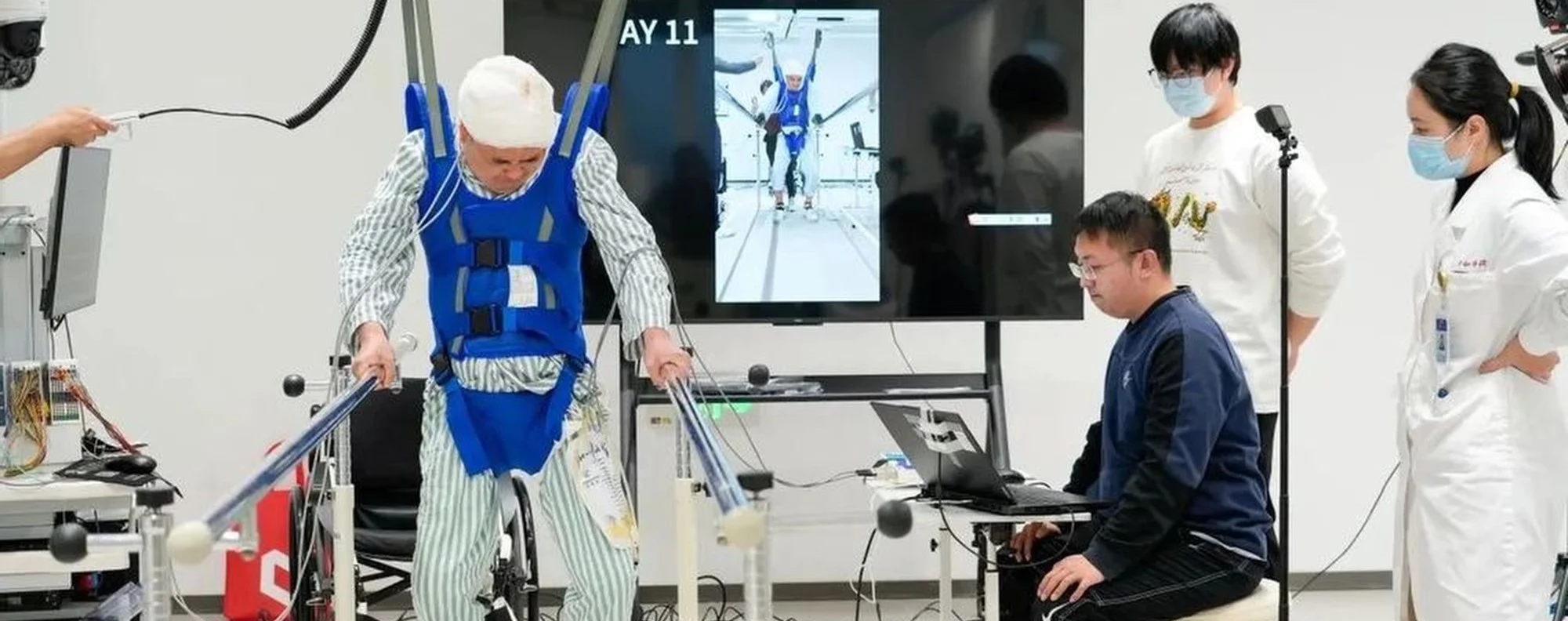
The brain-spinal implant technology developed by researchers at Fudan University represents a groundbreaking step forward in the treatment of spinal cord injuries. By enabling paralyzed patients to regain control of their legs within hours of surgery, this technology offers hope for millions of individuals affected by paralysis. While there are still challenges to overcome, the success of this clinical trial demonstrates that we are closer than ever to finding a solution for spinal cord injuries that could restore mobility and independence.
As the field of neurotechnology continues to evolve, the potential for new treatments to address paralysis and other neurological conditions is immense. The brain-spinal implant technology developed in China could be just the beginning of a new era in spinal cord injury treatment, offering a brighter future for patients who have long been told that their condition is irreversible.