
Table of Contents
- The Shooting Incident
- The White House Response
- The Language of Violence and Polarization
- A History of Violence Against Trump
- The Role of Media in Political Polarization
- The Implications for National Security
- Political Fallout from the Incident
- A Dangerous Precedent for Future Elections
- A Nation at a Crossroads
The Shooting Incident
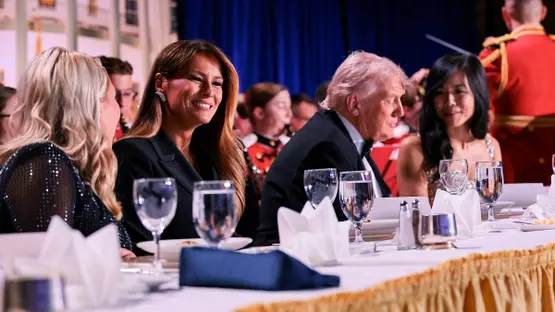
The chaos unfolded late in the evening during the White House Correspondents’ Dinner, an annual gala traditionally attended by media personnel and political leaders. The suspect, who later identified himself as a “friendly federal assassin,” stormed the venue, opening fire near the ballroom where President Trump was seated. The incident, which led to panic among attendees, raised immediate concerns over the vulnerability of public figures to targeted violence. Authorities quickly apprehended the suspect, and he is scheduled for a court appearance on April 28, 2026.
Despite the seriousness of the attack, President Trump was not in immediate danger, as he was safely escorted from the scene. The event was quickly classified as the third in a series of assassination attempts aimed at the president, a disturbing trend that has made national headlines. The shooting itself has left many questioning the state of security at high-profile events and whether the political climate is fostering a more violent atmosphere.
The White House Response
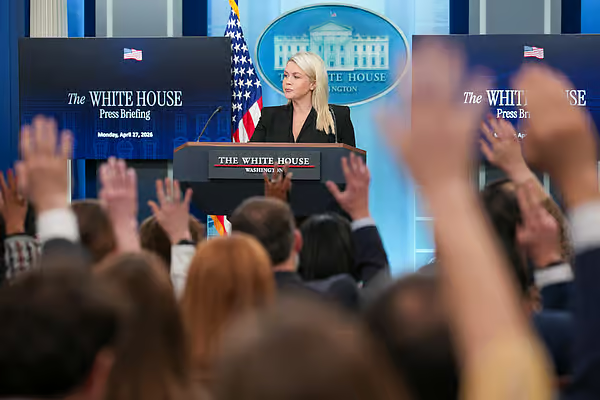
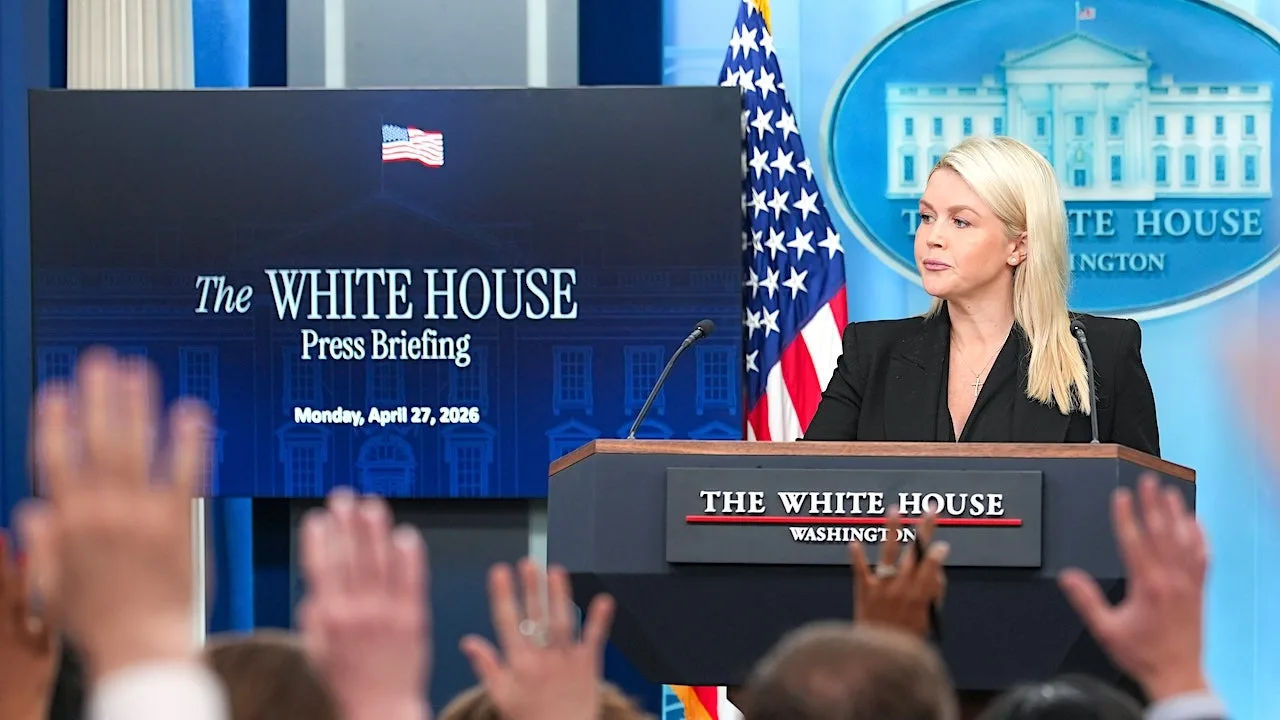
In her statement, Karoline Leavitt condemned what she described as a “left-wing cult of hatred” targeting the president. She argued that the president’s critics, particularly those on the left, have engaged in what she called “systemic demonization” of Trump, inflaming political tensions to the point where violence has become more acceptable. Leavitt’s remarks echoed similar rhetoric often used by Trump himself, who has long accused political opponents of engaging in divisive and hostile tactics.
Leavitt’s comments also brought attention to the personal toll these attacks have taken on the president. She noted, “Nobody in recent years has faced more bullets and more violence than President Trump.” This statement, although controversial, underlined the gravity of the situation and the risks that public figures face in a polarized political climate.
The Language of Violence and Polarization
President Trump himself has frequently been accused of using language that many critics argue encourages violence. His inflammatory rhetoric, particularly towards political opponents, has been a point of contention throughout his career. The incident at the Correspondents’ Dinner raises questions about the broader impact of such language. Some argue that when a public figure as influential as Trump uses hostile rhetoric, it can embolden others to resort to violent actions.
Despite the accusations, Trump took a more measured tone in his public remarks following the shooting. While he has previously referred to the media as “the enemy of the people,” he appeared more conciliatory towards journalists during the aftermath of the attack. Trump’s efforts to downplay the violence may have been seen as an attempt to avoid further inflaming tensions, but the damage had already been done in the eyes of many critics.
A History of Violence Against Trump
This shooting is not the first time that violence has been directed towards President Trump. Leavitt’s statement referenced the previous assassination attempts against him, which have raised alarm about the safety of public figures in a political environment increasingly marked by hostility. In recent years, violent rhetoric has permeated political discourse, with individuals on both sides of the political spectrum accusing the other of threatening democracy. However, the frequency of incidents targeting Trump, in particular, has led some to question whether the president’s own words have exacerbated the problem.
The shooting at the Correspondents’ Dinner is a stark reminder of the dangerous climate that has developed around the president, and it is likely to fuel further debates about the role of political rhetoric in fostering such violence.
The Role of Media in Political Polarization
The media has also been a significant player in the drama surrounding the Trump administration. Throughout his presidency, Trump has often clashed with the media, dismissing unfavorable coverage as “fake news” and accusing journalists of spreading lies. His adversarial relationship with the press has become a defining feature of his time in office. In the aftermath of the shooting, Trump’s critics have been quick to point out that his continuous attacks on the media may have contributed to the overall hostile atmosphere.
Leavitt’s remarks about the media in the wake of the shooting are also telling. She stated that the president and his allies have been “slandered” by the press, which she claims has played a role in stoking the political violence that has targeted Trump. In this context, the shooting at the Correspondents’ Dinner takes on an even deeper significance—it highlights the growing divide between the president and the media, and the impact this rift is having on the national conversation.
The Implications for National Security
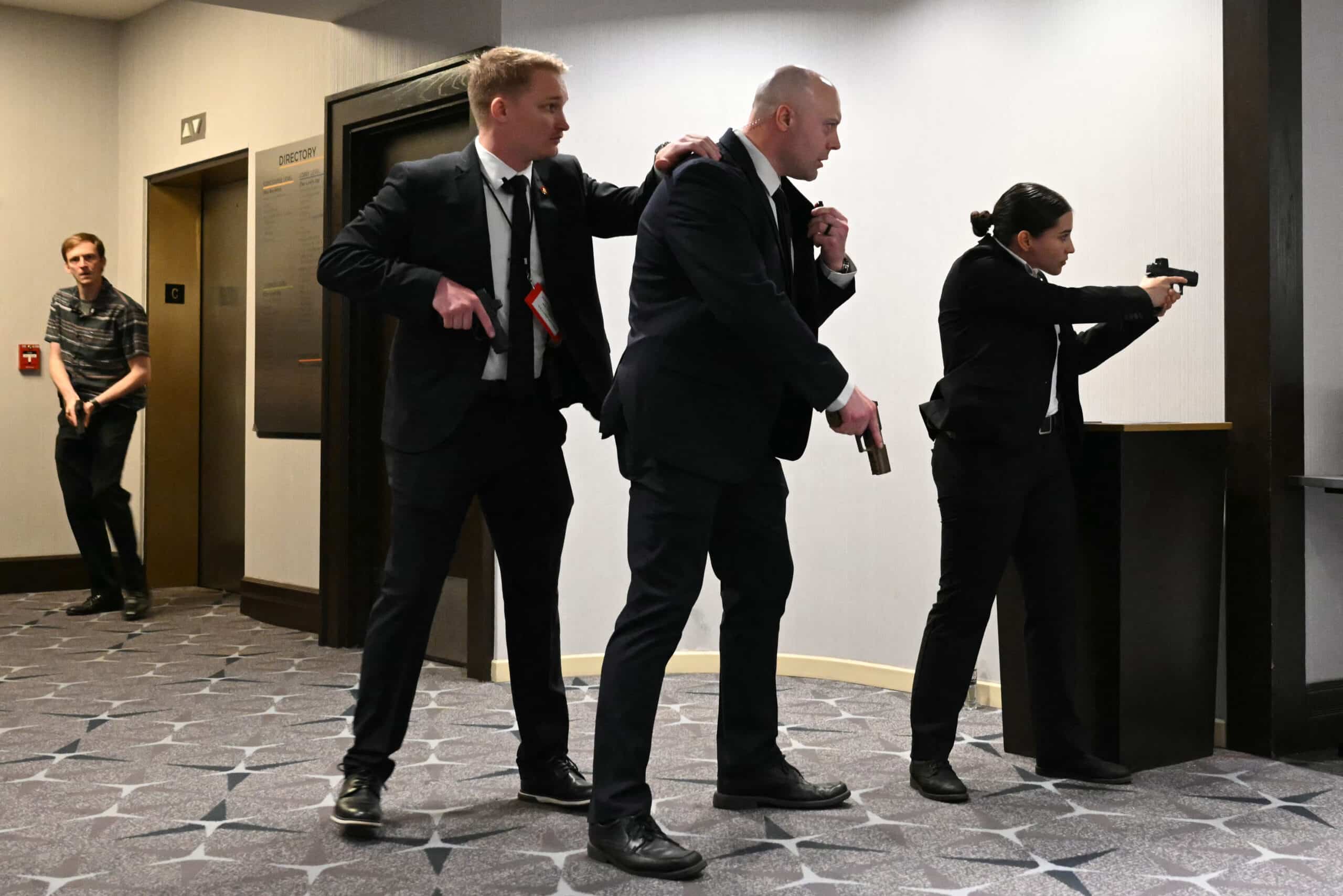
While the White House’s response to the shooting has been largely focused on assigning blame to Trump’s political opponents, the incident also raises critical questions about national security. As President Trump’s rhetoric continues to polarize the nation, the need for enhanced security measures at public events becomes increasingly apparent. The shooting serves as a reminder that the safety of public figures, including the president, must be safeguarded in an era where political violence is a growing threat.
The White House’s response underscores the tensions surrounding the issue of security. While the Trump administration has long emphasized the importance of protecting the president, the frequency of these attacks suggests that more must be done to address the underlying causes of political violence. Whether or not the shooting leads to changes in security protocols at major events remains to be seen, but it is clear that the current system is not sufficient to protect high-profile individuals from harm.
Political Fallout from the Incident
As expected, the shooting has led to a political backlash from both sides of the aisle. Trump’s defenders argue that the violence against him is a result of the growing hatred from the political left, while his critics accuse him of inciting violence through his own divisive language. The media’s role in perpetuating this cycle of hostility cannot be ignored, and it is clear that the political rhetoric from both sides has fueled an environment in which violence is becoming more commonplace.
The shooting has brought to light the deep divisions within American society. The increasing use of violent language in political discourse has had serious consequences, not only for public figures but also for the country as a whole. As the political landscape becomes more polarized, the need for responsible rhetoric and thoughtful leadership becomes even more urgent.
A Dangerous Precedent for Future Elections
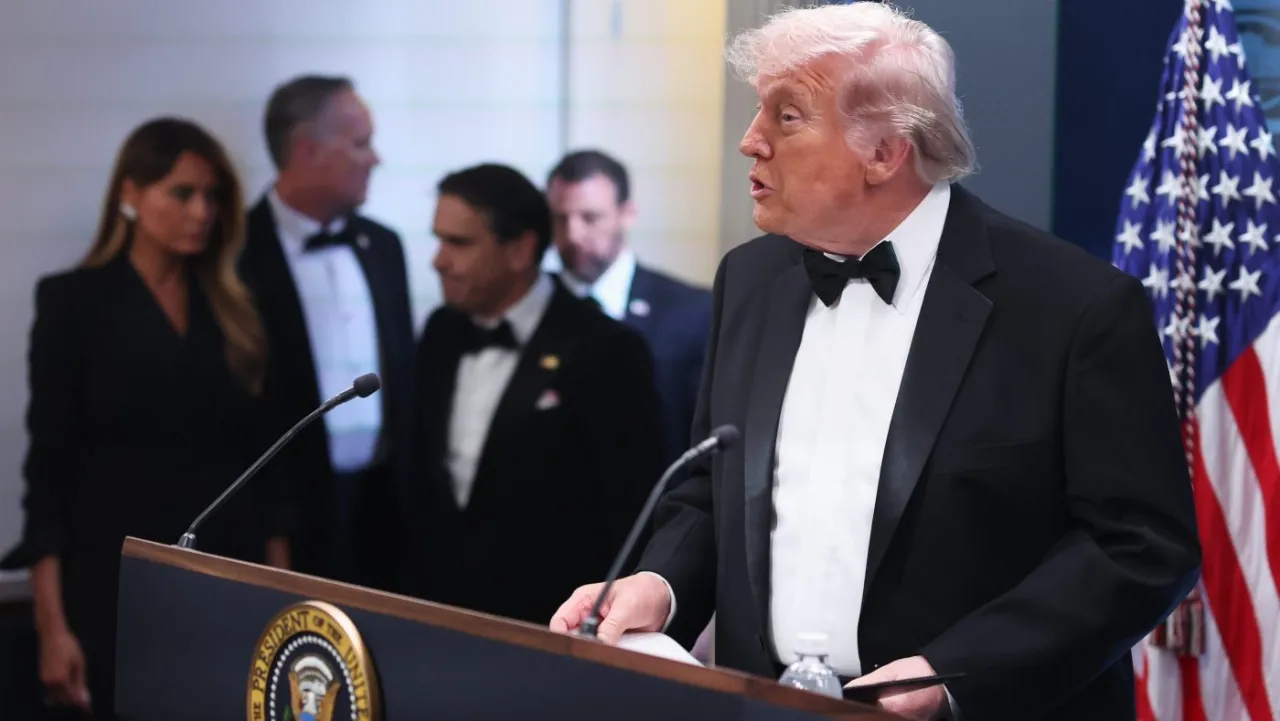
The rise in political violence and the increasing frequency of threats against public figures has created a dangerous precedent for future elections. As the 2026 midterms and the 2028 presidential election approach, the specter of violence looms larger than ever. The events surrounding the shooting at the White House Correspondents’ Dinner serve as a stark reminder of the stakes involved in the current political climate.
With the political environment becoming more volatile, there is growing concern about the safety of candidates, lawmakers, and ordinary citizens. The shooting has raised critical questions about the direction in which the country is heading and the risks posed by increasingly hostile political discourse.
A Nation at a Crossroads
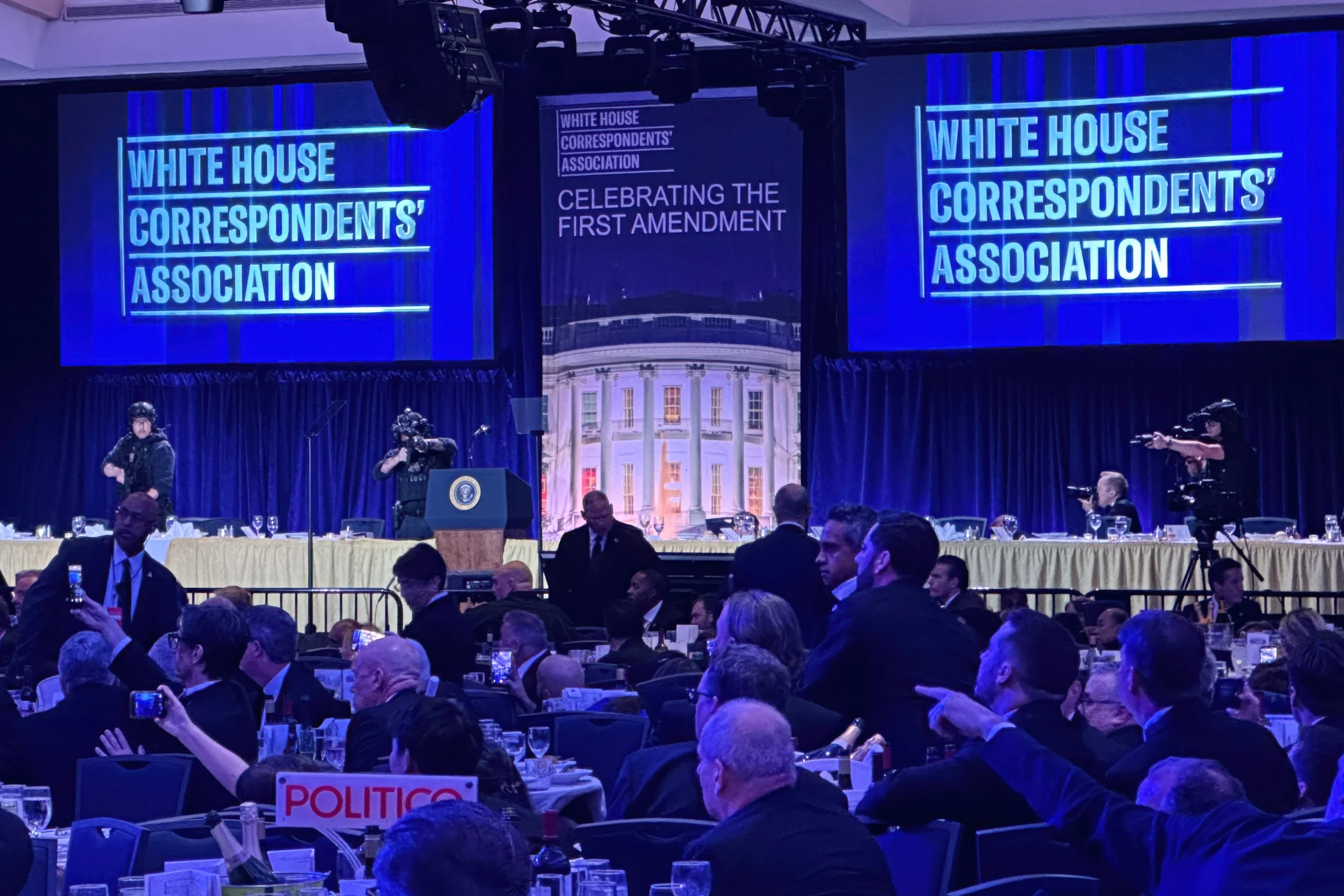
The shooting at the White House Correspondents’ Dinner marks a pivotal moment in the ongoing struggle between political factions in the United States. The incident has once again brought into focus the dangers of political polarization, and it serves as a reminder of the urgent need for a more civil and constructive dialogue.
As the nation grapples with the fallout from this tragic event, one thing is clear: the rhetoric of hate and division must be replaced with a message of unity and understanding. Whether or not the political environment can be recalibrated remains to be seen, but the shooting at the Correspondents’ Dinner is a clear indication that the path forward must prioritize the safety and well-being of all citizens.