
Table of Contents
The Political Divide and Cannabis Legalization
Despite the public shift in favor of legalization, the U.S. federal government remains largely entrenched in its restrictive stance on marijuana. While individual states have led the way in legalizing cannabis for both medicinal and recreational purposes, federal law has stubbornly kept marijuana in the same legal category as dangerous drugs like heroin. This contradiction between state and federal law has created confusion for consumers, businesses, and healthcare providers.
In this context, President Trump’s recent comments on marijuana reclassification represent a significant potential change. Trump’s suggestion to move marijuana from Schedule I to Schedule III under the Controlled Substances Act would acknowledge its medical value and allow for greater research, development, and business opportunities related to cannabis. This change could be a game-changer, not just for cannabis patients, but for the entire cannabis industry.
What Would Reclassification Mean?
The reclassification of marijuana to Schedule III would be a major departure from its current classification. Schedule I substances are deemed to have no medical value and a high potential for abuse, making them subject to the strictest regulations. Schedule III, on the other hand, includes substances like ketamine and anabolic steroids, which are considered to have accepted medical uses and a lower potential for abuse.
Under current law, marijuana’s Schedule I status presents a variety of barriers, especially when it comes to medical research, prescribing, and taxation. For example:
- Medical Recognition: If marijuana were moved to Schedule III, doctors could prescribe it for approved medical conditions. Pharmacists could distribute it under regulated conditions, bringing it into the same legal framework as other controlled medications.
- Research Access: Schedule I status makes research on cannabis extremely difficult, as scientists must meet rigorous federal requirements to conduct studies. Reclassification would lift many of these barriers, allowing universities and research institutions to conduct larger, more comprehensive studies on cannabis’ medical benefits.
- Business Relief: Cannabis businesses are currently prohibited from deducting basic business expenses like rent and payroll, thanks to Section 280E of the tax code. Reclassification would lift this restriction, making it easier for cannabis companies to operate profitably and reinvest in their businesses.
Why This Matters
The potential reclassification of marijuana holds massive implications for several sectors, from healthcare to business to law enforcement.
Medical Community: Reclassification could make it easier for doctors to prescribe marijuana for a variety of conditions, from chronic pain to epilepsy. Currently, patients in restrictive states have to rely on limited access to cannabis or even turn to black-market sources for treatment. By recognizing marijuana’s medical uses, federal reclassification would allow patients to obtain their medication from regulated dispensaries, improving safety and reliability.
Cannabis Industry: The cannabis industry has grown rapidly in recent years, but its growth has been stunted by restrictive federal laws. Reclassification could give the industry more stability, encouraging further investments, job creation, and tax revenue. Moreover, legal cannabis sales are projected to top $40 billion annually by 2025, and the industry could create hundreds of thousands of new jobs across the country.
Public Health: One of the biggest concerns with cannabis in its current legal status is its inconsistent regulation. With reclassification, product standards and safety protocols would become more uniform. Cannabis products would undergo more stringent testing, ensuring they meet health and safety standards similar to other regulated pharmaceuticals. This would address concerns about contamination, potency, and consistency, particularly for vulnerable groups like children or the elderly.
The Roadblocks to Reclassification
Though the prospect of marijuana reclassification is promising, there are several hurdles to overcome. The first and most immediate obstacle is political: will the federal government, including the Department of Justice and the Drug Enforcement Administration (DEA), agree to this shift? Historically, these agencies have been resistant to changes in cannabis policy, especially given their concerns about the potential social impacts of legalizing marijuana.
Additionally, the political landscape is still divided on cannabis. Many lawmakers support federal legalization, but others remain cautious or outright opposed. There are also concerns that moving too quickly could fuel a backlash, particularly from conservative voters who remain wary of marijuana legalization.
Trump’s Approach to Marijuana
Trump’s history with marijuana policy has been mixed. He has publicly supported medical marijuana in the past, but he has also expressed concerns about the potential dangers of recreational cannabis use. In recent years, however, his administration has shown signs of shifting its stance. The president’s push for reclassification is a clear sign that his views on cannabis are evolving, and he may be attempting to find a middle ground between the states that have legalized marijuana and the federal government’s longstanding restrictions.
Interestingly, Trump’s own political base has largely supported cannabis reform. Many states that voted for him in the 2016 and 2020 elections have also supported marijuana legalization, and polling shows that a significant number of his supporters back the idea of medical marijuana. In light of this, Trump’s reclassification proposal may be as much about political pragmatism as it is about policy reform.
Potential Benefits for Americans
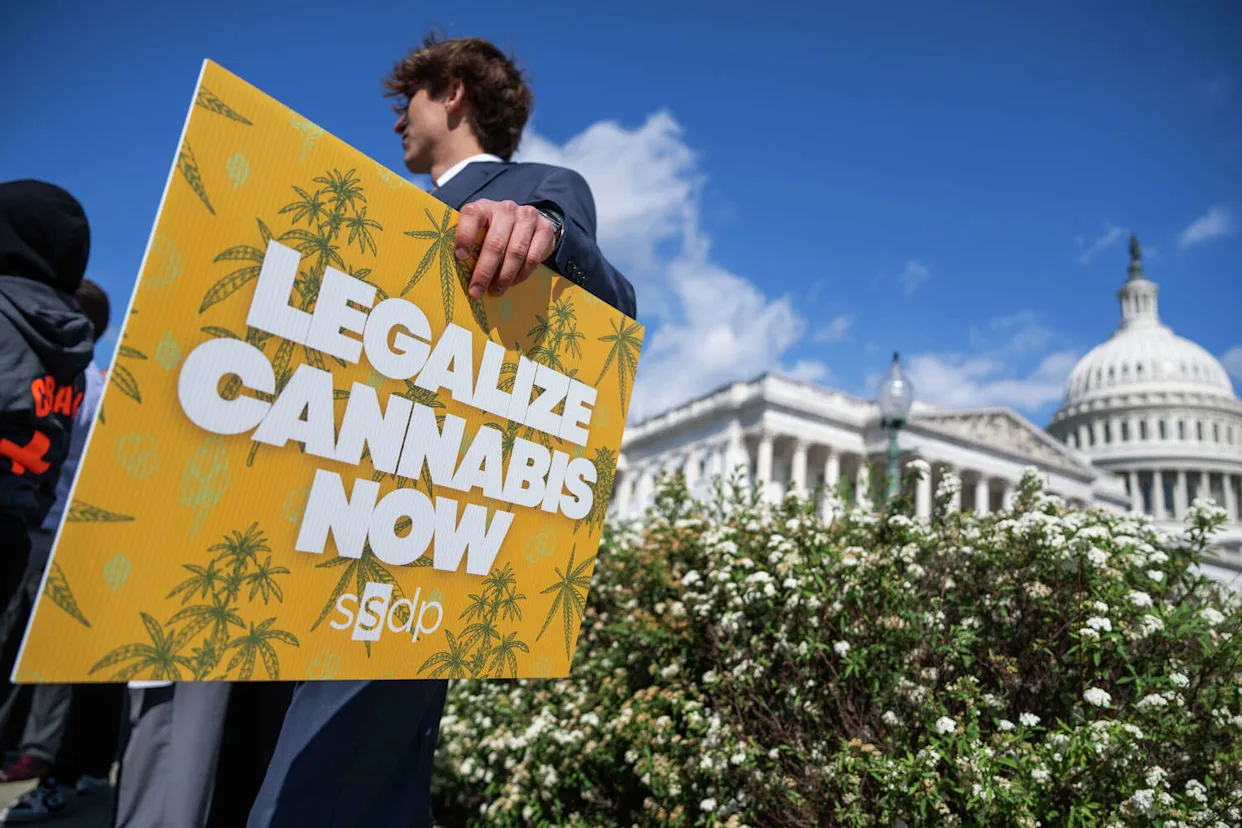
If marijuana is successfully reclassified to Schedule III, there will be significant benefits for American citizens. The most immediate impact will likely be felt by patients, who will be able to access medical cannabis more easily and safely. Many states already allow for medical marijuana use, but federal reclassification would give patients across the country more consistent access to treatment.
For cannabis businesses, reclassification will mean tax relief and the possibility of working with banks and investors who have so far avoided the industry due to its federal illegality. This will help businesses grow and stabilize, allowing for further job creation and economic growth.
Moreover, the public health benefits cannot be overstated. A regulated cannabis industry will ensure that products are lab-tested, consistent in dosage, and free from contaminants. This shift will help protect consumers and increase confidence in the industry.
The Challenges Ahead
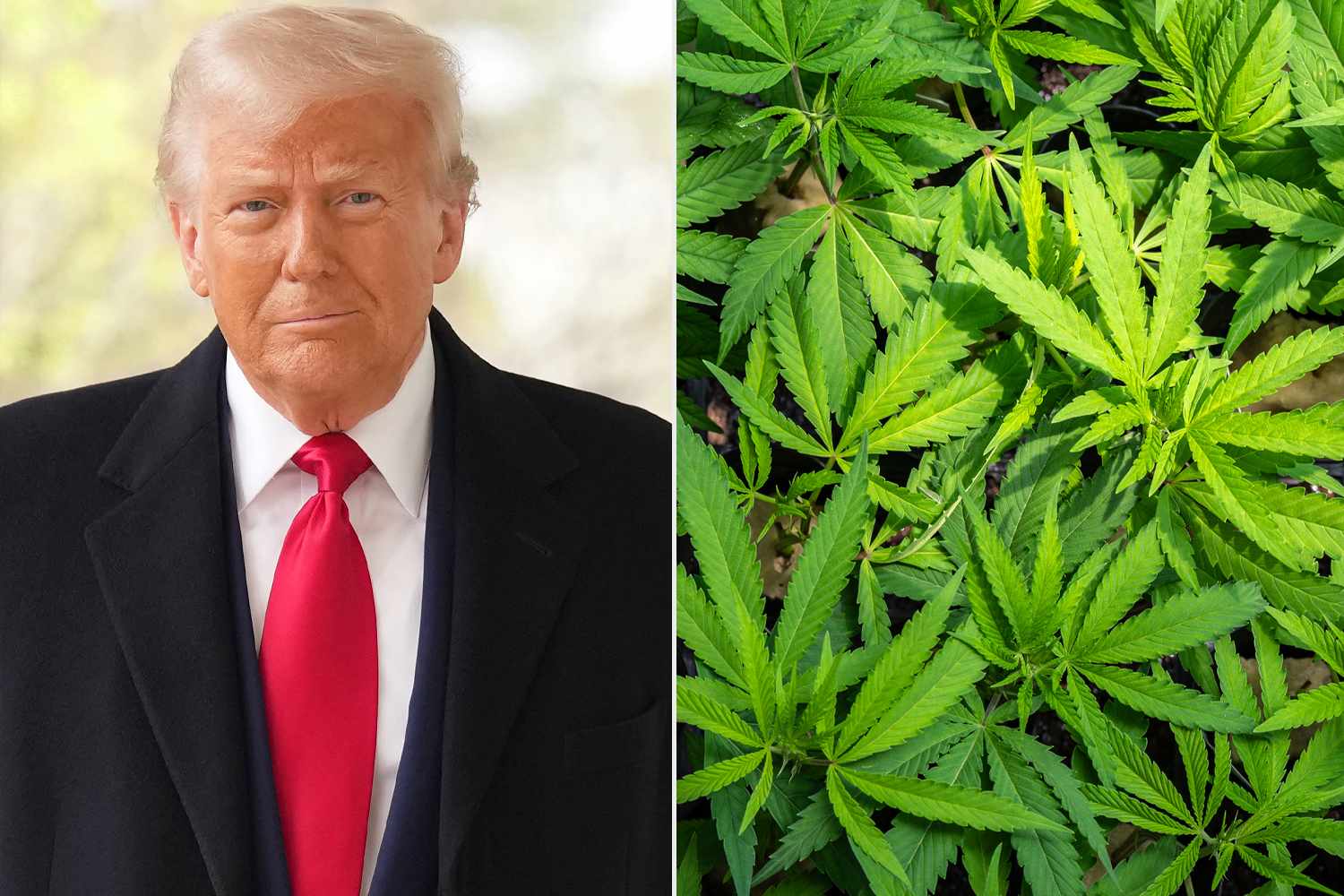
Despite the potential benefits, reclassification is not without challenges. Even with the support of President Trump, the road to reclassification will likely be long and complicated. The DEA and other agencies will need to sign off on the change, and Congress will need to pass legislation to fully implement the shift.
Additionally, there are concerns about how reclassification could affect public perceptions of marijuana use. Some experts warn that it could lead to increased usage, particularly among young people, and that the risks of heavy cannabis use—such as impaired memory and psychosis—could be downplayed. The process will need to be accompanied by education and safeguards to ensure that the benefits outweigh the risks.
A Turning Point for Cannabis Policy
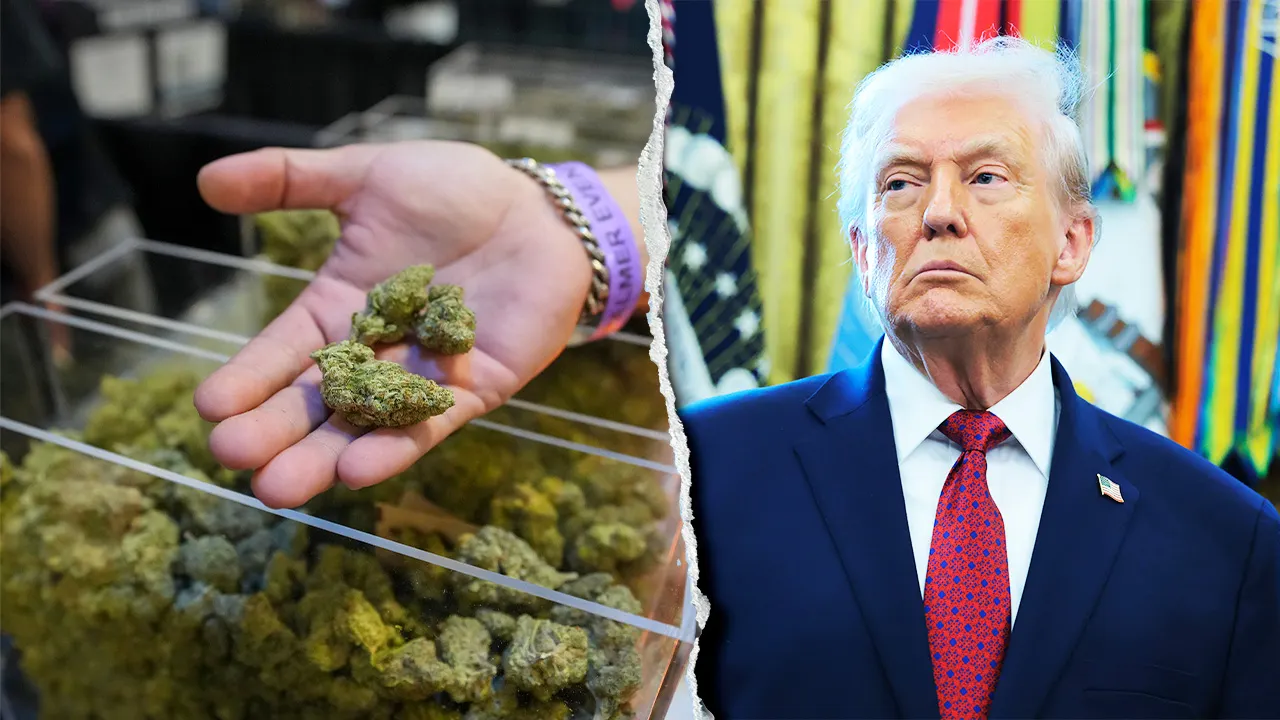
Reclassification of marijuana from Schedule I to Schedule III is a historic step that could have wide-reaching effects on the cannabis industry, medical research, and public health. While it won’t fully legalize marijuana or resolve all of the issues surrounding cannabis use, it represents a major shift in how the federal government views the plant.
As the debate over marijuana continues to evolve, President Trump’s comments signal a turning point in the long-standing conflict between state and federal law. If successful, reclassification could lead to greater access to medical cannabis, improved safety and quality standards, and a more stable industry. However, the challenge will be balancing public health concerns with the economic and medical potential of marijuana. The coming years will determine how marijuana fits into the broader landscape of American policy and whether it can find its rightful place in the nation’s future.