

Table of Contents
Understanding Brain Tumors: Rare, Yet Life-Changing
Brain tumors are a complex and often misunderstood condition. While they are rare, affecting only about five in every 100,000 people annually, their consequences can be severe. A brain tumor is an abnormal growth of cells in the brain or its surrounding tissues, including the meninges, the protective layers that cover the brain and spinal cord. There are over 150 types of brain tumors, each with different growth rates, behaviors, and treatment challenges.
In Paige’s case, doctors suspected a meningioma, a type of tumor that typically grows slowly and is most often benign. Meningiomas make up about one-third of all primary brain tumors and are more common in women, especially those over 60. Though many meningiomas remain asymptomatic for years, their growth can lead to serious complications if they begin pressing against sensitive areas of the brain.
What sets brain tumors apart is their ability to grow silently, often without noticeable symptoms, until they reach a size that begins to interfere with the body’s vital functions. Tumors like meningiomas, while often benign, can still wreak havoc depending on where they are located, affecting motor functions, vision, speech, memory, or mood.
The Role of Early Detection in Saving Lives

Paige’s story highlights the critical role that early detection plays in the treatment of brain tumors. It’s easy to overlook seemingly small symptoms like a faint hum in the ear, especially when there are no other obvious signs of illness. But Paige’s persistence in seeking medical attention is what led to the life-saving discovery of her tumor.
Doctors ordered an MRI scan as a precautionary measure to rule out structural causes for Paige’s tinnitus, which was disrupting her life. This scan, ordered for a symptom unrelated to her concern, revealed a tumor in her right posterior frontal lobe—an incidental finding that could have gone unnoticed without that crucial test.
Magnetic Resonance Imaging (MRI) is one of the most powerful diagnostic tools for detecting brain abnormalities. Unlike X-rays or CT scans, which use radiation, MRIs create detailed images of soft tissue using magnetic fields and radio waves. This makes MRIs ideal for identifying subtle changes in tissue density, small lesions, and even tumors that might be hiding in the folds of the brain.
For Paige, the MRI results not only confirmed the presence of a tumor, but they also revealed its location—allowing doctors to start planning for treatment before the tumor could cause permanent damage. This early detection not only saved her life but also gave her the best possible chance for a full recovery.
The Emotional Toll of a Brain Tumor Diagnosis

Receiving a diagnosis of a brain tumor is never easy, especially for someone like Paige, who had built her life around physical performance and physical strength. Paige’s initial shock and fear were compounded by the immediate fallout from her condition: a canceled international performance tour, a significant loss of income due to her inability to work as a paramedic, and the emotional weight of having to face an uncertain future.
Paige had meticulously planned and financed a trip to showcase her talents at the prestigious Edinburgh Fringe Festival. But just days before her departure, her diagnosis forced her to cancel her plans and confront a reality that seemed unimaginable: she was facing brain surgery instead of a performance on the world stage.
The emotional impact of Paige’s diagnosis went beyond just her career. She was confronted with deep personal fears, questioning whether she would have the chance to experience the important milestones in life—such as finding love—that she had taken for granted. But amidst these fears, Paige found an unexpected anchor: the support of her community, who rallied around her with messages of love and encouragement.
The Power of Listening to Your Body
Paige’s story is a powerful reminder of the importance of listening to our bodies, especially when something feels out of the ordinary. Symptoms like tinnitus are often ignored, dismissed as unimportant or attributed to temporary factors such as stress or fatigue. However, Paige’s willingness to speak up about a symptom that had lingered for years ultimately led to the discovery of a serious medical condition.
Many people tend to ignore persistent symptoms because they are not immediately debilitating. But when symptoms don’t go away, worsen, or feel unusual, it’s important to seek medical advice. Paige’s case shows that paying attention to subtle changes in your body, even if they seem inconsequential at first, can make all the difference in the outcome of a serious health condition.
Here are some key takeaways for anyone experiencing persistent symptoms:
How to Listen to Your Body and Know When to Seek Help

- Don’t Ignore Persistent Symptoms
If a symptom lingers for more than a few weeks or worsens over time, it’s worth bringing it up with your doctor. Whether it’s a persistent headache, ringing in the ears, or unexplained fatigue, getting checked out can help rule out more serious conditions. - Keep Track of Your Symptoms
Logging symptoms in a simple note or phone app can help identify patterns. Make note of when symptoms occur, their intensity, and anything that may trigger or alleviate them. This information is invaluable to doctors when making a diagnosis. - Follow Through on Referrals and Tests
Medical tests and specialist referrals are often the best way to get to the bottom of a persistent health issue. Don’t skip tests or put off appointments. Delaying diagnosis can make a condition harder to treat. - Seek Second Opinions If Necessary
If a doctor recommends a course of action that doesn’t feel right, it’s okay to ask for a second opinion. Having multiple perspectives can help you make informed decisions about your health. - Be Open and Honest About Your Lifestyle
Sometimes lifestyle factors like stress, physical activity, and diet can contribute to symptoms. Be honest with your doctor about these aspects, as they can provide essential context for a diagnosis. - Trust the Signal, Not Just the Symptom
Your body communicates with you in many ways. Even if a particular symptom seems harmless, it might be the first signal that something more serious is happening underneath. Trust your instincts and seek medical advice when in doubt.
The Path to Recovery

Paige’s road to recovery was not an easy one. After surgery, she faced several challenges, including post-operative restrictions that impacted her ability to work and perform. However, the support she received from her community played a vital role in her emotional recovery, and over time, Paige found strength in knowing how much she had touched the lives of others.
In the face of fear and uncertainty, Paige’s story serves as a reminder of the resilience of the human spirit and the importance of taking charge of one’s health. Through early detection, timely intervention, and the power of community support, Paige has been able to reclaim her life and continue her journey with a newfound sense of purpose.
The Importance of Early Detection
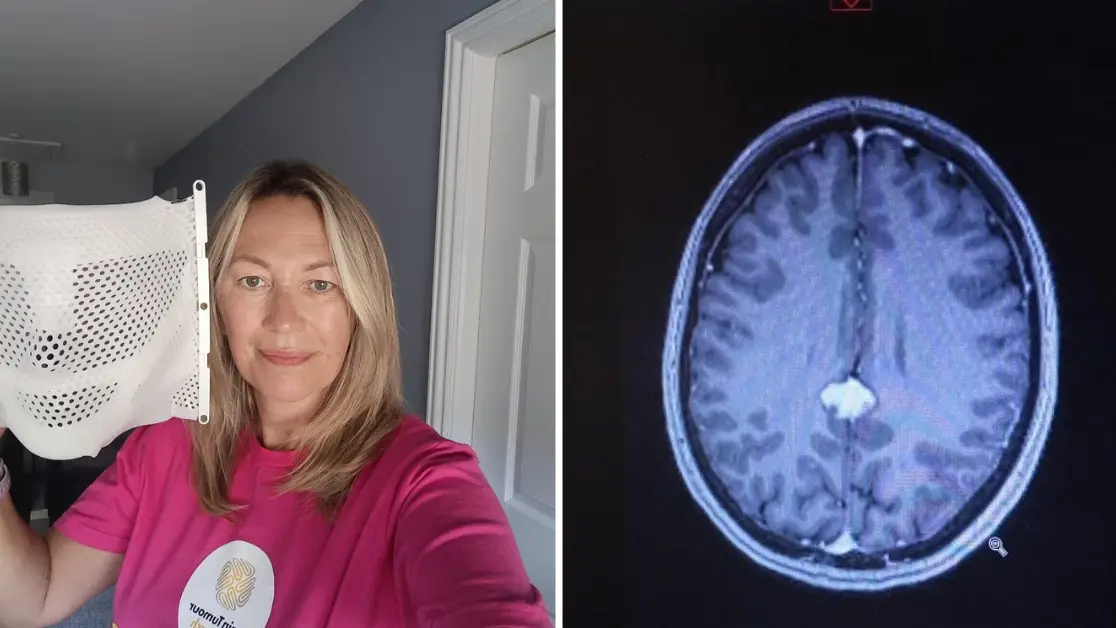
Paige Footner’s diagnosis was a turning point in her life. What started as a persistent, seemingly insignificant symptom led to a life-saving diagnosis, demonstrating the importance of listening to the body and acting on subtle cues before they escalate into something more serious.
Her story emphasizes that early detection, coupled with the willingness to seek medical advice, can significantly impact health outcomes. By paying attention to the small signs our bodies give us and advocating for our health, we can help ensure that we live longer, healthier lives.
The message is clear: Never underestimate the power of paying attention to your body’s signals.