
Table of Contents
Understanding Down Syndrome and Its Causes
Down syndrome, also known as trisomy 21, occurs when a person has three copies of chromosome 21 instead of the usual two. This additional genetic material disrupts the normal course of development, leading to a range of physical and cognitive challenges. People with Down syndrome typically experience developmental delays, learning difficulties, and a higher risk of certain medical conditions, such as congenital heart defects and early-onset Alzheimer’s disease.
The presence of an extra chromosome 21 affects how cells function at a genetic level, leading to changes in gene expression and protein production. These disruptions in the body’s processes can cause a cascade of developmental issues, resulting in the lifelong challenges faced by individuals with Down syndrome. Until now, treatments have focused on managing the symptoms of the condition, with little to no ability to alter the genetic foundation of the disorder.
The Role of CRISPR in Gene Editing
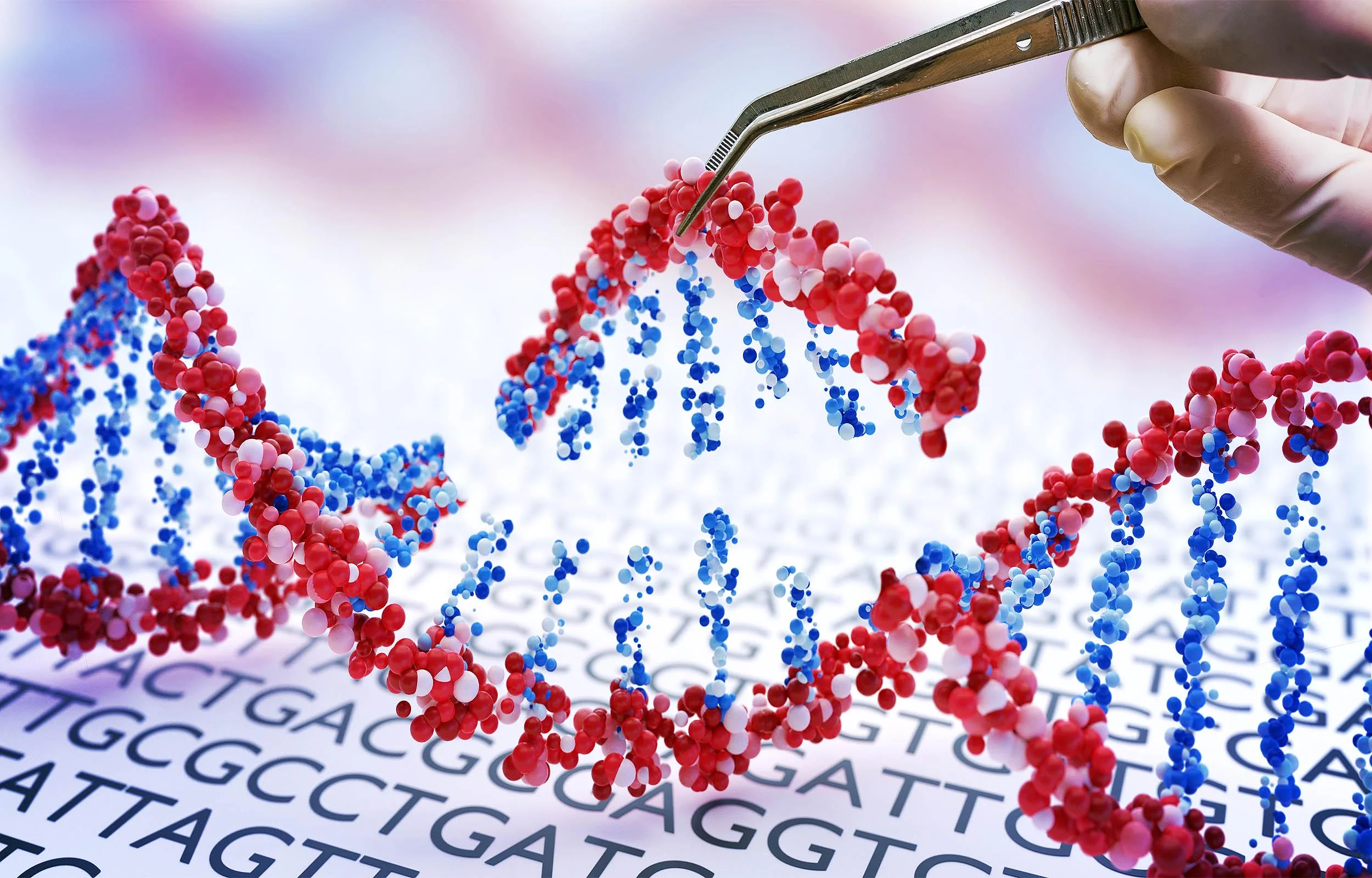
CRISPR-Cas9, the gene-editing tool that has revolutionized the field of genetics, allows scientists to make precise changes to the DNA of living organisms. Initially discovered in bacteria as a way to protect against viruses, CRISPR has since been adapted for gene therapy in humans, offering an unprecedented ability to alter DNA at the molecular level. By using CRISPR, scientists can “cut” DNA at specific locations, making edits or repairs with extreme precision.
In the case of Down syndrome, the breakthrough at Mie University involved using CRISPR-Cas9 to target and remove the extra chromosome 21 from human cells. This technique, known as “trisomic rescue,” specifically identified the surplus chromosome without disturbing the normal pair, effectively restoring the cells to a more typical genetic state. The edited cells showed improved gene activity and more normal cell function, providing strong evidence that genetic correction at this level is not only possible but effective.
How the CRISPR Process Works
The researchers at Mie University designed CRISPR guide molecules that could selectively target only the extra chromosome 21. The CRISPR-Cas9 system then cut the chromosome at precise locations, allowing the extra genetic material to be removed without damaging the rest of the DNA. After this intervention, the cells began showing normal gene activity patterns, with key genes related to nervous system development becoming more active, while metabolic genes, which were previously overactive due to the extra chromosome, slowed down.
The results of this experiment were significant. Not only did the scientists demonstrate the feasibility of editing out an entire chromosome, but they also saw improvements in cell function. Edited cells grew faster, divided more efficiently, and produced fewer harmful byproducts called reactive oxygen species. These changes indicated that the removal of the extra chromosome relieved cellular stress and allowed the cells to function more normally. The ability to correct a genetic condition like Down syndrome at the cellular level marked a significant milestone in gene therapy.
The Impact of the Discovery
This research has the potential to revolutionize the way we think about genetic conditions. By targeting the root cause of Down syndrome—the extra chromosome—scientists could open the door to therapies that address the condition at its genetic source, rather than focusing solely on its symptoms. This approach could not only improve the lives of individuals with Down syndrome but also provide a model for treating other genetic diseases in the future.
For patients with Down syndrome, the ability to remove the extra chromosome could reduce or even eliminate many of the health complications associated with the disorder. Conditions like heart defects, gastrointestinal issues, and early-onset Alzheimer’s disease could become more manageable or, in some cases, avoidable altogether. This approach could also reduce the long-term care burden on families and healthcare systems, offering a path toward better health outcomes for individuals with the condition.
Challenges and Limitations of the Research

While the discovery is groundbreaking, it’s important to note that the research is still in its early stages. The ability to remove an entire chromosome from human cells in a laboratory setting does not yet translate into practical treatments for patients. The technique has only been demonstrated in lab-grown cells, and much more research is needed to understand how these edited cells behave over the long term.
One of the main challenges is ensuring precision in the CRISPR process. While the team at Mie University was able to target the extra chromosome 21, some unintended edits occurred in normal chromosomes. These off-target effects could potentially lead to harmful mutations or complications, making safety a significant concern as the technique moves toward clinical applications.
Another limitation is the difficulty of applying this technology to all tissues in the body. Many cells, especially in organs like the brain, do not divide as readily as stem cells, which were used in the research. Editing non-dividing cells presents unique challenges, and further research will be necessary to find ways to deliver CRISPR to those cells effectively.
Ethical Considerations and Social Implications

The ability to remove the genetic cause of Down syndrome raises important ethical questions. While the goal of this research is to improve health outcomes for individuals with the condition, there are concerns about how such genetic editing might be perceived by society. In some countries, such as Iceland, prenatal screening and subsequent abortion have led to a dramatic decline in the number of babies born with Down syndrome. This has sparked international debate about the value of life with Down syndrome and whether such technologies could encourage further efforts to “eradicate” the condition.
Bioethicists emphasize the importance of ongoing conversations about genetic editing, involving people with Down syndrome and their families in the dialogue about how this technology should be used. While the Japanese researchers have made it clear that their goal is not to eliminate Down syndrome from the population, the potential for unintended social consequences remains a significant concern.
The Road Ahead: Moving from Lab to Practice
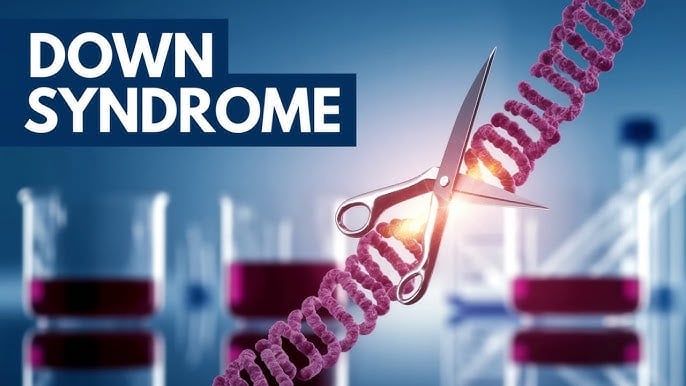
While the Mie University team’s achievement is a promising step forward, much work remains before this technique can be used as a clinical treatment. The next phase of research will focus on improving the precision of CRISPR editing, ensuring long-term stability of the edited cells, and developing safe delivery methods for use in living organisms.
Even if these technical challenges are overcome, the process of moving from laboratory success to practical use will take time. Clinical trials, regulatory approvals, and ethical considerations will all play a role in determining how and when this technology can be applied to real-world patients.
A New Era in Genetic Medicine

The breakthrough achieved by the team at Mie University marks the beginning of a new era in genetic medicine. For the first time, scientists have demonstrated the possibility of directly addressing the genetic cause of Down syndrome, offering hope for future therapies that could correct genetic conditions at their source. While this research is still in its early stages, it opens up new avenues for treating genetic diseases and represents a significant leap forward in the field of gene editing.
As the research progresses, it will be important to continue to consider the ethical, social, and medical implications of these advances. The potential to change lives is immense, but it must be approached with caution and responsibility. The road ahead may be long, but this discovery offers a glimmer of hope for a future where genetic conditions can be corrected at the DNA level, improving the quality of life for millions of people around the world.