
Table of Contents
- A Small Victory in the War Against Homelessness
- Homeless Housing Assistance and Prevention Program: A Lifeline for Cities
- A Deeper Look at the State’s Homelessness Crisis
- California’s Long-Term Strategy for Ending Homelessness
- The Political Dimension: Newsom’s Victory Lap Amid Midterm Elections
- The Human Toll: Stories from the Streets
- What’s Next for California’s Homelessness Crisis?
A Small Victory in the War Against Homelessness

For those who follow California’s homelessness crisis, the statistics are a bitter reminder of the scale of the issue: approximately 160,000 people are living without stable housing in the state. While the figures are still sobering, the recent drop in homelessness by 10% signals some progress in the fight. Governor Newsom’s office has consistently touted various initiatives aimed at tackling this issue, but the announcement of new funding adds a layer of optimism to what has often felt like an insurmountable problem.
At a press conference held on Friday, Newsom celebrated the success of his administration’s Clean California initiative, which has resulted in the cleanup of several major encampments, particularly in cities like Los Angeles. The program, which includes partnerships with state agencies such as Caltrans, has helped to clear thousands of tons of trash and debris from public spaces while also offering more people the opportunity to transition off the streets.
Homeless Housing Assistance and Prevention Program: A Lifeline for Cities
The new funds will be directed at the six cities that have received previous rounds of support from the state’s Homeless Housing, Assistance, and Prevention program. First launched in 2019, the program has steadily provided millions in state funds to help local governments create emergency housing, expand mental health services, and offer addiction treatment programs. With the new $419 million injection, cities like San Francisco, Los Angeles, and San Diego will be able to ramp up these efforts even further.
“The money is crucial in supporting cities as they expand their efforts to provide permanent housing and essential services for homeless residents,” said Newsom during the announcement. “California can’t do this alone, but with local leadership and sustained investment, we can reduce homelessness and give more people the stability they deserve.”
The new funding will be distributed as follows: $214 million for Los Angeles, $134 million for San Francisco, and $71 million for San Diego. These cities have been hit hardest by the homelessness crisis, and the money will help expand housing availability, address mental health concerns, and improve emergency services for those on the streets.
A Deeper Look at the State’s Homelessness Crisis

California has one of the largest homeless populations in the United States, with major cities like Los Angeles, San Francisco, and San Diego being ground zero for the crisis. There are many factors contributing to this persistent issue: skyrocketing housing costs, income inequality, a lack of affordable housing, and mental health and substance abuse challenges.
While the state’s efforts to provide housing and services have shown some success, experts argue that there is much more work to be done. “The state’s initiatives have been a step in the right direction,” said Maria Lewis, a policy analyst with the California Homeless Coalition. “But it’s important to recognize that homelessness is a multi-faceted problem that requires ongoing investment, community collaboration, and comprehensive support systems.”
As of 2026, the state has seen a slight reduction in the number of people living on the streets, but homelessness remains a crisis, especially in cities like Los Angeles. Recent data shows that over 60,000 people are still living on the streets of Los Angeles alone. Newsom’s funding announcement provides a glimmer of hope, but it remains to be seen whether it will be enough to reduce these numbers in the long run.
California’s Long-Term Strategy for Ending Homelessness
Governor Newsom’s administration has consistently emphasized the need for a long-term strategy to combat homelessness. In addition to the Clean California initiative, the state has worked to increase funding for housing projects and support for mental health services. However, critics argue that while the funds are a step in the right direction, a more comprehensive approach is necessary to address the root causes of homelessness.
The state has pledged to work with local governments and community organizations to build permanent supportive housing units, increase mental health treatment availability, and provide long-term employment programs for people transitioning out of homelessness. “Providing immediate relief is important, but the goal is to create long-term solutions that allow people to rebuild their lives,” said Newsom.
The Political Dimension: Newsom’s Victory Lap Amid Midterm Elections
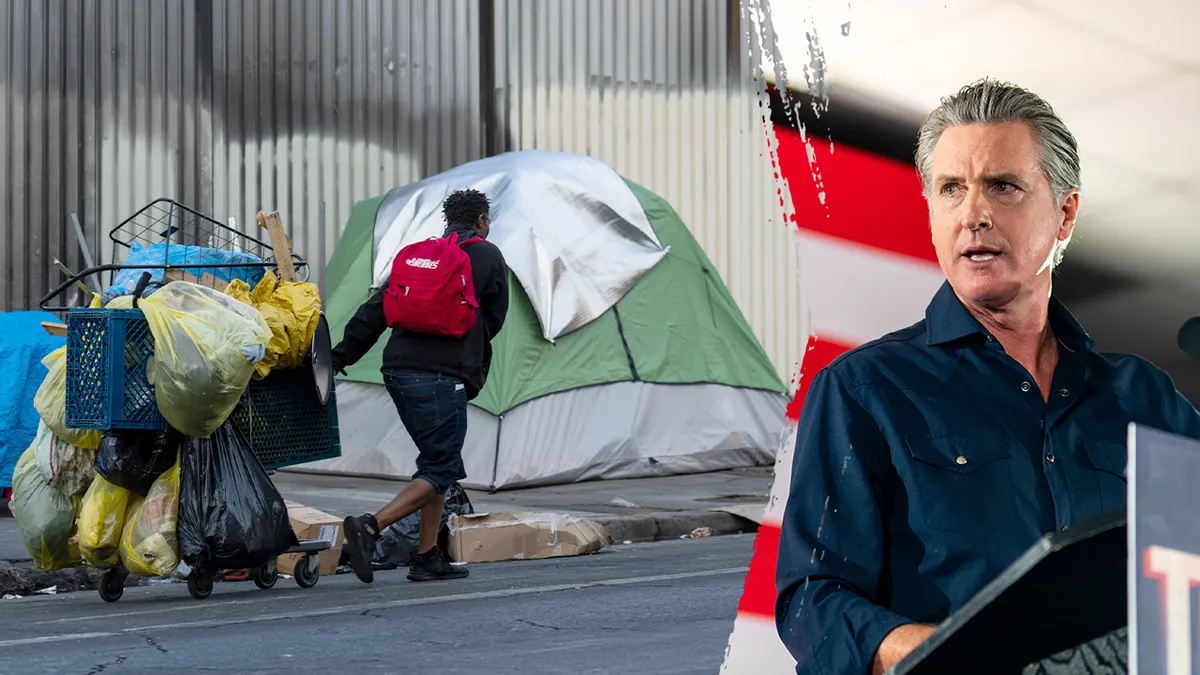
With the midterm elections fast approaching, Newsom is clearly positioning himself as a leader who can effectively tackle the state’s pressing issues. The announcement of new funding and a decrease in homelessness provides Newsom with a strong talking point for his re-election campaign, but it also highlights the deep partisan divide on how best to address the homelessness crisis. Republicans have repeatedly criticized Newsom for what they perceive as inadequate efforts to address the growing problem, especially in California’s largest cities.
Republican candidates for the 2026 election have pointed to the persistent homelessness crisis in California’s cities as a sign that Newsom’s approach has failed to produce lasting results. “While Newsom takes a victory lap, thousands of Californians are still living on the streets, and his administration continues to push policies that do little to solve the root causes of homelessness,” said a spokesperson for the California Republican Party.
The Human Toll: Stories from the Streets
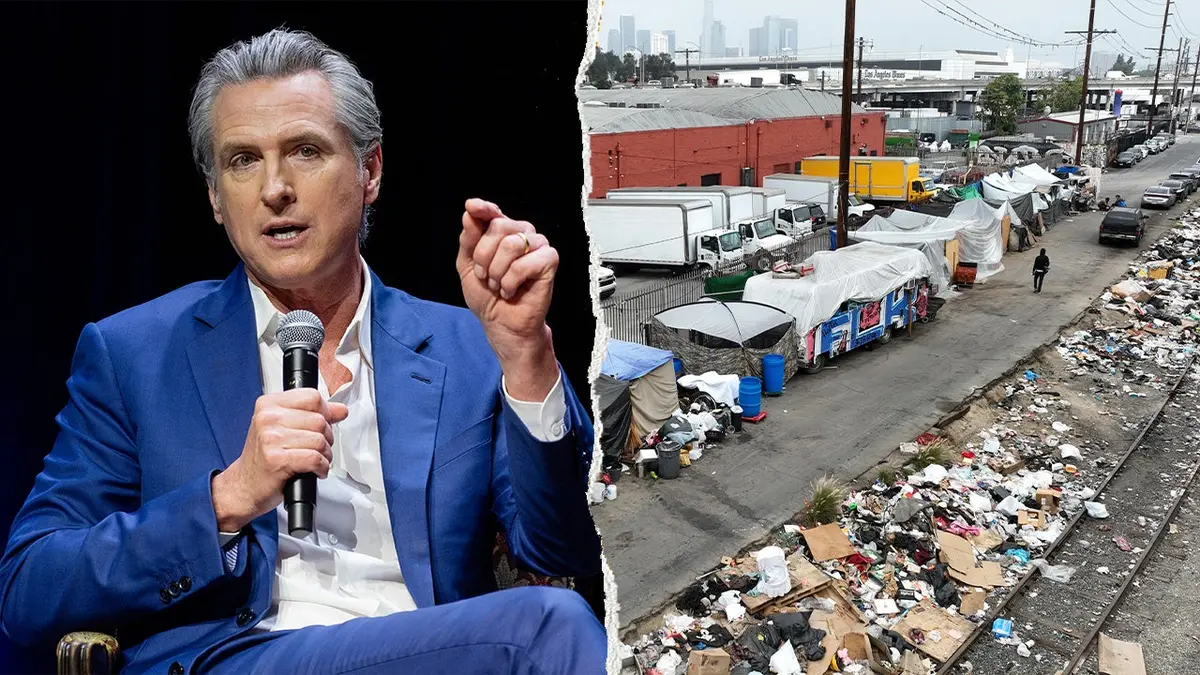
While Newsom’s announcement of funding and a 10% drop in homelessness may sound like a win, the reality of life on the streets is much more complex. For those who have been living in encampments for years, the promises of funding and new housing can seem far removed from their daily struggles.
“I’ve been out here for five years. It’s hard to believe that anything will change,” said Marcus, a homeless man living in Los Angeles. “People talk about the new programs, but we need more than that. We need real help, not just a clean-up crew.”
Marcus’ sentiment reflects the frustration many feel in the face of continued hardship. While the funding provides a glimmer of hope, it will take time for it to translate into tangible improvements in people’s lives.
What’s Next for California’s Homelessness Crisis?
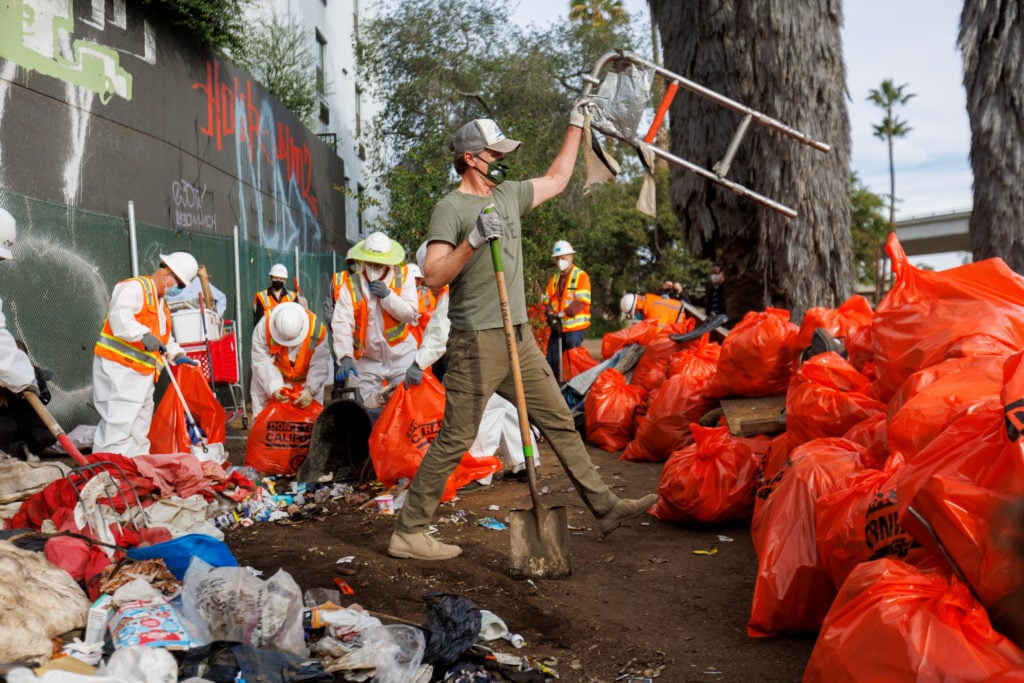
Governor Newsom’s recent announcement is a reminder that California is still facing a complex and ongoing crisis. While the 10% reduction in homelessness is a welcome development, the work is far from finished. The new funding is a crucial part of California’s strategy, but the state will need to continue investing in long-term solutions to effectively address the issue.
As Newsom’s administration works to expand housing, improve mental health services, and reduce the number of people living on the streets, the public will be watching closely to see if these efforts lead to lasting change. The true test will be whether these efforts can reduce homelessness in California’s most impacted cities and whether they can offer hope to the thousands of people still living in tents and encampments.