
Table of Contents
- The Airflow Dangers: Drying Out Your Airway
- Allergies and Asthma: Why Fans May Make Them Worse
- Dry Eyes: An Unlikely Side Effect of Fan Usage
- Muscle Stiffness: A Surprisingly Common Issue
- The Cost of Dehydration: How It Affects Your Sleep
- Alternatives to Using a Fan While Sleeping
- What To Do If You Experience Symptoms
- Is It Time to Say Goodbye to the Fan?
The Airflow Dangers: Drying Out Your Airway
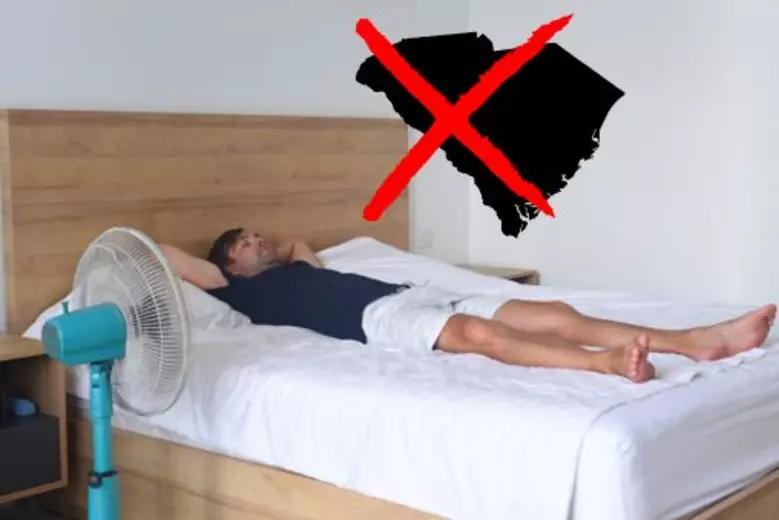
According to Dr. Dintyala, one of the primary risks of sleeping with a fan on is that it can dry out the air around you. This causes your respiratory system to become dehydrated, leading to several unpleasant issues. “If you sleep with your mouth open or breathe in dry air for long periods, you may wake up with a sore throat,” Dr. Dintyala explains. This condition, although not life-threatening, can be uncomfortable and disrupt the quality of your sleep.
Additionally, the dry air can cause other problems, such as bronchitis and sinusitis, both of which are inflammation-related conditions that are exacerbated by a lack of moisture. Even if you aren’t prone to these conditions, the persistent dry air could lead to increased congestion, difficulty breathing, and even nosebleeds in some cases. This is particularly concerning for those with pre-existing conditions like asthma or chronic respiratory problems.
Allergies and Asthma: Why Fans May Make Them Worse
Fans can also blow around dust, pollen, and other allergens that may be lurking in your room, making allergy sufferers’ symptoms worse. “A fan simply circulates all the particles in the air, which can aggravate allergies or trigger asthma,” Dr. Dintyala warns. Many people don’t realize that the air they breathe while sleeping is far from clean. Fans can stir up particles that may irritate sensitive nasal passages and lungs, leading to a stuffy nose, watery eyes, or even a full-blown allergic reaction.
For those who already struggle with asthma, a fan could potentially worsen their symptoms by triggering an asthma attack, especially if the fan is directed towards their face while they sleep. Dr. Dintyala emphasizes that if you are prone to allergies or have asthma, it might be best to avoid using a fan at night or ensure your room is free from allergens before bed.
Dry Eyes: An Unlikely Side Effect of Fan Usage
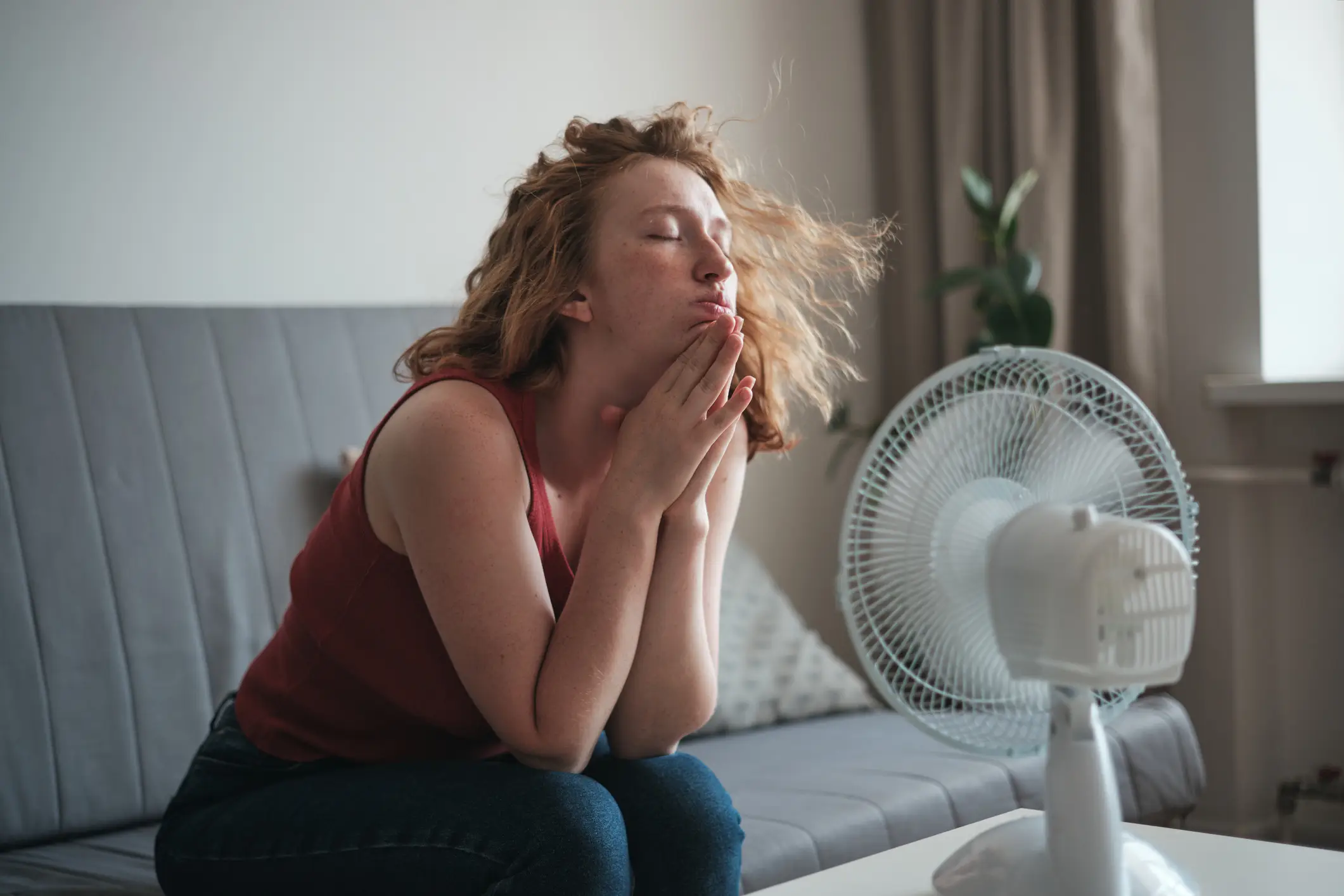
Another often-overlooked side effect of sleeping with a fan on is the impact it can have on your eyes. Dry eyes are a common complaint, and a fan blowing directly on your face while you sleep can worsen the problem. “The fan can dry out your eyes, making them feel gritty or irritated when you wake up,” Dr. Dintyala explains. This can lead to discomfort throughout the day and may even cause long-term damage if it becomes a regular habit. If you already wear contact lenses, you may find that your eyes are more sensitive to dryness and irritation, making it harder to wear your contacts for extended periods.
Muscle Stiffness: A Surprisingly Common Issue
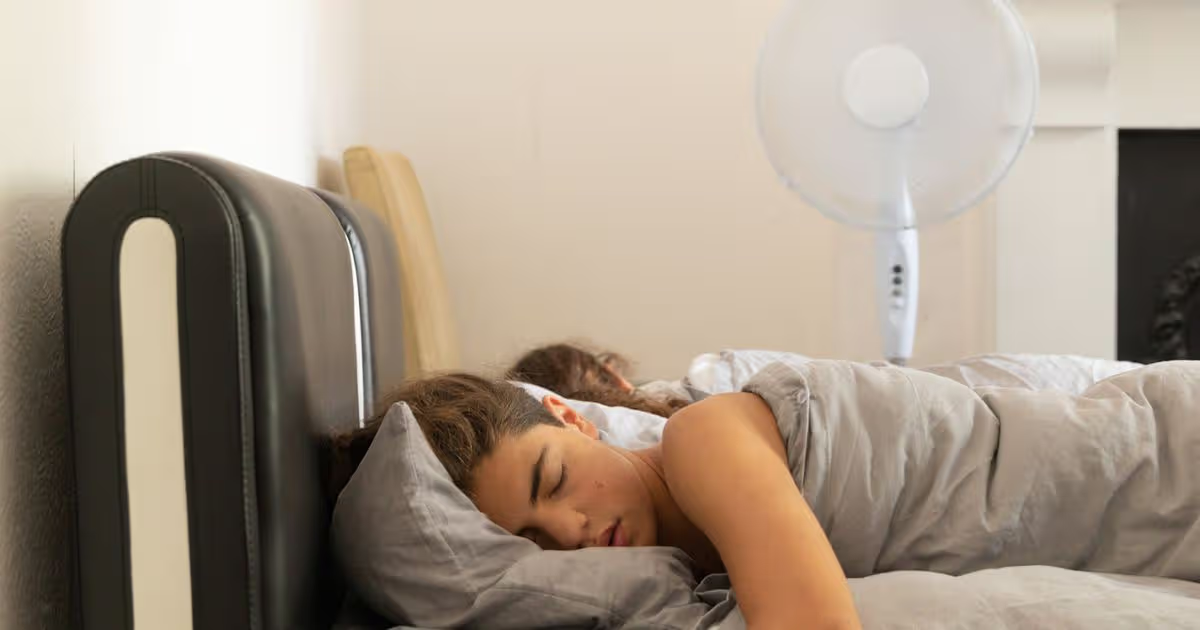
Dr. Martin Seeley, CEO of Mattress Next Day, highlights another unexpected issue caused by fans: muscle stiffness. According to Seeley, “If you have any pre-existing muscle pains, particularly from working out or poor posture, you should avoid pointing a fan directly at that area while you sleep.” Fans can cause muscles to stiffen by drying out the air around them, which affects how your body recovers overnight. If your muscles are exposed to the direct flow of air, they may become tighter and more prone to discomfort, leaving you feeling sore when you wake up.
If you suffer from back pain, joint pain, or muscle fatigue, the continuous blowing of air can exacerbate these issues, leading to a morning filled with stiffness and discomfort. Avoiding the fan or placing it in a different direction can help mitigate these issues.
The Cost of Dehydration: How It Affects Your Sleep
The combination of dry air, nasal congestion, and irritated eyes can also lead to dehydration, which affects not only your body’s physical health but also the quality of your sleep. “When your body becomes dehydrated, it can lead to a deeper sense of fatigue, making you feel groggy and tired the next day,” says Dr. Seeley. Dehydration may also cause you to wake up more frequently during the night, leading to fragmented sleep that disrupts the body’s natural recovery processes.
Additionally, mild dehydration can result in a headache, stuffy nose, or even sinus headaches, further reducing the quality of your sleep. While you may feel tempted to power through the summer heat by using a fan, it’s important to remember that dehydration can have far-reaching consequences on your health and well-being.
Alternatives to Using a Fan While Sleeping
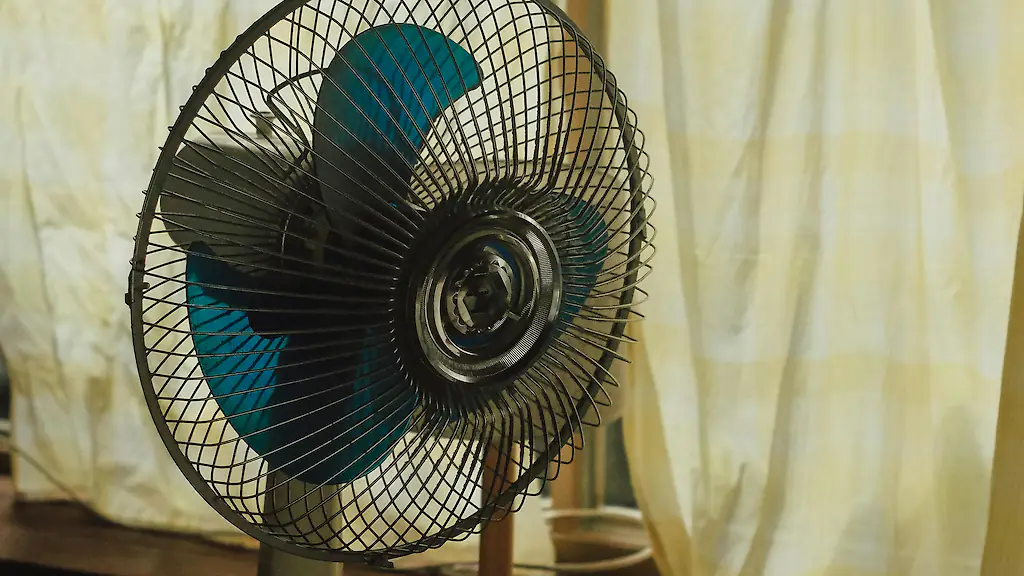
Given the health risks associated with using a fan at night, Dr. Dintyala recommends a few alternatives to help cool down your bedroom without causing harm. One of the simplest solutions is to use an air conditioning unit, which cools the air without drying it out. Air conditioning can regulate the temperature without affecting the moisture levels in the room, making it a better option for those with respiratory issues or allergies.
Another option is using a humidifier in your bedroom to add moisture to the air. This can help prevent dryness and alleviate symptoms like sore throats, dry eyes, and nasal congestion. However, it’s important to keep the humidifier clean to avoid introducing mold or bacteria into the air.
What To Do If You Experience Symptoms
If you’ve been using a fan while sleeping and are noticing symptoms like a dry throat, sinus issues, or dry eyes, there are a few steps you can take to ease the discomfort. First, try drinking plenty of water throughout the day to keep your body hydrated. Using a saline nasal spray or a decongestant can help clear blocked nasal passages, while eye drops can alleviate dryness and irritation in your eyes.
If you continue to experience discomfort or if your symptoms worsen, it may be a good idea to consult with a healthcare professional to determine if the fan is contributing to your health issues.
Is It Time to Say Goodbye to the Fan?
As tempting as it may be to use a fan during hot summer nights, the potential health risks are worth considering. From dry eyes and respiratory issues to muscle stiffness and dehydration, sleeping with a fan on can lead to several uncomfortable and potentially harmful effects. By making simple changes—such as using an air conditioner or humidifier—you can still enjoy a cool night’s sleep without compromising your health.
With the summer season fast approaching, it’s important to prioritize your health and be mindful of the risks associated with using a fan. While it may seem like a quick fix for hot nights, the long-term effects may be more troublesome than you realize.