
Table of Contents
- Economic Growth: A Promising Start to 2026
- The War in Iran: A Double-Edged Sword for Trump’s Presidency
- Cost of Living: The Real Economic Pressure Point
- Interest Rates: A Stumbling Block for Consumers
- Stock Market Resilience: A Silver Lining for Investors
- Trump’s Economic Legacy: A Mixed Record
- The Midterms: Economy or Election Interference?
- A Long Road Ahead for Trump’s Economic Agenda
Economic Growth: A Promising Start to 2026
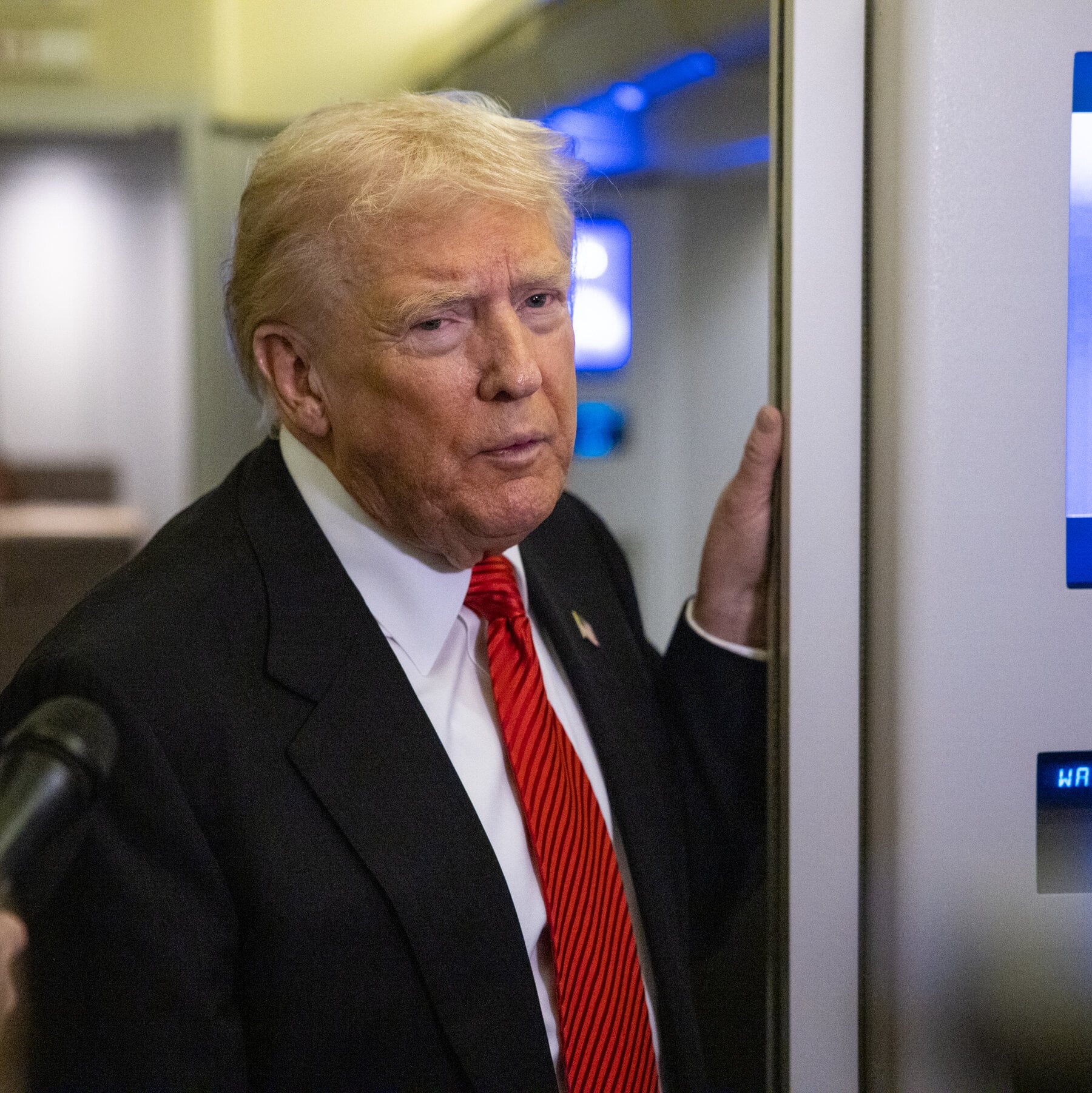
In the first three months of 2026, the U.S. economy demonstrated resilience, with GDP growth reaching 2% on an annualized basis. This positive development came as a surprise to many economists, who had feared that rising inflation and consumer spending pressures would lead to stagnation. The growth, however, did not come without challenges. The ongoing trade war, particularly with China, and the energy shock caused by the war in Iran pushed prices higher for many American consumers. Despite these challenges, the overall economy continued to show growth, largely driven by massive investments in technology and artificial intelligence (AI) from major tech giants. Experts now agree that while consumer spending remains strong, the future growth engine lies in tech investments, particularly those linked to AI.
The War in Iran: A Double-Edged Sword for Trump’s Presidency
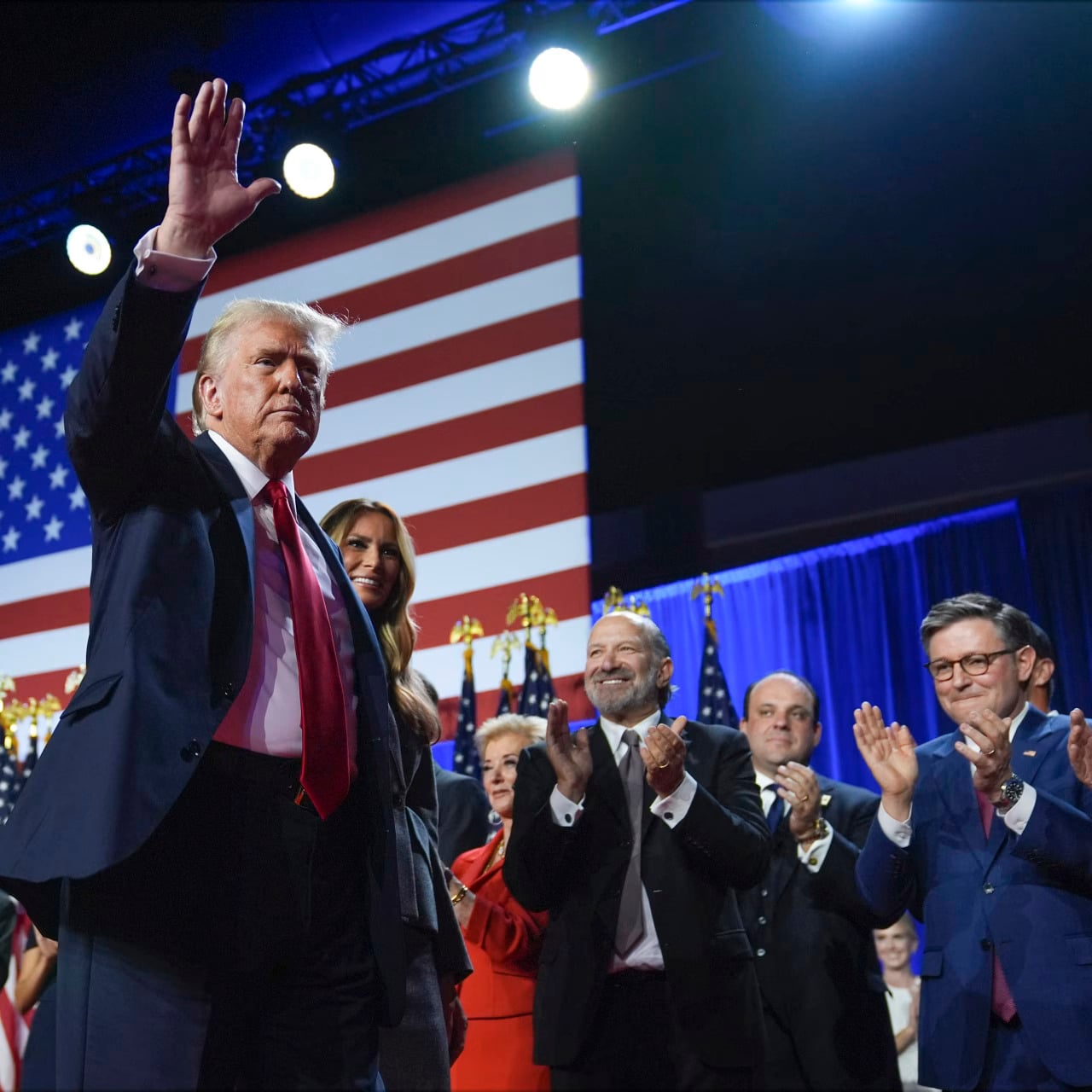
The war in Iran has had a profound impact on global energy markets, and its ripple effect is keenly felt at home. The closure of the Strait of Hormuz, a vital passage for global oil shipments, led to a surge in oil prices. By the end of April 2026, a barrel of Brent crude had soared to $126, up from $73 just months earlier. This energy shock contributed to a rise in inflation, with March’s inflation rate hitting 3.3%, the highest it had been in nearly two years. Gas prices, in particular, have been a point of contention, as the average price of a gallon of fuel reached $4.30, a significant jump from the $3 per gallon before the war began.
As Trump navigates the fallout from the war, the conflict has exposed some vulnerabilities in his economic policies. The President’s administration had anticipated that the war would be brief, but as the situation drags on, the economic toll is becoming more pronounced. With the cost of living rising and consumer spending under pressure, Trump faces growing scrutiny over his handling of the war and its economic implications.
Cost of Living: The Real Economic Pressure Point
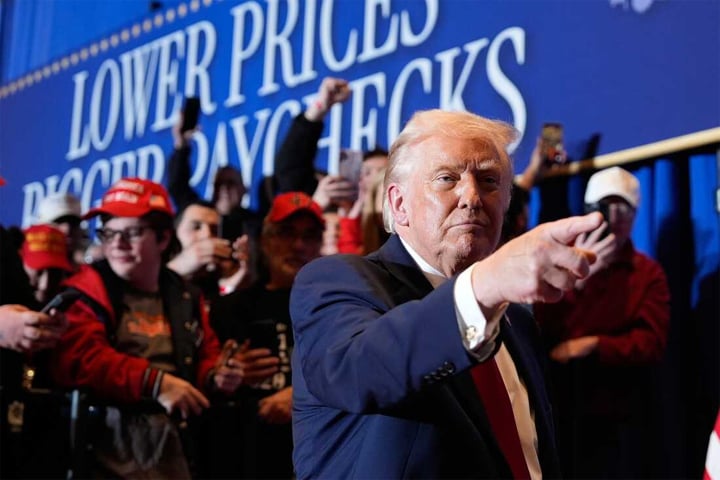
Despite the promising GDP growth, the true measure of success for Trump’s economic policies will be how Americans feel in their day-to-day lives. While the stock market has continued to perform well, with major indices like the Nasdaq gaining 10% since the war began, this has not been enough to offset the pain many Americans are feeling at the pump and in grocery stores. For most voters, the cost of living is the most pressing concern, and rising gas prices are a major part of that.
The war in Iran and the subsequent increase in energy prices have created a perfect storm for American consumers, driving up the cost of living. In addition to the higher prices at the pump, inflation has pushed up the costs of groceries and other essential goods. These price hikes have led to a sharp rise in the cost of living, which could have serious consequences for Trump as voters prepare to head to the polls in November.
Interest Rates: A Stumbling Block for Consumers
As inflation has risen, so have interest rates. The Federal Reserve, which had previously hoped to cut rates to stimulate the economy, has been forced to keep rates high due to the rising cost of living. In March 2026, the Fed held its base interest rate at 3.5% to 3.75%, a level higher than many had expected at the start of the year. As a result, mortgage rates have climbed, with the average 30-year mortgage rate rising from 5.98% to 6.3%. This has made it more expensive for Americans to borrow money, and could dampen consumer spending in the housing market and beyond.
The decision to keep interest rates high has been controversial, as it reflects the ongoing concerns about inflation. However, the Fed has signaled that it will continue to prioritize inflation control over rate cuts, which could lead to further economic strain for consumers. As interest rates remain elevated, many Americans are feeling the pinch of higher borrowing costs, adding to the pressure on their wallets.
Stock Market Resilience: A Silver Lining for Investors
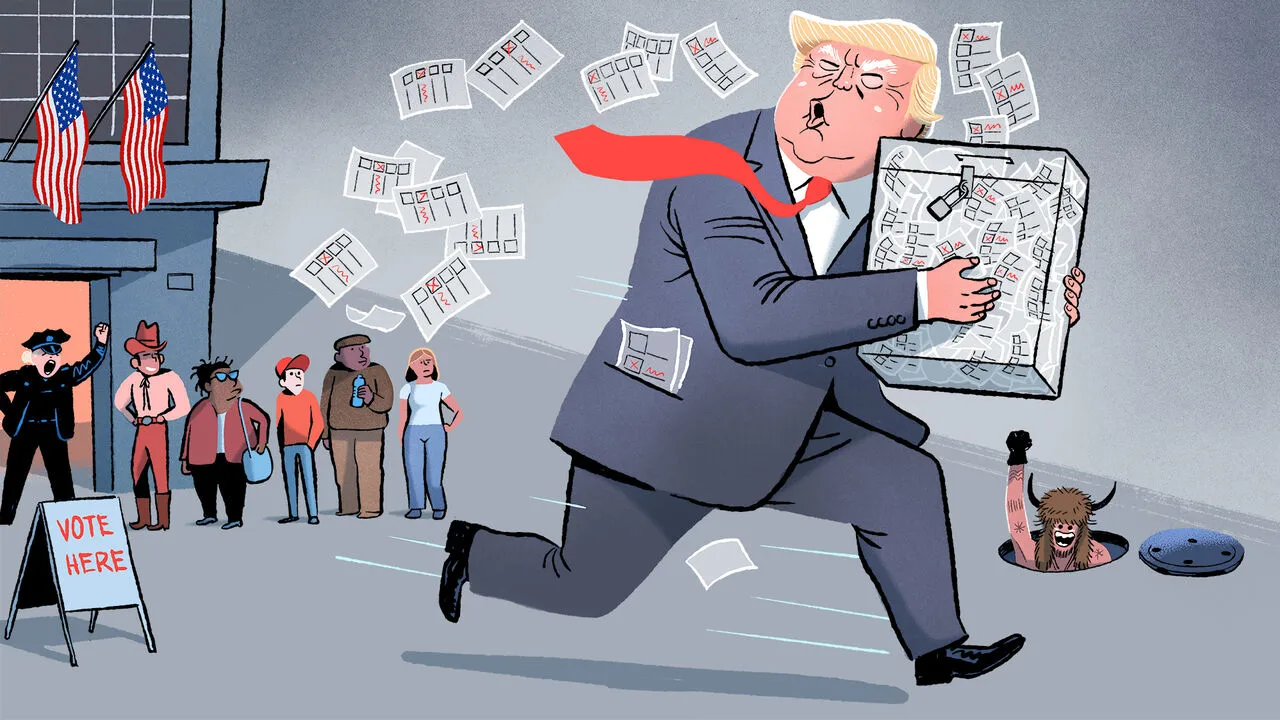
Despite the economic challenges caused by the war and rising inflation, the stock market has proven to be a resilient asset for many Americans. The major indices, including the S&P 500, the Dow Jones, and the Nasdaq Composite, have all regained the losses suffered in the early days of the war and continued to climb. The Nasdaq, for example, has seen a 10% increase since the start of the conflict, while the S&P 500 has risen by 5%.
For investors, this performance is a welcome sign, as the stock market has been a key driver of wealth for many Americans. The market’s continued growth provides a sense of optimism for those with investments tied to stocks, such as 401(k) plans. However, for the average voter who does not have significant investments in the stock market, the rally may feel distant, especially when their daily costs are rising.
Trump’s Economic Legacy: A Mixed Record
As Trump prepares for the 2026 midterms, his economic record will be a key point of focus. While the first-quarter GDP growth figures are a point of pride for the administration, the reality is that the war in Iran, rising gas prices, and inflation have put a significant strain on American consumers. Trump’s administration has worked to mitigate some of the effects of the war by tapping into the Strategic Petroleum Reserve and attempting to ease some trade restrictions. However, these efforts have not been enough to offset the growing economic pressures that many Americans are facing.
As the war in Iran continues and inflation rises, Trump’s economic legacy will be shaped by how he responds to these challenges in the months leading up to the election. If gas prices remain high and inflation continues to erode purchasing power, Trump could find himself in a difficult position heading into the midterms.
The Midterms: Economy or Election Interference?
With midterm elections just months away, the state of the economy will be a key determinant in the outcome. Trump’s approval rating has been impacted by rising inflation, and it remains to be seen whether the economic growth figures will be enough to sway voters. Republicans will be hoping that the positive GDP growth will help them retain control of the House and Senate, but the spiraling cost of living may prove to be a significant hurdle. The war in Iran, coupled with the rising cost of living, will continue to be a major issue for voters in the coming months.
A Long Road Ahead for Trump’s Economic Agenda
As the U.S. heads into the midterms, Trump’s economic policies will face intense scrutiny. While the first-quarter growth figures are promising, the reality of rising gas prices, inflation, and interest rates means that many Americans are still feeling the strain. How Trump navigates these economic challenges in the coming months will be crucial for his political future. With the war in Iran ongoing and no end in sight, the economic pressure on American families is only likely to increase, making it all the more important for Trump to address these issues head-on if he hopes to maintain his political standing.