
Table of Contents
- The Allegations: Treason and the Obama Administration
- Context: The 2016 Election and Russia’s Interference
- Trump’s Response and the Oval Office Discussion
- Obama’s Office Responds to the Accusations
- Treason: A Serious Accusation
- The Steele Dossier and the Clinton Connection
- Fact-Checking Trump’s Claims
- The Political Implications: 2020 Election and Beyond
- Public Reaction and Media Coverage
- What’s Next for Trump and Obama?
The Allegations: Treason and the Obama Administration
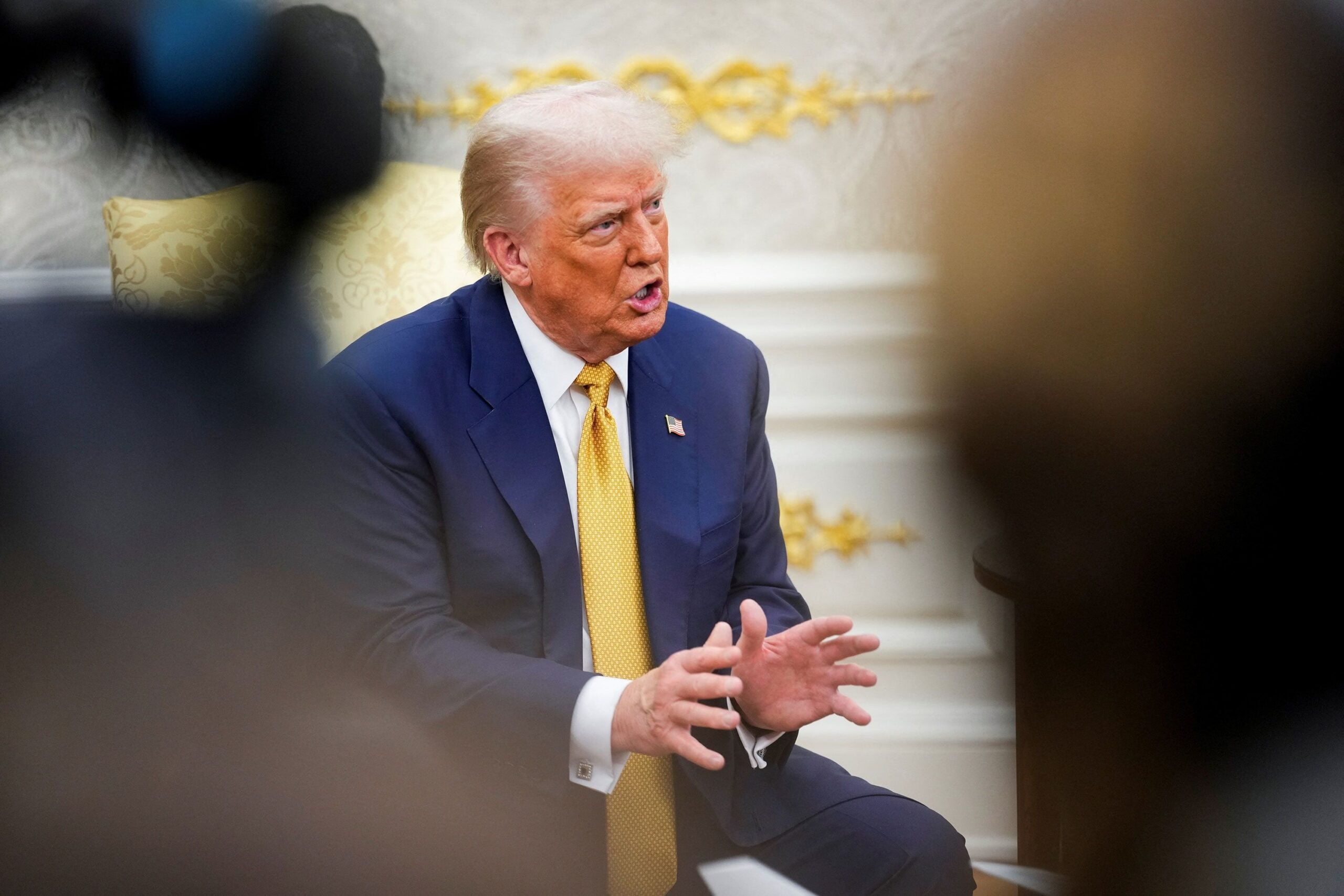
On a Tuesday in late July 2025, President Trump made a startling statement that sent shockwaves through Washington, D.C. Speaking in the Oval Office, he accused Barack Obama of being the mastermind behind a treasonous plot to interfere with the 2016 presidential election. Trump claimed that Obama, along with other members of his administration, had orchestrated a campaign to undermine the election, thereby attempting to “steal” it. This claim came in response to a criminal referral submitted by Tulsi Gabbard to the Department of Justice, alleging treasonous behavior by figures in the Obama administration during the 2016 election cycle. The accusations focus on the alleged involvement of high-ranking officials, including former FBI Director James Comey and former CIA Director John Brennan.
Context: The 2016 Election and Russia’s Interference
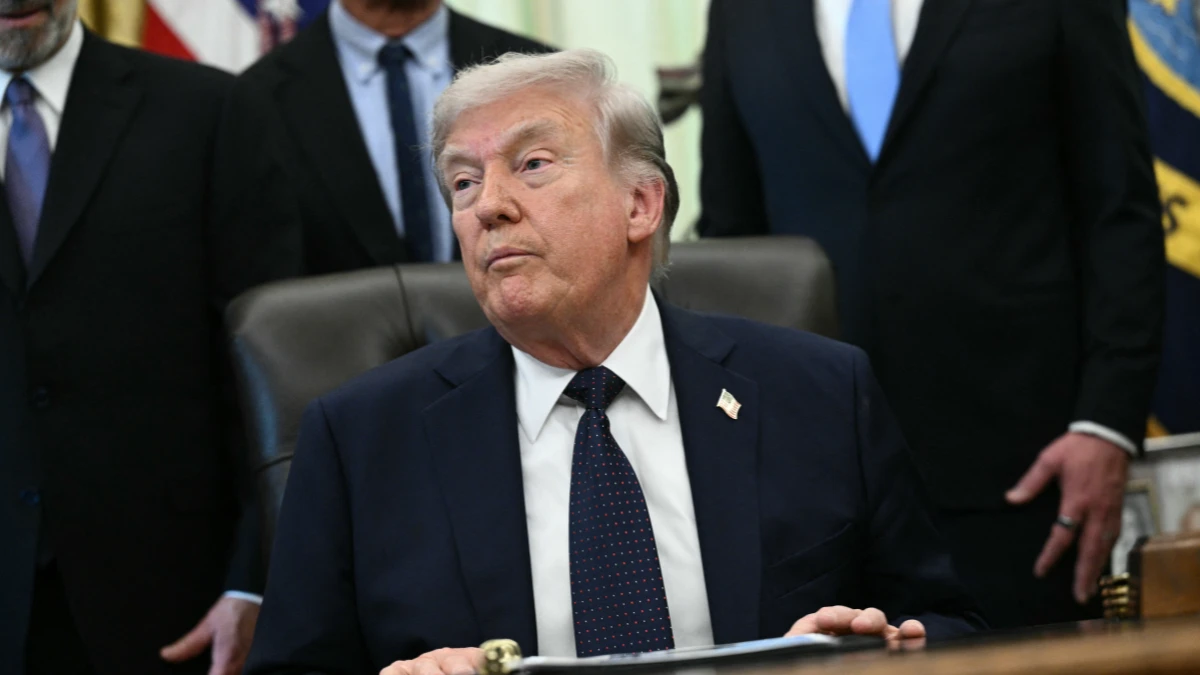
The backdrop to Trump’s allegations lies in the ongoing investigation into Russia’s interference in the 2016 election. U.S. intelligence agencies have long concluded that Russia sought to influence the outcome of the election, but there has been no concrete evidence to suggest that the results were altered or manipulated through direct actions such as hacking into voting systems. The claims made by Gabbard and Trump, however, appear to conflate these well-documented attempts at influence with the idea that Russia actively tried to change the election results. The assertion that former President Obama orchestrated these efforts is both explosive and controversial, as it touches on sensitive issues of election integrity and political accountability.
Trump’s Response and the Oval Office Discussion
During a discussion with Philippine leader Ferdinand Marcos Jr., Trump pivoted from questions about U.S.-Philippines trade relations to accusations against Obama. Trump claimed that Obama had been the “leader of the gang” behind the 2016 election interference, and that Biden, Comey, Brennan, and other high-ranking officials were complicit in the alleged plot. He further suggested that these actions were aimed at influencing the outcome of the election and undermining his presidential campaign. Trump’s remarks were filled with sweeping accusations, and while he did not provide direct evidence, he made a strong case for what he believed to be the truth.
Obama’s Office Responds to the Accusations
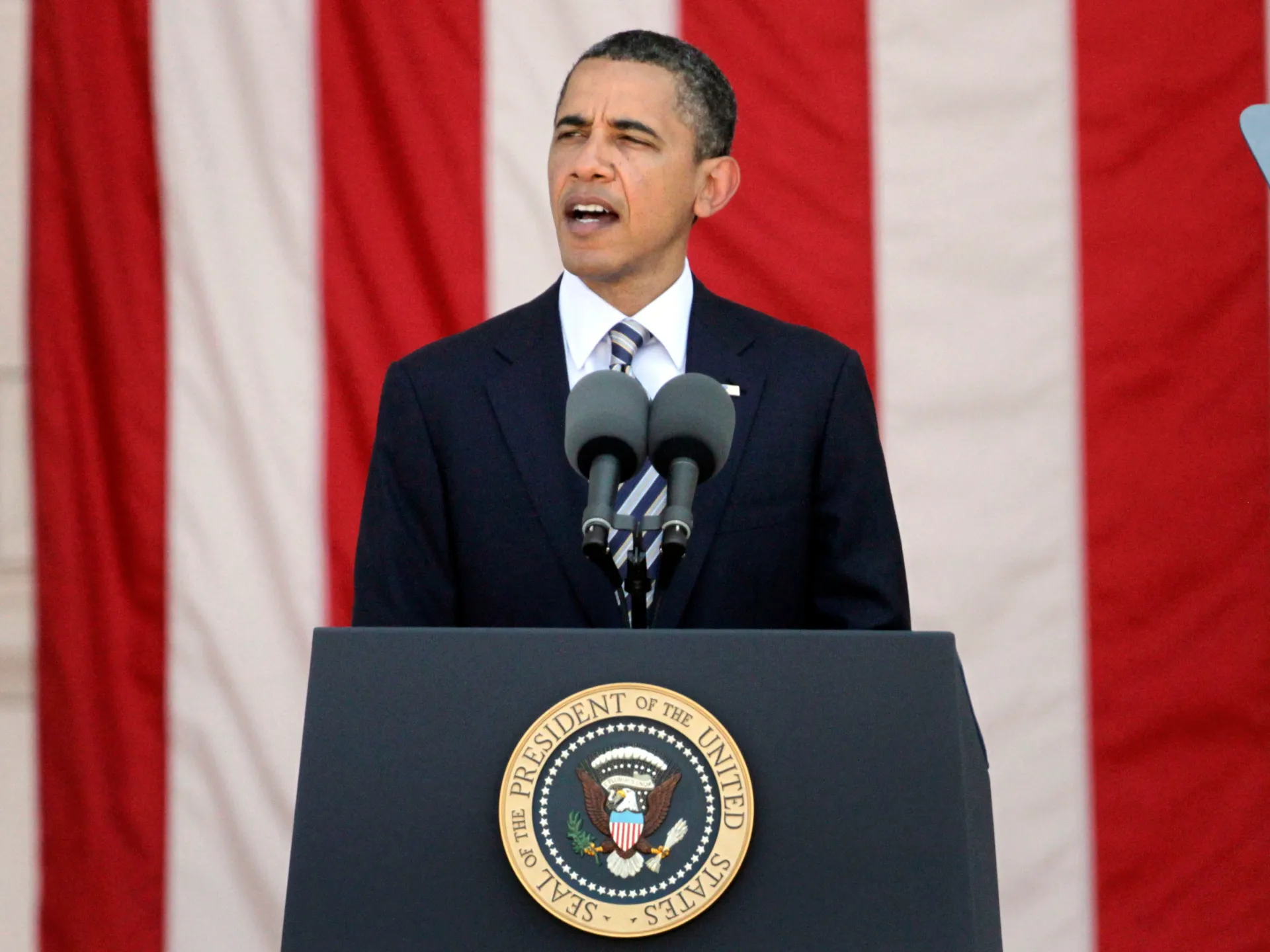
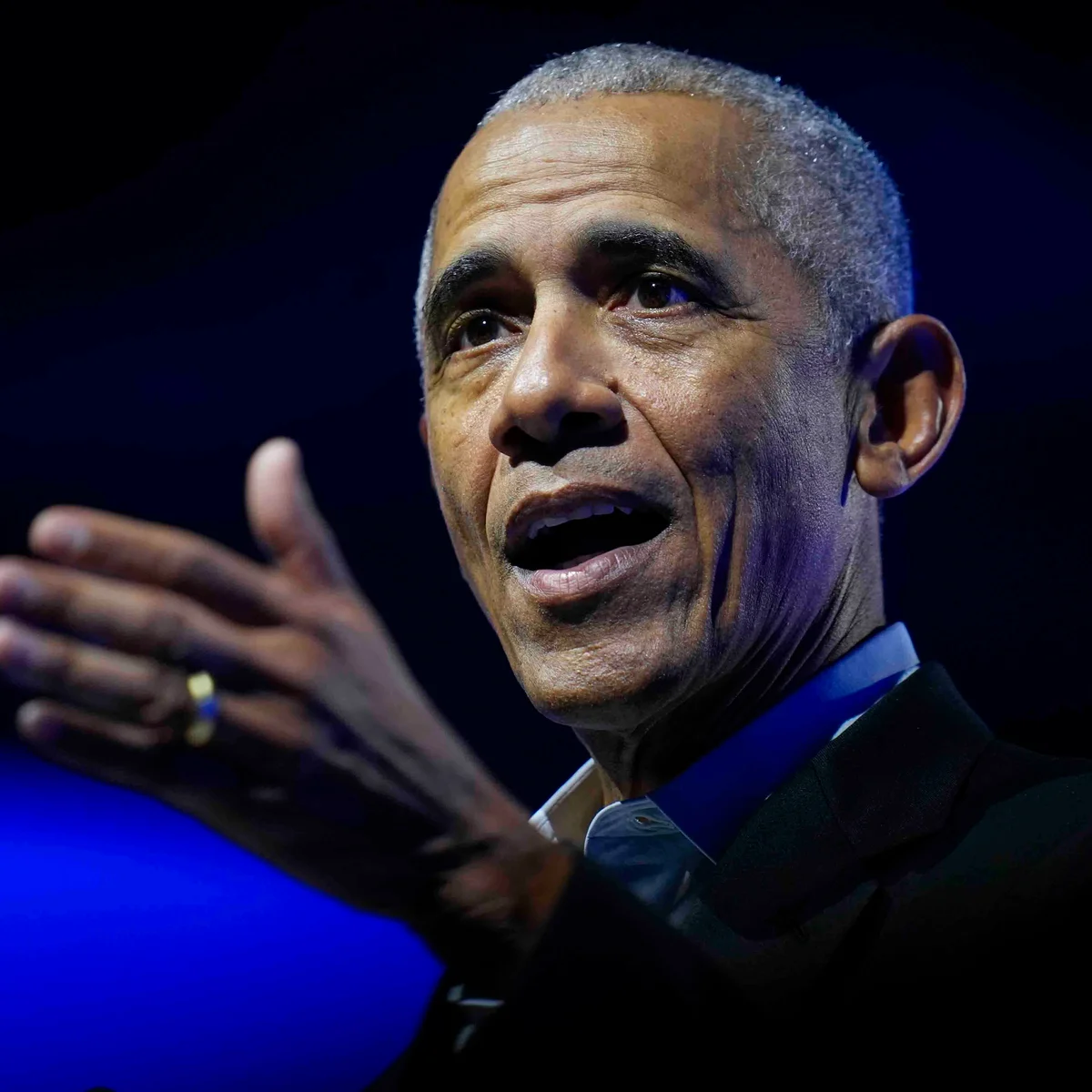
In a rare move, Obama’s office issued a statement directly responding to Trump’s accusations. Patrick Rodenbush, a spokesman for Obama, rejected the claims as “outrageous” and labeled them as a weak attempt at distraction. The statement emphasized that the widely accepted conclusion by the U.S. intelligence community—namely, that Russia sought to influence the election but did not alter its outcome—remains intact. The office also pointed out that these claims were not new and that similar accusations had been debunked in the past. Rodenbush concluded by asserting that the Obama administration had not engaged in any activities that could be considered treasonous and urged the public to focus on the facts.
Treason: A Serious Accusation
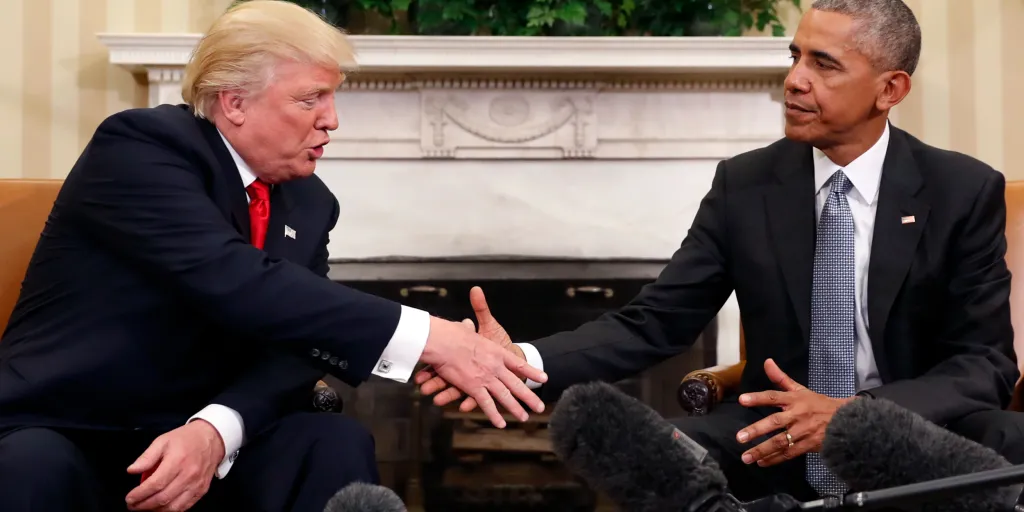
The crime of treason is one of the most serious offenses in the U.S. legal system, and Trump’s use of the term in this context raises significant legal and political questions. Treason is defined as an attempt to overthrow the government or aid its enemies, and it carries severe penalties, including the possibility of death. Trump’s repeated assertions that Obama’s actions were treasonous—despite a lack of concrete evidence—have led to sharp criticisms from political commentators and legal experts. The seriousness of the claim has drawn attention to the potential consequences for Trump’s presidency and the broader political discourse.
The Steele Dossier and the Clinton Connection
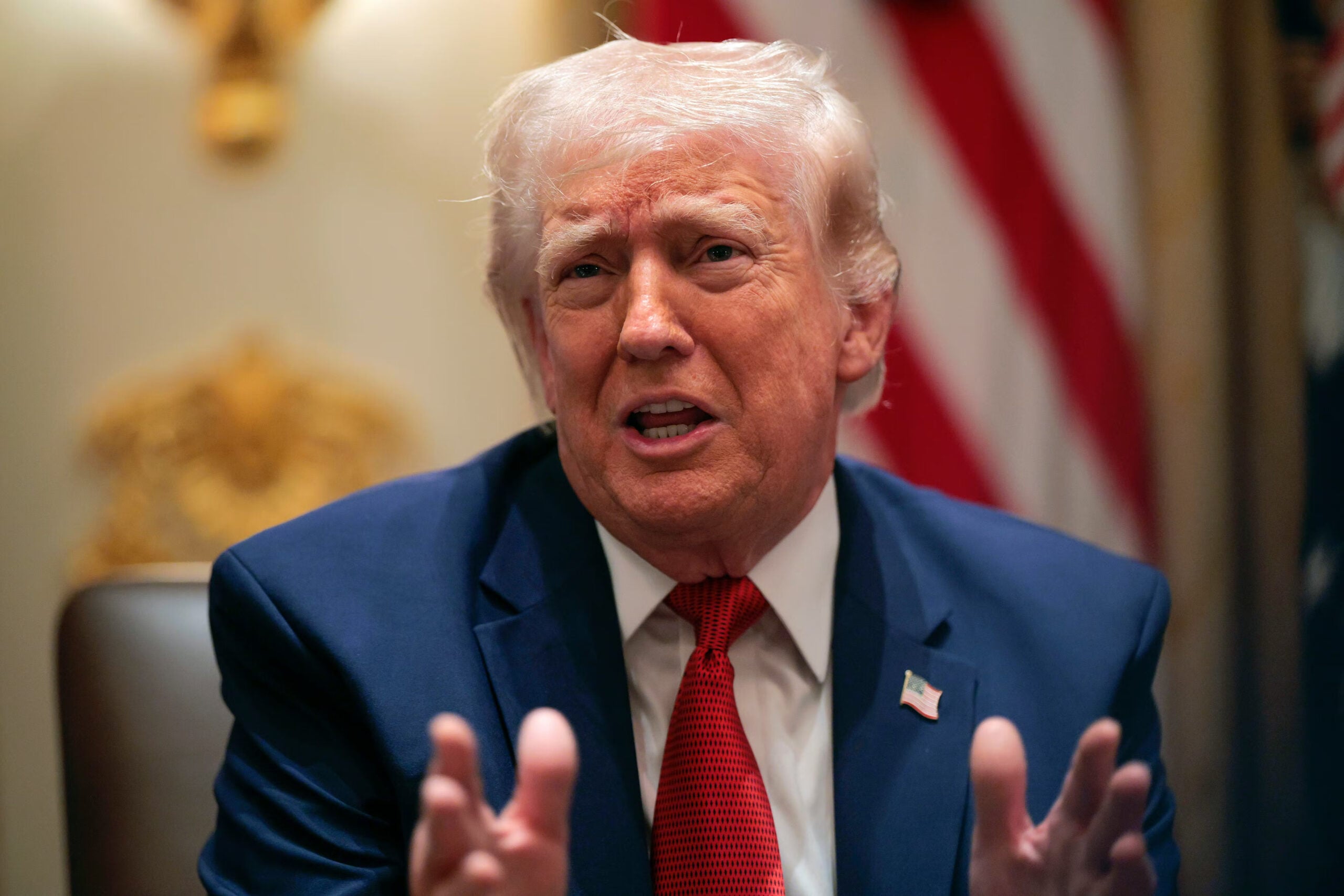
Trump also brought up the discredited Steele dossier, a key piece of the controversy surrounding the 2016 election. According to Trump, Hillary Clinton’s campaign paid $12 million for the dossier, which he labeled as a “fake report.” The dossier, which alleged ties between Trump’s campaign and Russian operatives, had been a major point of contention throughout the investigation into election interference. However, despite the dossier’s discrediting, the broader conclusion about Russian interference in the election remains widely accepted by the U.S. intelligence community. Trump’s focus on the dossier and its connection to Clinton appears to be part of a larger narrative aimed at discrediting his political opponents.
Fact-Checking Trump’s Claims
Several of Trump’s claims regarding the Steele dossier, Russia’s influence, and the alleged treasonous activities of Obama and Clinton have been fact-checked and found to be misleading or false. While it is true that the dossier contained significant errors and fabrications, it was not the sole basis for the investigation into Russia’s interference. Additionally, there is no evidence to suggest that Obama or Clinton were involved in any criminal activity related to the election. The Mueller report, which examined Russian interference, did not find conclusive evidence of collusion between Trump’s campaign and Russia. Nonetheless, Trump’s statements continue to fuel conspiracy theories and stoke political division.
The Political Implications: 2020 Election and Beyond
Trump’s accusations against Obama and Clinton are not just about the 2016 election—they are also about the 2020 election and the aftermath. Trump frequently brings up the claim that the 2020 election was “rigged,” despite the lack of evidence to support this assertion. By linking the 2020 election to the events of 2016, Trump seeks to cast doubt on the legitimacy of his loss and frame his presidency as the victim of a political conspiracy. This narrative has resonated with many of his supporters, but it has also deepened the political divide in the country, with critics accusing Trump of undermining democracy.
Public Reaction and Media Coverage
Trump’s accusations have been widely covered by the media, but responses have been divided along partisan lines. Supporters of Trump argue that his claims are valid and that they reflect the broader corruption within the Obama administration. Opponents, however, dismiss the accusations as baseless and designed to distract from Trump’s own legal troubles. The media’s role in shaping public opinion on these matters has been crucial, with some outlets emphasizing the lack of evidence behind Trump’s allegations, while others have given them more attention.
What’s Next for Trump and Obama?
As Trump continues to push these unsubstantiated claims, the political fallout will likely continue to escalate. The accusations against Obama and Clinton are not only a reflection of Trump’s frustration with his political opponents but also a strategy to rally his base ahead of future elections. Whether or not the claims will lead to any legal consequences remains to be seen, but they have already had a significant impact on the political discourse. In the coming months, we can expect more developments on this front, as Trump and Obama continue to face off in the court of public opinion.