
Table of Contents
- The Hidden Cost of Leaving a Charger Plugged In
- 1. Energy Loss: Why It’s Happening
- 2. Fire Hazards: The Risk of Leaving Chargers Plugged In
- 3. Shortened Lifespan of Chargers
- 4. Air Quality Concerns: Chemical Emissions from Chargers
- 5. Risks to Children and Pets
- 6. Environmental Impact and E-Waste
- Practical Tips for Safer and Smarter Charging
- The Power of Small Choices
The Hidden Cost of Leaving a Charger Plugged In
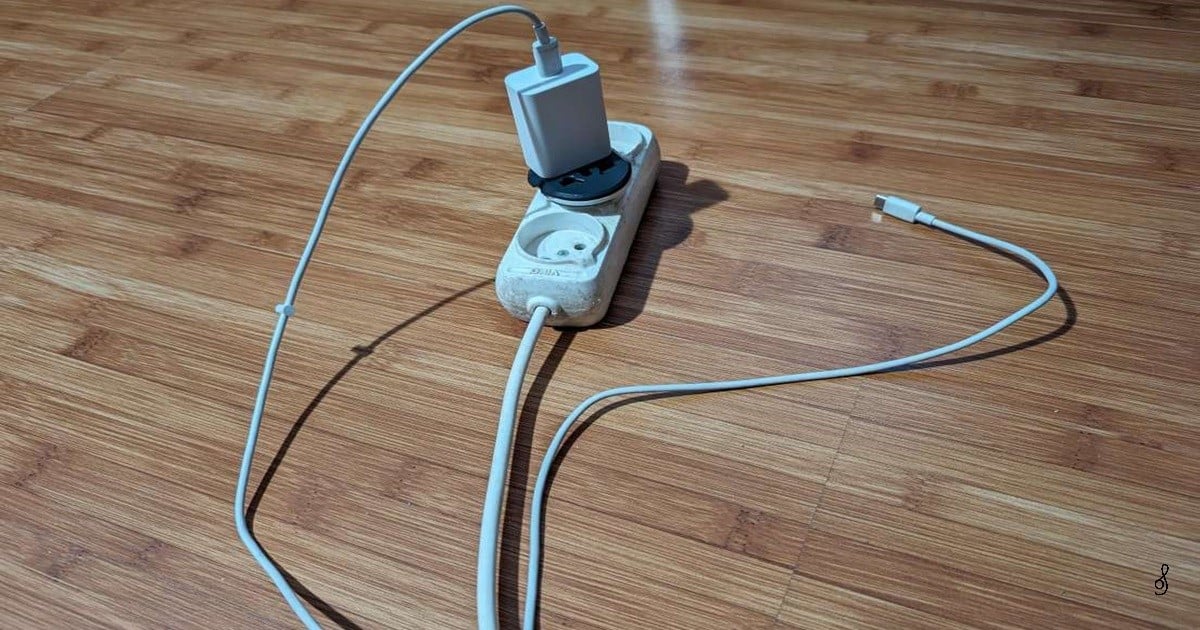
While it may seem innocent to leave a charger in the outlet, the reality is that it’s still consuming power. This is called “phantom load” or standby power—energy drawn by electronics even when they are switched off or not in active use. According to research, U.S. households collectively lose approximately $19 billion annually to standby power. The average home ends up wasting about $165 per year on energy that’s essentially being used for nothing.
This energy drain isn’t just an inconvenience for your wallet. It also contributes to a greater environmental issue. The more unnecessary electricity we consume, the more fuel is needed to generate it, leading to higher carbon emissions and strain on the power grid. This may seem like a small issue, but it’s part of a bigger pattern of energy inefficiency that has far-reaching consequences.
1. Energy Loss: Why It’s Happening
Even when no device is plugged in, chargers continue to pull power. The U.S. Department of Energy has found that many electronics, especially chargers, use energy even when they’re turned off. In fact, phantom loads can account for as much as 15% of a device’s total energy use. For an average household, this leads to almost $200 in wasted energy annually.
This unnecessary consumption may seem trivial in isolation, but on a national scale, it represents a significant energy drain. The excess power required to keep devices like chargers functioning increases emissions and places additional pressure on the power grid. Simple habits, such as unplugging unused chargers, can make a huge difference in reducing energy consumption and its impact on the environment.
2. Fire Hazards: The Risk of Leaving Chargers Plugged In
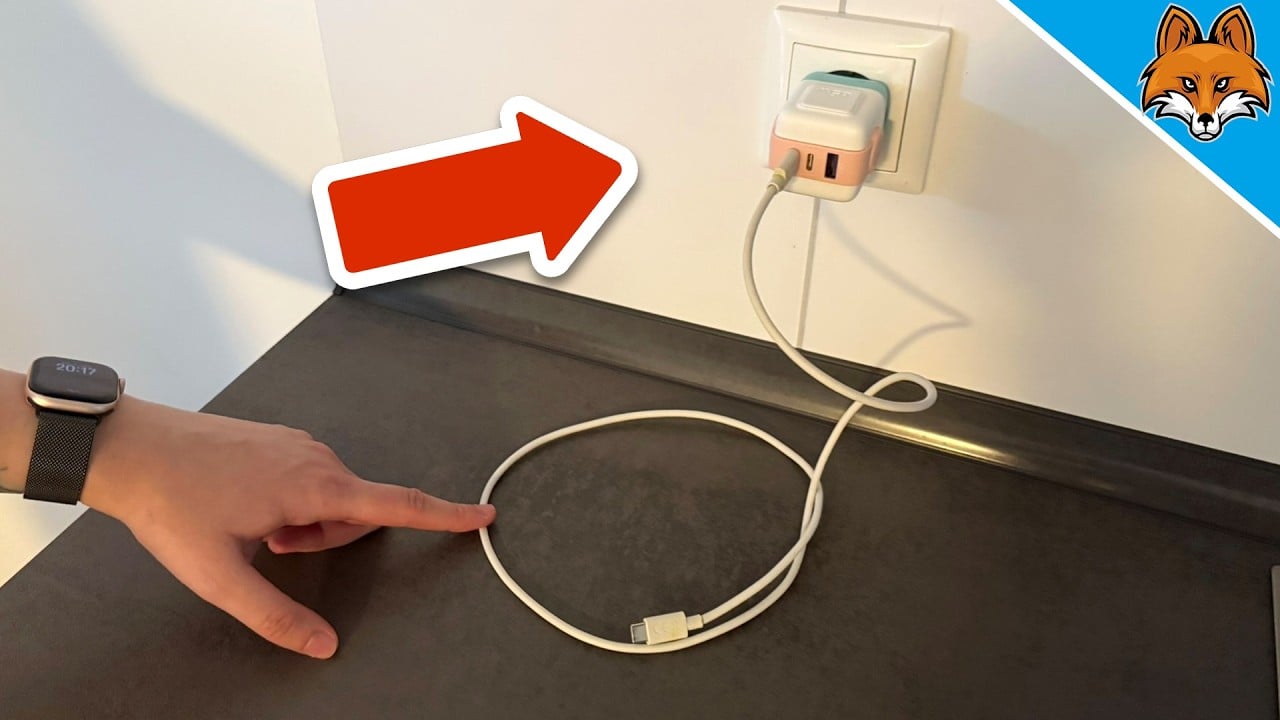
It’s not just the wasted energy that’s concerning. Left plugged in for long periods, chargers can pose a serious fire risk. While many chargers are designed to be safe, older or uncertified models can generate heat even when they’re not actively charging a device. Over time, this heat can build up and lead to dangerous situations, particularly if the charger is placed near flammable materials like paper or bedding.
In fact, the National Fire Protection Association attributes thousands of house fires annually to electrical malfunctions caused by small electronics, including chargers. Unplugging chargers when not in use—especially before bed or when leaving the house—is a simple step to reduce the risk of electrical fires. This precaution can significantly improve household safety and prevent accidents before they happen.
3. Shortened Lifespan of Chargers
Another downside to leaving chargers plugged in all the time is that it slowly degrades the device. Even when a phone or other device isn’t connected, electricity continues to flow through the charger, which gradually wears down internal components such as capacitors and insulation. Over time, this leads to a less efficient charger, longer charging times, and an increased risk of overheating.
A charger that’s left plugged in for too long may start to malfunction and eventually need replacing. While this seems like a minor inconvenience, it results in added costs for households and contributes to the growing issue of electronic waste. By simply unplugging chargers when not in use, you can help preserve their longevity and reduce the frequency of replacements, saving both money and the environment.
4. Air Quality Concerns: Chemical Emissions from Chargers
Chargers are made up of various materials, including plastics and metals that can emit small amounts of chemicals when they overheat. These chemicals—volatile organic compounds (VOCs) like formaldehyde and benzene—are known to contribute to poor indoor air quality. Although the emissions from idle chargers are subtle, they can be a significant concern in enclosed spaces, especially for individuals with respiratory issues like asthma or allergies.
Children, older adults, and anyone with breathing problems may experience aggravated symptoms from exposure to these chemicals. To reduce exposure, experts recommend unplugging devices when not in use, ensuring proper ventilation in rooms where chargers are plugged in, and using certified electronics. Simple actions like unplugging your charger can improve indoor air quality and create a healthier living environment.
5. Risks to Children and Pets
Chords from plugged-in chargers can pose hidden dangers to children and pets. For young children, cables are often within reach, and they may be tempted to tug on them, risking electrical burns or shocks. Pets, especially puppies, are known to chew on cords, which can lead to dangerous injuries or electrical fires if the charger is left plugged in.
To ensure safety, it’s essential to store cords and chargers out of children’s and pets’ reach. Unplugging chargers when not in use reduces the chance of accidental injuries, keeping your home safer for the most vulnerable members of your household. These small adjustments can make a big difference in preventing preventable accidents.
6. Environmental Impact and E-Waste
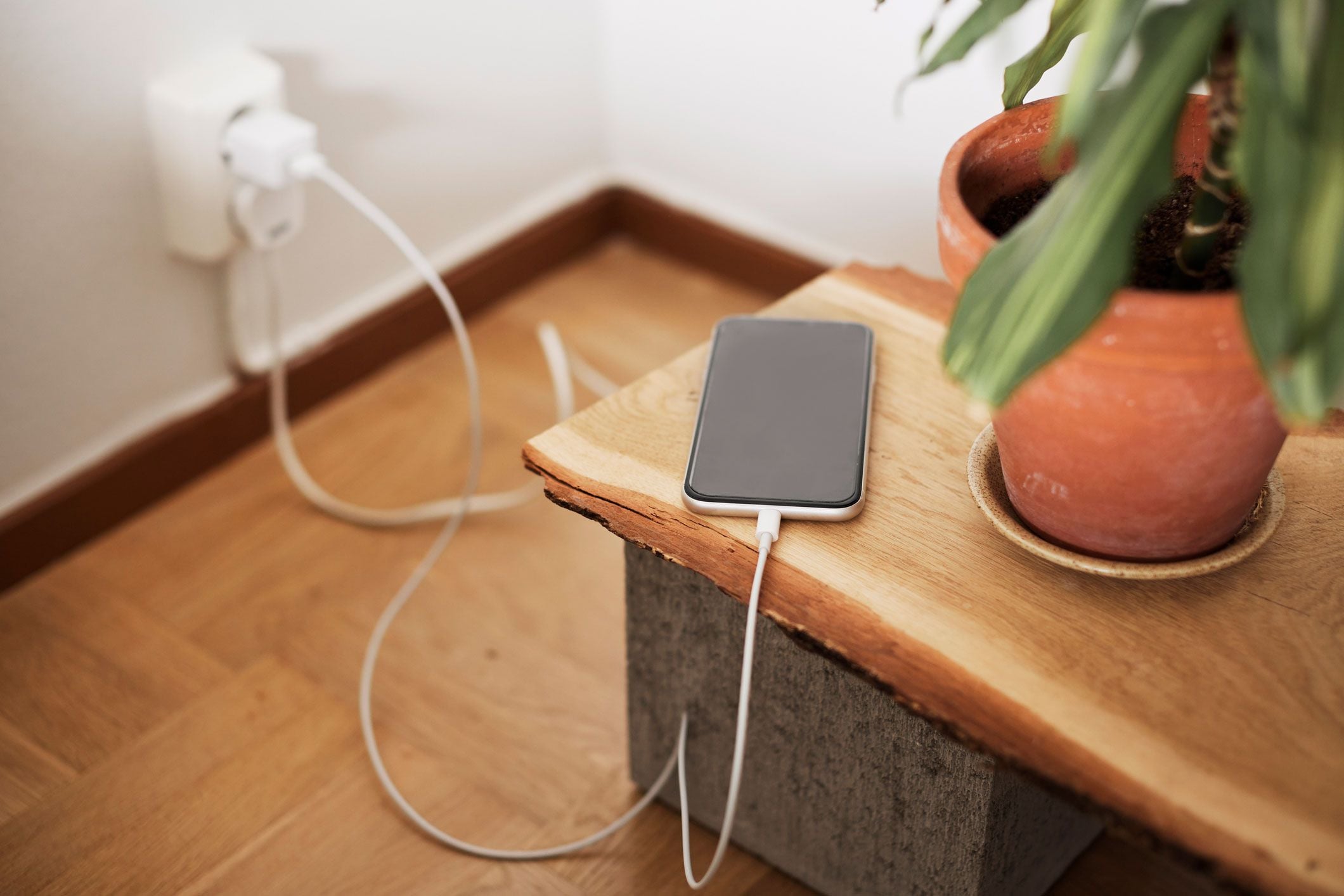
When chargers are used inefficiently or are discarded prematurely, they contribute to the global problem of electronic waste (e-waste). As the number of electronic devices continues to rise, so does the amount of e-waste that ends up in landfills, where it can leach harmful chemicals and metals into the soil and water. According to reports, millions of tons of electronic waste are generated each year, with much of it coming from the rapid turnover of gadgets like phone chargers.
By unplugging chargers and extending their lifespan, you help reduce the amount of e-waste generated. Furthermore, reducing the “phantom load” from chargers contributes to less energy waste and fewer emissions, helping mitigate the environmental impact of unnecessary consumption.
Practical Tips for Safer and Smarter Charging
Now that we understand the risks and consequences of leaving chargers plugged in, let’s explore some practical tips for making smarter, safer choices:
- Use Power Strips with On/Off Switches: Plug chargers and small electronics into power strips that have on/off switches. With a single flip, you can cut power to multiple devices and eliminate standby power use.
- Create a Charging Routine: Set reminders to unplug chargers before bed or when leaving the house. This simple habit can make a significant difference in energy savings and safety.
- Choose Energy-Efficient Chargers: Look for ENERGY STAR-certified chargers or those labeled as “low standby.” These products consume less power when not in use, helping you save energy.
- Store Chargers Properly: Keep chargers in a designated space when not in use. This reduces clutter, prevents accidental use, and keeps cords out of reach of children and pets.
- Monitor Your Energy Use: Use smart plugs or energy monitors to track the power consumption of your devices. By visualizing your energy use, you’ll be motivated to reduce unnecessary waste.
The Power of Small Choices
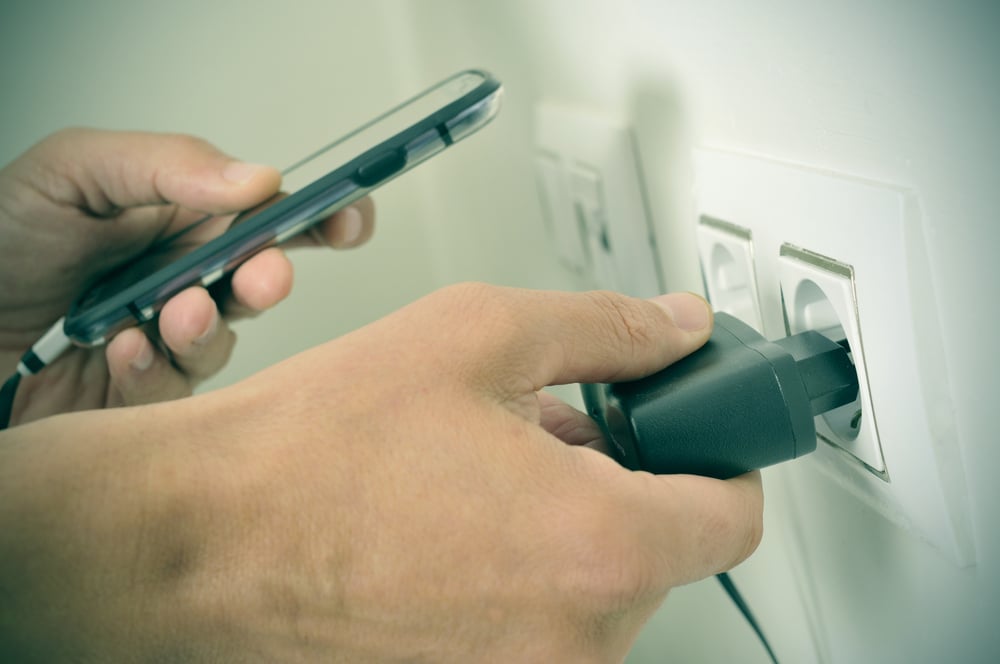
Leaving a charger plugged in may seem like a minor inconvenience, but it reflects larger trends in how we approach energy use and safety. Every small, repeated action contributes to bigger outcomes: lower energy bills, fewer preventable accidents, and a cleaner, more sustainable future.
Taking the time to unplug chargers, store them properly, and invest in energy-efficient alternatives is part of a larger shift toward more responsible habits. These simple steps can add up to real changes, helping reduce the environmental toll of our daily activities while keeping our homes safer.
In a world often focused on grand gestures, it’s the quiet, everyday actions—like unplugging a charger—that can make a meaningful difference. These small habits, repeated over time, shape our finances, safety, and the world we leave behind.