
Table of Contents
- The Proposal and Its Backlash
- Impact on American Prairie Foundation’s Efforts
- Ranchers in Favor of the Decision
- The Role of Bison in the Ecosystem
- Bison and Tribal Communities
- The Economic Aspect of Bison Ranching
- Bison as Livestock: The Legal Dispute
- The Environmental Impact of Cattle Grazing
- The Political Battle Over Public Lands
- The Future of America’s Bison
- Conclusion
The Proposal and Its Backlash
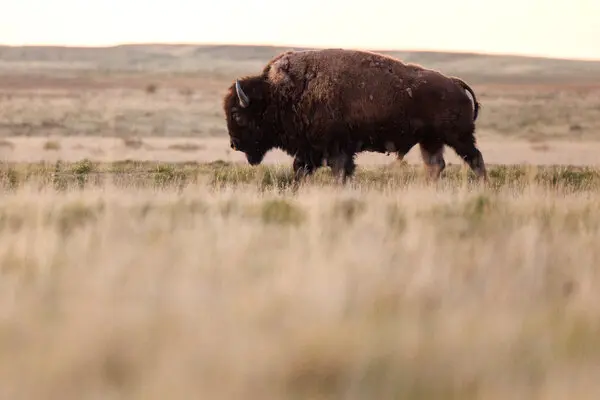
In January, the Trump administration proposed canceling grazing leases for bison on lands managed by the Bureau of Land Management (BLM). The primary justification for the move is that bison are not being raised for “production-oriented purposes” and thus have no legal right to graze on public lands. This decision has drawn criticism from conservationists, tribes, and non-profit organizations who argue that bison are vital for the ecosystem and should be allowed to roam freely.
Impact on American Prairie Foundation’s Efforts
One of the most significant victims of this decision is the American Prairie Foundation, a nonprofit that has been working for over two decades to restore the prairie ecosystem by reintroducing bison. The foundation, backed by wealthy donors, has been purchasing ranches and expanding its land holdings to create what it calls an “American Serengeti.” They aim to establish a vast, sustainable ecosystem with bison at its core. The proposed ban would undermine their progress, halting their bison conservation efforts and threatening the biodiversity they are trying to promote.
Ranchers in Favor of the Decision
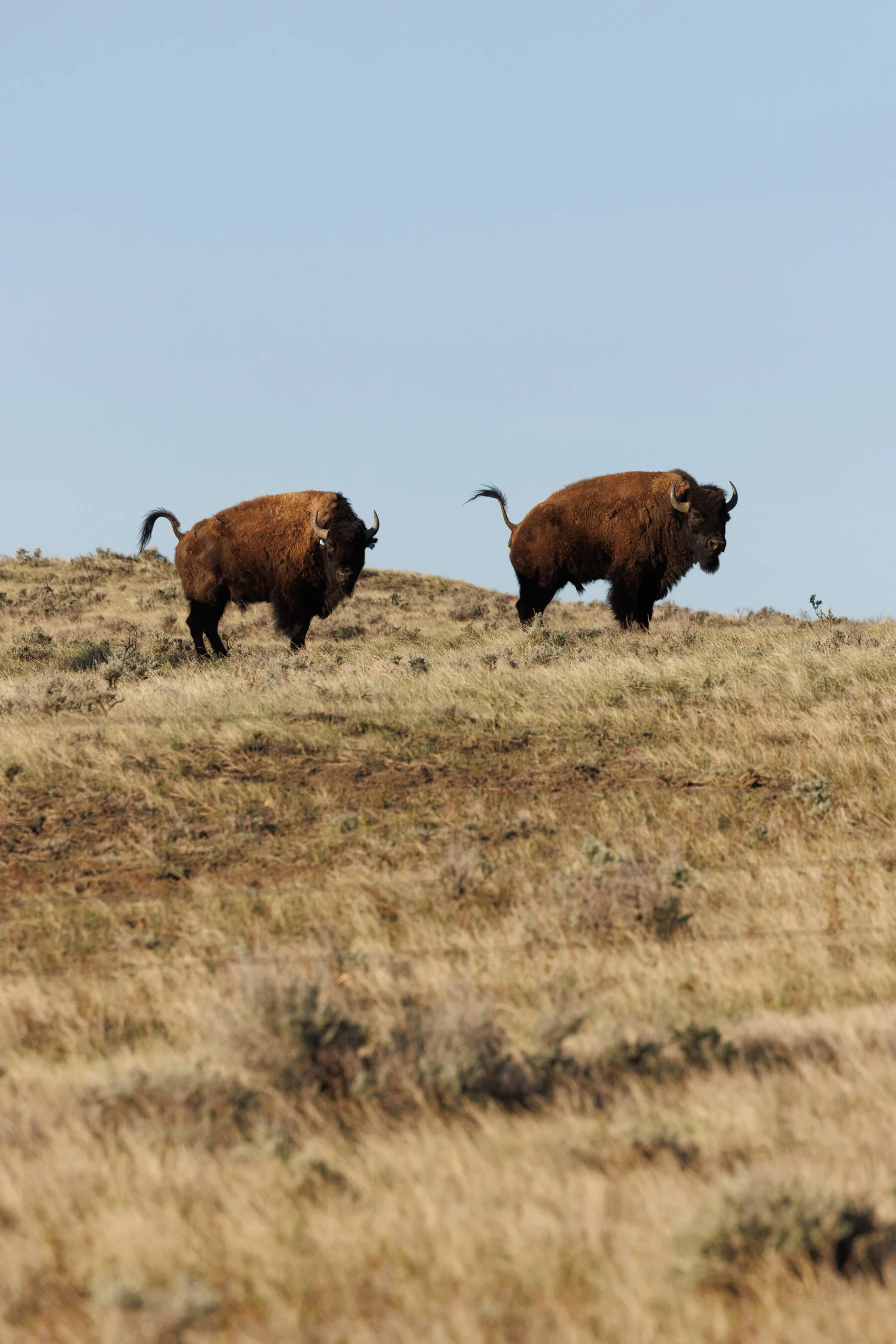
On the other side of the debate, many cattle ranchers are celebrating the proposed change. Montana Governor Greg Gianforte, a key ally of the Trump administration, has voiced support for the decision, arguing that it allows local communities and ranchers to thrive without the interference of federal policies that, according to him, prioritize bison over economic needs. Ranchers have long viewed bison as competitors for grazing lands that could be used for cattle, which are more economically valuable.
The Role of Bison in the Ecosystem
Scientific studies have shown that bison play a vital role in maintaining prairie ecosystems. A study by Kansas State University found that bison, when managed correctly, are more effective than cattle in increasing plant diversity, preserving soil quality, and enhancing wildlife habitats. These animals move differently, graze differently, and contribute to the land in ways that cattle simply cannot. In addition, bison are more resilient in the face of climate change, particularly droughts, as they are less reliant on high-quality forage.
Bison and Tribal Communities
Bison hold cultural, spiritual, and economic significance for Native American tribes. The Coalition of Large Tribes (COLT), which manages about 25,000 bison, has expressed outrage at the Trump administration’s decision. For many tribes, bison are not just livestock—they are central to their heritage and spiritual practices. The proposed ban would make it increasingly difficult for tribes to maintain and grow their bison herds, which have been a source of nourishment, economic revenue, and cultural connection.
The Economic Aspect of Bison Ranching
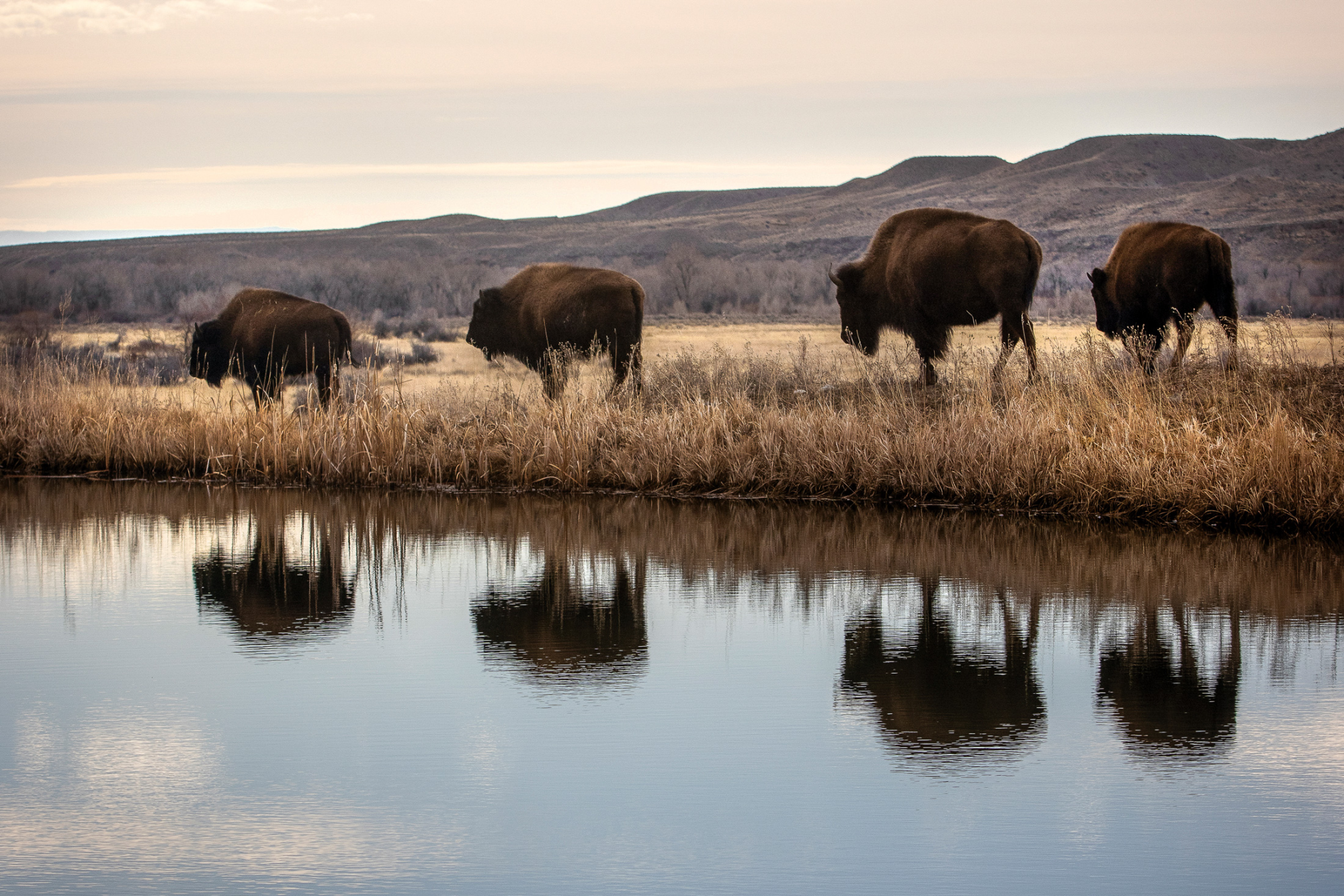
Bison ranching is not just about conservation; it is also a viable economic activity. Bison meat, which is leaner than beef, is sold for profit, and tribal businesses, as well as private bison ranchers, rely on grazing leases to expand their operations. The proposed grazing ban would place economic strain on these ranchers, especially those who have worked hard to build sustainable and ethical bison ranching practices.
Bison as Livestock: The Legal Dispute
A key point of contention in this debate is whether bison can be considered “livestock” under federal law. While Montana state law classifies bison as livestock, the proposed ruling by the Trump administration argues that bison are not domestic animals since they are being reintroduced to the wild and are not used for production. This legal interpretation has raised concerns that it could set a precedent that limits the rights of other wildlife species to roam freely on public lands.
The Environmental Impact of Cattle Grazing
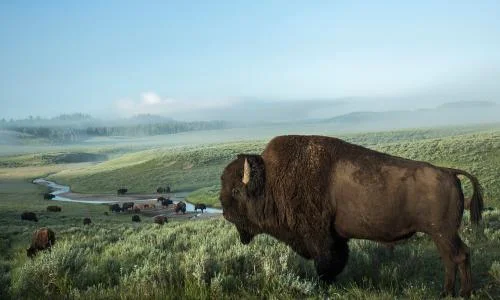
Critics of the Trump administration’s decision also argue that cattle grazing, which is prioritized over bison grazing in the proposal, is far more damaging to the land. Overgrazing by cattle is one of the leading causes of soil erosion, habitat destruction, and the depletion of native plant species. Bison, on the other hand, are far less destructive to the land and contribute to a more resilient ecosystem by aiding in the spread of seeds and promoting plant regeneration.
The Political Battle Over Public Lands
The debate over bison grazing is not just an environmental or economic issue—it is also a deeply political one. It reflects the broader ideological divide between federal conservation policies and local, rural interests. For years, local ranchers and conservative politicians in Montana have argued that federal government policies unfairly favor environmental concerns over the livelihoods of ranchers. The Trump administration’s decision to prioritize cattle ranching over bison conservation represents a victory for these local interests, but it also raises questions about the future of public lands and their stewardship.
The Future of America’s Bison
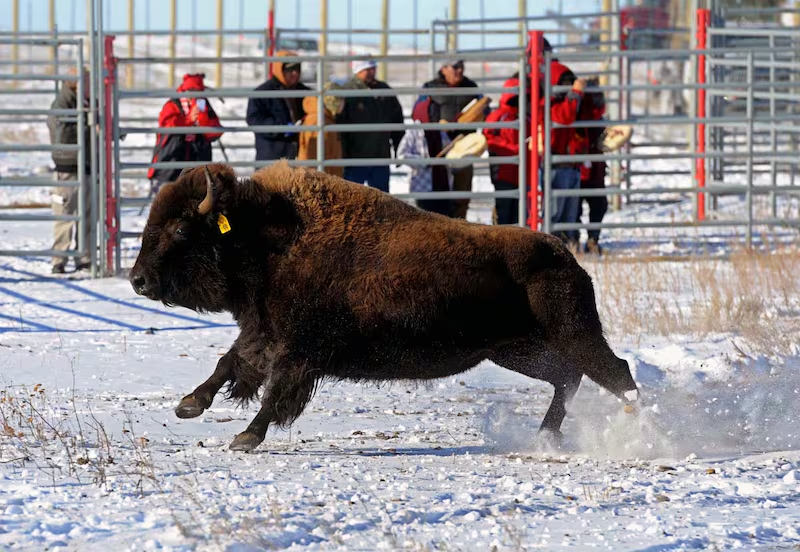
The future of the American bison is now hanging in the balance. If the proposed ban on grazing leases for bison becomes final, it could signal the end of an era of bison conservation on public lands. However, as the debate continues, there is still hope that a more balanced approach will emerge—one that allows both bison and cattle to coexist on the land in a way that benefits both the economy and the environment. As the situation unfolds, the question remains: will bison continue to roam freely on the prairie, or will they be relegated to the history books?
Conclusion
The Trump administration’s proposal to ban bison grazing on public lands is part of a larger debate over land use and the future of American wildlife. While some see it as a necessary step to support local ranchers, others view it as a political move that disregards the environmental and cultural importance of bison. As the situation develops, one thing is clear: the future of America’s bison will be determined not just by law, but by the values that shape the nation’s approach to conservation and public land management.