
Table of Contents
- Iran Faces Dire Consequences
- The U.S. Navy’s Operation: A High-Risk Mission
- A Dire Humanitarian Crisis
- Military Threats and Escalating Tensions
- Trump’s Aggressive Rhetoric
- The U.S. Military’s Strategy: Prepared for a Long Standoff?
- International Reactions: A Divided World
- Trump’s Nuclear Rhetoric: A Dangerous Precedent?
- The Future of U.S.-Iran Relations
- A Critical Juncture for Global Security
Iran Faces Dire Consequences
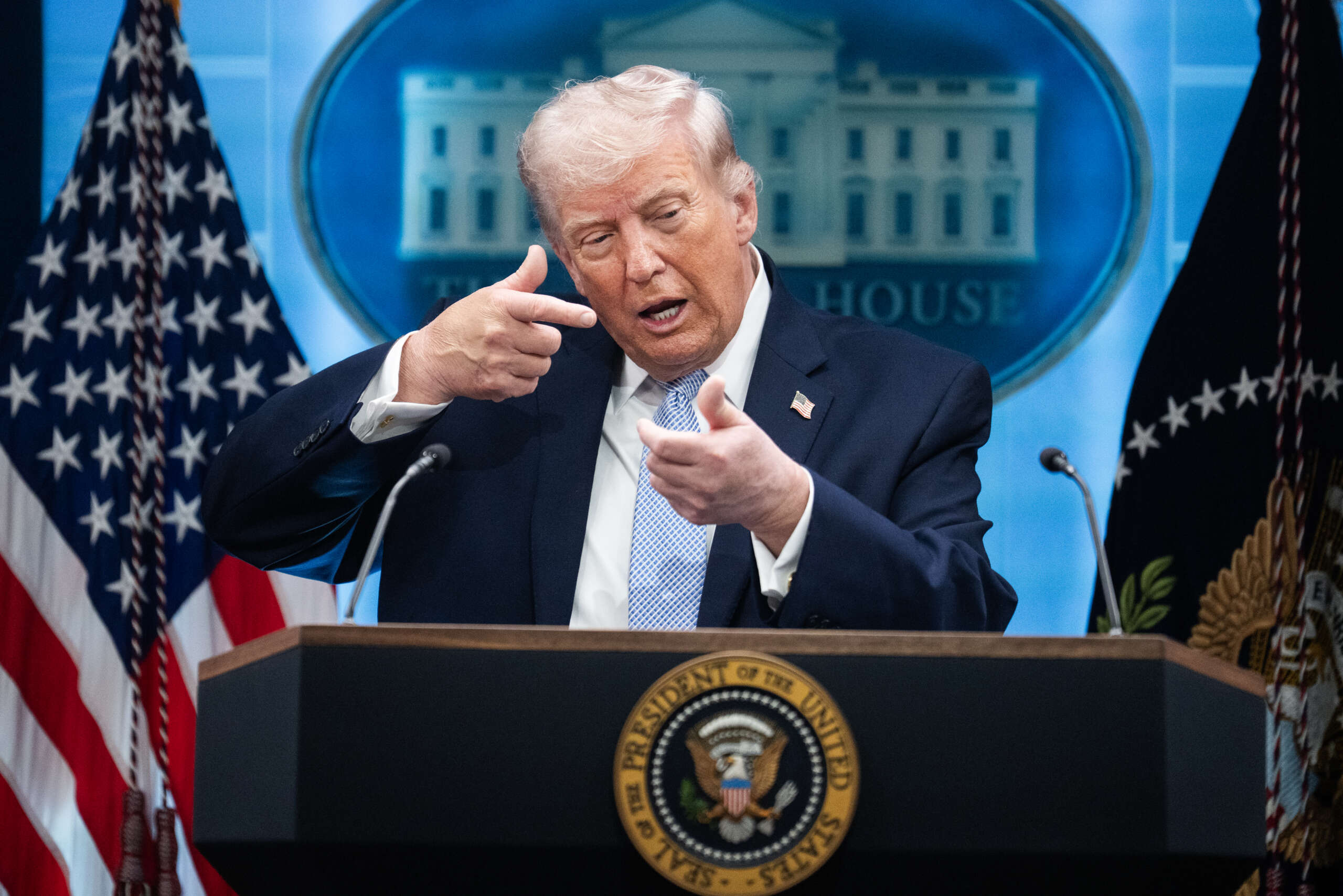
On Monday, May 4, 2026, President Trump delivered a stern warning to Iran in an interview with Fox News, declaring that any attack on U.S. vessels in the Gulf would result in Iran being “blown off the face of the earth.” This aggressive language has sparked international concern, as the region teeters on the brink of full-scale conflict. As the U.S. military works to reopen the critical Strait of Hormuz, which sees around 20% of global oil supplies pass through, the President’s words further raise the stakes. But is such a bold threat merely posturing, or is it an indication that the U.S. is prepared to escalate the situation to new heights?
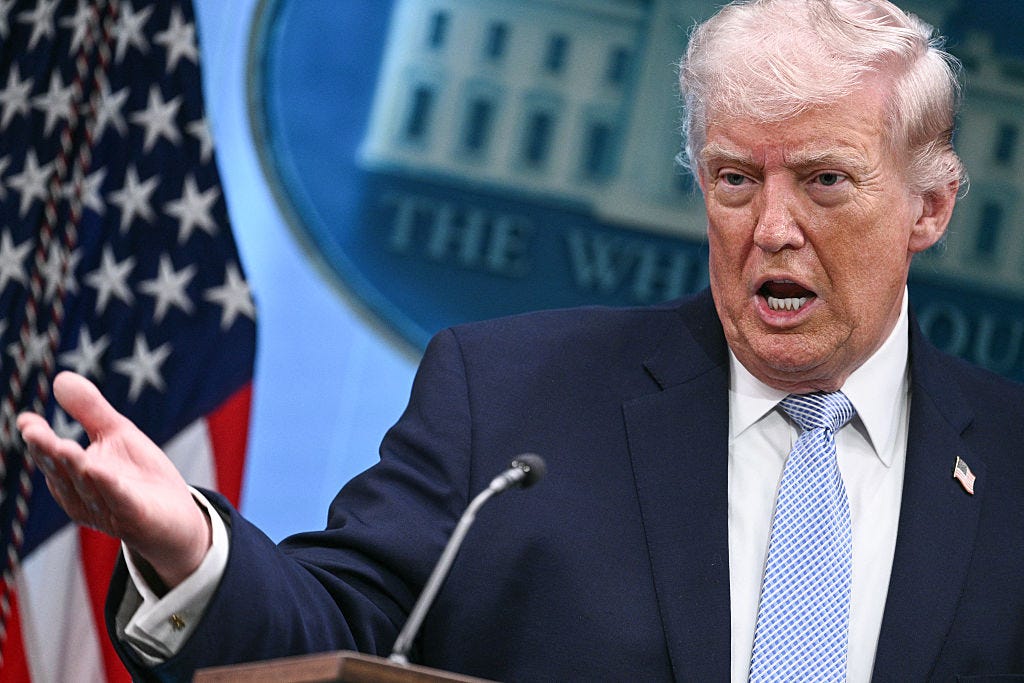
The U.S. military’s operation to reopen the Strait of Hormuz has been described as one of the largest and most complex naval maneuvers in recent history. The mission, launched to help hundreds of ships trapped in the Gulf due to Iranian blockades, has already seen a significant military response. U.S. forces have reportedly destroyed six Iranian small boats, intercepted Iranian cruise missiles and drones, and deployed additional vessels to safeguard the region. These actions come after Iran sought to reassert its blockade, escalating tensions and bringing the region closer to the edge of war. While the U.S. has claimed victory in several operations, Iran has vehemently denied these reports, maintaining that the situation remains under its control.
A Dire Humanitarian Crisis
As the military operation unfolds, over 800 ships and approximately 20,000 crew members remain stranded in the Gulf, with no clear path to safety. The blockage of the Strait of Hormuz has left global shipping companies in a state of crisis, as vital trade routes remain disrupted. With no end in sight to the escalating conflict, the humanitarian toll continues to mount. Many of the trapped crew members are facing harsh conditions, including limited food, water, and medical supplies, raising serious concerns about their well-being. The U.S. military’s intervention is an attempt to alleviate the crisis, but whether it will succeed remains uncertain.
Military Threats and Escalating Tensions
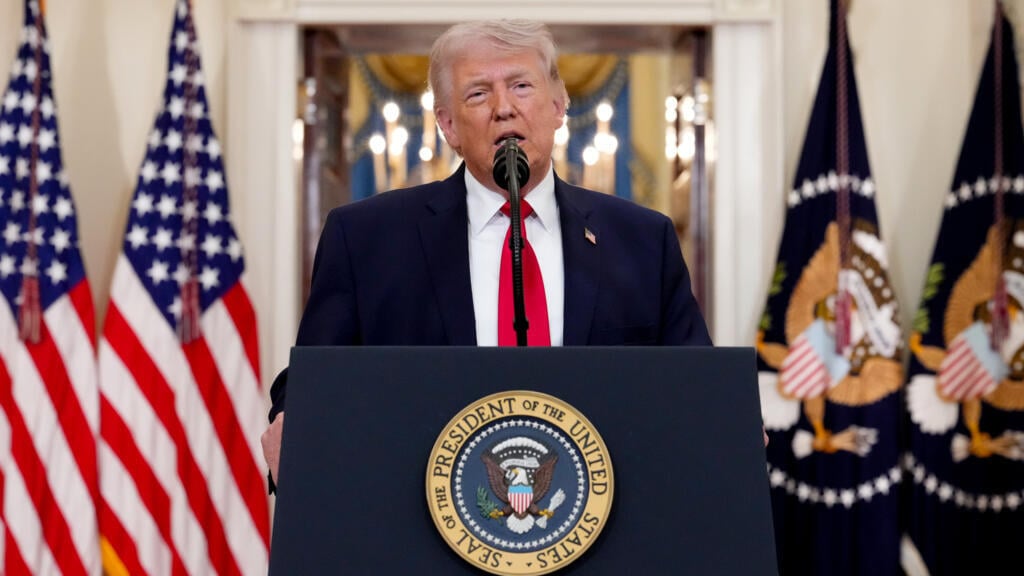
Iran has not taken kindly to the U.S. military operation. On the same day that President Trump issued his threat, Iran’s military central command issued its own warning, threatening to strike any U.S. naval vessel that approaches the Strait of Hormuz. According to Iranian officials, two U.S. naval vessels were hit by missiles in the region, though this claim has not been corroborated by the U.S. military. This exchange of military threats underscores the volatility of the situation and the real possibility of further escalation. The Iranian leadership has made it clear that it will not back down, and its continued military presence in the region is likely to provoke further confrontations.
Trump’s Aggressive Rhetoric
President Trump’s rhetoric in this latest conflict has drawn sharp criticism both domestically and internationally. His repeated threats to obliterate Iran have sparked widespread alarm, with many questioning whether such language is helpful or dangerous. In his interview with Fox News, Trump described the U.S. military operation as “one of the greatest military maneuvers ever done,” yet his tone has been met with caution by some military experts, who warn that such rhetoric risks further inflaming the situation. Critics argue that Trump’s harsh words may only serve to solidify Iran’s resistance, making diplomacy more difficult and pushing the region closer to all-out war.
The U.S. Military’s Strategy: Prepared for a Long Standoff?
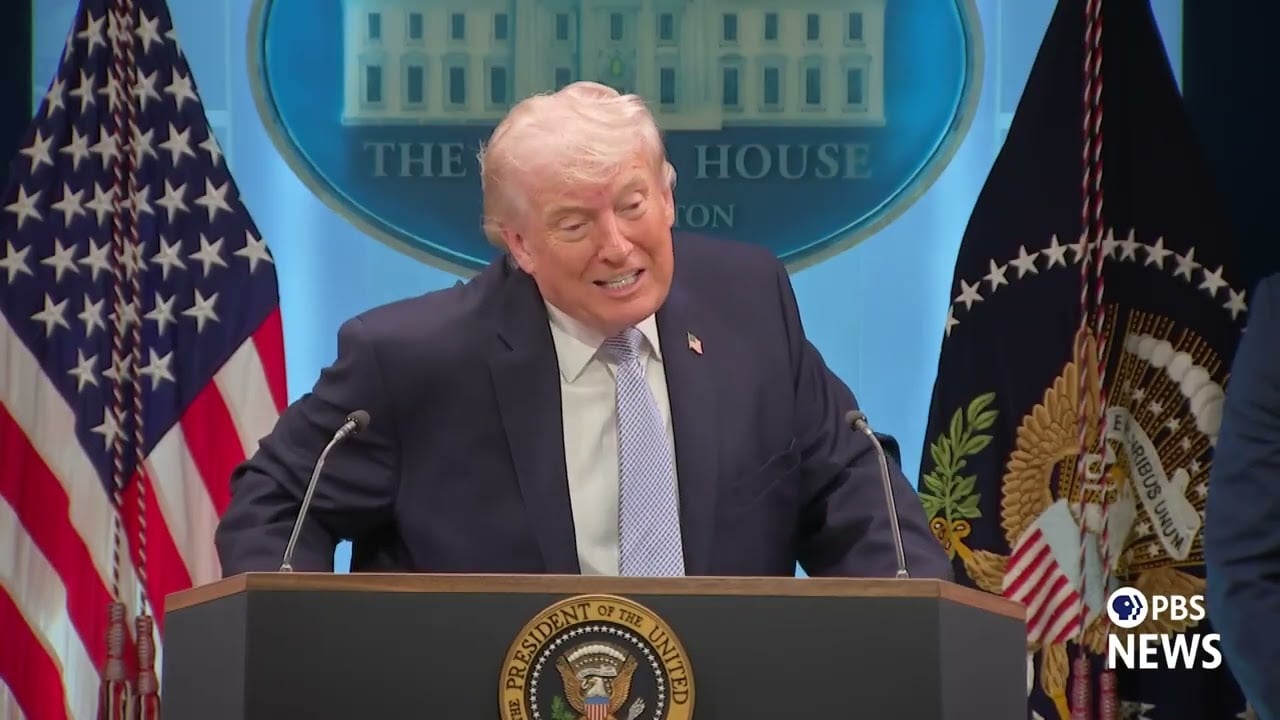
The U.S. military’s strategy in the Gulf is to ensure that shipping lanes are reopened and that the region remains secure. Secretary of Defense Pete Hegseth has called the operation “one of the greatest military maneuvers ever done,” citing the massive resources deployed to the region. However, the military’s long-term goals remain unclear. While some analysts argue that the U.S. is simply trying to ensure the safe passage of global oil supplies, others see the operation as a more aggressive attempt to pressure Iran into compliance. The presence of U.S. military bases around the world and the stockpiling of advanced weapons suggests that the U.S. is preparing for a prolonged standoff, though the exact strategy remains shrouded in secrecy.
International Reactions: A Divided World
As the crisis continues to unfold, the international community remains deeply divided over how to address the situation. While some nations have voiced support for the U.S. stance, others have expressed concern about the potential for further escalation. The U.N. has called for restraint, urging both sides to de-escalate the situation and return to the negotiating table. Meanwhile, global oil markets are feeling the strain, as the conflict in the Gulf threatens to disrupt supply chains and drive prices even higher. The ripple effect is already being felt in countries that rely heavily on Gulf oil imports, and many are calling for diplomatic solutions to prevent a wider war.
Trump’s Nuclear Rhetoric: A Dangerous Precedent?
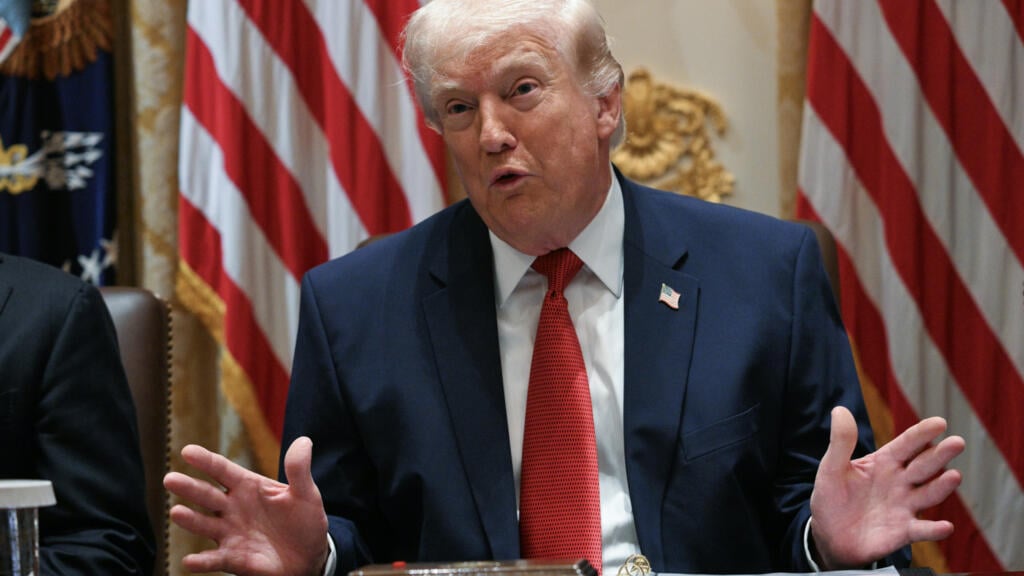
Trump’s comments about Iran “being blown off the face of the earth” echo remarks he made earlier in the year, where he threatened to destroy an entire civilization if Iran failed to comply with his demands over the Strait of Hormuz. These threats have drawn widespread backlash, with critics accusing the President of playing with fire. Some have pointed out the dangers of making nuclear threats in such a volatile region, as it could provoke a far more catastrophic conflict. While Trump has continued to downplay the risks, his fiery rhetoric has raised alarms about the long-term impact of such language on international relations.
The Future of U.S.-Iran Relations
As the situation in the Gulf continues to escalate, the question remains: What will the future hold for U.S.-Iran relations? Many experts believe that the current standoff could lead to a broader military conflict, with devastating consequences for the region. Others hope that the diplomatic channels still open between the U.S. and Iran will lead to a peaceful resolution. However, as long as tensions remain high and both sides refuse to back down, the risk of full-scale war remains ever-present. The U.S. has signaled that it is prepared to take further military action if necessary, but whether this will lead to lasting peace or further instability is yet to be seen.
A Critical Juncture for Global Security
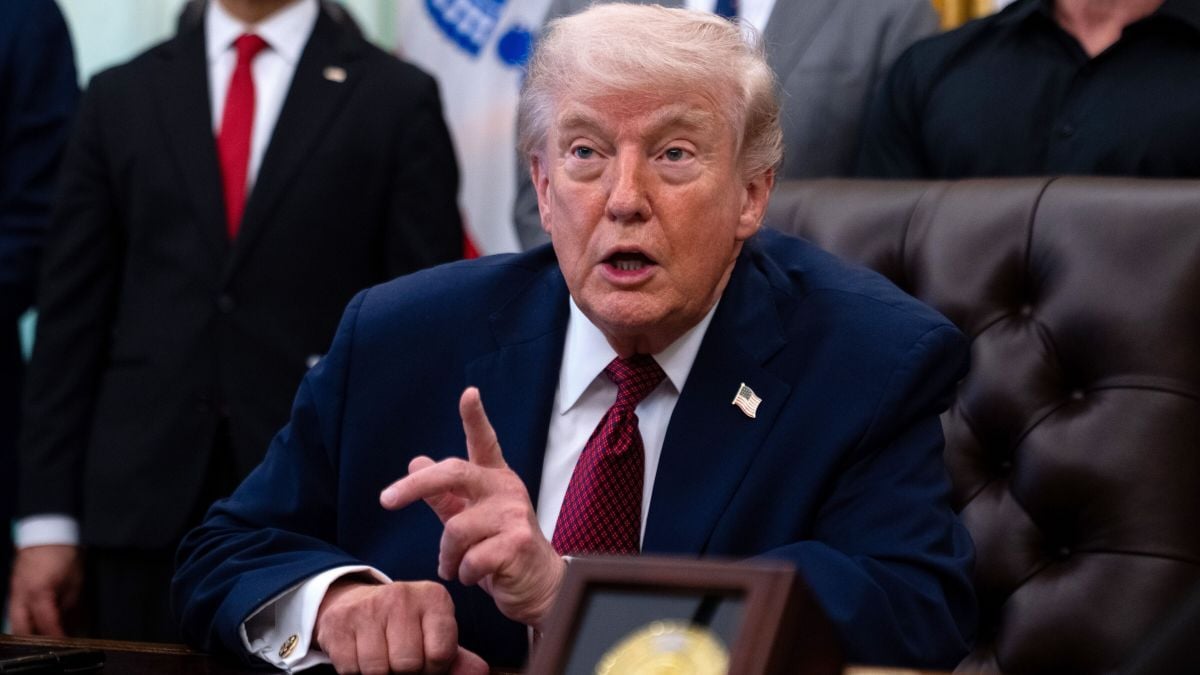
As President Trump’s threats continue to dominate the headlines, the world finds itself at a critical juncture. The fate of the Gulf region hangs in the balance, and the decisions made by both the U.S. and Iran in the coming days will shape the future of global security. While the U.S. is determined to secure its interests in the region, the risk of escalation remains high. The stakes are enormous, not only for the nations involved but for the entire international community. What happens next will have far-reaching implications, and the world is watching closely.