

Table of Contents
- The Shift in Mental Health Treatment Policy
- The Background: Antidepressant Use in the U.S.
- The Argument for Deprescribing
- The Opposition: Concerns Over Access to Care
- Survey Results: Public Opinion on Antidepressants
- The Role of Non-Pharmaceutical Interventions
- Deprescribing: A Complex Process
- The Need for Comprehensive Mental Health Care
- Navigating the Future of Mental Health Treatment
The Shift in Mental Health Treatment Policy
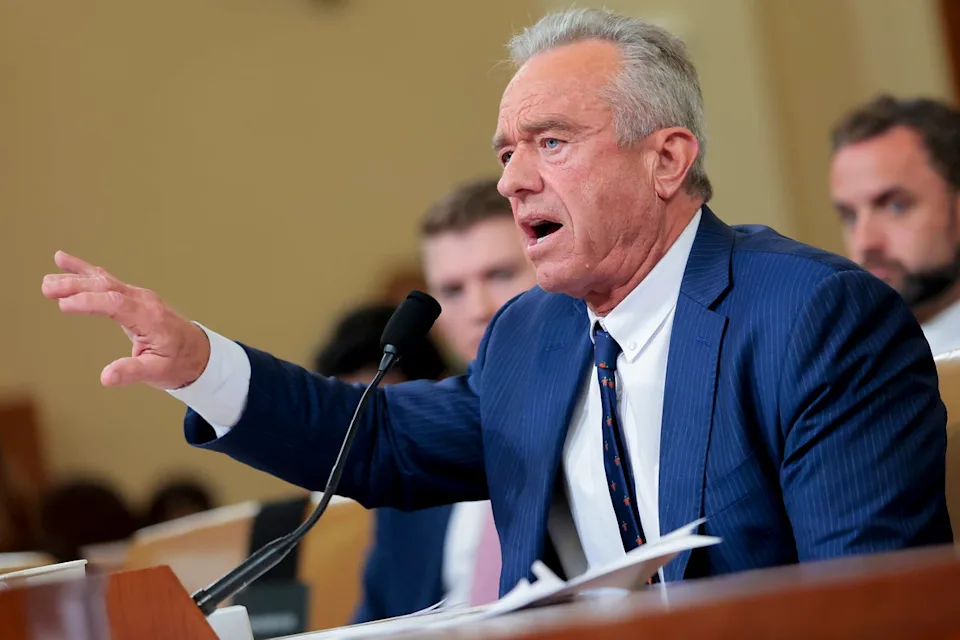
On Monday, during an event hosted by the Make America Healthy Again Institute, Robert F. Kennedy Jr. announced the administration’s new direction for addressing the use of antidepressants in the U.S. While the focus is on “deprescribing,” a practice where medications are gradually reduced or stopped, Kennedy emphasized that the plan is not an outright ban on antidepressants. Instead, it aims to promote informed decision-making between healthcare providers and patients, encouraging the consideration of alternatives such as psychotherapy, physical activity, and social connections.
Kennedy acknowledged the role of psychiatric medications but stressed that they should no longer be treated as the default solution for depression. “We will treat them as one option, to be used when appropriate, with full transparency and with a clear path off when they are no longer needed,” Kennedy said. The plan emphasizes the importance of balancing medication with other forms of treatment, ensuring that patients have access to evidence-based non-pharmacological options.
The Background: Antidepressant Use in the U.S.
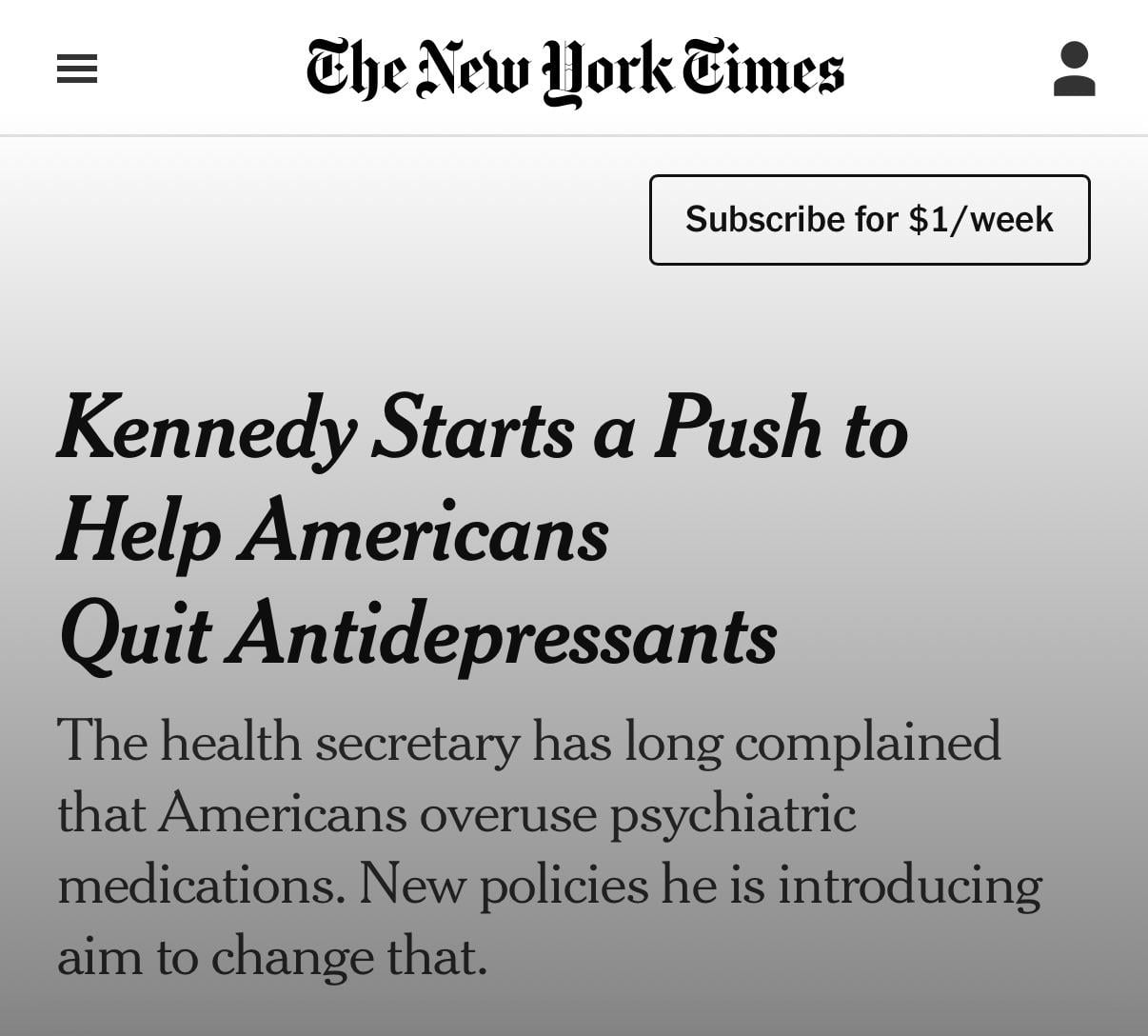
Antidepressants, particularly selective serotonin reuptake inhibitors (SSRIs), have been a mainstay in the treatment of depression and anxiety in the U.S. for decades. According to a 2025 survey across all 50 states, nearly 17% of adults reported using antidepressants, with many individuals relying on these medications for long-term management of mental health issues. The prevalence of antidepressant use has led to growing concerns about overprescribing and the long-term effects of these drugs.
Kennedy’s announcement comes amid rising anxiety about the mental health crisis in the U.S., particularly among children and adolescents. Mental health professionals have long warned that the overuse of psychiatric medications could lead to dependency and mask underlying issues, such as lack of access to therapy or socioeconomic factors that contribute to depression. This new direction in policy aims to address these concerns by reducing reliance on medication and exploring alternative treatments.
The Argument for Deprescribing
Advocates of the deprescribing initiative argue that antidepressants are often prescribed too quickly, without fully considering the patient’s circumstances or exploring other treatment options. The American Psychiatric Association, which represents over 40,000 psychiatrists, has expressed support for research into the benefits of deprescribing and improved training for clinicians. The association also backs efforts to train mental health professionals on how to properly manage the process of discontinuing psychiatric medications when appropriate.
By shifting the focus away from immediate pharmaceutical intervention, the plan aims to ensure that treatment decisions are based on a comprehensive understanding of the patient’s needs. For some, this could mean tapering off antidepressants in favor of alternative therapies, such as cognitive behavioral therapy (CBT), exercise, or mindfulness techniques, which have been shown to have long-lasting positive effects on mental health.
The Opposition: Concerns Over Access to Care

While the plan to curb antidepressant prescriptions has garnered support from some quarters, it has also sparked significant opposition. Critics argue that the real issue facing Americans struggling with mental health is not overprescribing but the lack of access to comprehensive mental health care. Psychiatric treatment, particularly for individuals in underserved areas, is already difficult to obtain, and the proposed policy may make it even harder for patients to access the medications they need.
The American Psychiatric Association has voiced concern that the focus on deprescribing could oversimplify the complex mental health crisis in the U.S. “Too many patients cannot access timely, comprehensive care,” the association stated, pointing to workforce shortages, limited psychiatric beds, and systemic barriers to care as the primary contributors to the crisis. The association argues that the solution lies in improving access to high-quality, evidence-based treatments, including medications when necessary, rather than imposing blanket restrictions on prescriptions.
Survey Results: Public Opinion on Antidepressants
A 2025 national survey found that a significant portion of U.S. adults oppose efforts to restrict antidepressant prescriptions. The survey revealed that many Americans view antidepressants as a necessary tool in managing mental health, especially as the country faces a growing number of mental health challenges. The plan to limit access to these medications has raised fears that it could undermine public confidence in the healthcare system and further isolate individuals who rely on antidepressants for daily functioning.
Many respondents expressed concerns about the potential for relapse and worsening symptoms if they were forced to discontinue their medication without proper support. Others questioned whether alternative treatments, such as therapy and lifestyle changes, could adequately replace the benefits provided by antidepressants for those with severe mental health conditions.
The Role of Non-Pharmaceutical Interventions
Kennedy’s plan also emphasizes the importance of non-pharmaceutical interventions for treating depression. These treatments, which include psychotherapy, physical activity, and social engagement, have long been recognized as effective methods for improving mental health. The HHS plan encourages healthcare providers to explore these options with patients, ensuring that depression treatment is not limited to medication alone.
Studies have shown that combining antidepressants with psychotherapy, lifestyle changes, and social support can provide more effective and long-lasting results than medication alone. However, the implementation of such approaches on a large scale requires significant investment in mental health infrastructure, including increasing access to therapy and support services.
Deprescribing: A Complex Process
Deprescribing is a complex and individualized process that involves gradually reducing or stopping medications under the guidance of a healthcare provider. While the idea of deprescribing antidepressants may seem appealing to some, it must be done with careful consideration of the patient’s mental health status and ongoing support. The process can be challenging, particularly for individuals who have been on antidepressants for extended periods, and requires a tailored approach to minimize withdrawal symptoms and prevent relapse.
The HHS has issued guidance to mental health professionals on how to manage the deprescribing process, ensuring that they can be reimbursed for the time and resources spent on this delicate procedure. The department has also provided resources for managing medication tapering and helping patients navigate the transition from medication to alternative treatments.
The Need for Comprehensive Mental Health Care
The debate over antidepressant prescribing is only one aspect of the broader mental health crisis in the U.S. As the country grapples with rising rates of depression, anxiety, and suicide, it is clear that a more comprehensive approach to mental health care is needed. This includes improving access to therapy, increasing public awareness of mental health issues, and addressing the social determinants of health, such as poverty, trauma, and discrimination, that contribute to poor mental well-being.
Improving access to a full range of mental health services, including medication, therapy, and community support, is essential for addressing the underlying causes of the mental health crisis. This approach would ensure that patients receive the right care at the right time, rather than resorting to one-size-fits-all solutions like blanket deprescribing or overreliance on medications.

The move to limit antidepressant prescriptions in the U.S. is a significant step in the ongoing debate over mental health care. While the focus on deprescribing may be beneficial for some patients, it is important to recognize that the mental health crisis is much more complex than simply addressing overprescribing. The real challenge lies in ensuring that all individuals have access to timely, comprehensive, and evidence-based care that includes a full range of treatment options, from medication to psychotherapy and lifestyle changes. Only by adopting a holistic approach can the U.S. hope to overcome its mental health crisis and ensure that every patient receives the care they need.