

Table of Contents
- The Burden of Dialysis Today
- Why Kidney Failure Requires Urgent Innovation
- The Promise of a Wearable or Implantable Artificial Kidney
- Advancements in Wearable Dialysis Devices
- How the Wearable Kidney Works
- Road to Real-World Use: Testing and Trials
- The Potential Impact on Patients and Healthcare Systems
- The Road Ahead: Overcoming Challenges
- Restoring Independence Through Innovation
The Burden of Dialysis Today
Dialysis has been a lifeline for individuals whose kidneys no longer function, but the treatment comes at a high personal cost. Over half a million Americans depend on dialysis, typically visiting clinics three times a week for four-hour sessions. This constant schedule can feel more like a second job than a medical treatment, stripping patients of valuable time with family, at work, or simply living life as they once knew it. The physical toll is severe, with many dialysis patients experiencing exhaustion, nausea, and muscle cramps after treatments.
Additionally, dialysis does not replicate the kidneys’ constant, automatic work. Healthy kidneys filter blood continuously, balancing fluid levels, electrolytes, and waste. But dialysis, which is an intermittent treatment, results in the buildup of toxins and excess fluids between sessions, making patients feel unwell until their next treatment. This gap in the kidneys’ natural regulation causes many patients to feel drained or sick, impacting their daily lives even more. Furthermore, the rigid dietary restrictions required between sessions—such as limits on food and liquid intake—only add to the stress and discomfort.
Why Kidney Failure Requires Urgent Innovation

Kidney transplantation is often viewed as the gold standard for treating end-stage kidney disease, but access to donor organs is severely limited. The average wait time for a kidney transplant in the U.S. is over 3.5 years, and only about 20,000 transplants occur annually—far fewer than the number of patients in need. The lack of available organs, combined with the potential risks and complications of lifelong immunosuppressant drugs, leaves many patients relying on dialysis, which is far from an ideal solution.
Kidney disease is a growing problem; nearly 37 million Americans suffer from some form of kidney disease, making it one of the leading causes of death in the U.S. The issue is further exacerbated by the rise in conditions like diabetes and hypertension, both of which contribute to kidney failure. Dialysis, while life-saving, is an imperfect solution that often results in a diminished quality of life. The need for an alternative treatment that can provide true independence has never been more urgent.
The Promise of a Wearable or Implantable Artificial Kidney

Imagine a world where patients no longer have to endure the grueling hours spent in dialysis chairs. Instead, they could wear or have implanted a small, portable kidney device that works quietly in the background. This bioartificial kidney would continuously perform the essential functions of a healthy kidney, including filtering waste, balancing fluids and electrolytes, and regulating blood pressure—without the need for constant hospital visits.
Researchers are working on several promising prototypes, with one of the most notable being The Kidney Project, a collaboration between UC San Francisco and Vanderbilt University Medical Center. This bioartificial kidney combines a filtration system with a bioreactor containing human kidney cells. The device has already been successfully tested in pigs, performing kidney-like tasks for a week without causing immune rejection. Dr. Shuvo Roy, the project’s technical director, emphasized that the device aims to make kidney disease treatment more effective, tolerable, and comfortable for patients.
Advancements in Wearable Dialysis Devices
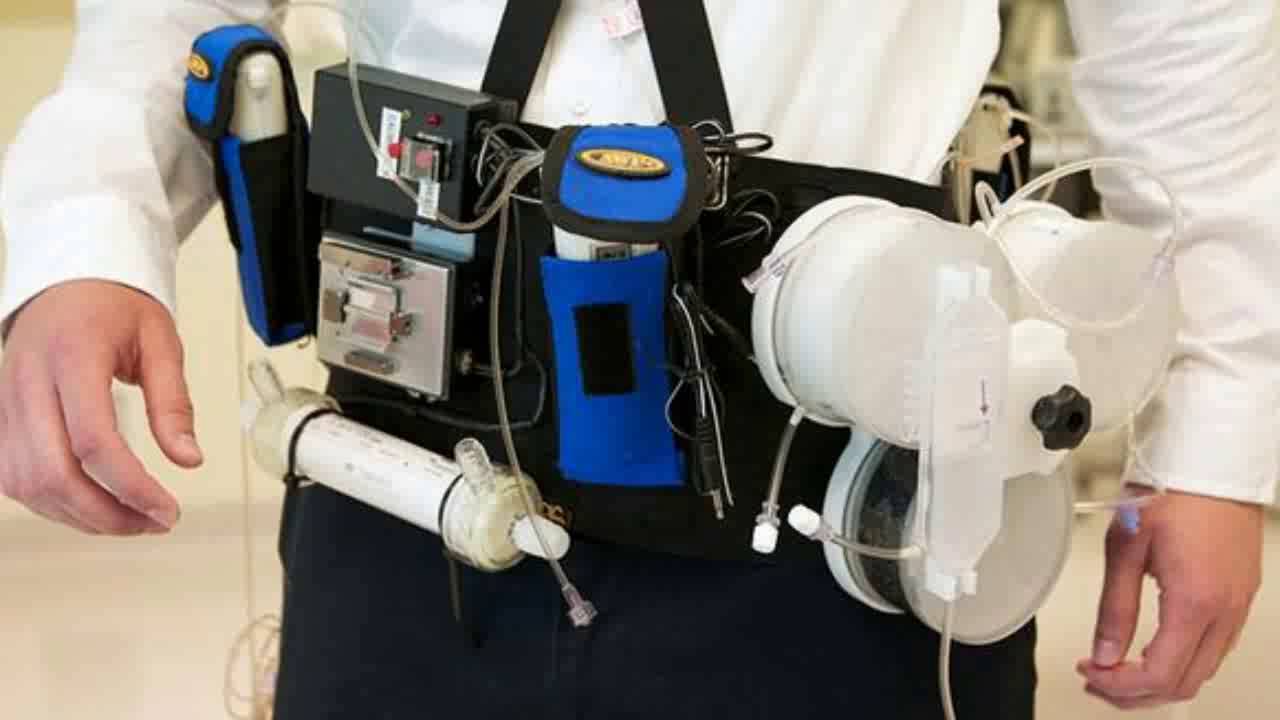
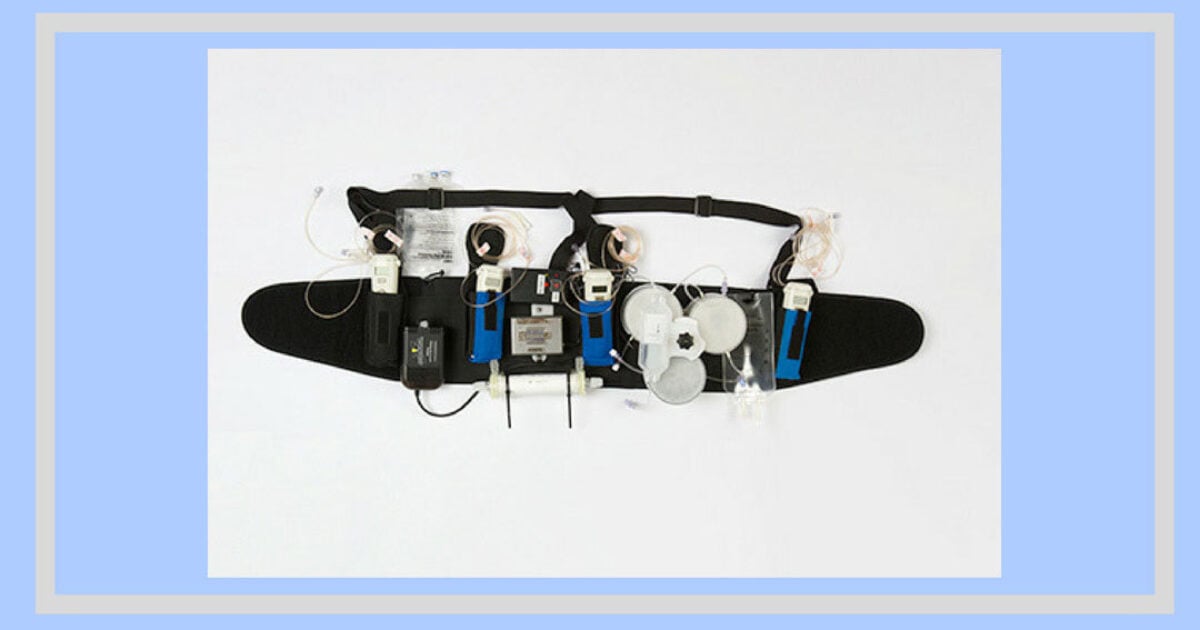
In addition to implantable artificial kidneys, wearable dialysis devices have also made significant strides in recent years. In 2016, a portable version of a wearable artificial kidney, weighing about 5 kilograms, was tested successfully in clinical trials. Patients were able to move freely during 24-hour treatment sessions while the device removed toxins from their blood. More recent efforts, like those from AWAK Pte Ltd, have focused on creating smaller, lighter devices for peritoneal dialysis. These devices have shown promising results, reducing key toxins such as urea and creatinine while allowing patients to carry on with their daily activities.
These innovations are not just about improving the mechanics of dialysis—they represent the potential to restore freedom and independence to kidney patients. Patients could live, travel, work, and engage in social activities without being constrained by the rigid dialysis schedule. For families, it could mean fewer emergencies and a greater sense of normalcy. For the healthcare system, it offers a potential solution to the enormous costs of in-center dialysis, which consumes billions of dollars annually.
How the Wearable Kidney Works
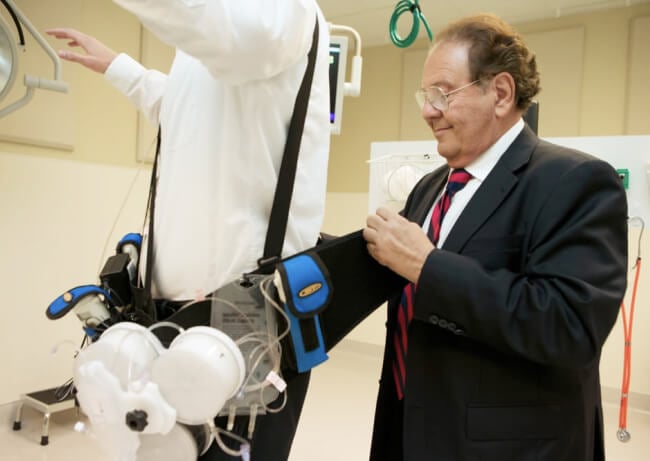
At its core, the challenge of building a wearable or implantable kidney is replicating what healthy kidneys do every day—filtering blood, maintaining chemical balance, and regulating fluid levels. The solution involves two key components. The first is a filtration unit that removes waste products and excess fluids from the blood, while the second is a bioreactor filled with living kidney cells that perform the vital regulatory functions.
To ensure that the bioreactor cells are not attacked by the body’s immune system, researchers use ultra-thin silicon membranes that allow oxygen and nutrients to pass through while blocking harmful immune cells. This innovation could eliminate the need for immunosuppressant drugs, which are typically required after a kidney transplant. Waste management is also a major challenge, especially with substances like urea, which is produced in large quantities every day. Scientists are experimenting with various methods to effectively break down or capture urea, ensuring that the device can function effectively over long periods.
Road to Real-World Use: Testing and Trials
While the promise of wearable and implantable kidneys is exciting, the technology is still in its early stages. The devices must undergo extensive testing to prove that they can operate safely and efficiently for extended periods. Trials in animals and small-scale human studies are necessary before these devices can be approved by regulatory bodies like the U.S. Food and Drug Administration (FDA). The process is slow, but momentum is building. The Kidney Project recently received a $650,000 KidneyX prize to accelerate development, and pilot trials of wearable dialysis devices have shown encouraging results.
These breakthroughs signal not only scientific progress but also growing recognition that kidney disease requires bold new solutions. Patients who are currently trapped in the cycle of dialysis could soon have the opportunity to regain control of their lives, no longer tethered to a machine or bound by hospital schedules.
The Potential Impact on Patients and Healthcare Systems
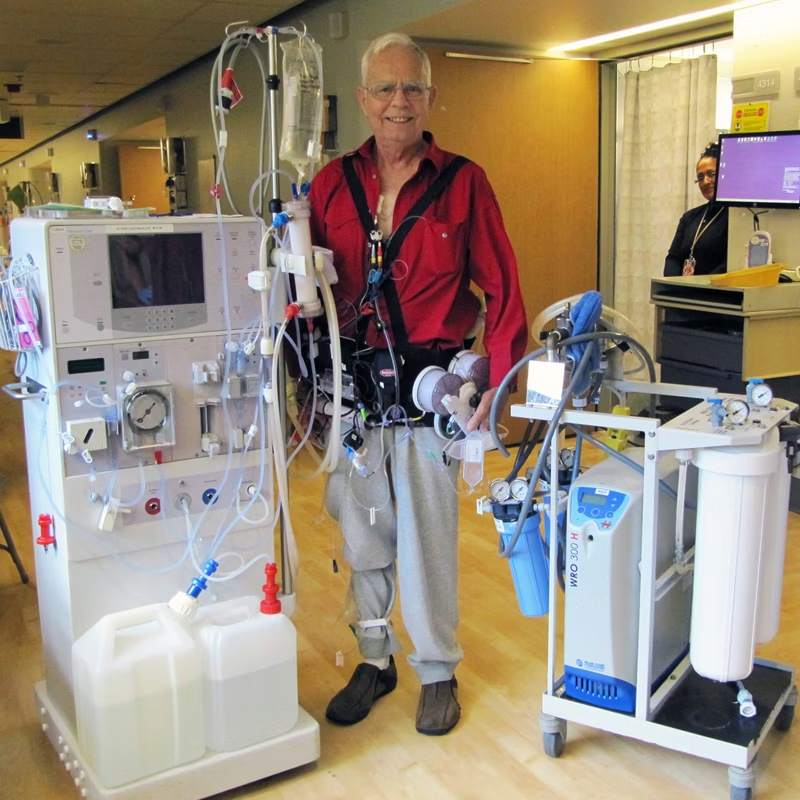
For patients and their families, the impact of wearable or implantable kidneys could be transformative. Instead of spending hours in a dialysis clinic, patients could live a life that is more flexible and independent. They could work, travel, and socialize without the constant reminder of their condition. The risk of cardiovascular complications, hospitalizations, and treatment-related exhaustion would likely decrease, improving both survival rates and overall quality of life.
For healthcare systems, these innovations offer the potential to ease the financial burden of dialysis. The costs of in-center dialysis are astronomical, and transitioning to wearable or implantable kidneys could significantly reduce the strain on healthcare resources. Additionally, the shift could lead to more effective treatments for kidney failure, reducing the need for costly transplant surgeries and the ongoing immunosuppressant medications that come with them.
The Road Ahead: Overcoming Challenges

While the promise of wearable and implantable kidneys is immense, there are still significant hurdles to overcome. The technology must prove that it can function reliably over time, handling the delicate balance of regulating blood and electrolytes without causing harm to the patient. Additionally, the costs of developing and producing these devices must be weighed against the long-term savings they could offer to healthcare systems. As research continues and prototypes are refined, the goal remains clear: to provide kidney disease patients with a treatment that not only prolongs their lives but also restores their independence.
Restoring Independence Through Innovation
For decades, dialysis has been a necessary but imperfect treatment for kidney failure, offering life at the cost of personal freedom. The promise of wearable and implantable artificial kidneys represents a new era of treatment—one where patients are no longer defined by their illness or bound by hospital schedules. These innovations offer hope for a future where kidney disease is not just managed but conquered, allowing patients to live life on their own terms. The science is still in progress, but the potential for change is already clear. The road ahead may be long, but for millions of patients, these advancements represent a chance to restore independence, dignity, and quality of life.