
Table of Contents
- Polyphenols: The Silent Warriors Against Cancer
- The Science Behind Polyphenols and Apoptosis
- Verified Sources of Anti-Cancer Polyphenols in Real Foods
- The Challenges of Translating Lab Results into Clinical Practice
- Bridging the Gap: Polyphenol-Rich Foods and Everyday Health
- Practical Tips for Incorporating Polyphenols into Your Diet
- The Path Forward: More Research Needed
Polyphenols: The Silent Warriors Against Cancer
Polyphenols are plant-based compounds known for their powerful antioxidant, anti-inflammatory, and anti-tumor properties. They have been a staple in health and wellness discussions for years due to their role in protecting cells from oxidative stress and inflammation—two key contributors to cancer development. However, emerging research now reveals a more direct action: polyphenols can potentially trigger cancer cells to commit suicide, a process that is usually dysregulated in cancerous growths.
One 2023 study published in the International Journal of Molecular Sciences reviewed the mechanisms by which polyphenols influence cancer cell behavior. The study found that these compounds can activate key pathways that control cell death, including mitochondrial dysfunction and the activation of caspases, which are proteins responsible for initiating apoptosis. By targeting these pathways, polyphenols have the potential to limit the survival of cancer cells, essentially halting tumor growth at its roots.
What makes polyphenols particularly exciting is that they work through a multifaceted approach. They can modulate the expression of genes involved in cell growth, immune response, and angiogenesis (the formation of new blood vessels to nourish tumors). These properties mean that polyphenols do not simply act on one aspect of cancer progression but can influence several critical stages, making them valuable for future treatments.
The Science Behind Polyphenols and Apoptosis
Polyphenols are not a one-size-fits-all solution for cancer, but early research shows promise. These compounds influence several important cellular processes that may enhance the body’s ability to fight cancer. One of the most notable effects is their role in apoptosis—the natural process by which damaged or cancerous cells are eliminated from the body.
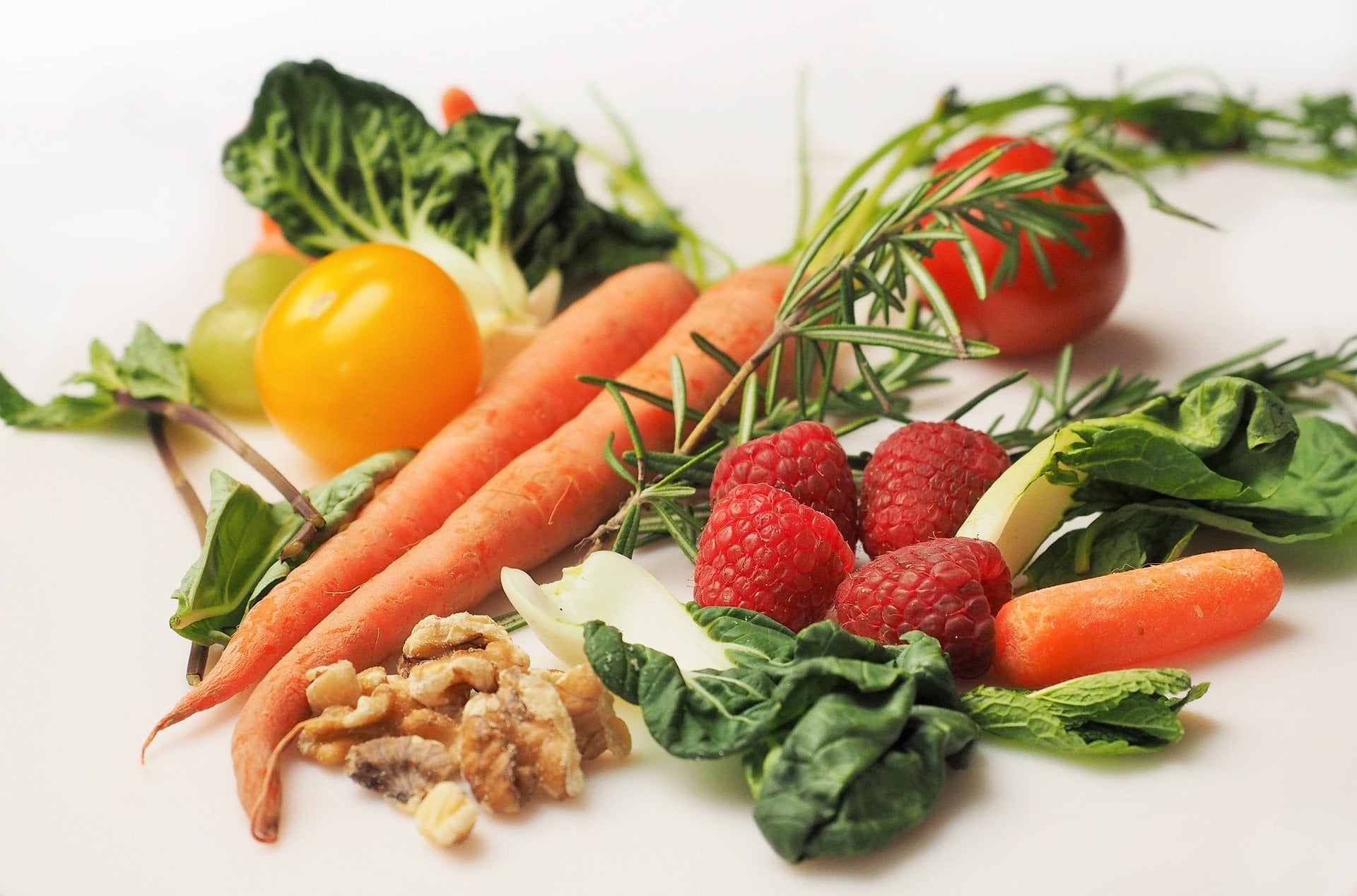
Cancer cells are notorious for evading apoptosis, which allows them to multiply uncontrollably and form tumors. However, many polyphenols, particularly those found in fruits like plums, apples, and peaches, have been shown to reverse this defect. Studies on flavonoids, a specific type of polyphenol, have demonstrated their ability to induce apoptosis in cancer cells by disrupting mitochondrial function. This disruption causes the cells to become unstable and self-destruct.
In a study published in Frontiers in Pharmacology, scientists examined how natural flavonoids, including quercetin and epicatechins, impact mitochondrial dysfunction in cancer cells. They found that these polyphenols induced a shift in cellular balance, triggering cell death in various cancer cell lines. This discovery suggests that polyphenols could play a crucial role in not just preventing cancer, but in actively supporting the body’s ability to fight it.
Verified Sources of Anti-Cancer Polyphenols in Real Foods
Though the scientific understanding of polyphenols’ anti-cancer properties is still developing, several everyday foods have shown significant promise in preclinical studies. One of the most well-researched polyphenols is chlorogenic acid, found in abundance in fruits like plums, pears, apples, and coffee. A study from Molecular and Cellular Biochemistry in 2018 found that chlorogenic acid suppressed the growth of human lung cancer cells by promoting apoptosis and regulating gene expression related to cell death.
Another key source of polyphenols is the plum, a fruit often overlooked in discussions of cancer prevention. A systematic review of more than 50 studies published in Antioxidants in 2022 revealed that plums contain polyphenols that exhibit anti-inflammatory, anti-proliferative, and antioxidant effects. The research also showed that plum extracts could reduce the viability of cancer cells, particularly in glioblastoma, a form of brain cancer.
These findings align with earlier studies indicating that polyphenols found in foods like plums, apples, and berries have a direct impact on cancer cell behavior. While most of the research is still in its early stages, it suggests that incorporating these foods into a balanced diet could help support the body’s natural defense mechanisms against cancer.
The Challenges of Translating Lab Results into Clinical Practice
Despite promising results in lab and animal studies, translating polyphenol research into real-world cancer treatments is far from straightforward. One of the biggest challenges is bioavailability—the degree to which polyphenols can be absorbed, metabolized, and utilized by the human body. Polyphenols undergo significant changes during digestion, and their bioactive forms can vary depending on factors such as gut microbiota composition, genetics, and existing health conditions.
Moreover, many of the studies on polyphenols have been conducted in vitro (in the lab) or in animal models. While these studies demonstrate the potential of polyphenols to kill cancer cells, it is unclear how effective these compounds are when consumed as part of a typical human diet. There is still much to learn about how polyphenols are metabolized and whether the doses used in research studies are achievable through normal food intake.
Furthermore, while polyphenols may trigger cancer cell death in the lab, the issue of selective toxicity remains unresolved. In other words, scientists have yet to fully confirm whether these compounds can target cancer cells without affecting healthy cells. Early research suggests that this is possible, but much more evidence is needed before definitive claims can be made.
Bridging the Gap: Polyphenol-Rich Foods and Everyday Health
While the research on polyphenols’ role in cancer treatment is still in its infancy, the benefits of polyphenol-rich foods in promoting overall health are well-documented. These foods, which include a variety of fruits, vegetables, coffee, and tea, are already known to support heart health, reduce inflammation, and protect against chronic diseases. By including polyphenol-rich foods in a regular diet, individuals can improve their overall health and support their bodies’ natural defenses.
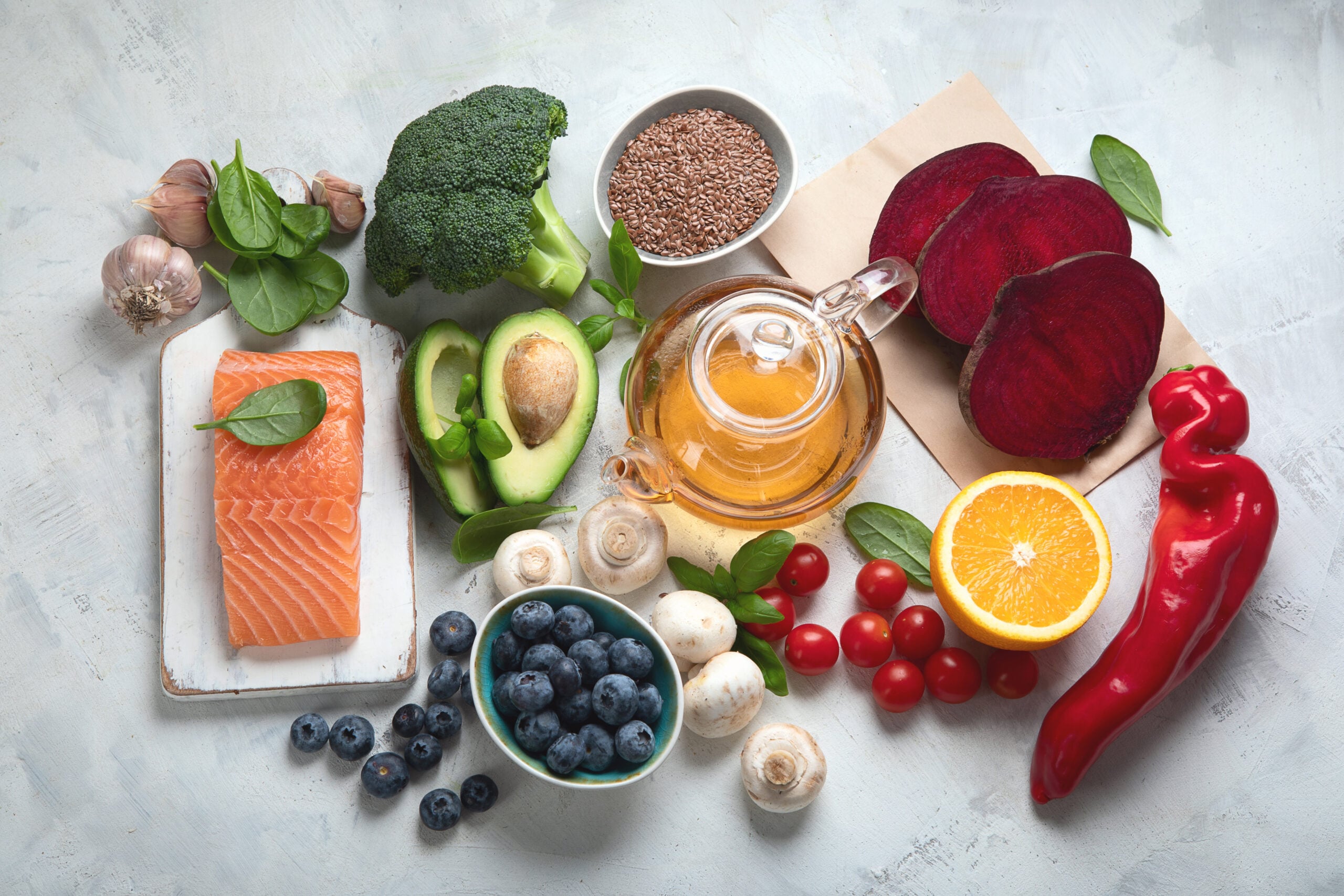
The American Institute for Cancer Research recommends a diet rich in fruits, vegetables, whole grains, and legumes as part of an overall strategy to prevent cancer. Foods high in polyphenols, such as berries, apples, plums, and green tea, are an excellent addition to this diet. In addition to their potential anti-cancer effects, these foods offer a wide range of other health benefits, including improved digestion, reduced oxidative stress, and better cardiovascular health.
Practical Tips for Incorporating Polyphenols into Your Diet
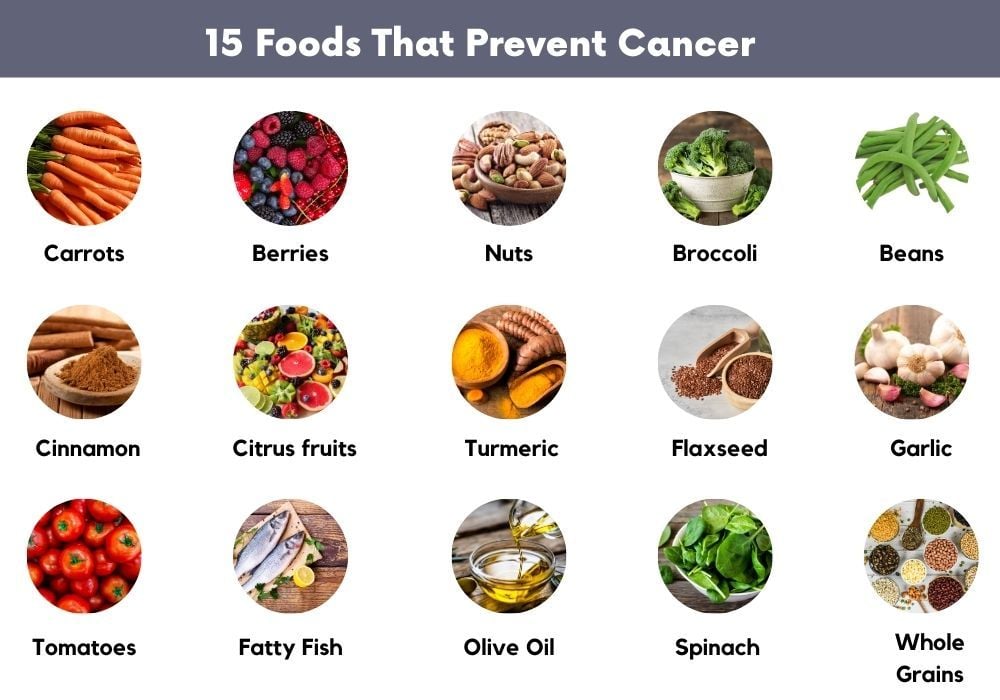
Incorporating more polyphenol-rich foods into your diet doesn’t have to be complicated. Here are some simple, evidence-based strategies to help you take advantage of the potential benefits of polyphenols:
- Eat a variety of fruits and vegetables: Plums, apples, pears, grapes, and berries are all rich in polyphenols. Eating a variety of these fruits regularly ensures you get a broad spectrum of beneficial compounds.
- Drink tea and coffee: Green tea, black tea, and coffee are excellent sources of polyphenols like catechins and chlorogenic acid. Moderate consumption has been linked to various health benefits, including a reduced risk of chronic diseases.
- Include whole foods over processed ones: Polyphenols are most abundant in the skins and outer layers of fruits and vegetables, which are often removed during processing. To maximize the benefits, eat these foods in their whole, unpeeled form.
- Consider your gut health: The bioavailability of polyphenols depends significantly on the gut microbiome. Eating a diet rich in prebiotic fibers from foods like garlic, onions, and oats can help support the gut bacteria responsible for metabolizing polyphenols.
- Use supplements with caution: While polyphenol supplements are available, their safety and efficacy are not well-regulated. It is always better to focus on whole-food sources and speak with a healthcare provider before considering supplements.
The Path Forward: More Research Needed

While the evidence for polyphenols as potential anti-cancer agents is promising, much more research is needed. Studies involving human participants are essential to confirm the efficacy of polyphenols in cancer prevention and treatment. Furthermore, researchers must explore the optimal dosage and methods of delivery to ensure these compounds can provide the maximum benefit.
In the meantime, incorporating polyphenol-rich foods into a healthy, balanced diet remains a safe and beneficial strategy for promoting overall health. As science continues to evolve, we may one day look back at these compounds as a vital part of our cancer prevention toolkit.