
Table of Contents
- The Mysterious Disappearance
- The New Life and Identity
- Family’s Heartbreak: Brainwashing or True Freedom?
- The Role of the Online World in Kaura’s Transformation
- Legal and Ethical Complexities of Kaura’s Situation
- The Fine Line Between Reinvention and Manipulation
- Should Authorities Intervene?
- Protecting the Vulnerable and Ensuring Autonomy
The Mysterious Disappearance
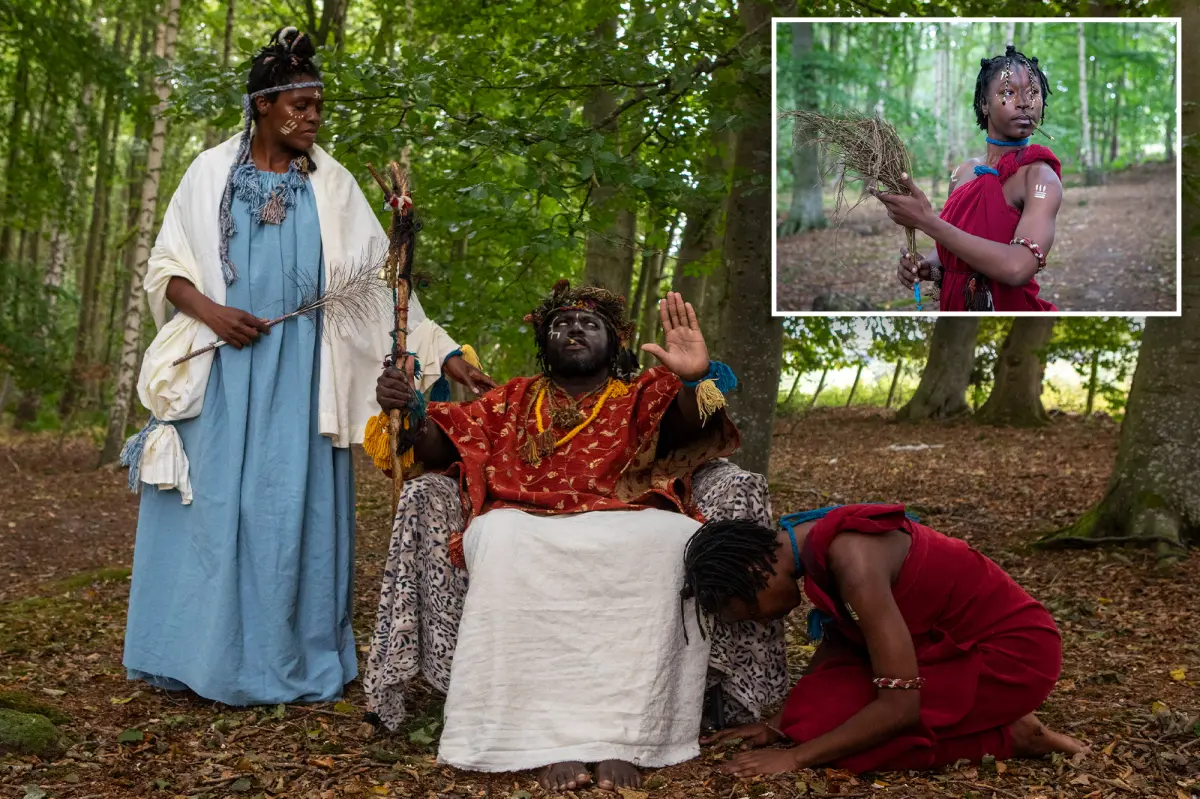
Kaura Taylor’s disappearance from her aunt’s Texas home in late May sent shockwaves through her family. The last message they received was strangely vague: “We had to get out and explore a little bit,” followed by radio silence. The days turned into weeks, and her family filed missing person reports. Frustration mounted as no solid leads emerged. Then, a breakthrough came from an unexpected source: online posts showed Kaura, unmistakably, living in the Scottish Borders, surrounded by King Atehene and Queen Nandi, the leaders of a group calling themselves the Kingdom of Kubala. There she was, dressed in ceremonial robes, bowing to the “royal” couple, and publicly declaring herself part of this “lost tribe.”
This was not a local disappearance or a journey to another city; Kaura had crossed an ocean. Her family quickly discovered that she had entered the U.K. on a tourist visa, which would expire in November. The hope was that Kaura might be compelled to return when her visa ran out. However, the reality was far more complex. Despite her family’s worries, Kaura continued to insist that she had chosen this path willingly and was not lost, but rather liberated.
The New Life and Identity
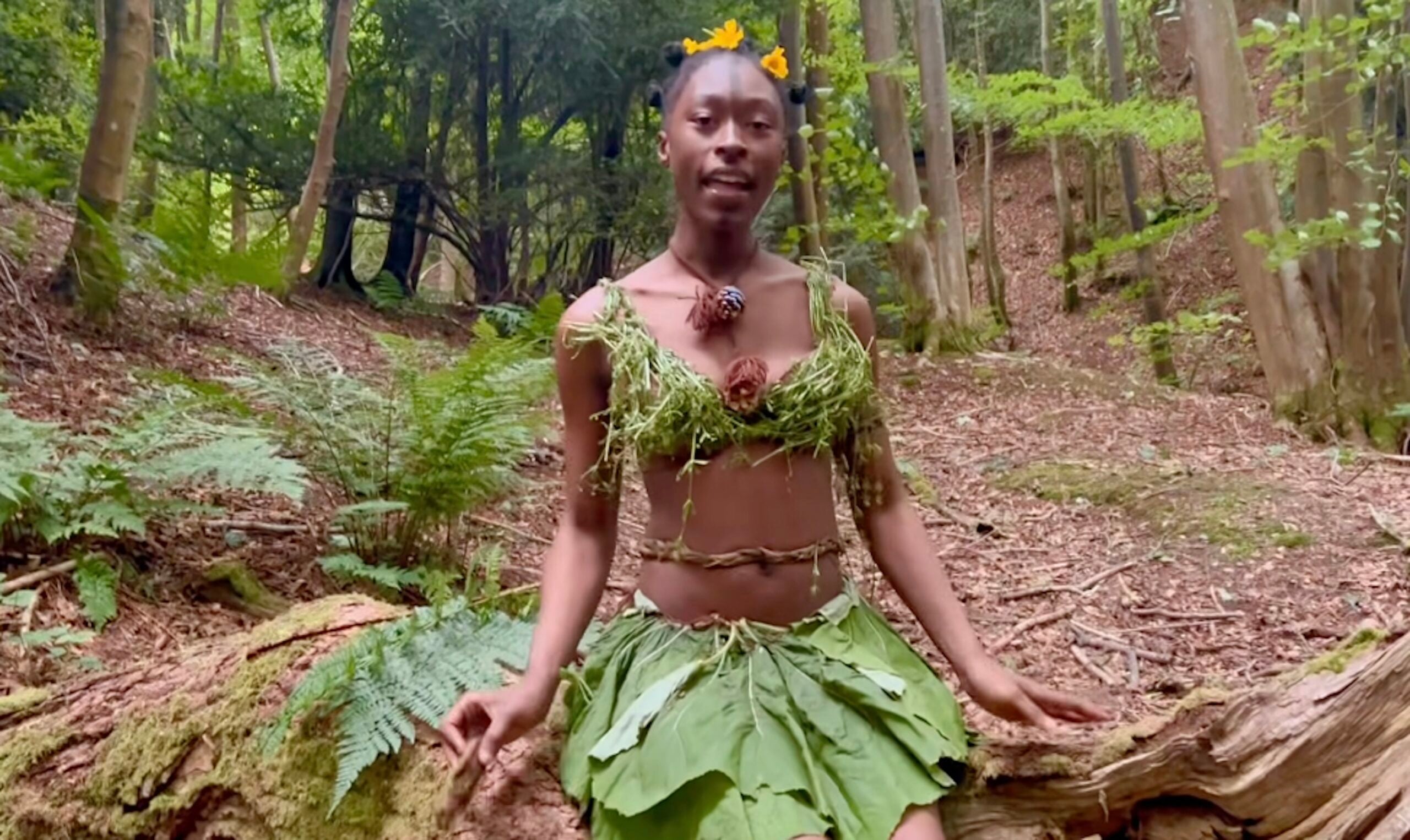
Kaura’s transformation has been both shocking and heart-wrenching for her family. In videos and social media posts, Kaura has portrayed herself as a deeply spiritual person, finding peace and purpose in her new life with King Atehene and Queen Nandi. She has rejected her past life, calling her family “toxic” and “abusive” and has expressed satisfaction with her new identity. Kaura’s new names—Asnat of Atehene and Lady Safi—are symbols of her spiritual awakening and her break from her past.
She describes a life of simplicity, connection to nature, and reliance on a higher power for sustenance. “We connect to nature. We connect to the trees around us. We get grounded every morning,” she explained in one post. To Kaura, this life represents freedom, peace, and a break from the struggles she faced in her previous environment. But for her family, it’s a devastating sign of how far she has drifted from the person they knew.
Family’s Heartbreak: Brainwashing or True Freedom?
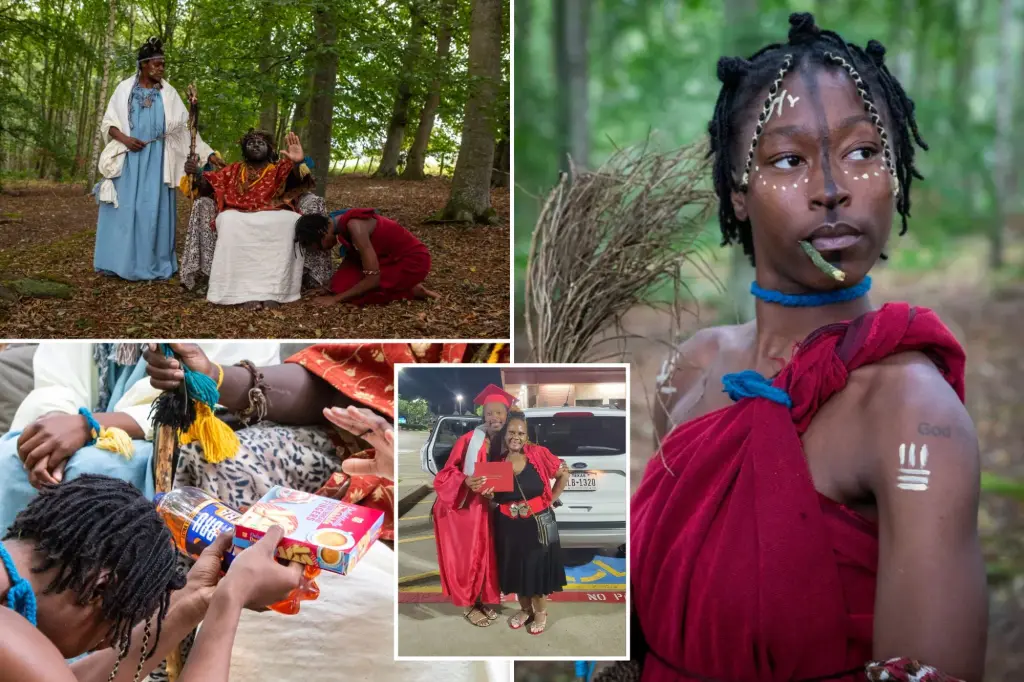
Kaura’s family insists that her newfound life is not an act of liberation but one of manipulation. They describe her as a bright, ambitious young woman who had dreams of going to law school, and a supportive mother to her infant daughter. However, after the upheaval caused by the COVID-19 pandemic, Kaura began to change. She grew more withdrawn, abandoned her scholarship for cosmetology training, and distanced herself from her family. Her relatives believe this was the start of a gradual disconnection, which eventually led to her involvement with King Atehene and Queen Nandi.
They believe that Kaura was vulnerable at the time of her disappearance and that she has since been manipulated into adopting a new identity and rejecting her past. Her aunt, Teri Allen, expressed the family’s distress, stating that the situation was “very stressful and difficult.” Kaura’s mother, Melba Whitehead, has pleaded for authorities to intervene, citing her daughter’s apparent inability to make rational decisions for herself and her child. The family has consistently used the term “brainwashing” to describe what they believe is happening, calling the leaders of the Kingdom of Kubala predatory and exploitative.
The Role of the Online World in Kaura’s Transformation
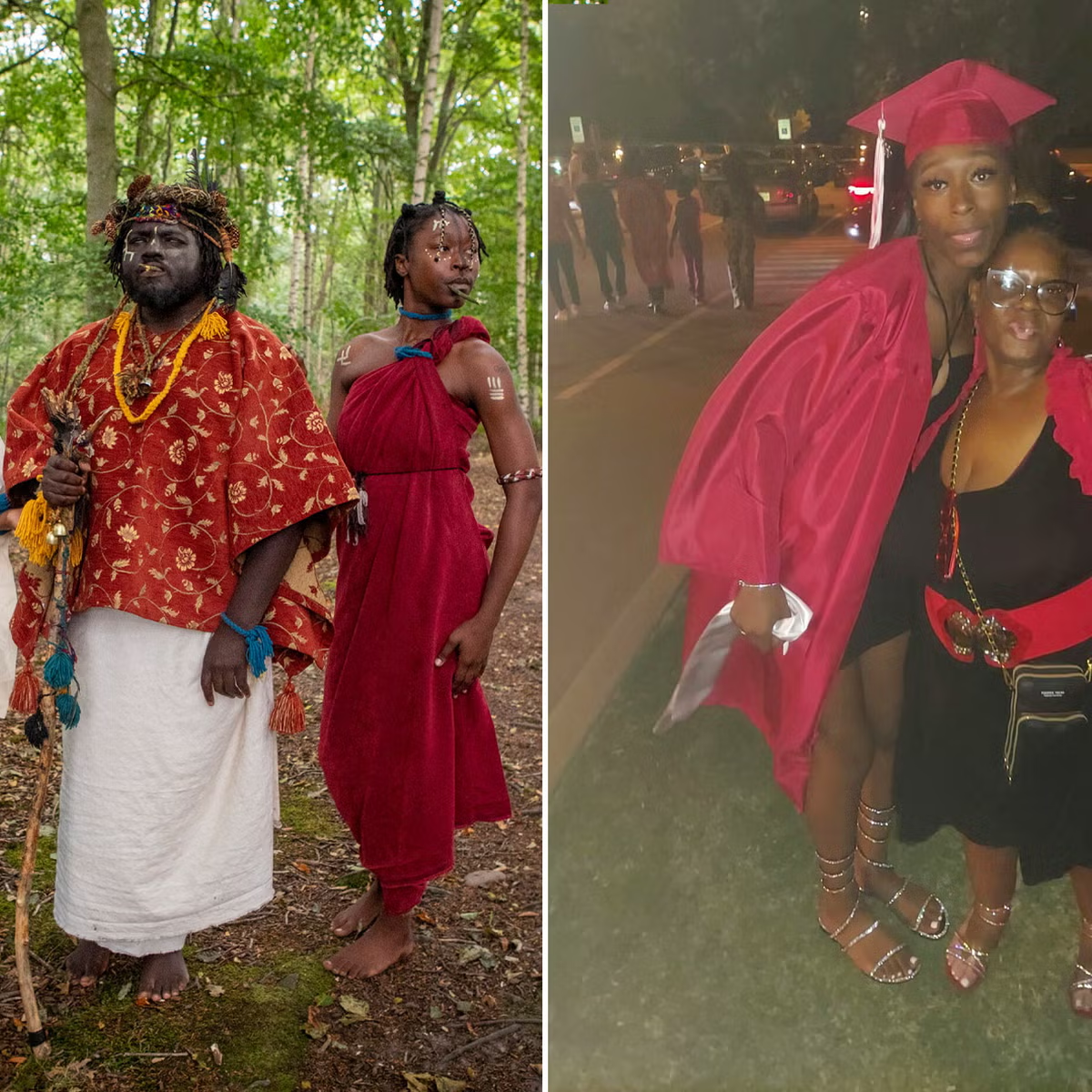
The role of social media and the internet in Kaura’s transformation cannot be understated. The power of the online world to influence vulnerable individuals has long been a topic of concern. Kaura’s descent into the Kingdom of Kubala appears to have begun online, where she first connected with King Atehene and Queen Nandi. This connection, her family believes, opened the door for her to be groomed by these leaders, who promised a sense of belonging and spiritual fulfillment.
The internet’s ability to bypass traditional societal structures—family, school, community—creates fertile ground for recruitment into high-control groups. Kaura’s journey from an ambitious young woman to a follower of an unproven spiritual leader was facilitated by social media’s accessibility and the allure of a group offering certainty and purpose. Psychologists note that people going through significant stress or who have unresolved trauma are particularly vulnerable to these kinds of manipulative tactics.
Legal and Ethical Complexities of Kaura’s Situation
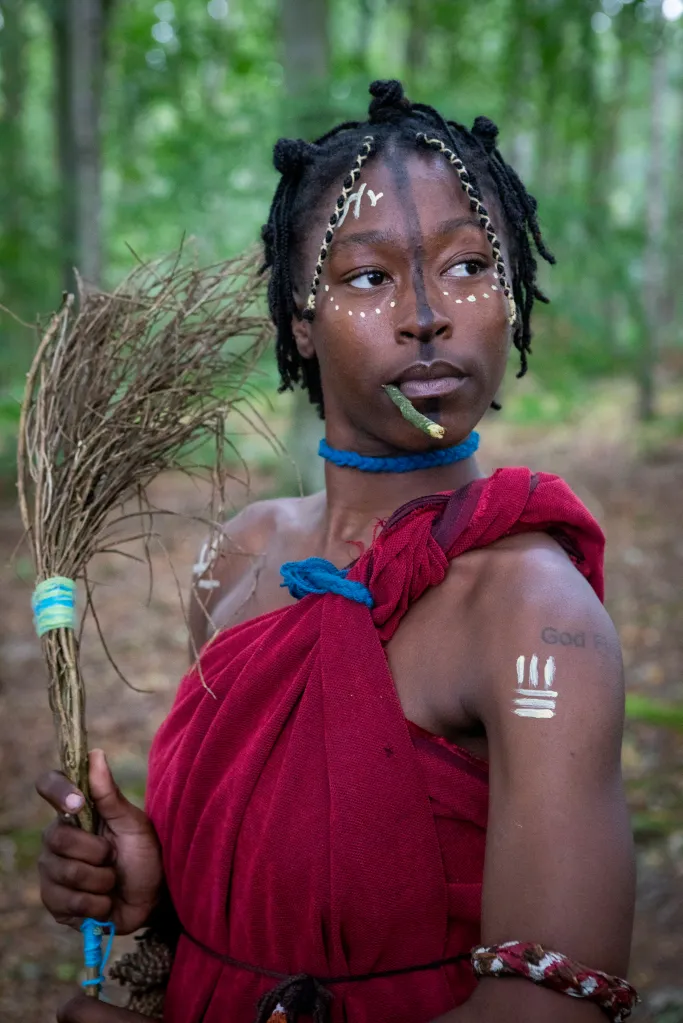
The legal complexities of Kaura’s situation are significant. While Kaura is an adult and has the legal right to make her own decisions, questions remain about her ability to make an informed choice. If an adult is involved in a group that seems exploitative or harmful, the line between personal freedom and coercion can be blurry. Scotland’s authorities have engaged with the group and provided support, but they have been limited in what they can do due to Kaura’s insistence on autonomy.
The issue of her daughter’s well-being has raised additional legal concerns. Kaura’s child was removed from the encampment by local authorities, and while Kaura’s mother has sought custody, international custody disputes add another layer of difficulty. The child’s removal underscores the tension between respecting an adult’s right to make choices and ensuring the safety and protection of children.
The Fine Line Between Reinvention and Manipulation
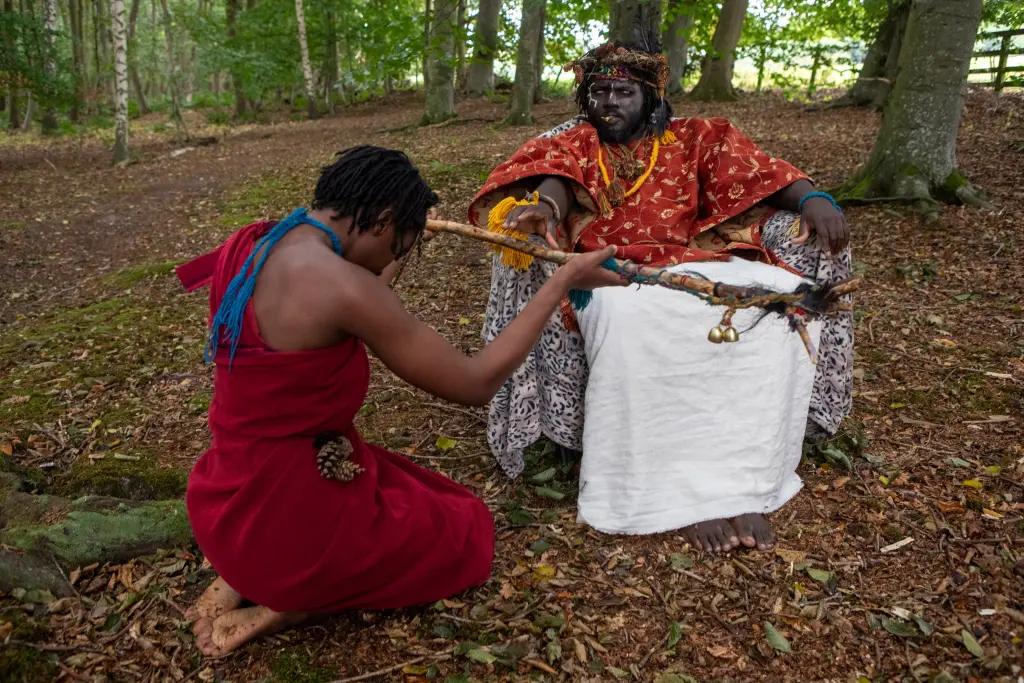
Kaura’s story brings up a difficult question: when does freedom of choice become manipulation? On one hand, Kaura insists that she is living freely, having chosen her new life with the Kingdom of Kubala. On the other hand, her family believes that her newfound identity and allegiance to the group are the result of coercion and psychological manipulation. This tension between personal freedom and family intervention is at the heart of many debates surrounding high-control groups and cults.
While personal reinvention is a natural part of the human experience, it becomes problematic when it involves drastic changes in identity, isolation from loved ones, and a dependence on charismatic leaders. Kaura’s case is a reminder of how easily vulnerable individuals can be drawn into such groups, and the difficulties families face in trying to intervene when an adult’s choices seem to be influenced by outside forces.
Should Authorities Intervene?
The case also raises legal questions about when and how authorities should intervene in cases like Kaura’s. In her situation, Scotland’s authorities are limited by Kaura’s insistence on her autonomy. While adults are allowed to make unconventional choices, the situation becomes more complicated when there is concern for the safety and well-being of children involved. The international nature of the case adds additional complexity, with jurisdictional issues surrounding custody and immigration status.
Kaura’s family is hoping that the upcoming expiration of her visa in November will bring an end to her time in Scotland. However, immigration status is not always a straightforward issue, and it remains to be seen whether Kaura will be forced to return to Texas.
Protecting the Vulnerable and Ensuring Autonomy

The story of Kaura Taylor is a sobering reminder of the complex nature of autonomy, manipulation, and identity. While individuals have the right to choose their path in life, there is a responsibility to ensure that choices are made freely and without undue influence. Kaura’s family’s anguish speaks to the deep emotional toll that can come from seeing a loved one disappear into a world of uncertainty.
For society at large, Kaura’s case highlights the need for greater awareness of how vulnerable individuals can be recruited into high-control groups. It also raises questions about the balance between protecting individuals from harm and respecting their autonomy. In this complex world, understanding the signs of manipulation and offering support to those who may be vulnerable is more important than ever.