
Table of Contents
- The Ongoing Allegations of Election Fraud
- A Closer Look at the Search
- Allegations of “Electoral Impropriety” in Fulton County
- The Legal and Constitutional Questions at Play
- Key Figures and Their Role in the Investigation
- A Disputed Claim
- More Debunked Claims
- Duplicate Ballots and Other Anomalies
- A Missed Opportunity
- What This Means for Future Elections
The Ongoing Allegations of Election Fraud
The FBI’s search warrant is part of a larger narrative that has unfolded since the 2020 presidential election. Following Trump’s loss, he and his supporters have continued to push the narrative that the election was stolen through widespread voter fraud. Claims centered around states like Georgia, Michigan, and Pennsylvania, where the results were close and where Trump’s team filed numerous lawsuits.
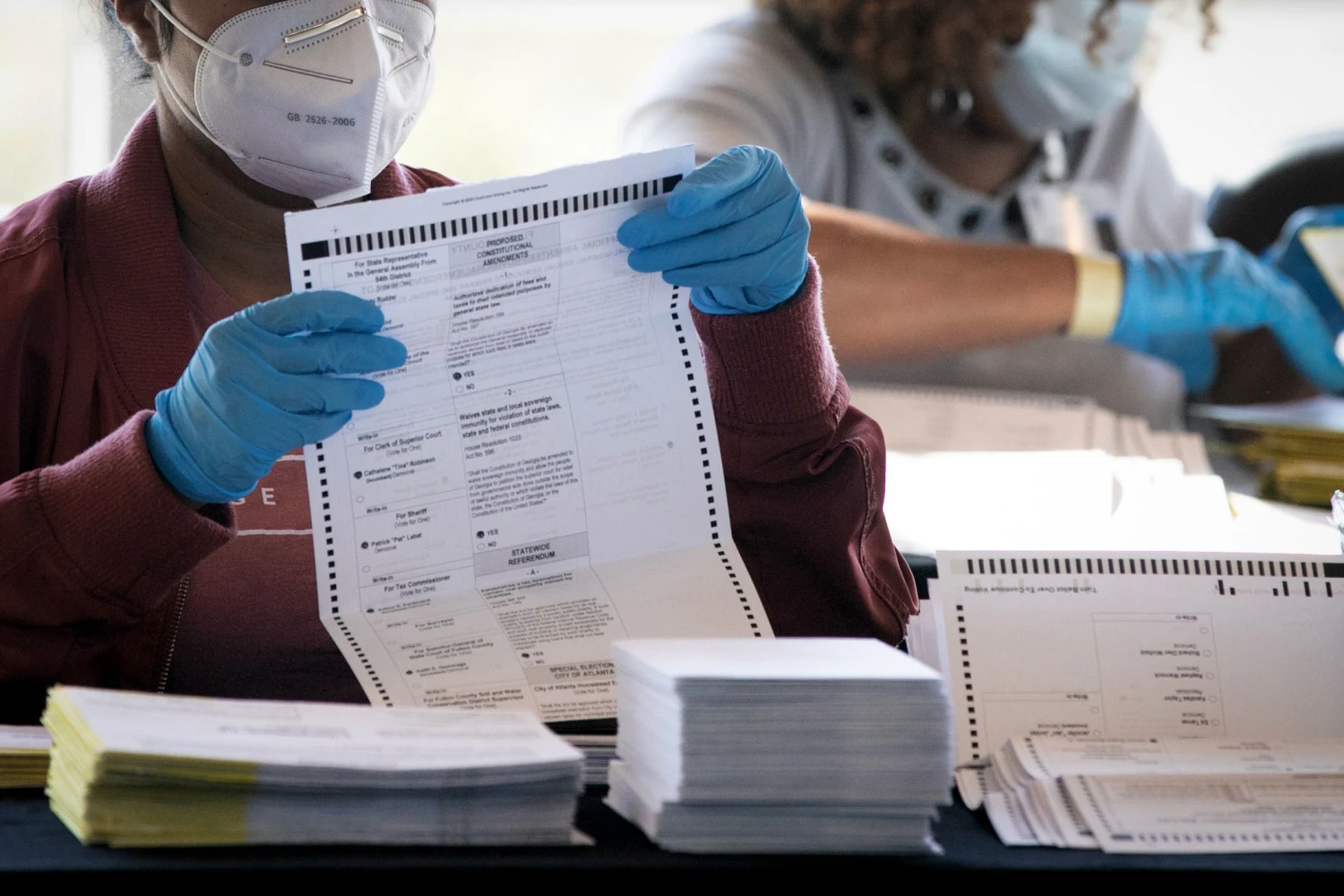
Fulton County, Georgia, which includes Atlanta, became a focal point for these allegations. Accusations ranged from unsubstantiated claims of ballot tampering to mismanagement of voting machines. Despite the absence of credible evidence, these claims persisted, influencing political discourse and fueling legal battles.
A Closer Look at the Search
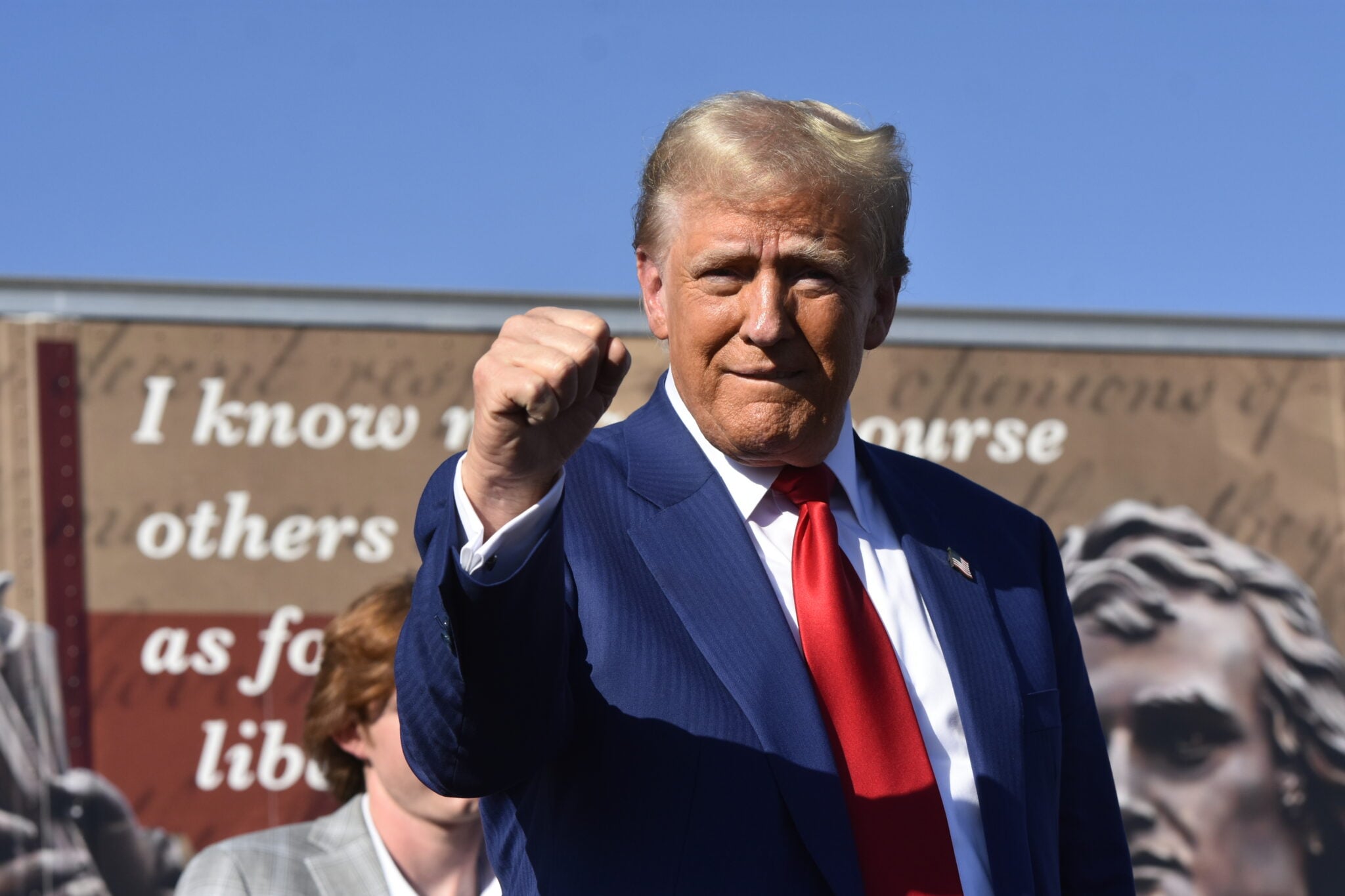
The search of the Fulton County Election Hub on January 29, 2026, marked a significant escalation in the investigation. According to the affidavit released by the FBI, the search was initiated following a referral from Kurt Olsen, a key figure in Trump’s election challenges. Olsen, known for his efforts to challenge the results in several states, had pushed the narrative of fraud for years. However, the search warrant affidavit doesn’t point to new evidence of criminal activity but instead relies heavily on previously debunked claims of voting irregularities.
The search itself was conducted under the premise that there was probable cause to believe federal laws had been violated. However, critics argue that the affidavit contains little in the way of direct evidence of fraud or misconduct, raising questions about the justification for such a dramatic step in the investigation.
Allegations of “Electoral Impropriety” in Fulton County
The affidavit cites “allegations of electoral impropriety” in the weeks following the November 3, 2020, election. It mentions “voting process and ballot counting” as key areas of concern, with some allegations having been disproven and others “substantiated” to varying degrees. However, the vague language used—such as the reference to “impropriety” and the lack of specific details—has left many wondering whether this is truly a valid basis for the search.
While there were indeed errors and inconsistencies in the election process, particularly in terms of ballot handling and processing, these problems were mostly administrative or procedural in nature. There has been no substantial evidence to suggest that these issues were part of a coordinated effort to skew the results.
The Legal and Constitutional Questions at Play
One of the most significant questions raised by the FBI’s search is the legal justification behind it. The application for the search warrant hinges on the premise that criminal intent could be inferred from irregularities in the election process. However, the affidavit itself offers little in the way of concrete evidence of criminal wrongdoing.
In several instances, the affidavit cites individuals who “believed” or “concluded” that the issues they observed were intentional, but there is no definitive proof to back up these claims. This reliance on conjecture has led many to question whether the FBI had sufficient probable cause to execute the search.
Key Figures and Their Role in the Investigation
The affidavit also names several prominent figures who have been vocal in their support for claims of election fraud. Kurt Olsen, a lawyer with ties to Trump’s efforts to challenge the election results, is mentioned as a key source of the information that led to the FBI’s involvement. Olsen’s role in pushing debunked claims about the 2020 election is well documented, and his involvement in this case raises questions about the credibility of the evidence he provided.
Another name that appears in the affidavit is Clay Parikh, who had been involved in efforts to overturn election results in Arizona. Both Olsen and Parikh are known for their involvement in the election denial movement, and their participation in the investigation calls into question the neutrality of the evidence.
A Disputed Claim
One of the primary claims cited in the affidavit revolves around missing ballot images. It was alleged that 17,852 ballot images were missing from the official recount, a claim that had been raised earlier in 2022 by an anonymous whistleblower. However, this claim has already been debunked by Georgia’s Secretary of State, who explained that the discrepancy was due to human error in the way the files were named.
Despite the resolution of this issue, the affidavit cites the missing ballot images as a key piece of evidence. This has led some to question whether the FBI is relying on outdated and discredited information in its investigation.
More Debunked Claims
Another claim raised in the affidavit is the so-called “pristine ballots” theory, which suggests that a batch of absentee ballots was too clean to be legitimate. This theory gained traction among election deniers who argued that the ballots were fabricated or altered. However, this claim was thoroughly investigated and dismissed by Georgia’s Secretary of State’s office, which found no evidence of fraudulent ballots.
The pristine ballots theory remains a point of contention among conspiracy theorists, but there is no substantive evidence to support the claim. The FBI’s reliance on this theory raises further concerns about the validity of the search warrant application.
Duplicate Ballots and Other Anomalies
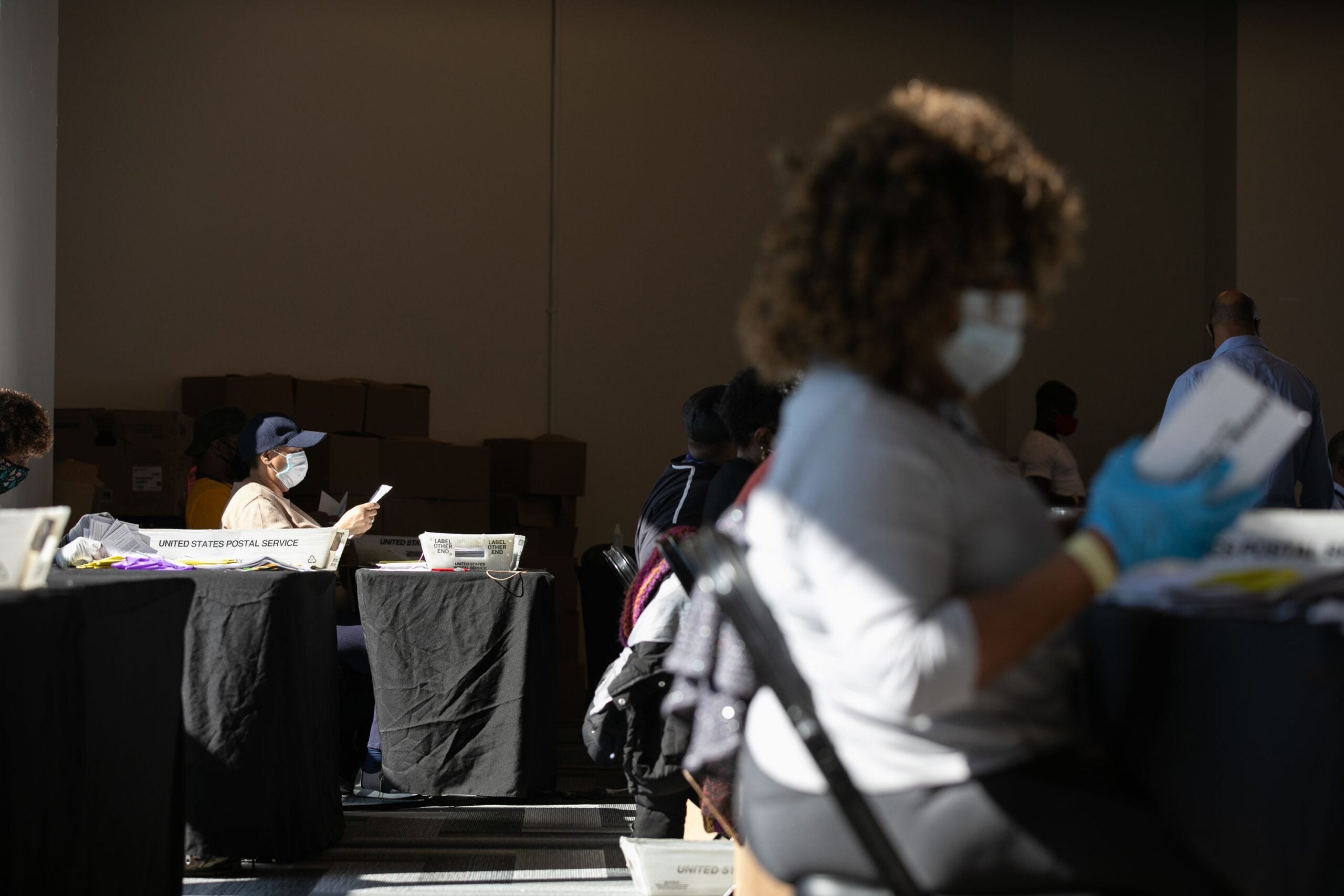
The affidavit also references a claim about duplicate ballots in the 2020 election recount, which was another issue raised by election deniers. It cites a data analyst who concluded that some ballots had been counted more than once. However, as state officials have pointed out, the duplicate ballot images identified during the recount process were a result of human error and did not affect the final vote tally.
This claim, while it may appear concerning at first glance, does not provide any evidence of deliberate misconduct. The absence of clear evidence of criminal intent casts doubt on the legitimacy of the search warrant.
A Missed Opportunity
Notably, the affidavit does not address any concerns about foreign interference in the 2020 election, despite numerous reports of foreign actors attempting to influence the election through disinformation campaigns. Given the ongoing concerns about cybersecurity and foreign interference, the lack of mention of this issue is puzzling.
It raises further questions about why the FBI’s investigation has focused primarily on domestic claims of voter fraud rather than examining the broader, more serious issue of foreign influence.
What This Means for Future Elections
The FBI’s search of the Fulton County Election Hub has sparked intense debate about the future of election integrity in the United States. While the affidavit used to justify the search raises more questions than it answers, it serves as a reminder of the ongoing concerns about election security and the potential for abuse of power in the aftermath of a contested election.
As we look ahead to future elections, it is essential that the public remains vigilant in ensuring that the integrity of the electoral process is upheld. Whether or not the investigation in Fulton County results in any criminal charges, it underscores the importance of transparency, accountability, and the need for rigorous safeguards against voter fraud.