

Table of Contents
The Discovery of Noe Santillan Rincon’s Body
The early morning hours of February 26 marked the beginning of a tragic and harrowing discovery. Just before 2 a.m., a police officer on routine patrol in Memphis noticed a body lying in the street on Willowview. The victim, later identified as Noe Santillan Rincon, appeared to have been shot multiple times.
Rincon’s death was immediately deemed suspicious, and a medical examiner confirmed that he had suffered 14 gunshot wounds. Authorities began investigating the incident, leading them to a woman who was reportedly the last person to have contact with the deceased before his untimely demise.
Alishon Torres
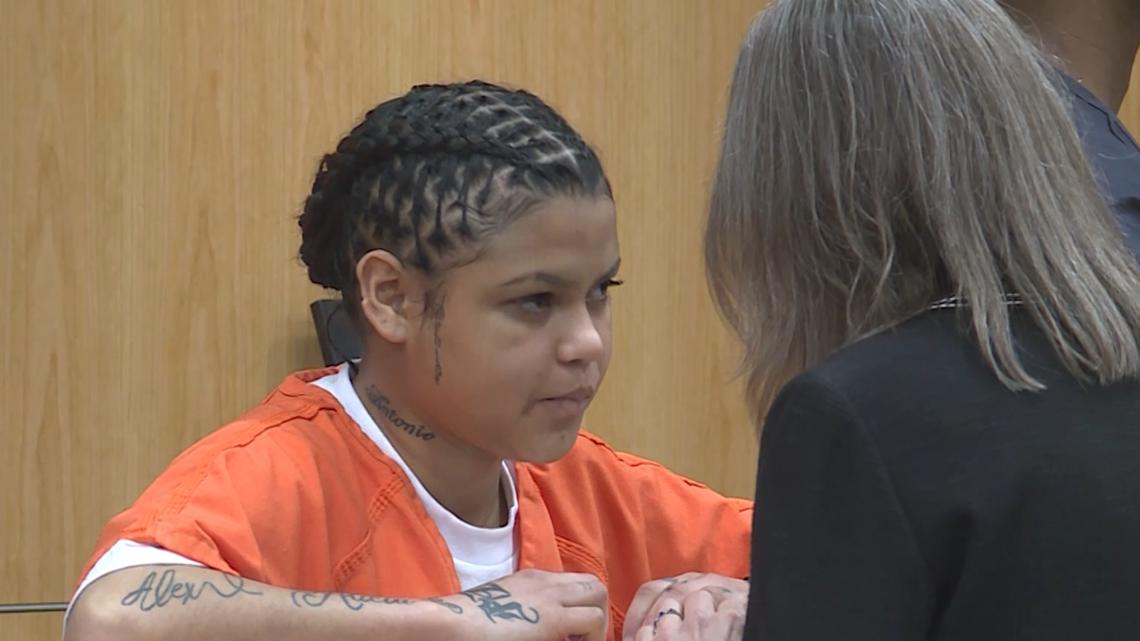
Alishon Torres, a key figure in the investigation, was quickly arrested after admitting her involvement in Rincon’s death. According to records, Torres had been in regular communication with her 18-year-old daughter, who was using Rincon’s phone in the hours after his death. Torres revealed that her daughter had called her several times, and eventually confessed to the shooting.
Torres claimed that the motive for the killing was a deeply personal one. According to her statements, several weeks before the incident, her 5-year-old daughter had accused Rincon of inappropriate touching. Torres said she was devastated by these allegations, which were later confirmed by her daughter during questioning. The claims of abuse created an emotional and moral dilemma for Torres, and her decision to confront Rincon that night would have devastating consequences.
The Confrontation and Shooting
Torres admitted to investigators that she had tracked Rincon down to Willowview, where she borrowed his phone to initiate a confrontation. According to court records, Torres then confronted Rincon about the accusations made by her daughter. During the heated exchange, Torres allegedly shot Rincon multiple times inside a van parked nearby. She told investigators that she fired between 10 and 14 shots, killing Rincon instantly.
Following the shooting, Torres stated that she drove the van to an abandoned house, where she attempted to repaint it in an effort to conceal any evidence of the crime. Afterward, she left the van at an apartment complex, where she claimed her boyfriend was unaware of the events that had unfolded.
Torres’ Confession
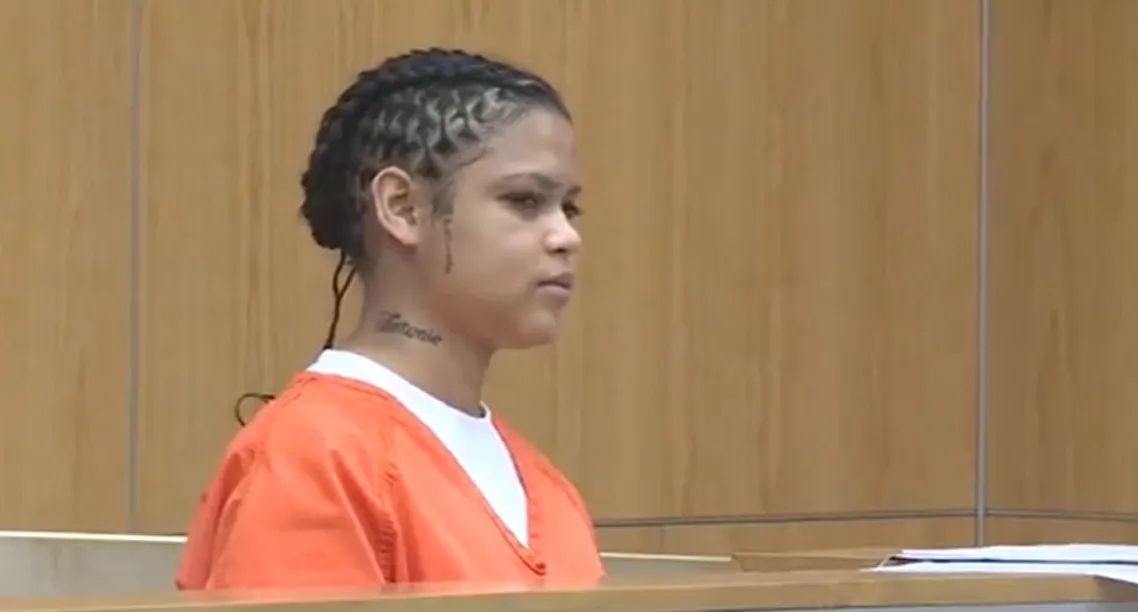
Torres was arrested a few days later and confessed to shooting Rincon. In addition to the gun found in her purse after it fell to the ground during her arrest, Torres admitted that one of the firearms used in the shooting belonged to her. She also revealed that she had sold or given away the second gun involved in the shooting. The authorities found her confession to be a key piece of evidence in the case, as it corroborated the timeline and the sequence of events leading to Rincon’s death.
The arrest has drawn attention to the issue of vigilantism and whether such actions could ever be justified, particularly when they are motivated by a desire for justice or retribution. While Torres faces serious charges, some have argued that her emotional state and the trauma of the abuse allegations against Rincon may have played a role in her decision to take matters into her own hands.
What Sparked the Tragedy
The core issue behind this tragic event was the allegation of child abuse. According to Torres, her 5-year-old daughter had disclosed to her that Rincon had touched her inappropriately. These claims were reportedly substantiated through interviews with the child, but Rincon never faced charges for the alleged abuse before his death.
Torres’s reaction to these allegations highlights the emotional and psychological toll that such incidents can take on parents and families. It is not uncommon for parents to feel anger, betrayal, and desperation when their children are victims of abuse. Torres’s actions, however, raise important questions about how far a parent can go in seeking justice, and where the line between justice and revenge should be drawn.
Charges Against Torres

Following her arrest, Torres faced serious criminal charges, including second-degree murder and possession of a firearm during the commission of a felony. Legal experts point out that while Torres’s actions may have been motivated by a deep sense of emotional trauma, she will still be held accountable for the unlawful taking of another person’s life.
The fact that Torres allegedly acted out of a desire for justice will likely be a central argument in her defense. However, the legal system requires that individuals be held accountable for their actions, regardless of their emotional or psychological state at the time of the crime. Torres’s legal team will likely argue that the emotional toll of the abuse allegations played a significant role in her decision-making, but it remains to be seen how the court will respond.
The Role of Firearms in the Incident
Another aspect of this case that has raised concerns is the use of firearms. Torres admitted to using a gun to kill Rincon, and investigators recovered the weapon from her purse. Firearms have long been a contentious issue in the United States, particularly in cases where violence is driven by personal motives or emotional distress.
The prevalence of firearms in the United States has led to debates about gun control, self-defense laws, and the use of deadly force. Torres’s case is a stark reminder of how easily firearms can be used in moments of heightened emotion, leading to tragic and irreversible consequences.
Sympathy vs. Justice
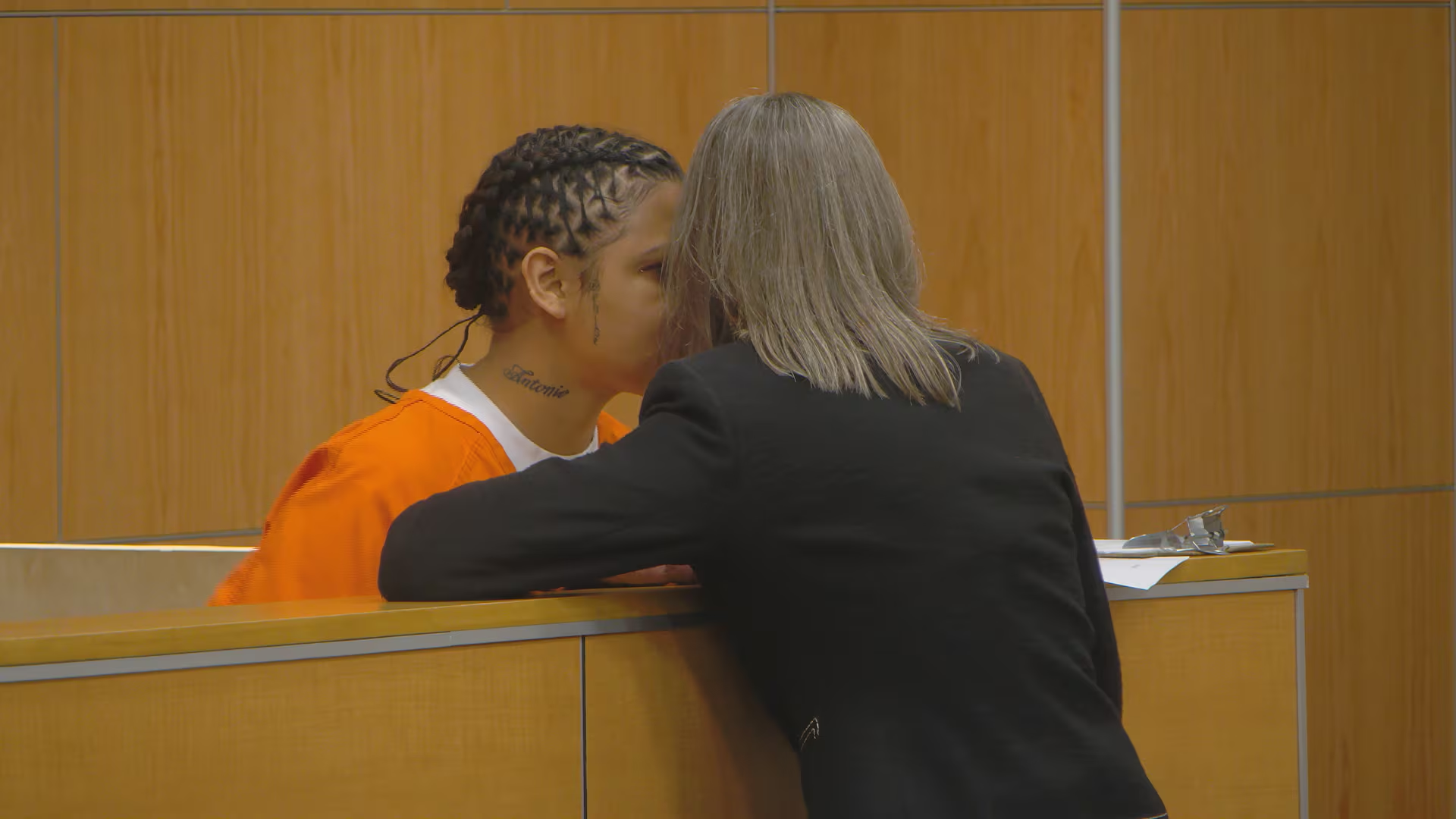
Public opinion surrounding Torres’s arrest has been divided. Some people sympathize with her, believing that her actions were driven by a deep sense of justice and maternal instinct. Others argue that there is never an excuse for taking the law into one’s own hands, no matter the circumstances.
This case raises the difficult question of whether justice can ever be served through vigilantism. While Torres may have felt justified in her actions, the consequences for Rincon’s family, as well as for Torres and her own daughter, are far-reaching. The debate about what constitutes justifiable action in such circumstances is unlikely to be resolved easily.
The Psychological and Emotional Impact of Abuse Allegations
The emotional and psychological impact of abuse allegations cannot be overstated. For parents, the knowledge that their child may have been harmed in such a way can be overwhelming. Torres’s actions underscore the complex emotions that often accompany child abuse cases, particularly when the justice system does not move quickly enough to address the allegations.
This case highlights the need for increased support for families affected by abuse. While the legal system plays a vital role in addressing allegations of abuse, parents like Torres may feel isolated and helpless in the face of such a traumatic experience.
The Long-Term Consequences

The arrest of Alishon Torres has prompted an outpouring of emotional responses, but it also raises important questions about justice, accountability, and the impact of child abuse allegations on families. Torres’s actions, while tragic, remind us of the deep emotional toll that abuse can have on both victims and their families. However, her decision to take matters into her own hands also serves as a cautionary tale about the dangers of vigilantism.
As this case progresses through the legal system, it will undoubtedly spark further discussions about the boundaries of justice and the role that emotions play in such decisions. For now, Torres faces serious charges that will likely have long-lasting consequences for her and her family.