
Table of Contents
- The Record-Breaking Nelore Cow
- Why Viatina-19’s Genetics Are So Valuable
- Origins and Key Traits
- Viatina-19’s Role in Shaping the Future of Cattle Breeding
- The Growing Market for Expensive Livestock
- Viatina-19’s Role in Brazil’s Agricultural Economy
- The Impact of Viatina-19’s Sale on Cattle Auctions
- Viatina-19’s Legacy and Long-Term Influence
- The Price of Livestock
- Viatina-19’s Record Sale and the Future of Livestock
The Record-Breaking Nelore Cow
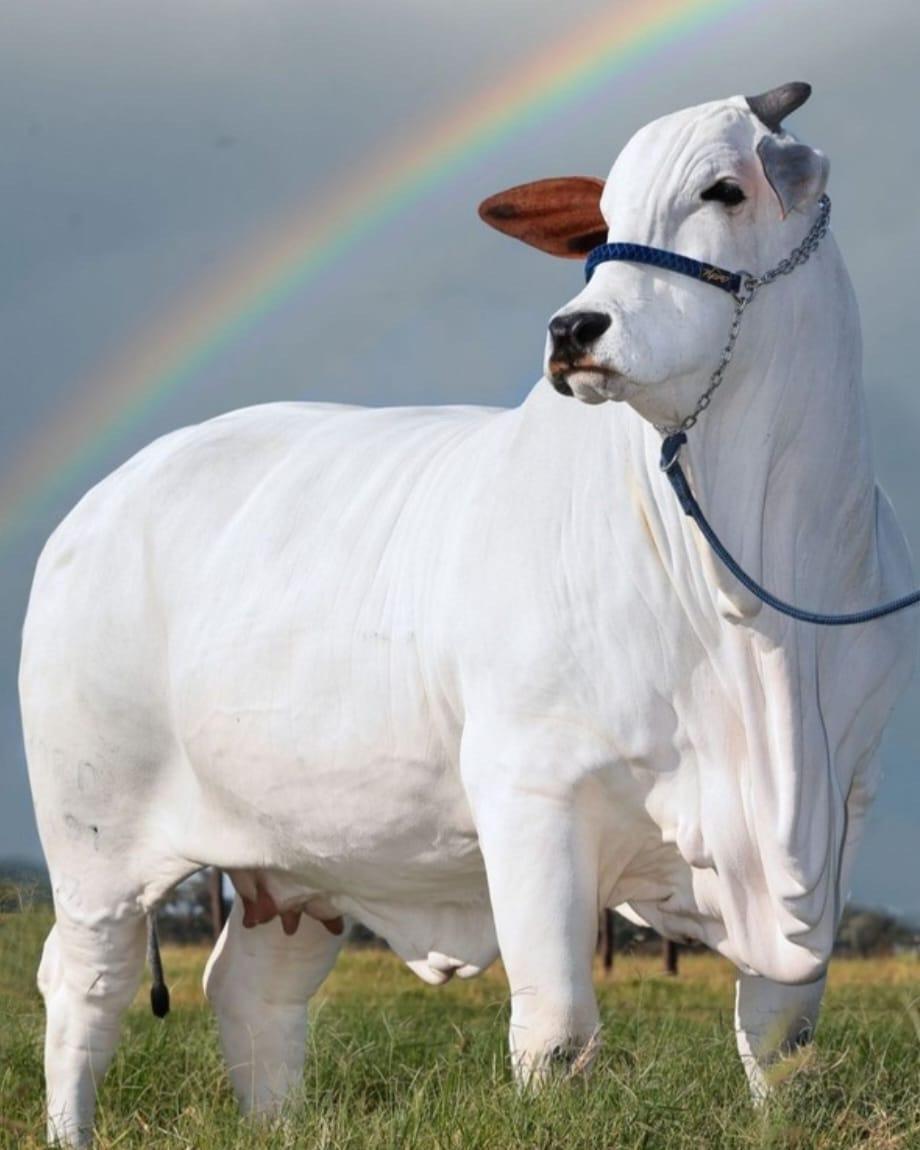
Viatina-19, a female Nelore cow, has become the most expensive cow ever sold, achieving an eye-watering price of $4.8 million. The Nelore breed, which originated in India, is highly sought after for its remarkable characteristics, including heat tolerance, disease resistance, and strong reproductive capacity. Viatina-19 stands out in the breed for her exceptional muscular build and remarkable physical traits, making her a prime candidate for breeding the next generation of livestock.
Weighing in at 1,101 kg (around 2,430 pounds), Viatina-19 is more than double the weight of an average adult Nelore cow. Her robust build and muscular frame make her a standout in the cattle industry. She is not only a symbol of livestock excellence but also a significant asset for future breeding programs aimed at improving the qualities of cattle in challenging environments.
Why Viatina-19’s Genetics Are So Valuable
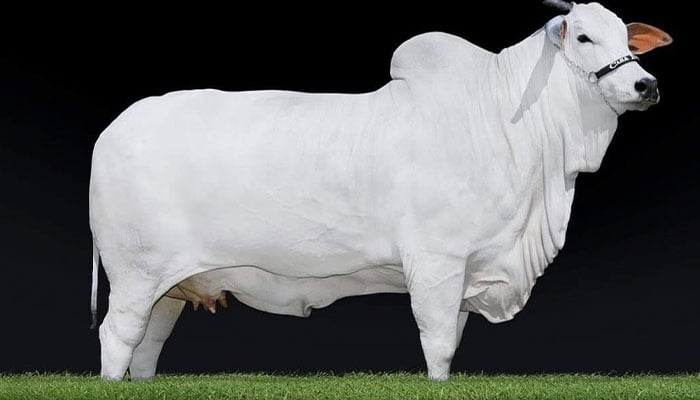
The genetics of a cow play a crucial role in determining its price in the livestock industry. Viatina-19’s superior genetics make her an invaluable asset for cattle breeders worldwide. Her lineage offers the potential for strong offspring that will inherit her muscular build, heat tolerance, and disease resistance. These traits are highly prized, especially in tropical and subtropical regions where these qualities are essential for cattle survival and productivity.
Viatina-19’s genetic influence will be far-reaching, as her eggs will be sold globally to shape the future of cattle breeding. Her exceptional traits are expected to contribute to the development of future generations of cattle that are more resilient, productive, and adaptable to environmental challenges. This makes her an investment that could shape the future of livestock farming for years to come.
Origins and Key Traits
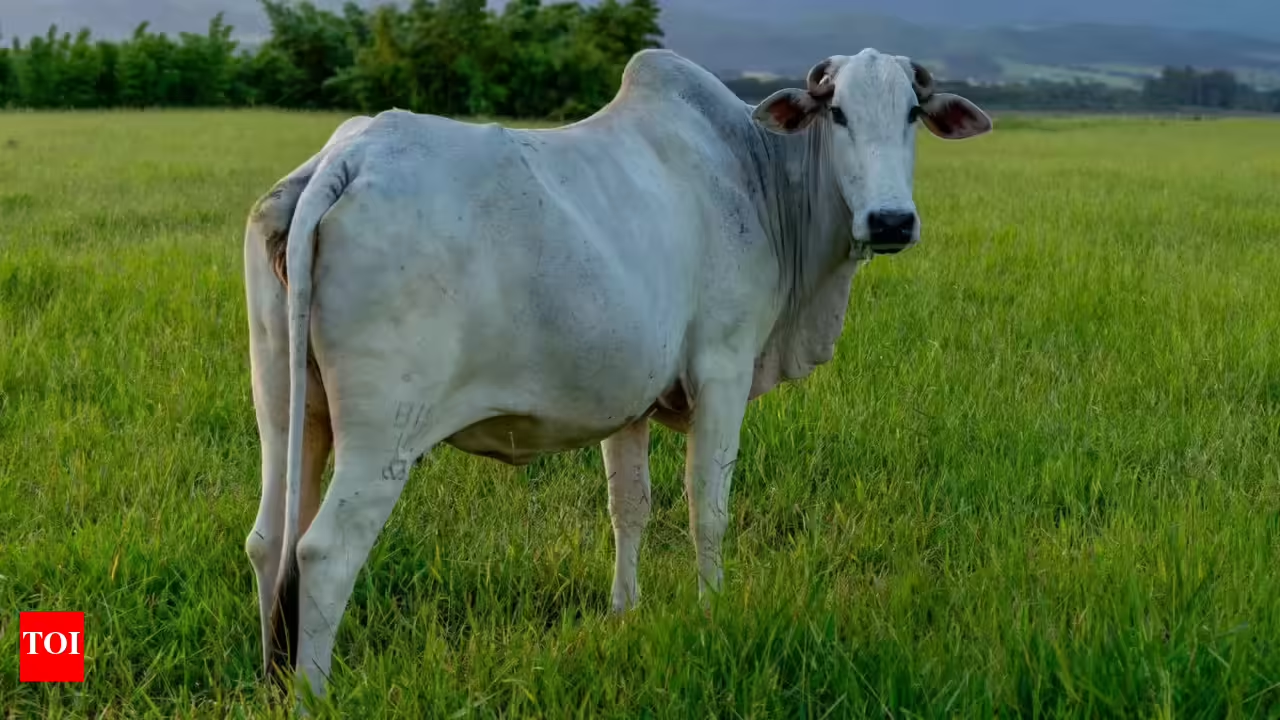
The Nelore breed, originally known as Ongole cattle in India, was introduced to Brazil in the 1800s and has since become one of the most valued breeds in the cattle industry. Nelore cattle are prized for their ability to thrive in hot and humid climates, making them perfect for tropical and subtropical regions. They are also known for their disease resistance, which reduces the need for medical interventions and lowers maintenance costs for farmers.
The Nelore breed’s high reproductive capacity and efficiency in grazing also contribute to its desirability. These cows are efficient grazers and can maintain a healthy body condition even in the harshest conditions, making them a valuable addition to livestock operations. Viatina-19’s role in advancing these qualities further solidifies the Nelore breed’s place at the top of the cattle industry.
Viatina-19’s Role in Shaping the Future of Cattle Breeding
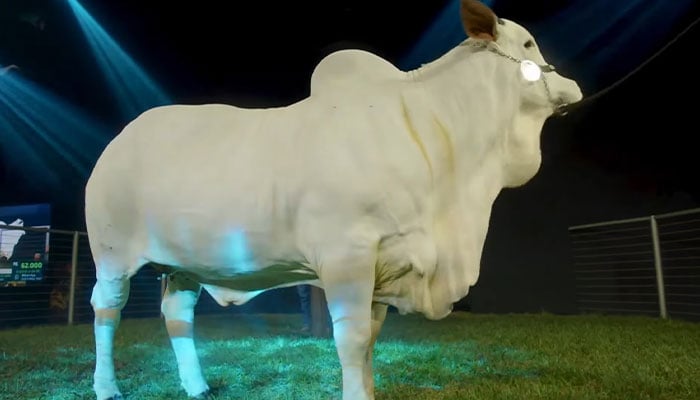
Viatina-19’s impact goes beyond her impressive price tag. As the world’s most expensive cow, she represents the culmination of years of careful breeding and selection. Her sale marks a new era in cattle breeding, where genetic excellence is highly valued and sought after. Viatina-19’s lineage will influence the future of cattle farming by introducing superior genetic traits into the breeding pool.
The cow’s physical attributes, including her muscular build and resistance to heat, will help breeders produce livestock that can withstand challenging environmental conditions. With climate change posing new challenges for agriculture, cattle that can thrive in extreme conditions will become increasingly valuable. Viatina-19’s sale highlights the growing importance of genetics in livestock farming and the role it will play in ensuring food security and sustainable agriculture.
The Growing Market for Expensive Livestock
Viatina-19’s record-breaking sale is part of a larger trend in the livestock industry where certain breeds and individual animals are commanding extraordinarily high prices. High-value livestock such as Viatina-19, the Wagyu cattle from Japan, and the Brahman cattle from India are coveted for their superior genetics and unique traits. These animals are often sold at auctions and private sales, with prices escalating due to their breeding potential.
As the demand for high-quality livestock continues to rise, breeders are investing more in genetically superior animals that can improve the efficiency and productivity of their herds. Viatina-19’s price is a reflection of this growing market for elite cattle, where genetics and performance take precedence over traditional factors like size or age.
Viatina-19’s Role in Brazil’s Agricultural Economy
Viatina-19’s sale is a significant event for Brazil, where cattle farming is a major part of the agricultural economy. The country is one of the world’s largest exporters of beef, and the Nelore breed plays a vital role in this industry. With Viatina-19’s genetic potential, Brazilian breeders can expect to see improvements in the quality and productivity of their herds, which could enhance the country’s position in the global beef market.
Brazil’s cattle industry has long been a key contributor to its economy, and the sale of Viatina-19 represents the continued evolution of this sector. As the demand for high-quality beef grows worldwide, Brazil’s ability to produce superior cattle will be increasingly important in meeting this demand.
The Impact of Viatina-19’s Sale on Cattle Auctions
Viatina-19’s historic sale at auction is expected to have a ripple effect on future cattle auctions. With her price setting a new benchmark, other breeders may be motivated to invest in high-quality livestock with the potential to achieve similar success. The sale has put a spotlight on the potential for livestock to serve as profitable investments, and it could lead to increased competition in the market for elite cattle.
In the future, breeders will likely focus even more on the genetics of their livestock, ensuring that their cattle have the traits necessary to thrive in difficult environments. Viatina-19’s record price is a reflection of the growing demand for cattle with superior genetics and adaptability.
Viatina-19’s Legacy and Long-Term Influence
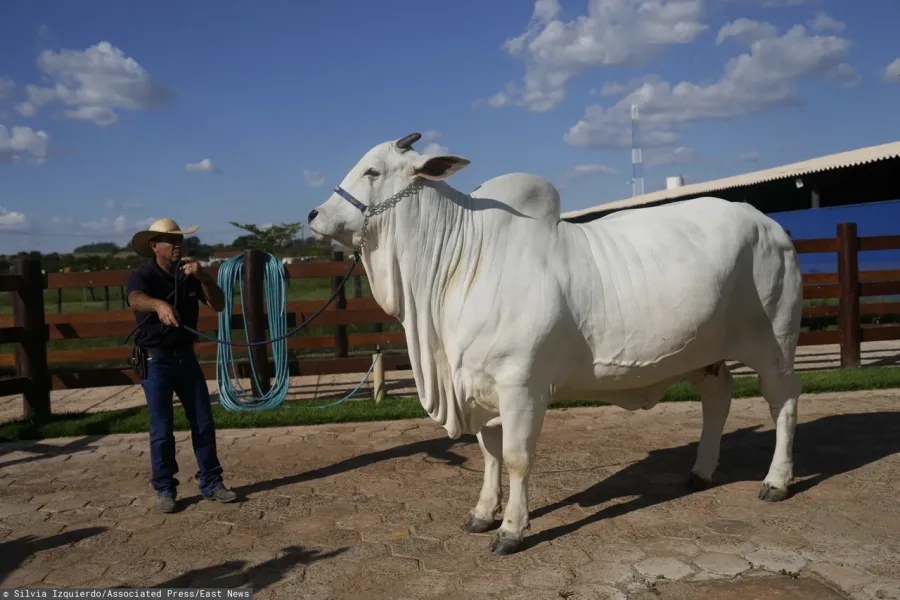
Viatina-19’s legacy will extend far beyond her lifetime. Her influence will be felt in the cattle industry for years to come, as her offspring will inherit her exceptional genetics. This means that the impact of her sale is not limited to the present but will continue to shape the future of livestock breeding.
As more breeders seek to improve their herds with superior genetics, animals like Viatina-19 will become increasingly valuable. The sale of such high-value livestock underscores the importance of genetic advancements in agriculture and the role they play in ensuring the continued success of the livestock industry.
The Price of Livestock
While the sale of Viatina-19 has been met with enthusiasm in the cattle industry, it has also sparked an ethical debate about the commodification of animals. Critics argue that such high prices reflect a growing trend where animals are viewed primarily as financial assets rather than sentient beings with intrinsic value. This debate raises important questions about the ethics of livestock breeding and the treatment of animals in agriculture.
Proponents of the livestock industry argue that breeding superior animals is necessary to meet the growing global demand for food and to ensure the sustainability of farming practices. However, the record sale of Viatina-19 has brought these ethical concerns to the forefront, prompting a broader discussion about the balance between agricultural practices and animal welfare.
Viatina-19’s Record Sale and the Future of Livestock
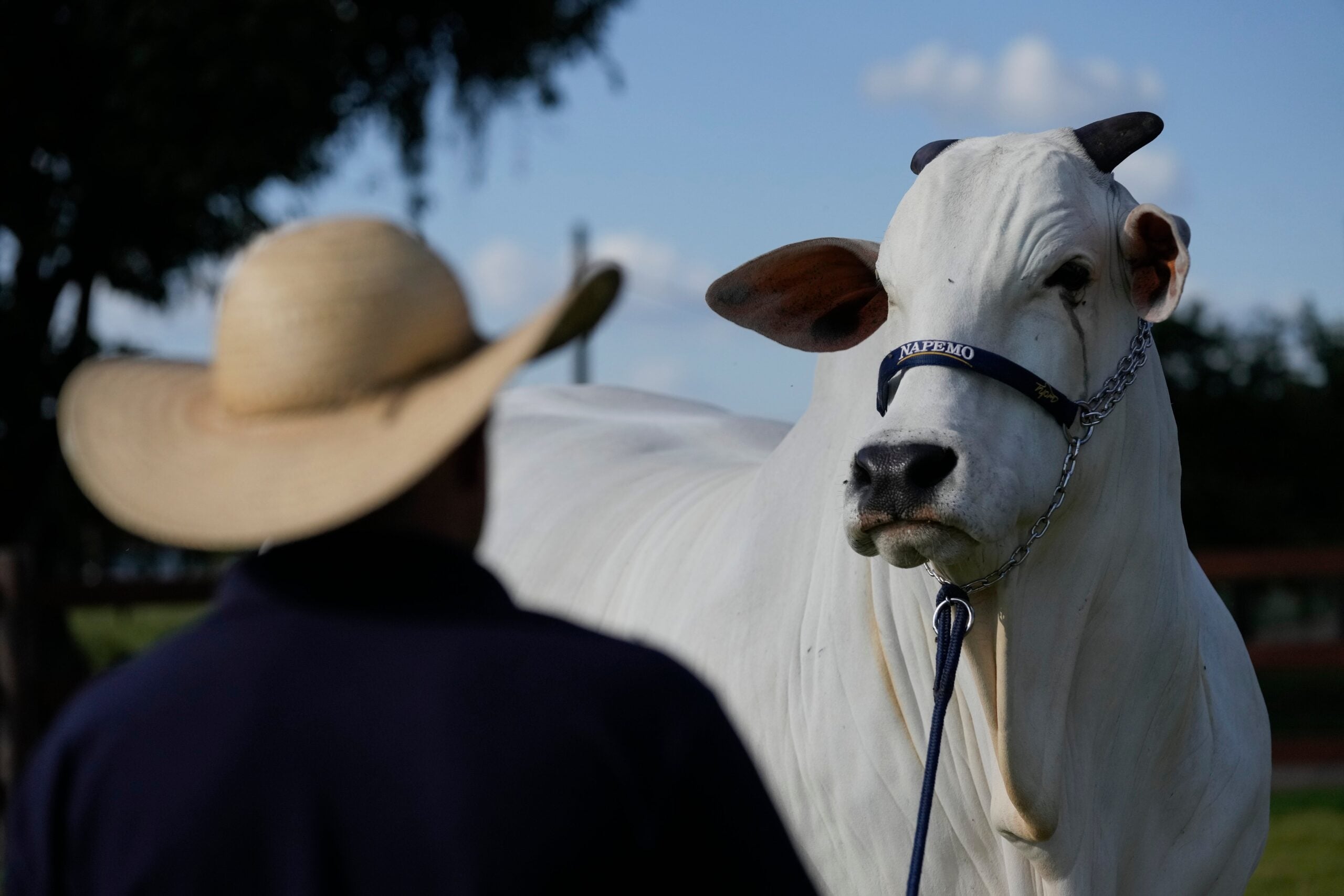
Viatina-19’s sale for $4.8 million is a landmark moment in the cattle industry, reflecting the growing importance of genetics in livestock breeding. Her remarkable physical traits and resilience to environmental challenges make her a valuable asset in the global agricultural market. As the demand for high-quality livestock continues to rise, Viatina-19’s legacy will shape the future of cattle breeding for years to come.
While the ethical implications of such high prices remain a topic of debate, the sale of Viatina-19 highlights the critical role that genetics will play in the future of agriculture. As breeders continue to seek out livestock with superior traits, the livestock industry will evolve, ensuring that animals like Viatina-19 are seen not just as valuable assets, but as key contributors to global food production and sustainability.