
Table of Contents
- A Cruise Ship Outbreak Raised The Alarm
- Why Hantavirus Can Be So Dangerous
- Scientists Are Working On A Vaccine
- The Breakthrough Idea Behind The Vaccine
- Why Temperature Stable Vaccines Matter
- The MV Hondius Case Shows Global Vulnerability
- What Scientists Still Need To Prove
- Why This Research Matters Beyond Hantavirus
- The Public Risk Remains Low But Awareness Matters
- A Vaccine Could Change The Future Response
A Cruise Ship Outbreak Raised The Alarm
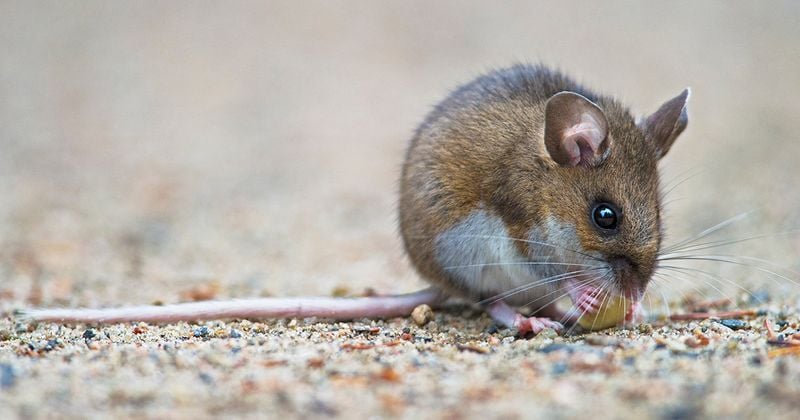
The MV Hondius had been travelling after setting sail from Argentina when cases of severe respiratory illness began to emerge among people connected to the ship. Hantavirus is typically associated with rodents, especially through exposure to contaminated urine, droppings, or saliva. In many cases, people become infected after inhaling tiny particles from contaminated environments.
What made this outbreak especially concerning was the international nature of the passengers and crew. People from multiple countries were connected to the voyage, which meant health officials had to coordinate across borders, monitor exposed individuals, and manage repatriations carefully. According to public health updates, the outbreak involved confirmed and suspected cases, and several passengers required medical attention.
For the general public, officials have repeatedly stressed that the risk remains low. Hantavirus does not usually spread easily between people. However, the Andes strain, which is associated with parts of South America, is known as the rare type that can spread from person to person in certain circumstances. That detail has made monitoring and isolation especially important.
Why Hantavirus Can Be So Dangerous
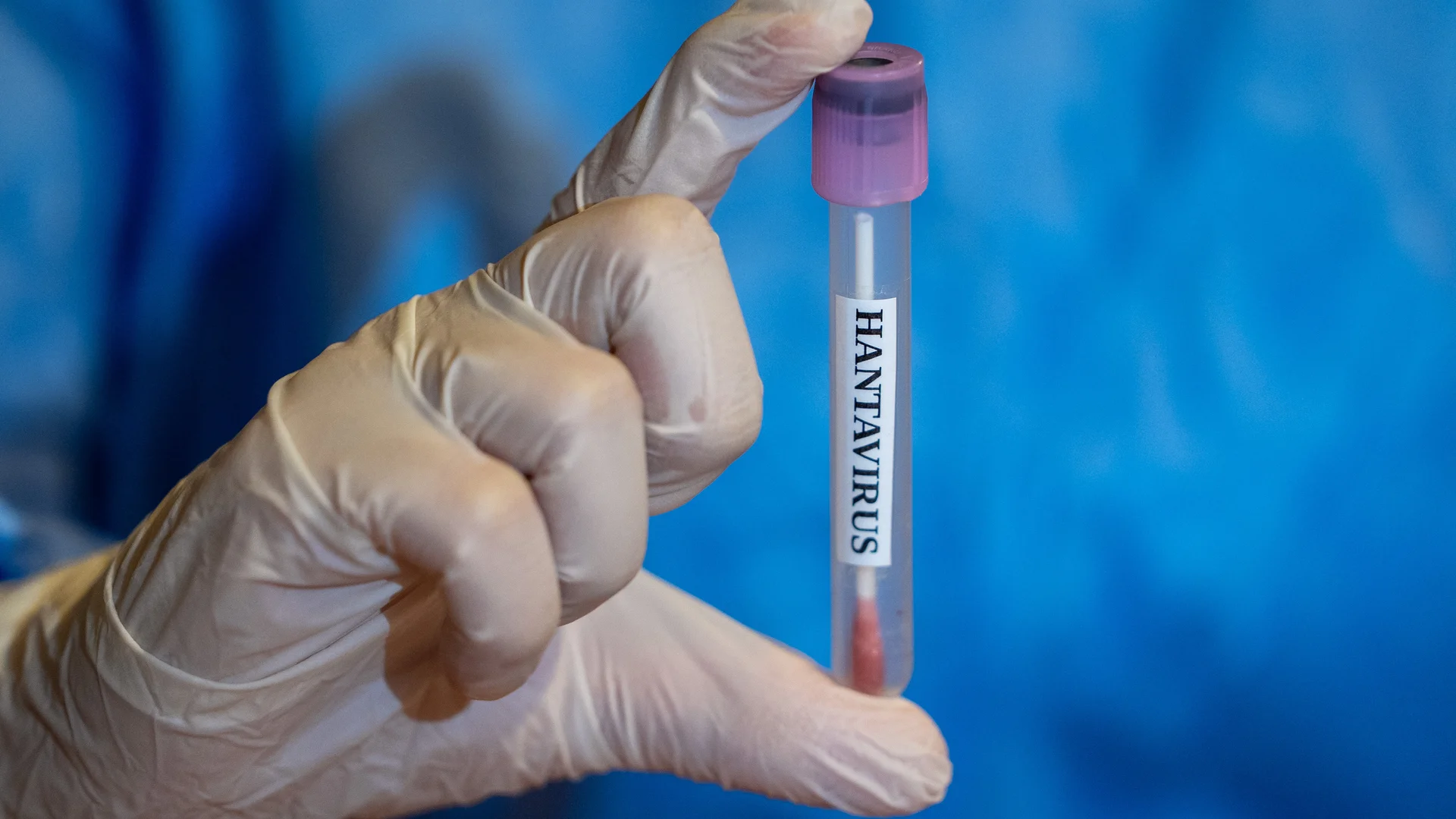
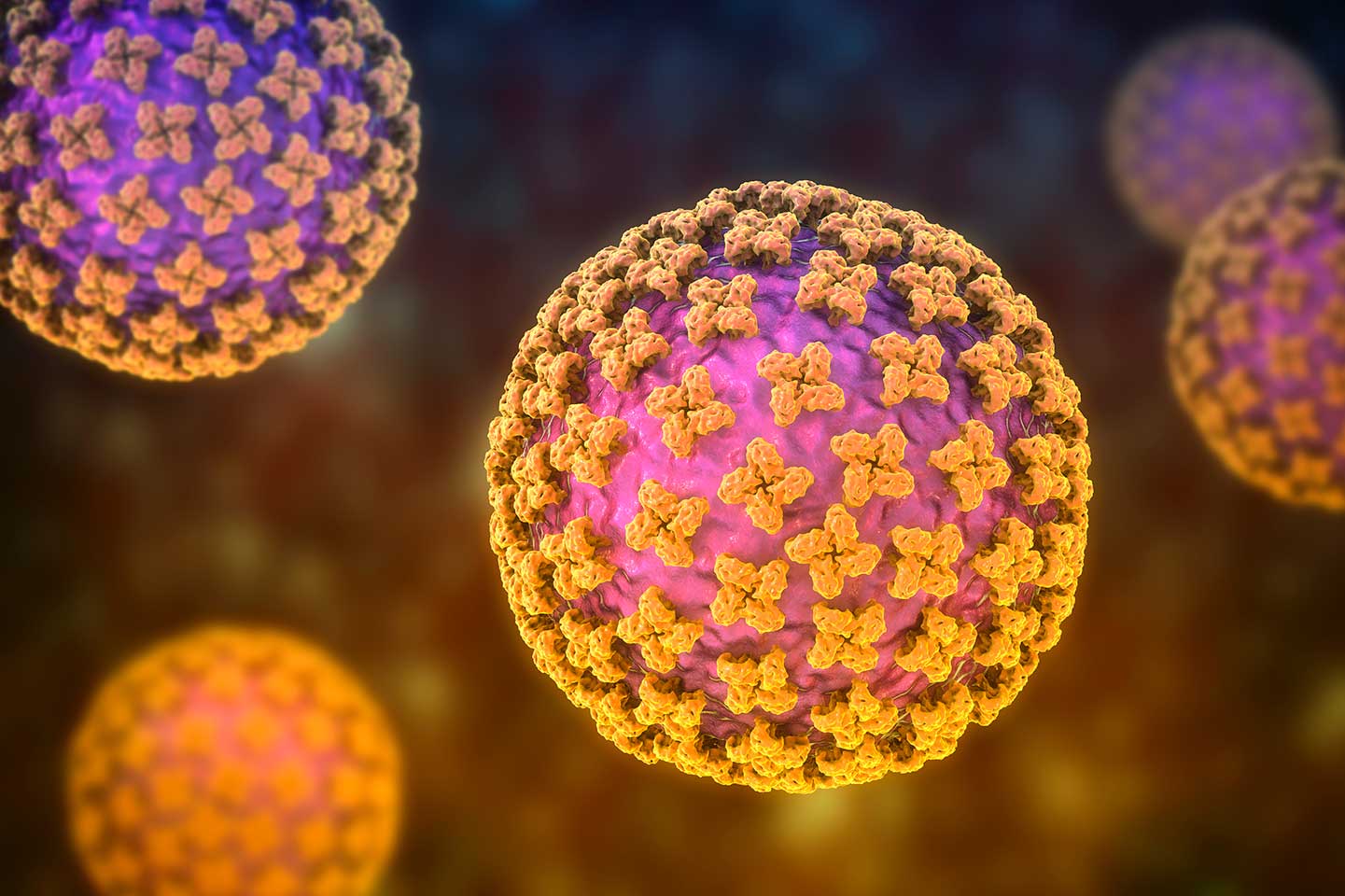
Hantavirus is not a single virus but a group of related viruses found in different parts of the world. Some forms can cause serious lung disease, while others may affect the kidneys. The most severe cases can progress quickly, especially when breathing problems develop.
Early symptoms can look like many other illnesses. A person may experience fever, muscle aches, fatigue, headache, dizziness, chills, nausea, or stomach problems. In serious cases, symptoms can worsen into coughing, shortness of breath, fluid in the lungs, and respiratory failure.
That is why early medical support matters. There is currently no widely available specific treatment that directly cures hantavirus infection. Instead, doctors focus on supportive care, which can include oxygen therapy, intensive care monitoring, mechanical ventilation, and dialysis in severe cases. The earlier a patient receives medical attention, the better the chance of managing complications.
This is one reason vaccine research is so important. A vaccine could shift the response from emergency treatment after infection to prevention before exposure becomes deadly.
Scientists Are Working On A Vaccine
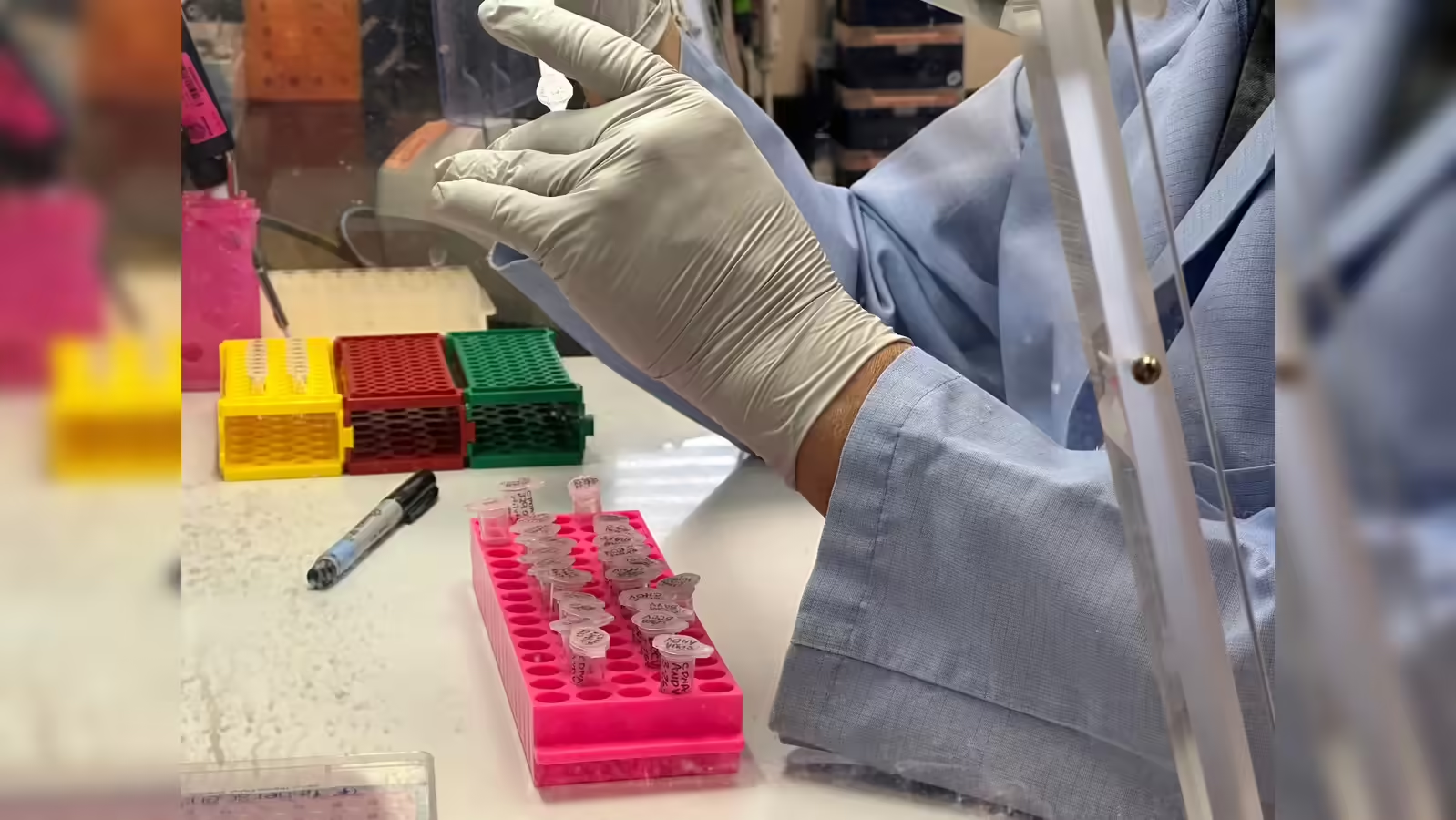
Among the scientists involved in the vaccine effort is Professor Asel Sartbaeva, a chemist from the University of Bath. She is part of an international team working with experts in the United States and South Africa. Their goal is not only to help develop a hantavirus vaccine but also to make it easier to transport and use in challenging locations.
The team had reportedly begun working on the vaccine before the MV Hondius outbreak, but the cruise ship cases have made the research feel even more urgent. A successful vaccine could help protect people in areas where hantavirus is known to circulate, especially in regions where access to rapid medical care is limited.
The project shows how vaccine science is no longer only about creating an immune response. It is also about solving practical problems: how to store vaccines, how to transport them, and how to deliver them quickly when outbreaks occur in remote places.
The Breakthrough Idea Behind The Vaccine
One of the most interesting parts of the research involves a method called ensilication. In simple terms, the idea is to protect vaccine ingredients by coating them in extremely tiny layers of inorganic material. This can help make vaccines more stable when exposed to changing temperatures.
Many vaccines need cold storage, sometimes at freezing temperatures. This is known as the cold chain. It works well in wealthy cities with strong medical infrastructure, but it becomes difficult in remote regions, rural communities, disaster zones, and places without reliable electricity.
If a vaccine can remain stable without constant refrigeration, it could be transported more easily. It could be sent by road, boat, plane, or even drone. That could make a major difference during outbreaks where every hour matters.
Professor Sartbaeva’s team has spent years developing this technology. In the hantavirus vaccine project, other researchers are working on the antigen, the part of the vaccine designed to train the immune system, while the Bath team focuses on thermal stability.
Why Temperature Stable Vaccines Matter
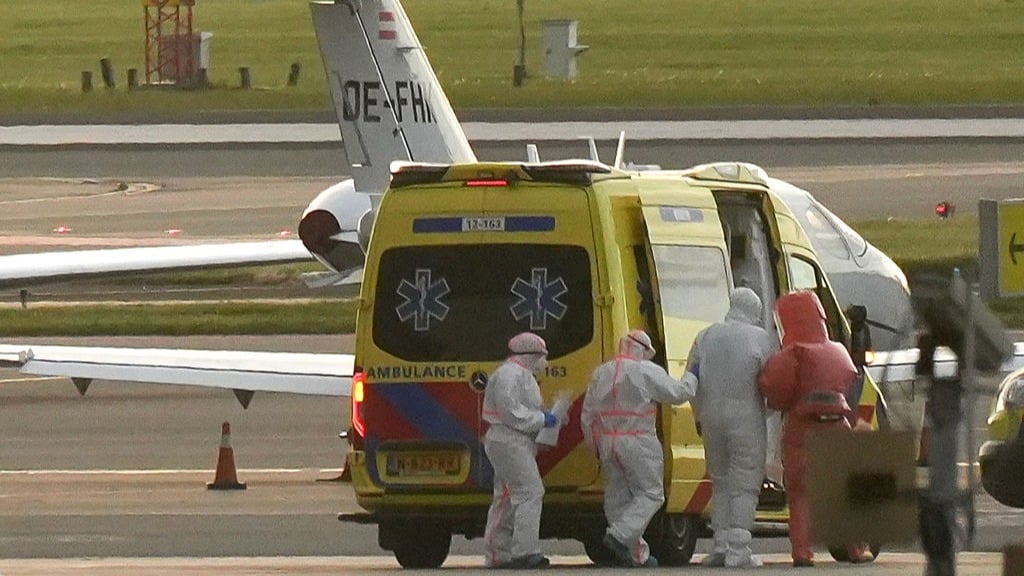
A vaccine that works in the lab is only part of the challenge. To save lives, it must also reach the people who need it. This is where temperature stability becomes critical.
In many parts of the world, vaccines can lose effectiveness if they are exposed to heat during transport. A broken refrigerator, delayed shipment, or long journey through difficult terrain can create serious problems. Health workers may have to throw away doses if they are unsure whether the vaccine remained safe and effective.
A thermally stable hantavirus vaccine could reduce waste and improve access. It could also make emergency response faster in remote outbreak zones. For a disease associated with rural environments and rodent exposure, this matters because some at risk communities may not live near advanced hospitals.
The idea of drone delivery is especially striking. It suggests a future where vaccines could be sent quickly into difficult to reach areas without waiting for traditional supply chains. That does not mean the solution is ready tomorrow, but it shows the direction vaccine technology is moving.
The MV Hondius Case Shows Global Vulnerability
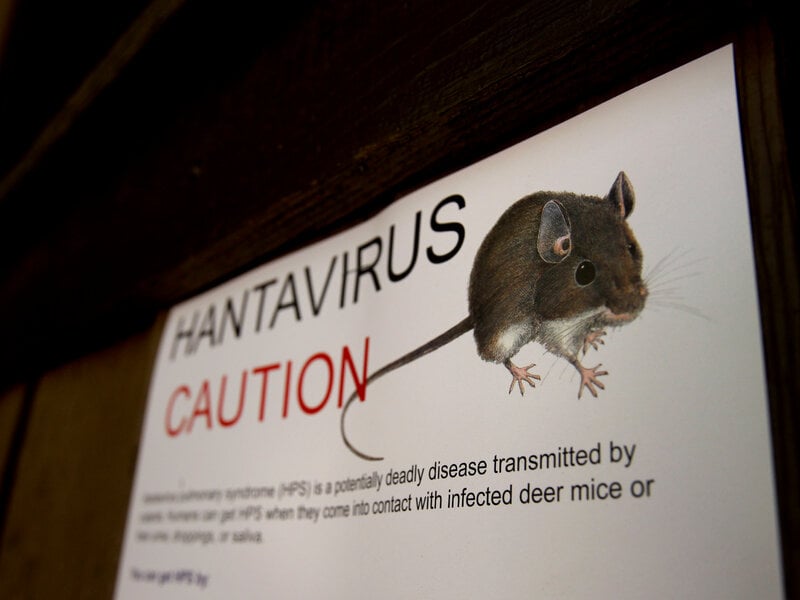
The MV Hondius outbreak also shows how quickly a health incident can become international. Cruise ships bring people together from different countries, often in shared spaces, then send them back across the world once a trip ends.
Even when the public risk is low, health agencies must act carefully. Passengers may need monitoring, testing, isolation, or medical evacuation. Countries must share information quickly so cases are not missed.
The outbreak has involved coordination between health bodies, national governments, and medical teams. Some passengers were allowed to leave for medical treatment, while others faced monitoring after repatriation. This kind of response is complex, expensive, and emotionally difficult for those involved.
For families of the deceased and the sick, the story is not just a public health event. It is a personal tragedy. That human reality is why prevention matters so much.
What Scientists Still Need To Prove
Although the vaccine research is promising, it is important not to exaggerate where things stand. Vaccine development takes time. Scientists must prove that a vaccine is safe, that it creates a strong immune response, and that it can protect people from disease.
Laboratory and animal testing can provide early signs of promise, but human clinical trials are essential. Phase 1 trials usually focus on safety and dosage. Later trials look more closely at effectiveness and side effects in larger groups.
Even after a vaccine succeeds in trials, regulators must review the evidence before it can be approved. Manufacturing, distribution, cost, and public trust are also major challenges.
So while the work is encouraging, a hantavirus vaccine is not an instant solution to the current outbreak. It is a possible tool for the future, one that could help reduce the impact of similar events.
Why This Research Matters Beyond Hantavirus
The technology behind this vaccine could have implications beyond one disease. If ensilication can help more vaccines survive without freezing temperatures, it could improve vaccine access worldwide.
This matters for diseases that affect remote communities, lower income countries, and regions with weak health infrastructure. It also matters during sudden outbreaks, when speed can determine whether an infection remains contained or spreads further.
The Covid 19 pandemic showed the world how powerful vaccines can be, but it also exposed global inequality in vaccine distribution. Some countries received doses quickly, while others waited. Temperature requirements made delivery even harder in some places.
A more stable vaccine platform could help narrow that gap. It could allow medical teams to respond faster, reduce dependence on fragile cold chain systems, and make vaccines more practical in real world emergencies.
The Public Risk Remains Low But Awareness Matters
Health officials have said the risk to the wider public remains low. That message is important because rare disease outbreaks can easily trigger fear, misinformation, and panic online.
People should understand that hantavirus is usually linked to rodent exposure, not casual contact in everyday public spaces. Basic prevention includes avoiding contact with wild rodents, keeping living spaces clean, sealing gaps where rodents can enter, and using safe cleaning methods in areas where rodent droppings may be present.
At the same time, awareness is not the same as panic. Anyone who may have been exposed during an outbreak and develops symptoms should seek medical advice quickly. Early support can make a major difference in severe cases.
The challenge for public health officials is to communicate clearly: the disease can be serious, but the public should follow evidence, not fear.
A Vaccine Could Change The Future Response
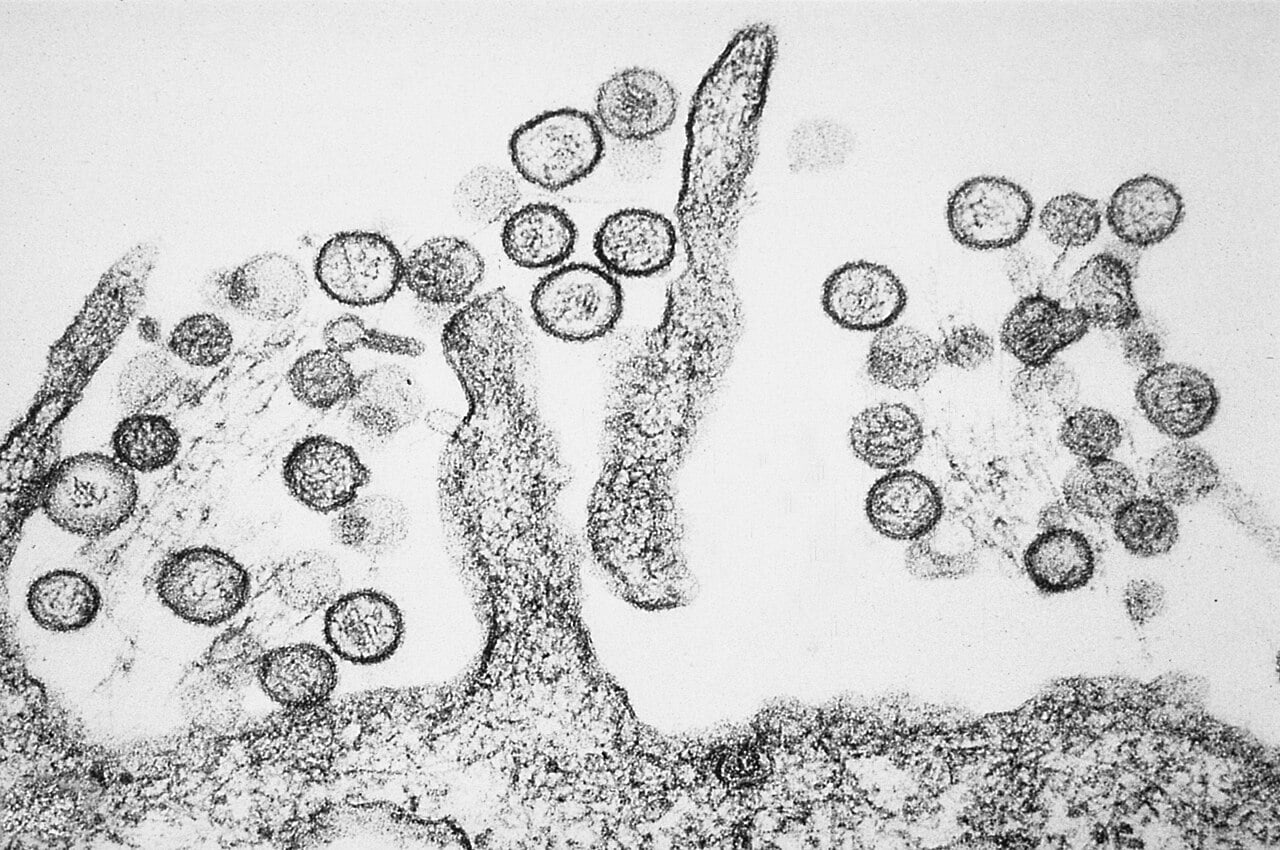
The race to develop a hantavirus vaccine reflects a larger shift in global health thinking. Scientists are no longer waiting for rare diseases to become widespread before preparing. Instead, they are trying to build tools in advance.
That preparation matters because the modern world is highly connected. A virus that begins in one environment can quickly involve passengers, hospitals, governments, and health agencies across continents.
The MV Hondius outbreak has placed hantavirus in the public spotlight, but the scientific work behind the scenes may become the more lasting story. If researchers succeed, the vaccine could help protect people in high risk regions and give health authorities a stronger tool during future outbreaks.
For now, the situation remains a reminder of both vulnerability and possibility. A small virus linked to rodents has disrupted lives, triggered international monitoring, and pushed vaccine research into public attention. But at the same time, scientists are working on technology that could make future outbreaks less deadly, less disruptive, and easier to control.