
Table of Contents
- The Unlikely Site At The Center Of The Mystery
- The Cruise That Turned Into A Health Emergency
- Why The Incubation Period Makes The Source Hard To Find
- What Hantavirus Does To The Body
- The Andes Strain Raises Extra Concern
- Argentina’s Rising Hantavirus Concern
- Why Ushuaia Attracts Adventure Travelers
- The Strange Link Between Bird Watching And Disease Risk
- International Response And Passenger Evacuations
- Why Officials Say The Public Risk Is Low
- What This Outbreak Reveals About Modern Travel
- A Mystery That Still Needs Answers
The Unlikely Site At The Center Of The Mystery
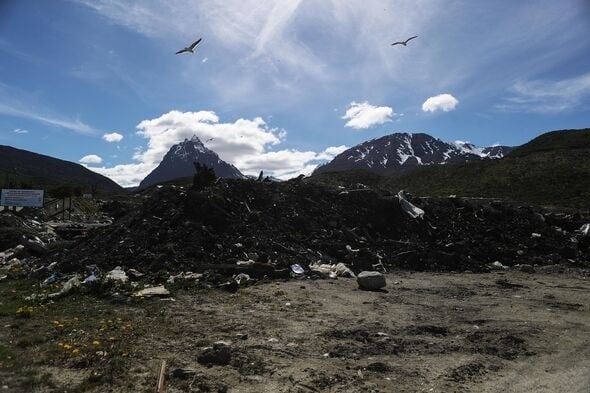
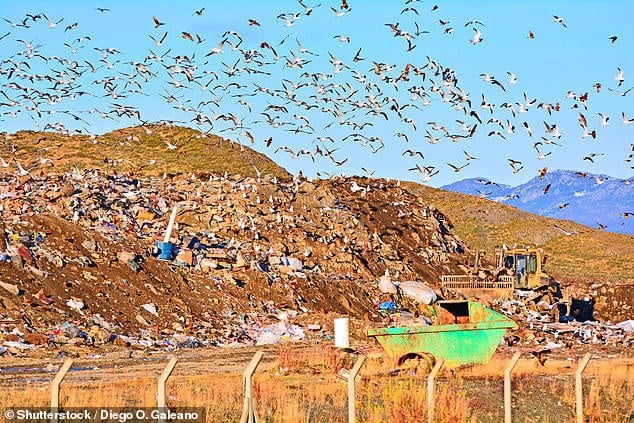
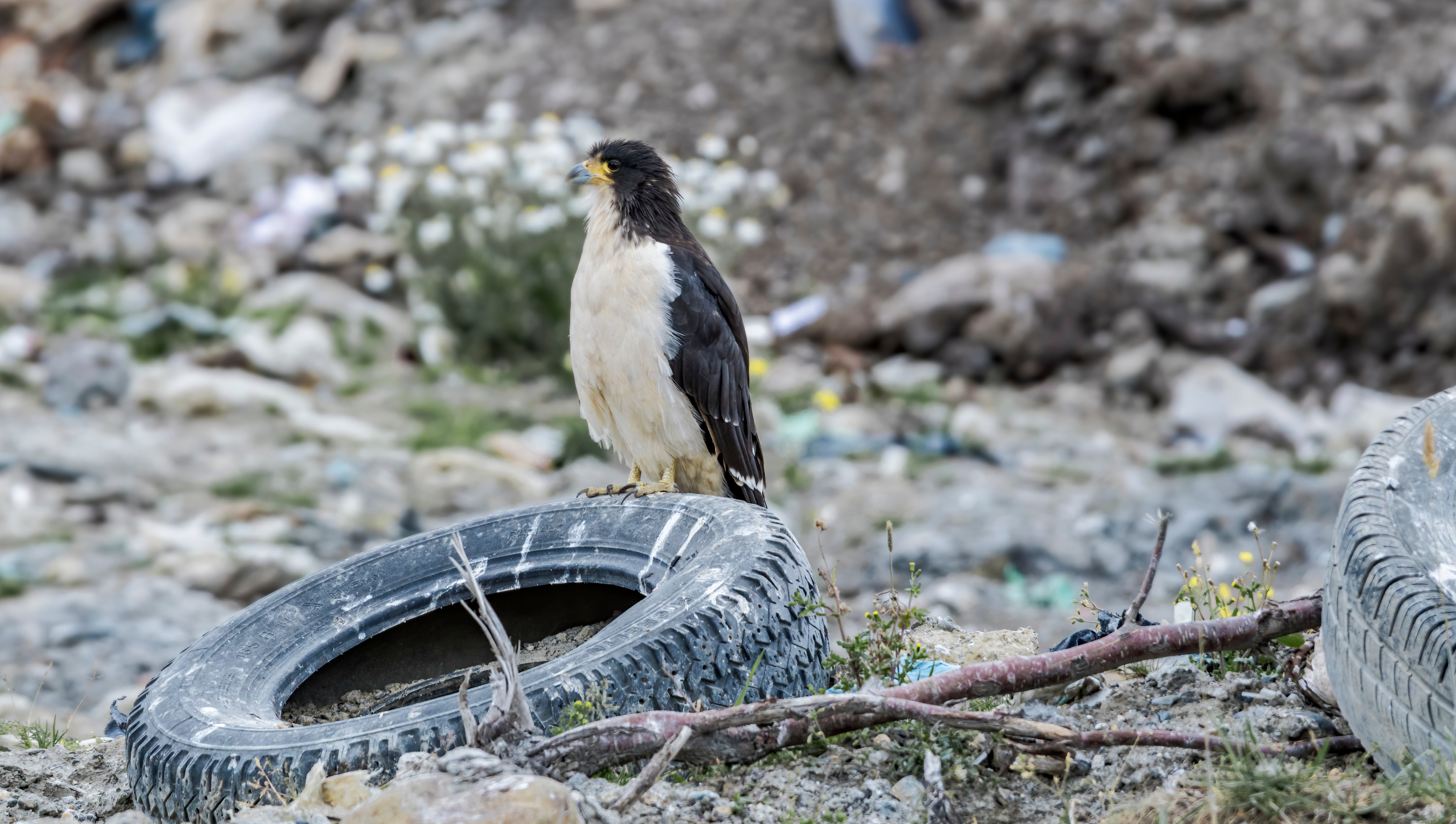
The Ushuaia landfill is not a conventional tourist attraction. It is a rubbish tip. But for certain bird watchers, places like this can become unexpected hotspots because food waste attracts large numbers of birds and other animals.
In Ushuaia, the site is known to attract seagulls and rare Patagonian species that may be harder to find in more scenic areas. That makes it appealing to bird enthusiasts searching for unusual sightings.
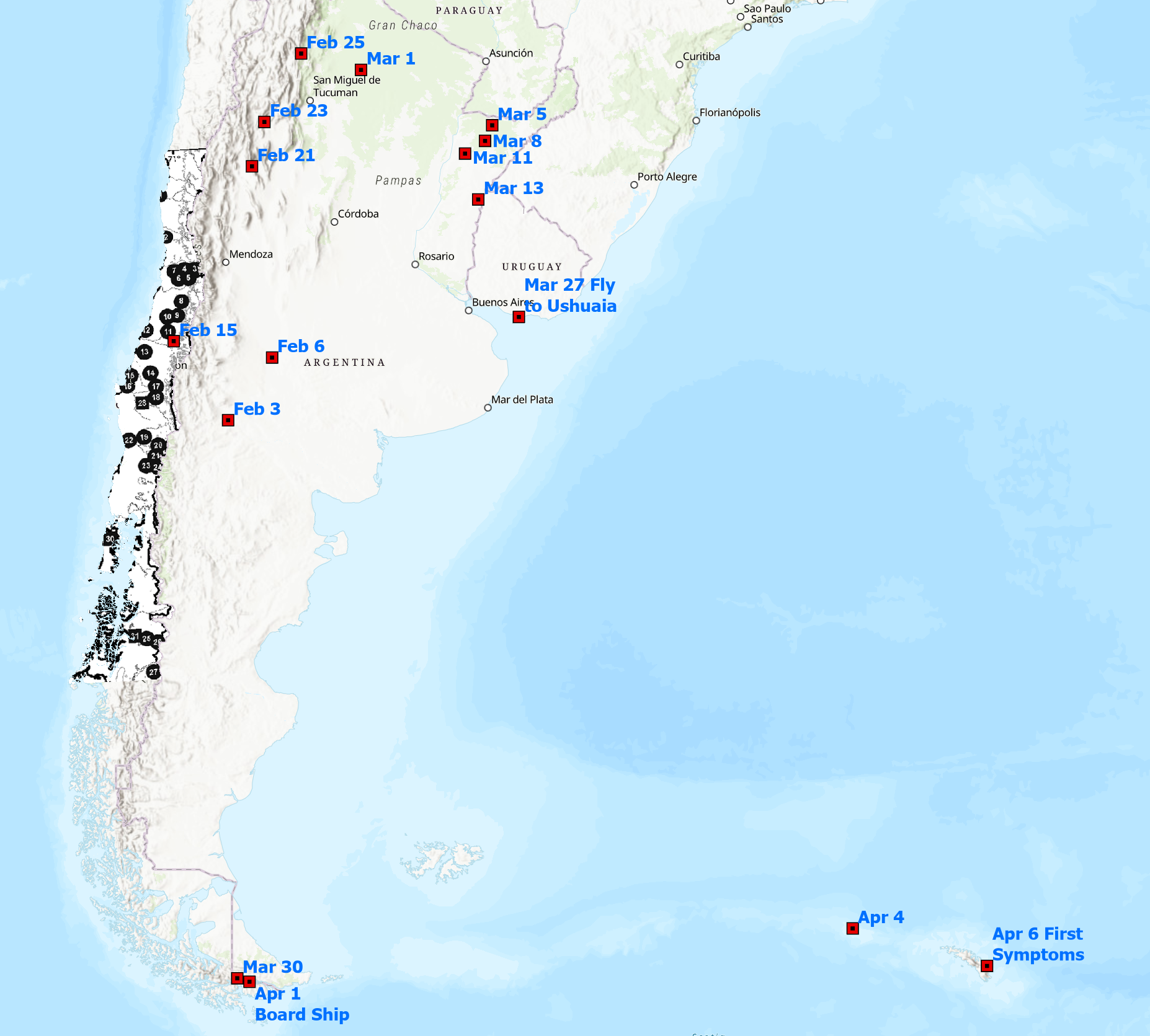
Reports suggest investigators are looking at whether a Dutch couple who later died may have visited the landfill before boarding the MV Hondius. The couple had reportedly travelled through Argentina and Chile before joining the cruise in Ushuaia.
This matters because hantavirus is most commonly linked to exposure to infected rodents. People can become infected when they inhale particles from contaminated rodent urine, droppings, or saliva. A landfill environment can attract rodents, birds, and other wildlife, creating possible exposure risks if contaminated dust is disturbed.
Still, investigators must be cautious. A suspected exposure site is not the same as a confirmed source.
The Cruise That Turned Into A Health Emergency
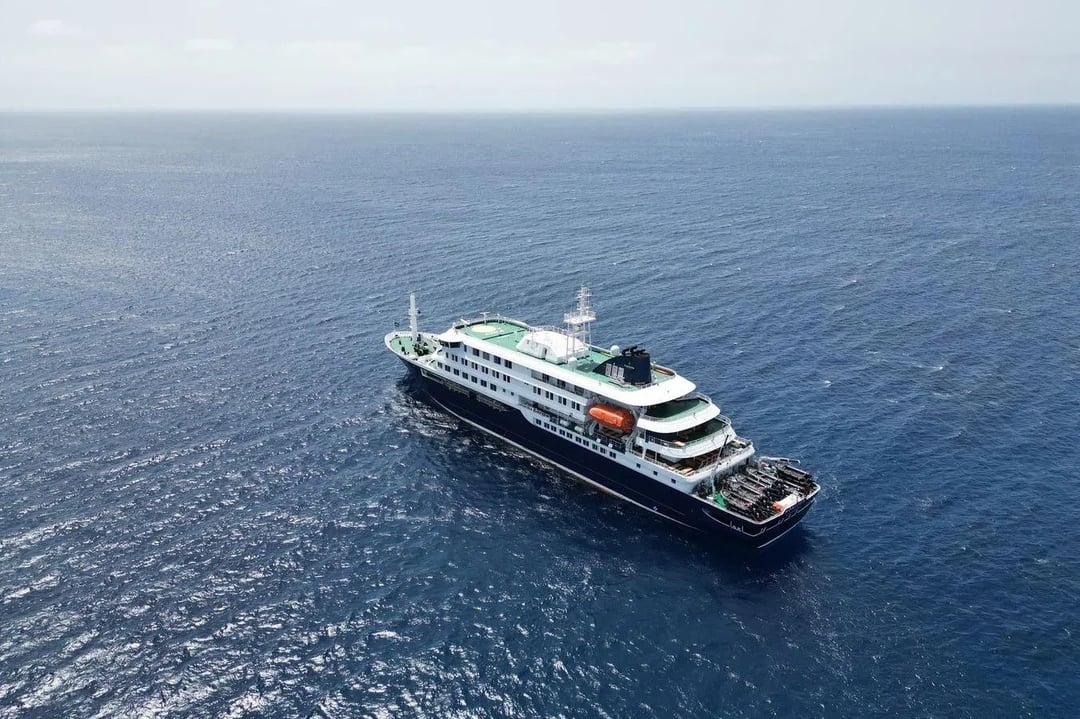
The MV Hondius departed from Ushuaia for an Antarctic voyage on April 1, 2026. What began as an expedition cruise later became the focus of an international health emergency.
The first reported death on board involved a 70 year old Dutch man on April 11. His 69 year old wife later died after leaving the ship and travelling to South Africa for medical care. A third passenger, a German woman, also died.
Health agencies have reported confirmed and suspected hantavirus cases among people linked to the ship. The outbreak triggered evacuations, testing, quarantine measures, and international coordination involving several countries.
The ship later became moored off Cape Verde before plans were made for passengers to be moved under strict health protocols. Some patients were evacuated for treatment, while others were monitored because they had no symptoms.
Officials have repeatedly said the public risk remains low. Even so, the outbreak has attracted intense attention because the Andes strain of hantavirus can, in rare cases, spread between humans.
Why The Incubation Period Makes The Source Hard To Find
One of the biggest challenges facing investigators is the virus’s incubation period.
Hantavirus symptoms may appear weeks after exposure. Reports have noted that the incubation window can range from one to eight weeks. That means a person may become infected long before they show signs of illness.
For the MV Hondius outbreak, this creates a complicated timeline. Passengers may have been exposed before leaving Argentina, during sightseeing trips in Patagonia, during travel elsewhere in South America, during a stop on a remote island, or possibly through contact with another infected person.
That uncertainty is why health authorities are reconstructing passenger movements in detail. They are looking at where people went, what activities they joined, whether they entered rodent prone environments, and whether they had close contact with infected individuals.
The landfill theory is one possibility, but not the only one.
What Hantavirus Does To The Body
Hantavirus is not one single virus. It is a family of viruses, and different strains can cause different illnesses. In the Americas, some forms can cause hantavirus pulmonary syndrome, a severe disease that affects the lungs.
Early symptoms can seem ordinary at first. A patient may experience fever, muscle aches, fatigue, headache, chills, dizziness, nausea, or stomach problems. But in serious cases, the illness can progress rapidly into coughing, breathing difficulty, fluid buildup in the lungs, low oxygen levels, and respiratory failure.
There is no widely available cure that directly eliminates hantavirus infection. Treatment is supportive, meaning doctors focus on helping the body survive the illness. Severe cases may require oxygen, mechanical ventilation, intensive care, and other advanced medical support.
This is why early recognition matters. A disease that starts like a common viral illness can quickly become life threatening.
The Andes Strain Raises Extra Concern
The outbreak has drawn special concern because it involves the Andes virus, a hantavirus found in South America.
Most hantaviruses are not known to spread easily from person to person. People usually become infected through environmental exposure to infected rodents. However, the Andes strain is unusual because it has been documented to spread between humans in rare circumstances.
That does not mean casual public exposure is highly dangerous. Health officials have continued to emphasize that the risk to the general public is low. But it does explain why authorities are taking careful precautions with infected passengers, close contacts, medical transfers, and quarantine monitoring.
The possibility of person to person transmission changes the outbreak response. Health teams must track contacts, monitor symptoms, isolate suspected cases, and coordinate across borders when exposed travelers return home.
For a cruise ship with passengers from many countries, that becomes a major logistical challenge.
Argentina’s Rising Hantavirus Concern
The MV Hondius outbreak comes as Argentina faces broader concern over hantavirus.
Argentina has recorded rising cases, and some public health researchers have connected the increase to changing environmental conditions. Warmer temperatures, altered rainfall patterns, land use changes, and shifting ecosystems can affect rodent populations and bring humans into closer contact with disease carrying animals.
Experts have warned that climate change may expand the range of some infectious diseases by reshaping habitats. When rodent populations grow or move into new areas, human exposure risks can change as well.
Reports from Argentina suggest hantavirus infections have increased compared with the previous year, with officials noting serious outcomes in some cases.
This broader pattern makes the cruise outbreak more than an isolated travel story. It raises bigger questions about how environmental change, wildlife behavior, and human movement interact.
Why Ushuaia Attracts Adventure Travelers
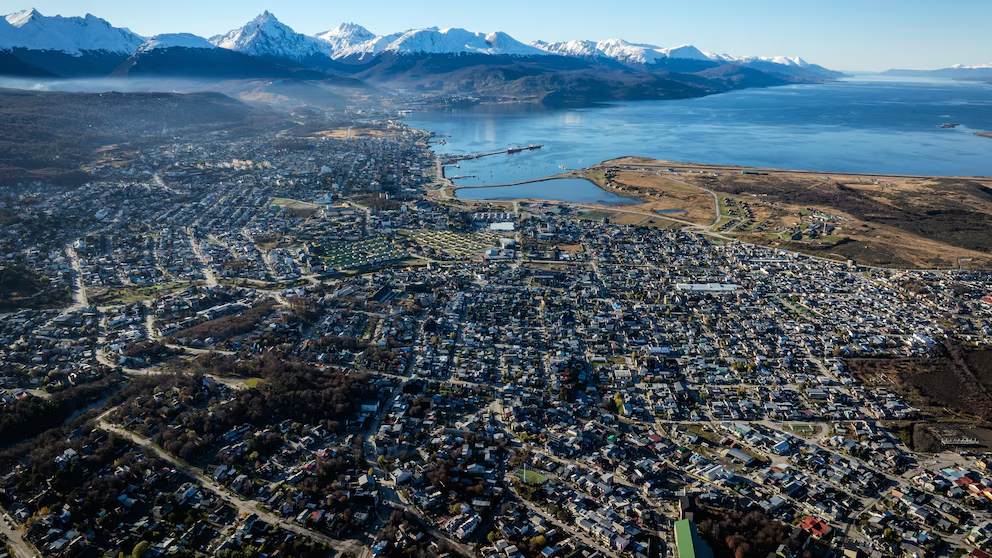
Ushuaia’s role in the story is striking because the city is one of the world’s most famous gateways to Antarctica.
Located in Tierra del Fuego at the southern tip of South America, Ushuaia markets itself as the city at the end of the world. Tourists visit for dramatic scenery, cold weather adventure, cruises through the Beagle Channel, national parks, skiing, penguin colonies, and wildlife excursions.
For many travelers, a visit to Ushuaia feels remote, rugged, and unforgettable. It is a place where tourism depends heavily on nature and adventure.
That is also why health investigations can become complicated. Visitors may hike through forests, watch wildlife, explore coastlines, travel through rural areas, and visit unconventional sites such as landfills for bird watching.
Every activity creates a different exposure profile.
The outbreak is unlikely to stop adventure tourism in the region, but it may increase awareness around environmental health risks.
The Strange Link Between Bird Watching And Disease Risk
Bird watching is generally seen as a peaceful and low risk activity. But the location matters.
A clean forest trail is very different from a landfill where waste, rodents, birds, and dust may interact. Bird watchers sometimes visit unusual places because rare species gather where food is abundant. Rubbish tips, wetlands, sewage ponds, and agricultural fields can all attract birds.
That does not automatically make such places dangerous, but it does mean visitors should understand potential risks.
In areas where rodent borne diseases are known or suspected, travelers should avoid disturbing dust, avoid direct contact with rodent droppings, and follow local health guidance. Tour operators and tourism officials may also need to provide clearer warnings about unconventional wildlife viewing sites.
The Ushuaia landfill theory has become viral partly because the contrast is so dramatic. A place visited for rare birds may also have been a possible exposure site for a deadly virus.
International Response And Passenger Evacuations
The outbreak has required coordination among multiple countries because passengers and crew came from many nationalities.
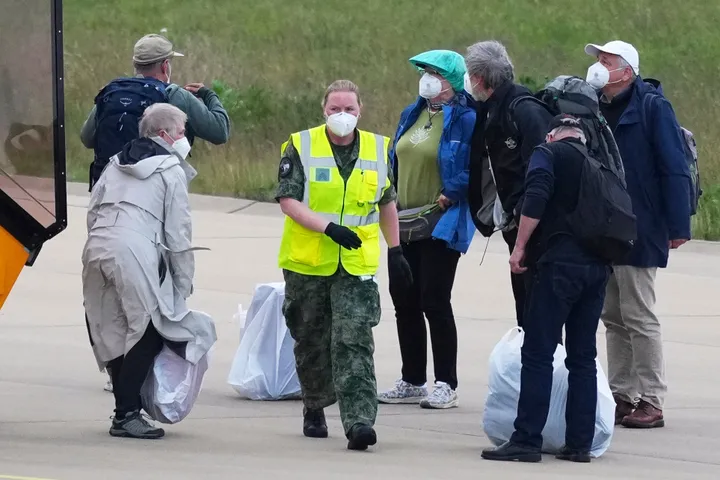
Some patients were evacuated from the ship for medical care. Others were transported under controlled conditions to hospitals in different countries. Health workers used protective equipment, and authorities monitored exposed individuals after repatriation.
Spain, the Netherlands, South Africa, the United Kingdom, the United States, and other countries have been involved in various parts of the response. Argentina has also worked to support testing and detection related to the Andes virus.
The response highlights a reality of modern infectious disease control: outbreaks do not respect borders. A virus linked to one region can quickly become an international concern when travelers move across continents.
Cruise ships add another layer of difficulty because people share spaces for long periods and may continue travelling before symptoms appear.
Why Officials Say The Public Risk Is Low
Although the outbreak is serious, health officials have repeatedly emphasized that the public risk remains low.
This message is important because dramatic headlines about deadly viruses can create panic. Hantavirus is dangerous, but it is not spread like common respiratory viruses in most situations. The primary route of infection remains exposure to contaminated materials from infected rodents.
Even with the Andes strain’s rare person to person spread, transmission generally requires close contact with an infected person, especially during certain stages of illness.
That is why health authorities focus on identifying close contacts rather than warning the general public of widespread danger.
The key public health message is awareness, not fear. Travelers should follow guidance, avoid rodent contaminated environments, and seek medical care if symptoms appear after possible exposure.
What This Outbreak Reveals About Modern Travel
The MV Hondius outbreak shows how modern travel can turn a rare local disease into an international event.
Passengers boarded an expedition cruise in a remote region, travelled across oceans, and later became part of a complex global health investigation. The timeline involved multiple countries, uncertain exposure points, medical evacuations, and quarantine decisions.
This is the new reality of infectious disease response. Tourism, climate change, wildlife contact, and global mobility are increasingly interconnected.
For travelers, the lesson is not to avoid remote destinations entirely. It is to understand that adventure tourism comes with responsibilities. People should pay attention to local health warnings, avoid unsafe wildlife contact, and take unusual exposure risks seriously.
For governments and tourism operators, the lesson is clearer communication. Visitors need practical information about risks in places they may not recognize as hazardous.
A Mystery That Still Needs Answers
The suspected link between the Ushuaia landfill and the MV Hondius hantavirus outbreak remains under investigation. It may prove to be correct, or investigators may find another exposure point. What is clear is that the outbreak has exposed the difficulty of tracing a rare virus across travel routes, tourism activities, and international borders.
The story is powerful because it brings together unexpected elements: a luxury expedition ship, a remote city known as the end of the world, a bird watching rubbish tip, rare wildlife, rodent borne disease, and a global public health response.
It is tragic because three people have died and others have faced serious illness. It is also sobering because it shows how easily humans can encounter hidden biological risks in places that seem fascinating, harmless, or even beautiful.
As investigators continue working, the outbreak may become an important case study in travel medicine, environmental health, and climate linked disease risk.
For now, the landfill at the edge of Ushuaia remains an unlikely symbol of a bigger warning: in a connected world, even the most remote and unexpected places can become the starting point of a global health story.