
Table of Contents
- A Simple Request Turned Into An Unexpected Transformation
- TikTok Turned The Haircut Into A Viral Moment
- Why Frodo Baggins Remains So Instantly Recognizable
- Annie Embraced The Joke Instead Of Fighting It
- The Internet Loves Unexpected Celebrity Lookalikes
- Curly Hair And Bangs Can Be Surprisingly Unpredictable
- Lord Of The Rings Fans Immediately Joined The Conversation
- Annie Hoped Elijah Wood Might See The Video
- Viral Haircut Stories Have Become Internet Entertainment
- Why Self Deprecating Humor Connects So Strongly Online
- The Haircut Became Bigger Than The Hair Itself
A Simple Request Turned Into An Unexpected Transformation
Like many people looking for a fresh change, Annie reportedly decided to get bangs simply because she thought they would be fun.
Bangs have long been one of the most popular hairstyle changes because they can dramatically alter someone’s appearance without requiring a complete haircut overhaul. For many people, adding bangs feels exciting, playful, and trendy.
But curly hair often behaves unpredictably when combined with shorter fringe cuts.
That reality can create unexpected results once the hair dries naturally and settles into its shape.
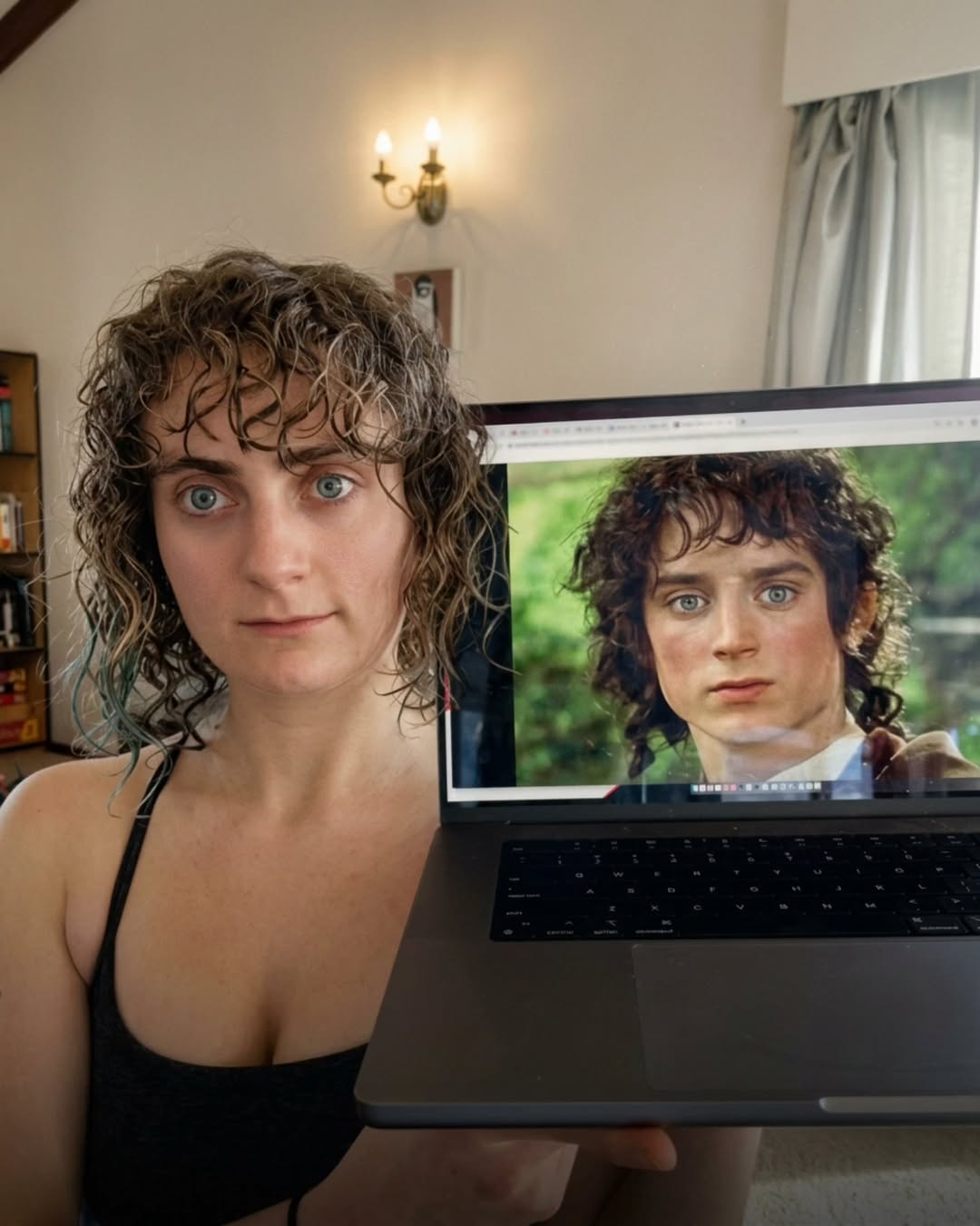
According to Annie, she did not walk into the salon intending to resemble Frodo Baggins. The similarity only became obvious after the haircut was finished.
The combination of curly hair, rounded facial framing, and short bangs instantly triggered comparisons to Elijah Wood’s iconic character from The Lord of the Rings films.
For many people, the resemblance was impossible to ignore.
TikTok Turned The Haircut Into A Viral Moment
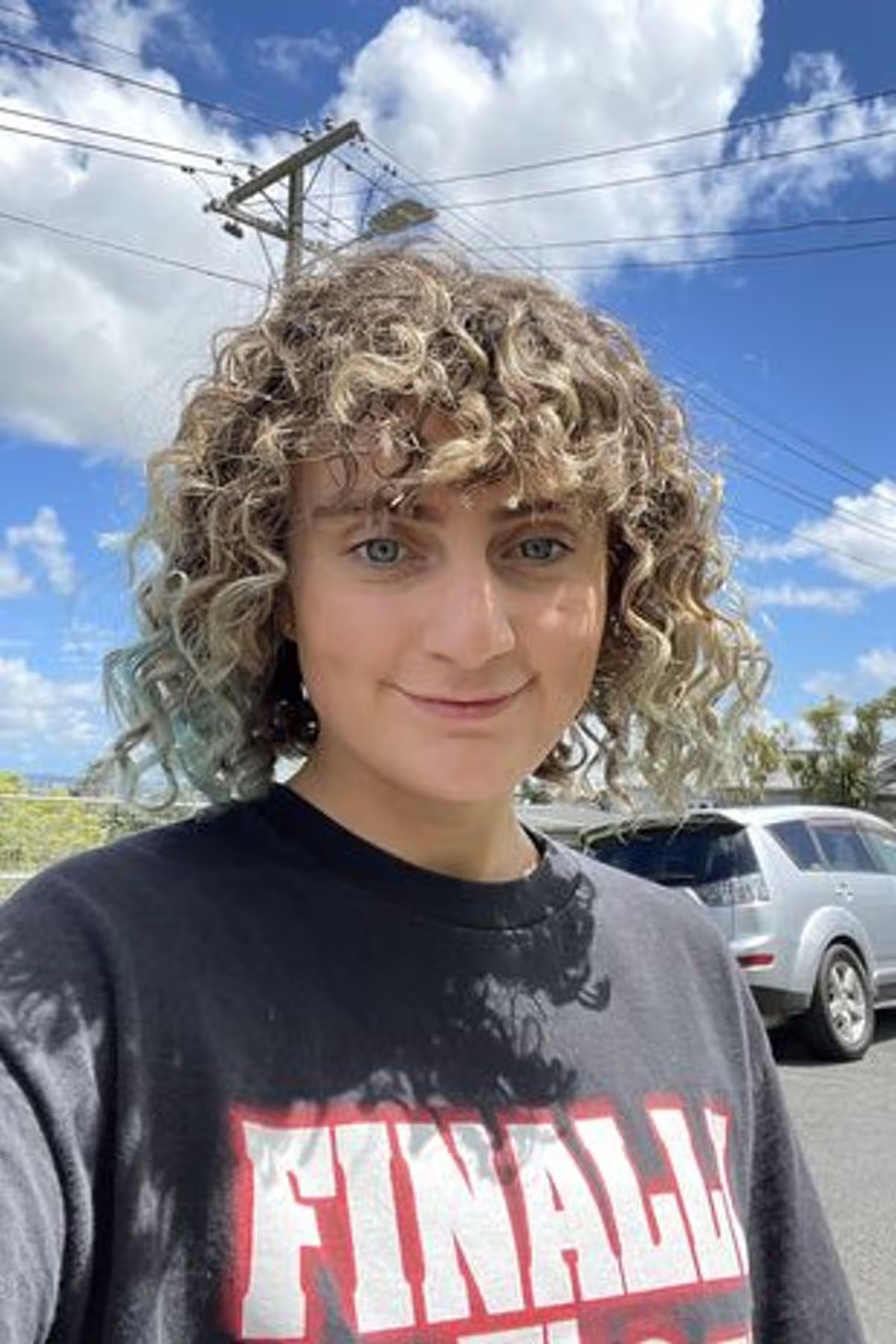
After noticing the similarity herself, Annie decided to post about the haircut on TikTok under the username @aannniee6.
That decision changed everything.
Social media platforms like TikTok are particularly powerful at turning relatable, humorous moments into viral phenomena. Unlike heavily produced content, spontaneous and authentic reactions often resonate far more strongly with audiences.
Annie’s video felt genuine.
She was not pretending to be a celebrity lookalike influencer or intentionally chasing internet fame. Instead, she appeared genuinely amused by the accidental transformation.
That authenticity helped the video spread rapidly.
Viewers flooded the comments section with reactions comparing Annie directly to Frodo, joking that she had accidentally become Elijah Wood’s twin, or suggesting she now belonged in Middle Earth.
The internet’s love for The Lord of the Rings culture amplified the situation even further.
Why Frodo Baggins Remains So Instantly Recognizable
Part of the reason Annie’s haircut exploded online is because Frodo Baggins remains one of the most iconic fantasy characters in modern pop culture.
Played by Elijah Wood in The Lord of the Rings, Frodo became globally recognizable thanks to the enormous cultural impact of the films released in the early 2000s.
The character’s appearance is especially memorable.
Frodo’s hairstyle, soft facial features, expressive eyes, and curly bangs became deeply associated with the character throughout the trilogy. Even decades later, audiences can identify the look almost instantly.
That familiarity made Annie’s transformation particularly funny to viewers.
The resemblance did not require explanation. People recognized it immediately.
In viral internet culture, instantly recognizable visual comparisons often spread fastest because viewers understand the joke within seconds.
Annie Embraced The Joke Instead Of Fighting It
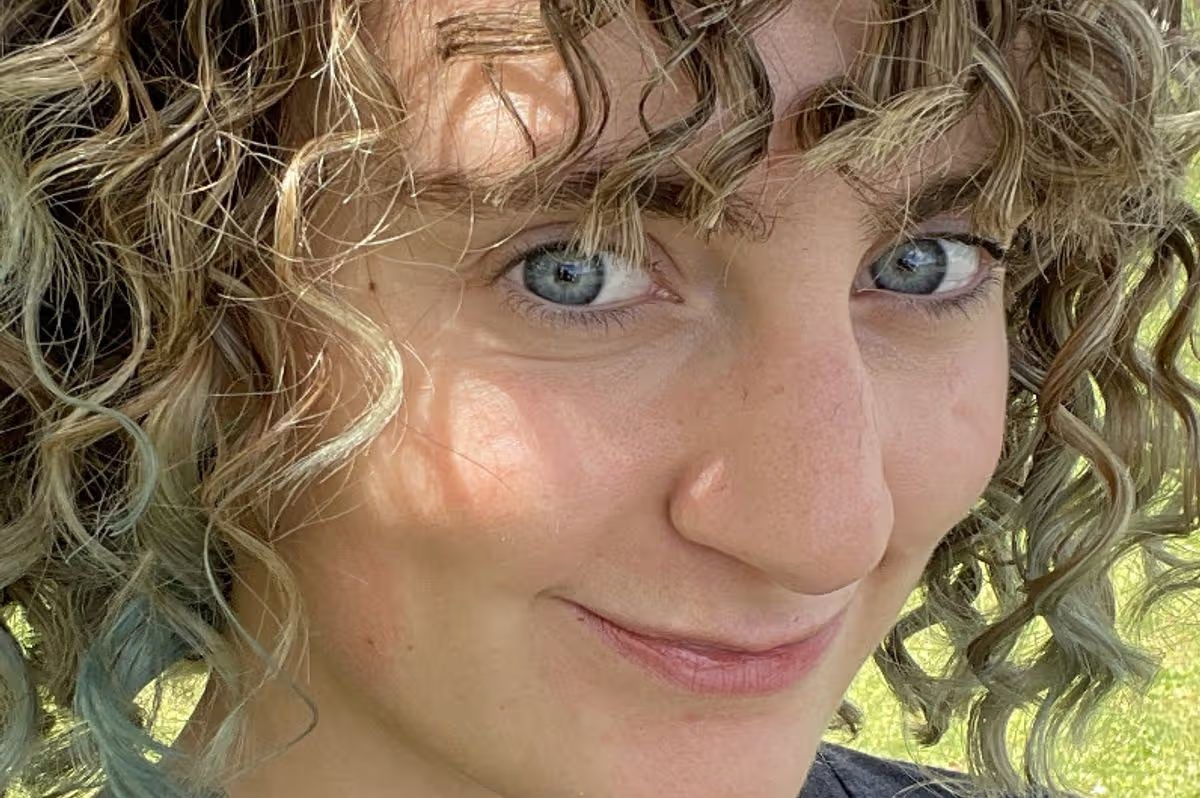
One of the biggest reasons the story resonated so positively online was Annie’s attitude.
Many people experiencing an unexpected haircut result might feel embarrassed, frustrated, or upset. Annie reacted differently.
She openly admitted she loved The Lord of the Rings and found the resemblance hilarious rather than humiliating.
“I’m a huge Lord Of The Rings fan,” she reportedly said after the video went viral. “When I noticed it, I was like, ‘hell yeah!’”
That self awareness transformed the narrative entirely.
Instead of becoming another “haircut fail” story, the situation became a celebration of humor, fandom, and confidence.
People online responded warmly because Annie appeared comfortable laughing at herself while also genuinely enjoying the accidental resemblance.
In many ways, her reaction mattered more than the haircut itself.
The Internet Loves Unexpected Celebrity Lookalikes
The viral success of Annie’s video also reflects a broader internet obsession with accidental celebrity resemblance stories.
Social media users love discovering ordinary people who unexpectedly resemble famous actors, fictional characters, musicians, or athletes.
Sometimes the similarities are subtle. Other times, as many viewers argued with Annie and Frodo, the resemblance feels almost bizarrely accurate.
Part of the fascination comes from surprise.
People do not expect someone walking down the street or posting casually online to suddenly resemble a major movie character. When it happens naturally rather than intentionally, audiences often find it even funnier and more engaging.
Haircuts especially contribute to these moments because hairstyles can dramatically reshape facial framing and instantly trigger associations with famous characters.
Curly Hair And Bangs Can Be Surprisingly Unpredictable
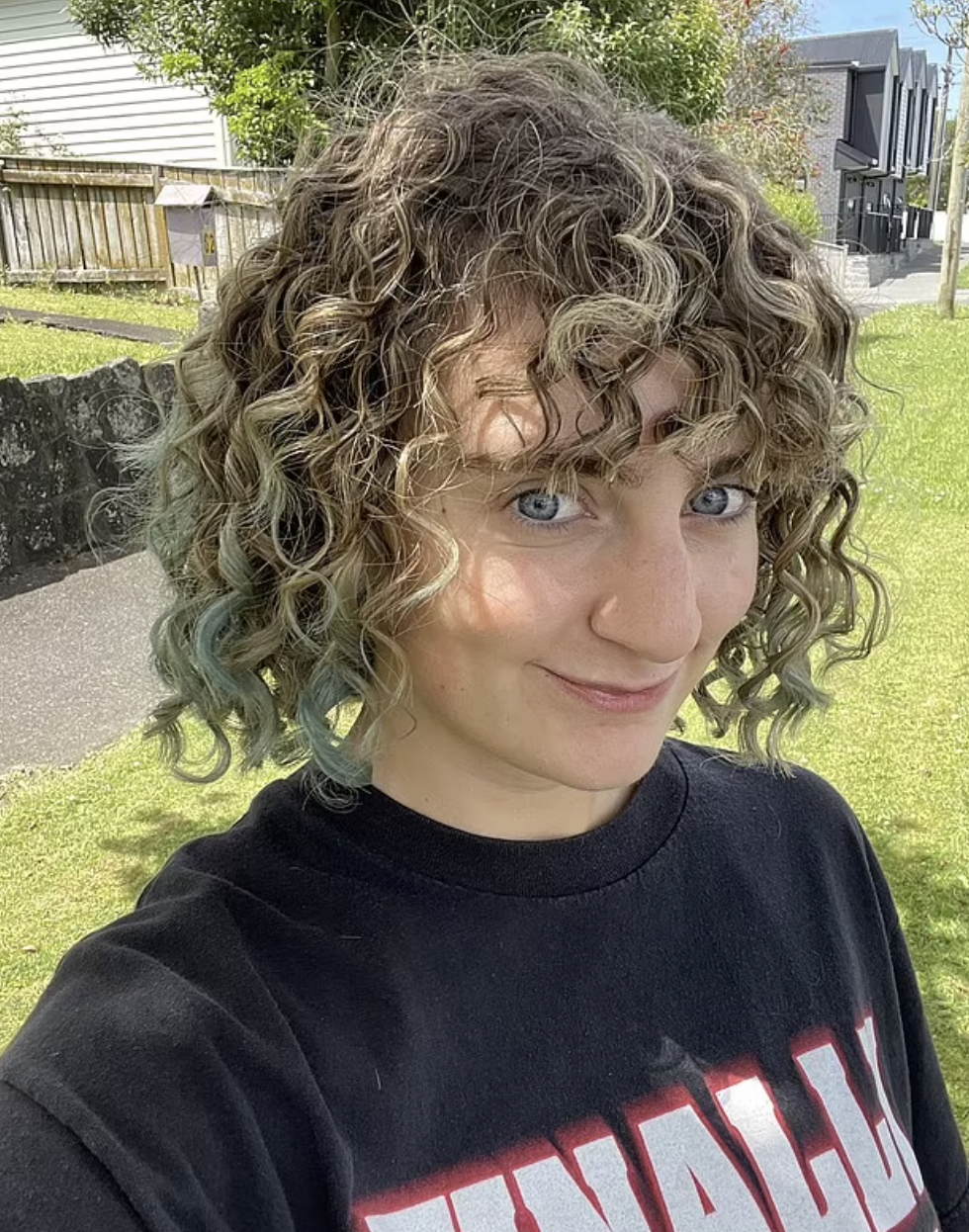
Beyond the viral humor, Annie’s story also highlights something many people with curly hair already know very well: bangs can behave unpredictably.
Curly hair often shrinks significantly as it dries, meaning bangs can end up much shorter, rounder, or fuller than expected after styling.
What looks subtle in the salon chair can transform dramatically once natural curls take over.
Hair professionals frequently warn clients about this phenomenon because curly bangs require careful shaping, maintenance, and expectation management.
However, unpredictability is also part of why many people love curly hairstyles.
The texture creates personality, volume, and individuality that straight cuts sometimes lack.
In Annie’s case, the curls combined with shorter bangs in a way that accidentally mirrored Frodo’s famous hairstyle almost perfectly.
Lord Of The Rings Fans Immediately Joined The Conversation
As the video spread, fans of The Lord of the Rings quickly embraced Annie online.
Many commenters joked that she looked ready to carry the One Ring to Mordor. Others quoted famous movie lines or posted humorous references involving hobbits, Middle Earth, and Elijah Wood.
The internet’s long lasting affection for The Lord of the Rings played a major role in sustaining the viral momentum.
Even years after the films first premiered, the franchise maintains an intensely loyal fan community worldwide. Characters like Frodo remain emotionally significant to millions of viewers who grew up watching the films.
That nostalgia added warmth to the reaction.
Rather than mocking Annie cruelly, many viewers responded affectionately because the comparison itself involved a beloved character.
Annie Hoped Elijah Wood Might See The Video
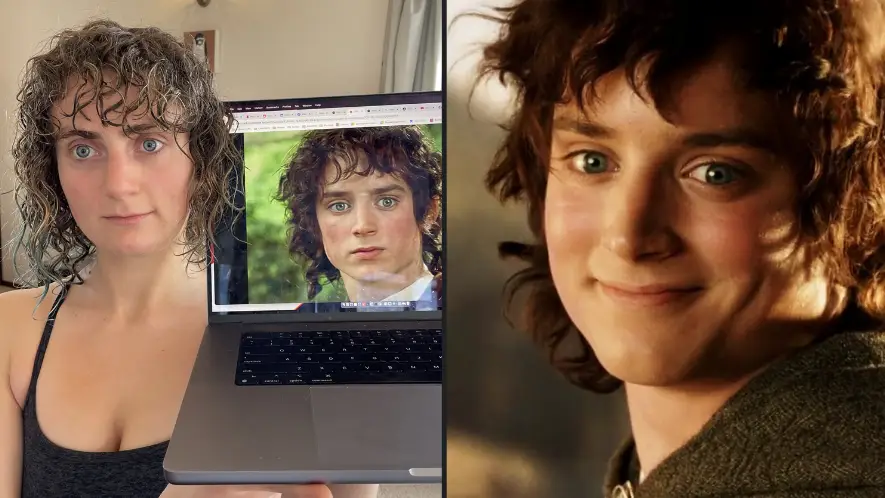
As the viral attention grew, Annie jokingly expressed hope that Elijah Wood himself might eventually notice the resemblance.
According to reports, she described herself as an enormous Lord of the Rings fan who regularly watches videos related to the franchise and talks about it constantly.
That fandom made the accidental transformation feel even more surreal to her.
The idea that a casual haircut could suddenly connect her to one of her favorite fictional worlds fascinated both Annie and viewers online.
Many commenters encouraged her to tag Elijah Wood or continue embracing the Frodo identity fully.
Some even suggested cosplay opportunities or jokingly referred to her as Frodo’s long lost twin.
Viral Haircut Stories Have Become Internet Entertainment
Annie’s story joins a long tradition of viral haircut transformations online.
The internet has become filled with unexpected hairstyle disasters, accidental celebrity comparisons, and dramatic makeovers that spread rapidly across social media platforms.
Part of the appeal comes from relatability.
Almost everyone has experienced a haircut they did not expect at some point in life. Hair feels deeply personal, which makes transformations emotionally powerful even when they are humorous.
Unlike expensive luxury stories or celebrity scandals, haircut mishaps feel universally understandable.
People watch because they can easily imagine themselves in the same situation.
In Annie’s case, however, the story avoided becoming cruel or embarrassing because she controlled the narrative through humor and confidence.
Why Self Deprecating Humor Connects So Strongly Online
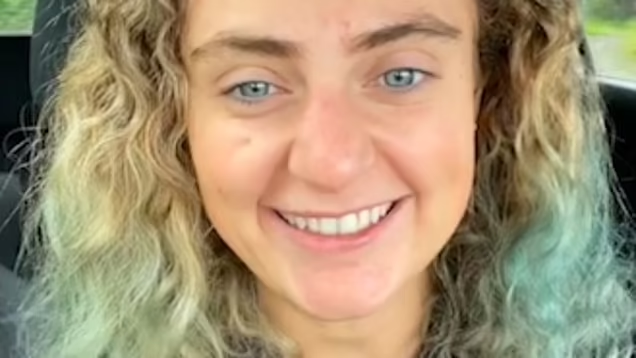
One reason audiences responded so positively to Annie is because self deprecating humor often creates immediate emotional connection online.
People tend to trust and enjoy individuals who can laugh at themselves naturally.
In a digital environment where social media frequently promotes perfection, filtered appearances, and carefully curated lifestyles, moments of authentic imperfection feel refreshing.
Annie did not attempt to hide the haircut or pretend it looked exactly as planned. Instead, she openly acknowledged the Frodo resemblance and transformed the situation into entertainment.
That vulnerability made her instantly likable to many viewers.
The Haircut Became Bigger Than The Hair Itself
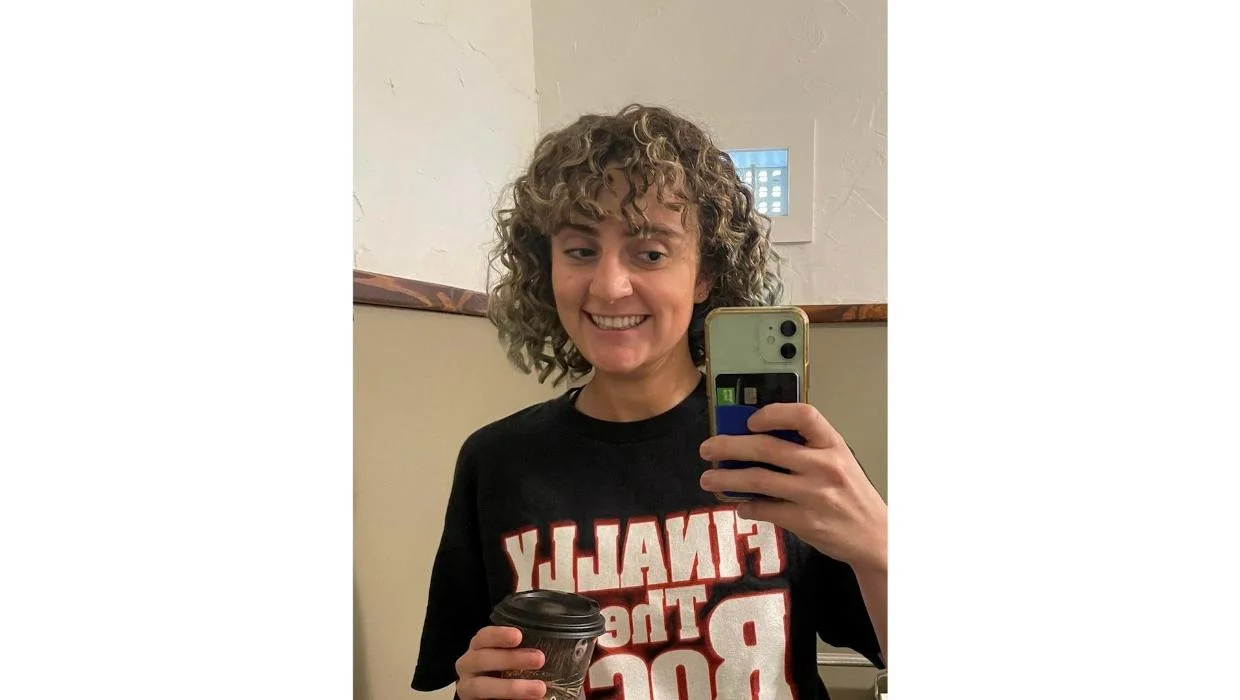
Ultimately, Annie’s viral moment was never really just about bangs.
It became a story about fandom, humor, confidence, and internet culture itself.
The haircut served as the catalyst, but what people truly connected with was the joy surrounding the situation.
Rather than reacting with embarrassment or insecurity, Annie embraced the absurdity fully. That attitude transformed what could have been a temporary salon regret into a viral moment shared by millions around the world.
In many ways, the story reflects how modern internet culture works at its best.
A simple, harmless, funny moment suddenly creates laughter and connection between strangers globally.
And somewhere in New Zealand, one Lord of the Rings fan discovered that all it takes to become internet famous is a haircut, curly bangs, and an accidental resemblance to one of cinema’s most beloved hobbits.