
Table of Contents
- The Trump Administration Says California Failed to Stop Fraud
- California Leaders Warn of Serious Healthcare Consequences
- Medicaid Has Become a Major Political Battleground
- Why Medicaid Fraud Is So Difficult to Eliminate
- The Financial Stakes Are Enormous
- The White House Says Taxpayers Deserve Accountability
- Critics Fear Political Motivations Behind the Decision
- Millions Depend on California’s Medicaid Program
- The Dispute Could Expand Beyond California
- What Happens Next Could Shape Healthcare Politics Nationwide
The Trump Administration Says California Failed to Stop Fraud
According to federal officials, the decision to withhold the payments stems from concerns that California failed to adequately address fraud and abuse within its Medicaid program.
Medicaid is one of the largest public health insurance systems in the United States, jointly funded by federal and state governments. In California, the program operates under the name Medi Cal and serves millions of low income residents, seniors, children, and people with disabilities.
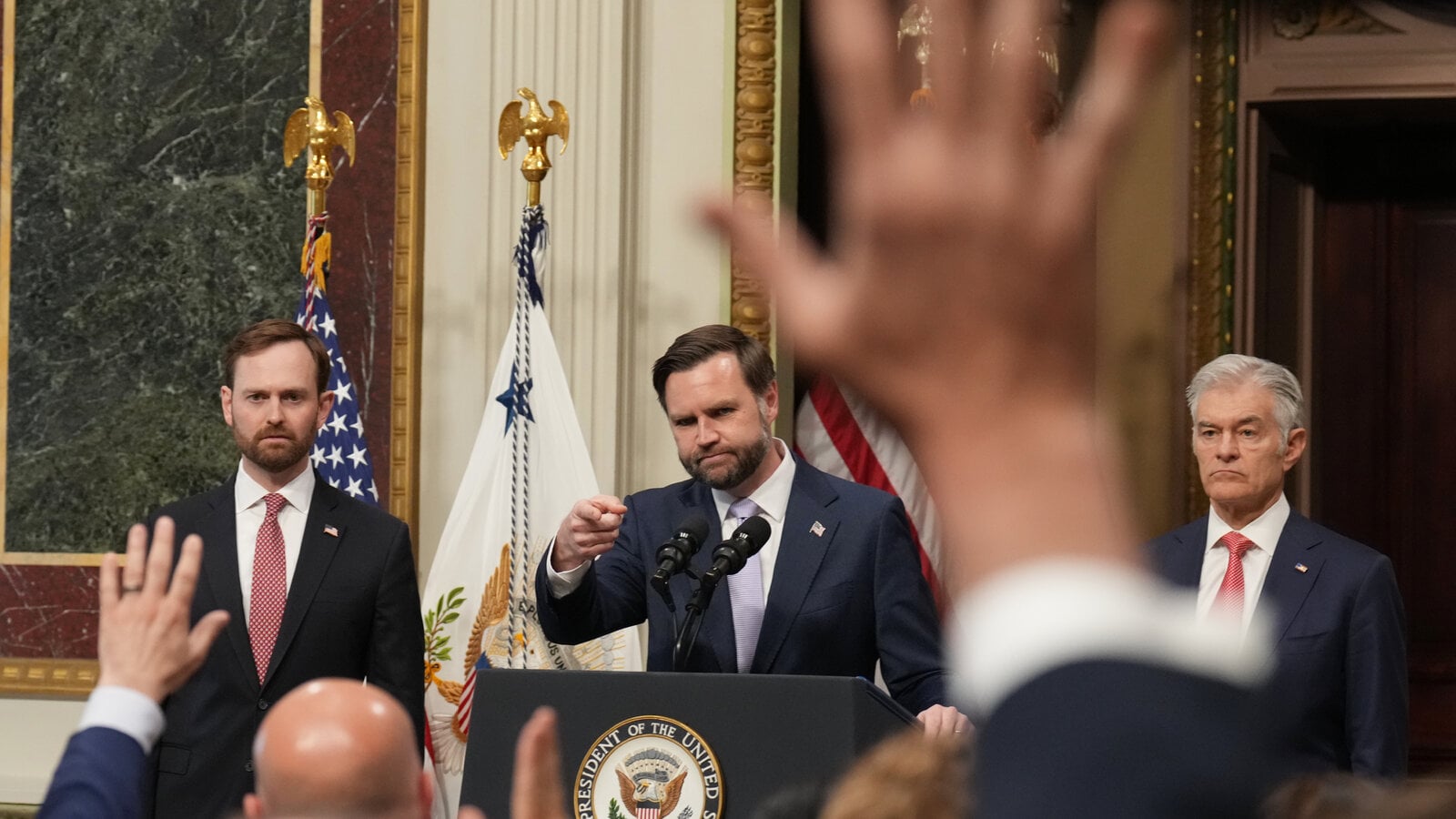
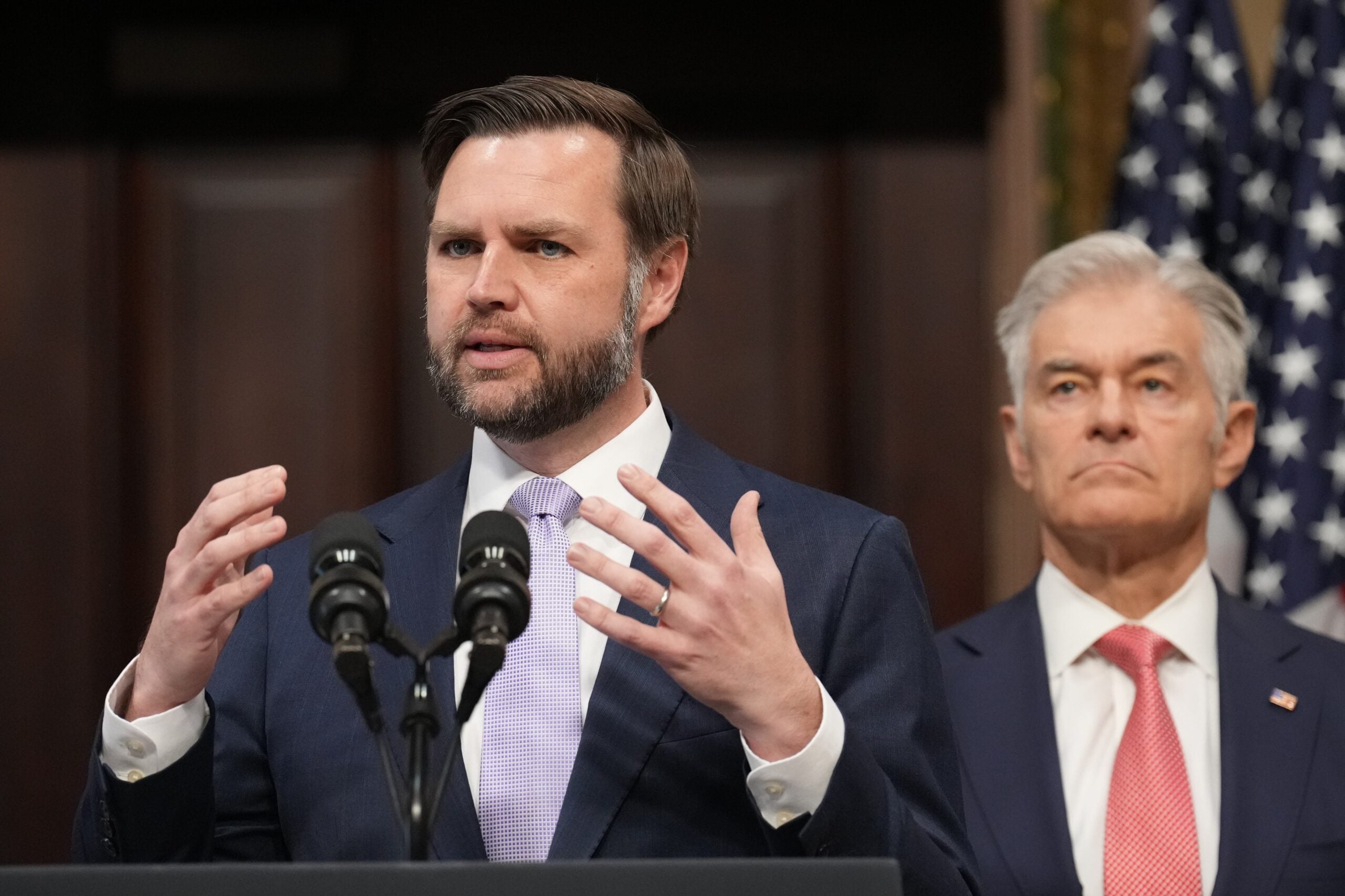
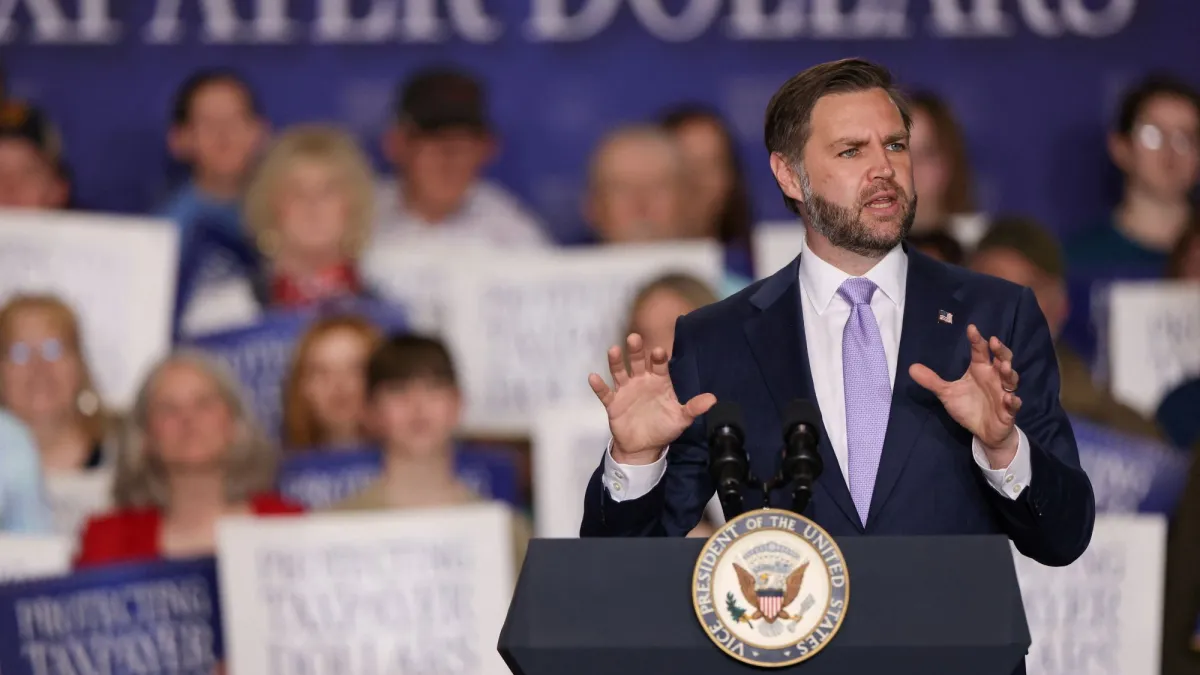
Vice President JD Vance argued that taxpayer money could not continue flowing into systems where oversight was allegedly insufficient. During public remarks in Washington, administration officials claimed California had repeatedly failed to implement stronger anti fraud protections despite federal concerns.
The administration framed the freeze as an accountability measure rather than a permanent funding cut. Officials argued they were attempting to protect taxpayer dollars while pushing states to tighten oversight of healthcare spending.
Still, the announcement immediately escalated tensions between the White House and California leaders.
California Leaders Warn of Serious Healthcare Consequences
California officials strongly criticized the federal government’s move, warning that withholding such a large amount of money could destabilize parts of the state’s healthcare infrastructure.
Healthcare providers across the state rely heavily on Medicaid reimbursements to fund daily operations. Many hospitals serving lower income communities operate on extremely narrow financial margins, meaning even temporary funding disruptions can create major stress.
State leaders argued that patients could ultimately suffer if clinics are forced to delay services, reduce staffing, or postpone healthcare programs because of uncertainty surrounding federal payments.
Critics also questioned the timing of the decision, noting that healthcare systems across the country are already struggling with staffing shortages, rising medical costs, and growing demand for care.
Some California officials accused the administration of using healthcare funding as a political weapon in a broader ideological fight between the federal government and Democratic led states.
Medicaid Has Become a Major Political Battleground
The conflict reflects a larger national debate over Medicaid and public healthcare spending.
For years, conservatives have argued that Medicaid programs require stricter oversight to prevent fraud, abuse, and wasteful spending. Republicans have frequently pointed to billions of dollars in improper payments reported nationally each year across government healthcare programs.
Democrats, however, argue that fraud concerns are sometimes exaggerated to justify cuts or restrictions that ultimately hurt vulnerable populations who depend on public insurance coverage.
California has often been at the center of these debates because it operates one of the nation’s largest Medicaid systems. The state also expanded healthcare access aggressively in recent years, including extending certain healthcare benefits to undocumented immigrants.
Supporters say those expansions improved healthcare access for millions of residents. Critics argue they placed enormous strain on taxpayer resources and created opportunities for misuse.
The current standoff appears to combine both financial and political tensions into one explosive dispute.
Why Medicaid Fraud Is So Difficult to Eliminate
Fraud within Medicaid is a longstanding issue that affects states across the country, not just California.
Healthcare fraud can take many forms, including false billing, duplicate claims, identity theft, unnecessary procedures, and organized criminal schemes targeting government insurance programs.
The sheer size of Medicaid makes oversight incredibly difficult. Millions of transactions flow through the system every day involving hospitals, doctors, pharmacies, clinics, transportation providers, and managed care organizations.
Federal watchdog agencies have repeatedly identified improper payments across multiple states and healthcare programs. However, experts note that improper payments do not always mean intentional fraud. Some are caused by paperwork errors, eligibility mistakes, or billing confusion.
This distinction matters because political rhetoric often treats all questionable payments as deliberate corruption when reality is usually more complicated.
Healthcare policy experts warn that aggressive anti fraud crackdowns can sometimes create unintended consequences if providers become afraid of accepting Medicaid patients due to regulatory pressure.
The Financial Stakes Are Enormous
The withheld $1.3 billion represents a massive amount of money even within California’s enormous healthcare budget.
Federal Medicaid funding helps support everything from emergency room care to nursing homes, mental health programs, maternity care, and pediatric services. Losing access to those funds, even temporarily, can ripple throughout the healthcare system.
Smaller hospitals are particularly vulnerable because many already struggle financially. Rural hospitals and clinics serving lower income populations often depend heavily on Medicaid reimbursements for survival.
If providers fear reimbursement instability, some healthcare systems could reduce services or limit the number of Medicaid patients they accept.
Healthcare advocates warn this could eventually lead to longer wait times, overcrowded emergency rooms, and reduced access to preventative care.
For millions of Californians enrolled in Medi Cal, the political dispute feels deeply personal because healthcare coverage affects everyday life, not just government budgets.
The White House Says Taxpayers Deserve Accountability
Administration officials insist the funding freeze is necessary to restore accountability to public healthcare spending.
During remarks defending the decision, federal leaders argued that Americans deserve assurance that taxpayer money is being used properly. Officials also suggested the administration may pursue similar oversight actions in other states if concerns about fraud remain unresolved.
Supporters of the move say government programs must be held to strict standards because improper spending ultimately increases national debt and wastes public resources.
Conservative commentators praised the administration for taking a tougher stance on oversight. Some argued previous administrations failed to aggressively address fraud concerns because of political sensitivity surrounding healthcare programs.
Others framed the move as part of a broader effort by the Trump administration to reduce government inefficiency across multiple agencies and spending programs.
Still, critics counter that healthcare systems are uniquely sensitive and should not become battlegrounds for political messaging.
Critics Fear Political Motivations Behind the Decision
Opponents of the administration quickly accused the White House of selectively targeting California for political reasons.
California has long served as one of Donald Trump’s strongest political adversaries. The state frequently clashes with Republican administrations on issues ranging from immigration policy to climate regulations and healthcare expansion.
Some Democratic lawmakers argued the Medicaid freeze reflects ongoing political hostility toward California rather than purely administrative concerns about fraud prevention.
Critics also questioned why other states facing Medicaid oversight issues have not faced similarly dramatic funding freezes.
Healthcare advocates warned that turning Medicaid into a political weapon could create instability nationwide. If federal funding decisions begin fluctuating based on political conflicts between states and Washington, healthcare providers may struggle to plan long term services and investments.
The debate has intensified concerns about how much power federal administrations should have over state healthcare systems.
Millions Depend on California’s Medicaid Program
One reason the dispute attracted so much national attention is because California’s Medicaid system is enormous.
Medi Cal covers tens of millions of residents, making it one of the largest healthcare programs in America. The program supports children, low income adults, seniors, disabled residents, and families who otherwise could not afford medical coverage.
Many hospitals in California serve large Medicaid populations. Some communities rely almost entirely on publicly funded healthcare systems for essential services.
Healthcare experts warn that even temporary disruptions to federal funding can create uncertainty among providers, insurers, and patients.
The situation also arrives during a period when healthcare affordability remains a major concern nationwide. Rising insurance premiums, hospital costs, and prescription drug prices have already placed significant pressure on American households.
That broader healthcare anxiety helps explain why the funding freeze immediately became a national political story.
The Dispute Could Expand Beyond California
Policy analysts believe the conflict may signal a broader strategy by the Trump administration regarding federal healthcare oversight.
If the administration successfully pressures California into making policy changes, other states could eventually face similar scrutiny over Medicaid operations.
Republican leaders in several states have already pushed for stricter Medicaid eligibility checks, work requirements, and anti fraud systems. The California standoff may strengthen efforts to tighten oversight nationally.
At the same time, Democratic governors may respond by fighting harder to protect state control over healthcare policy.
The result could be a growing national confrontation over how Medicaid should function in the coming years.
Some healthcare experts worry the battle may eventually reshape the balance of power between federal and state governments in public healthcare administration.
What Happens Next Could Shape Healthcare Politics Nationwide
For now, the future of the withheld funding remains uncertain.
California officials are expected to continue negotiating with federal agencies while potentially preparing legal challenges if the payments remain frozen. Healthcare organizations across the state are also monitoring the situation closely because the outcome could affect future reimbursement stability.
The Trump administration appears determined to frame the issue as a fight for accountability and fiscal responsibility. California leaders, meanwhile, continue portraying the move as politically motivated and dangerous for patient care.
What makes this dispute especially significant is that it touches several of America’s most divisive political issues at once: healthcare spending, federal authority, immigration policy, state rights, and government oversight.
For millions of Americans watching from across the country, the standoff represents more than a budget disagreement. It reflects a deeper national debate about what kind of healthcare system the United States wants to build in the future, who controls it, and how far political leaders are willing to go to defend their vision of it.