
Table of Contents
- The Viral Map That Shocked Social Media
- Venezuela Reacted With Immediate Defiance
- The Controversy Arrived After Major Military Escalation
- Trump Has Repeatedly Mentioned Expanding America
- Could Venezuela Legally Become a State?
- Social Media Has Changed Political Communication
- Latin America Is Watching Closely
- Trump Supporters and Critics Saw Completely Different Meanings
- The White House Continues Embracing Viral Politics
- The Incident Reflects a Larger Shift in Global Politics
The Viral Map That Shocked Social Media
The controversy centered around a simple but explosive image.
The map reportedly showed Venezuela filled with the American flag and labeled “51st State.” It was shared across Truth Social and the White House social media account while Trump was reportedly traveling toward Beijing.
The timing immediately drew attention because it followed media discussions claiming the administration had explored the possibility of closer American control over Venezuela following escalating military and political developments in the region.
Unlike traditional policy announcements filled with detailed statements and diplomatic language, the image contained almost no explanation. That lack of context became part of the controversy itself.
Critics accused the administration of irresponsibly escalating tensions with a foreign nation. Supporters, meanwhile, argued the post reflected strength, confidence, and America’s growing influence abroad.
Within hours, the image became one of the most discussed political posts online.
Venezuela Reacted With Immediate Defiance
Venezuelan officials quickly rejected the idea of becoming part of the United States.
Acting President Delcy Rodríguez reportedly declared that Venezuela would continue defending its sovereignty, independence, and national identity.
Her response reflected deep political sensitivities in Latin America surrounding foreign intervention and American influence in the region. For decades, many countries in South America have viewed United States involvement with suspicion due to a long history of political interference, economic pressure, and military involvement.
Rodríguez reportedly emphasized that Venezuela was “not a colony” and remained a free nation capable of determining its own future.
The strong rejection signaled that even symbolic suggestions of American annexation would trigger fierce resistance from Venezuelan leadership.
The situation also highlighted how quickly diplomatic tensions can escalate in the social media era, where viral images often spread faster than official explanations.
The Controversy Arrived After Major Military Escalation
Part of the reason the story gained so much attention is because it followed significant conflict involving Venezuela earlier in the year.
According to reports surrounding the controversy, the United States launched military strikes targeting Venezuela in January, leading to the capture of President Nicolás Maduro.
Following those events, Trump reportedly claimed the United States would oversee the country until a safe transition could occur. He framed the intervention as an effort to restore liberty, stability, and justice for the Venezuelan people.
Those earlier comments already generated major international concern. Critics warned that the administration appeared dangerously close to discussing long term control over another sovereign nation.
The viral map post intensified those fears by appearing to visually reinforce the idea that Venezuela could eventually become integrated into the United States itself.
Whether intended seriously or symbolically, the message dramatically raised the stakes of the political conversation.
Trump Has Repeatedly Mentioned Expanding America
The Venezuela controversy also gained traction because it fits into a broader pattern of comments Trump has made about territorial expansion.
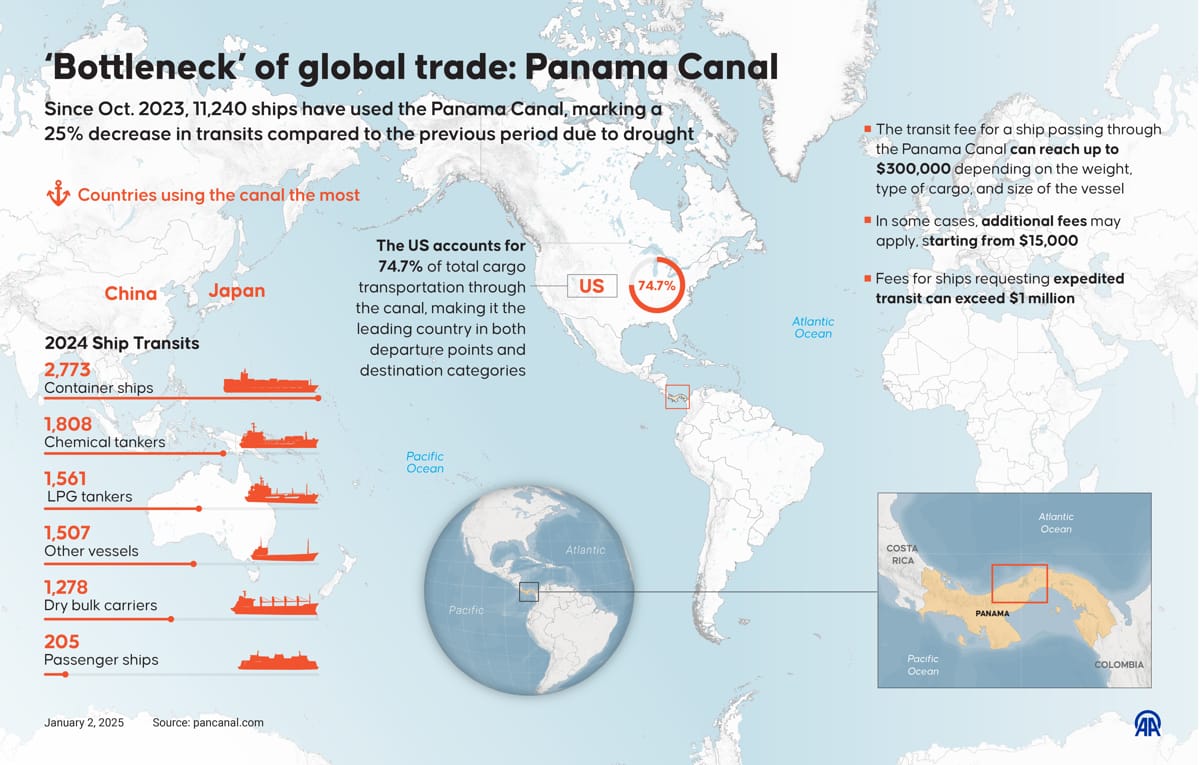
Over the past year, Trump reportedly raised the idea of Canada becoming America’s 51st state during discussions involving Canadian Prime Minister Mark Carney.
According to public statements, Carney firmly rejected the idea and insisted Canada would never become part of the United States.
Trump has also repeatedly discussed acquiring Greenland, an autonomous territory connected to Denmark. That proposal first emerged years ago but resurfaced again during his second presidency.
Although many political analysts dismissed those statements as negotiating tactics or attention grabbing rhetoric, critics argue the repeated references reveal a fascination with territorial expansion and geopolitical dominance.
Supporters, however, often interpret the comments differently. Some see them as examples of Trump’s unconventional negotiating style, while others view them as symbolic demonstrations of American power.
Regardless of intent, the repeated statehood and acquisition comments have increasingly blurred the line between political spectacle and serious diplomacy.
Could Venezuela Legally Become a State?
One of the biggest questions raised by the controversy was whether a foreign country could realistically become an American state.
Legally, the process would be extraordinarily difficult.
The United States Constitution requires congressional approval for the admission of new states. In practical terms, both the House of Representatives and the Senate would almost certainly need to approve such a move.
In addition, Venezuela itself would need to consent to any arrangement involving statehood or annexation. Given the immediate rejection from Venezuelan leadership, that possibility currently appears virtually impossible.
International law would also create major complications. Any attempt to absorb another country without legitimate consent would trigger enormous diplomatic backlash and likely violate multiple international agreements.
Political experts quickly noted that the viral map had no actual legal authority behind it.
Still, the fact that millions of people debated the possibility at all demonstrated the extraordinary influence of modern political messaging.
Social Media Has Changed Political Communication
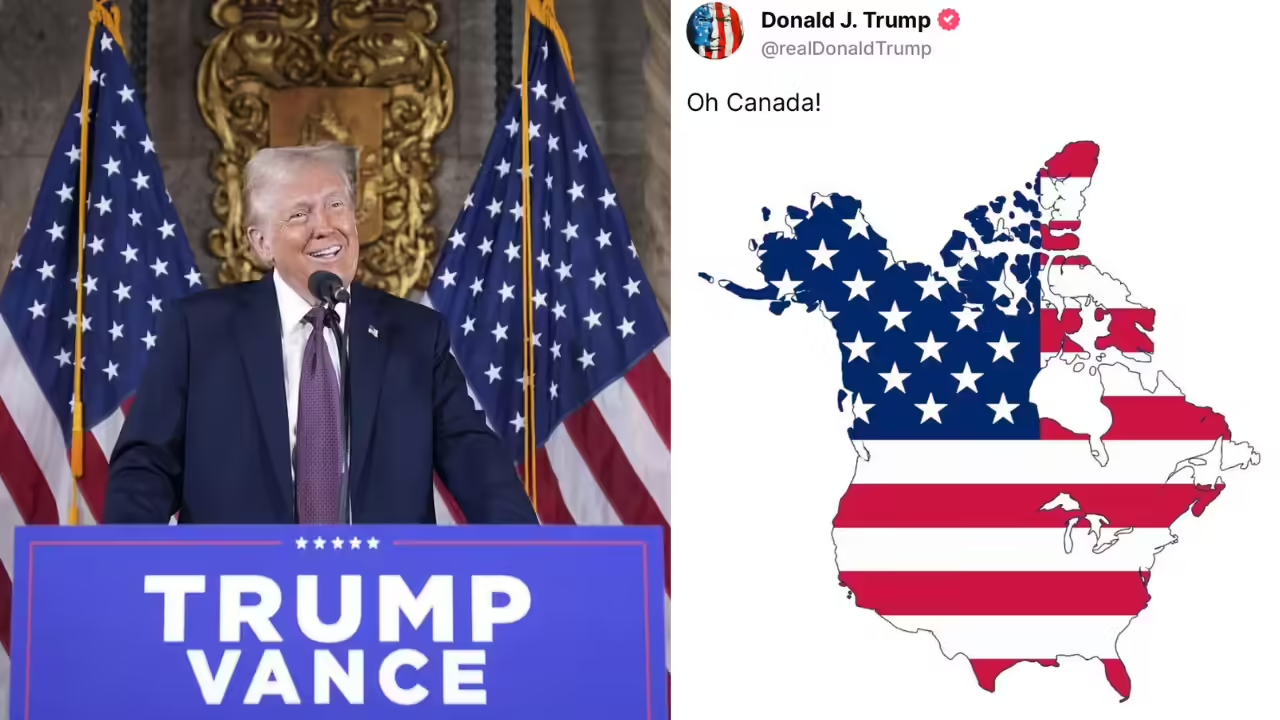
The incident also revealed how dramatically political communication has changed in recent years.
In previous decades, international disputes typically unfolded through formal speeches, diplomatic cables, press conferences, and carefully negotiated public statements.
Today, a single image posted online can instantly dominate global headlines.
The Venezuela map controversy showed how social media allows political leaders to bypass traditional communication channels entirely. Rather than relying on official policy papers or diplomatic briefings, leaders can shape global narratives through short posts designed to provoke reactions and dominate attention cycles.
Trump has long excelled at this style of communication. His political brand often relies on unpredictability, emotionally charged messaging, and dramatic visual symbolism.
Supporters view this approach as authentic and disruptive. Critics argue it creates instability and confusion, particularly in sensitive international situations.
Either way, the strategy consistently succeeds at capturing global attention.
Latin America Is Watching Closely
The reaction to the map controversy extended far beyond Venezuela itself.
Across Latin America, the incident revived longstanding anxieties about American interventionism in the region. Many countries in South America maintain complicated historical memories involving coups, military involvement, economic pressure campaigns, and political interference connected to the United States.
As a result, even symbolic gestures suggesting annexation or territorial control can trigger intense political reactions.
Some analysts warned the map post could damage diplomatic relationships with neighboring countries already skeptical of American foreign policy intentions.
Others argued the controversy could strengthen anti American rhetoric among left wing governments throughout Latin America.
The situation highlighted how political messaging aimed at domestic audiences can still carry major international consequences.
Trump Supporters and Critics Saw Completely Different Meanings
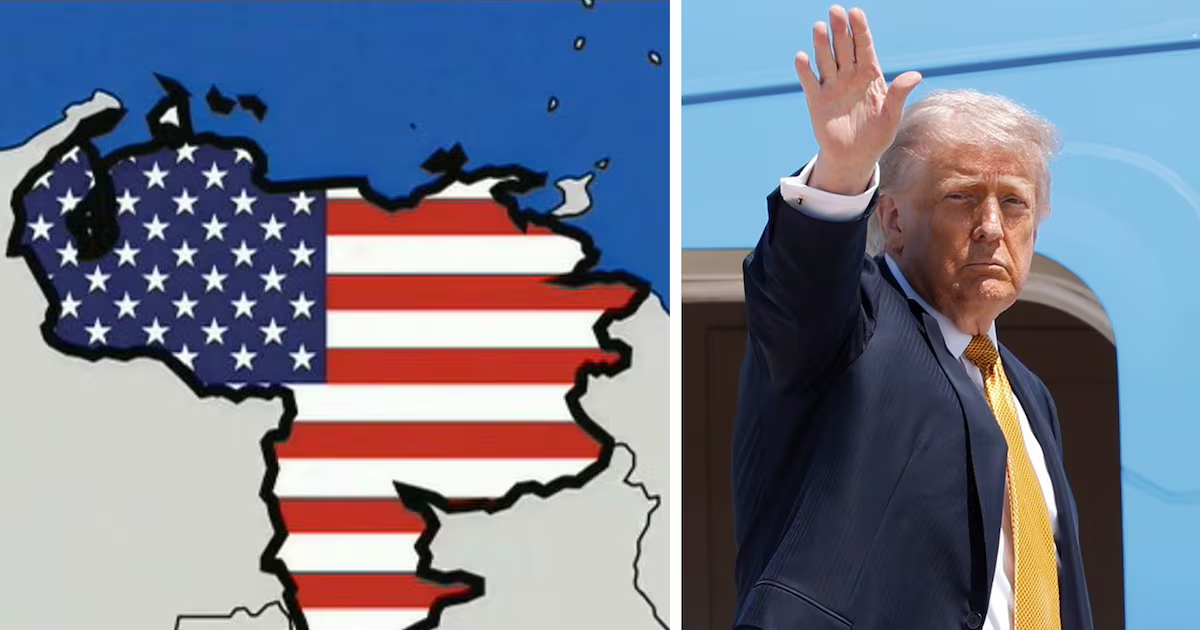
One reason the controversy spread so rapidly is because different audiences interpreted the map in dramatically different ways.
Critics saw the post as reckless, authoritarian, and deeply alarming. Some argued it normalized dangerous ideas about territorial conquest and national sovereignty.
Supporters, however, often viewed the image as humorous, symbolic, or intentionally provocative political trolling designed to irritate opponents and dominate headlines.
This divide reflects a broader feature of Trump era politics where identical events are often interpreted through entirely different realities depending on political perspective.
For critics, the map represented a disturbing escalation in nationalist rhetoric.
For supporters, it reflected confidence, dominance, and political entertainment blended together into one viral moment.
The emotional intensity surrounding the incident showed how deeply polarized modern political culture has become.
The White House Continues Embracing Viral Politics
The Venezuela map incident also reinforced a broader strategy increasingly visible during Trump’s second presidency: governing through viral attention.
Rather than avoiding controversy, the administration often appears willing to amplify provocative moments that dominate media cycles.
This strategy carries both advantages and risks.
On one hand, viral politics allows political leaders to shape public conversation instantly without relying on traditional media gatekeepers. It energizes supporters, controls attention, and keeps political opponents reacting defensively.
On the other hand, constant controversy can create diplomatic uncertainty and increase international instability if foreign governments interpret symbolic messaging as genuine threats or policy signals.
The Venezuela post became a perfect example of this tension.
Even if intended primarily as political theater, the image still triggered international backlash, legal debate, and widespread confusion about America’s intentions.
The Incident Reflects a Larger Shift in Global Politics
Ultimately, the controversy surrounding the Venezuela map says something larger about modern geopolitics itself.
Politics today operates in an environment where memes, viral posts, and symbolic imagery can influence public perception almost as powerfully as official policy decisions. Leaders increasingly compete not just for military or economic influence, but also for online attention and narrative dominance.
Trump’s political style fits naturally within this new environment. His ability to generate global reactions with short messages and provocative visuals remains one of the defining features of his leadership.
But the Venezuela incident also demonstrates the risks of blending entertainment, nationalism, and international diplomacy together.
For some Americans, the map looked like political humor. For many Venezuelans, however, it touched sensitive questions involving sovereignty, history, and national survival.
That disconnect may ultimately define much of modern politics moving forward. In an era dominated by social media spectacle, even a single image can reshape diplomatic conversations around the world within hours.
Whether the post was symbolic, strategic, or simply provocative, one thing became clear almost immediately: the idea of a “51st state” was never just about geography. It became a global argument about power, nationalism, and how political messaging now spreads faster than diplomacy itself.