

Table of Contents
- Russia’s Supreme Court Declared the LGBTQ Movement “Extremist”
- The Decision Deepened Fears Inside Russia’s LGBTQ Community
- The United Nations Strongly Condemned the Ruling
- Russia Has Expanded Anti LGBTQ Laws for Years
- Putin Has Positioned Himself as Defender of “Traditional Values”
- Closed Door Proceedings Raised Serious Questions
- Human Rights Groups Fear Wider Crackdowns Ahead
- Public Opinion in Russia Remains Deeply Divided
- International Tensions Continue to Shape Domestic Politics
- The Long Term Impact May Reach Far Beyond Russia
Russia’s Supreme Court Declared the LGBTQ Movement “Extremist”
The ruling came after Russia’s Ministry of Justice filed a legal motion seeking to classify the “international LGBTQ social movement” as extremist.
One of the most controversial aspects of the case was that officials never clearly defined what the so called movement actually meant. There is no single internationally recognized organization formally called the “international LGBTQ movement,” leading critics to argue that the wording was intentionally vague and dangerously broad.
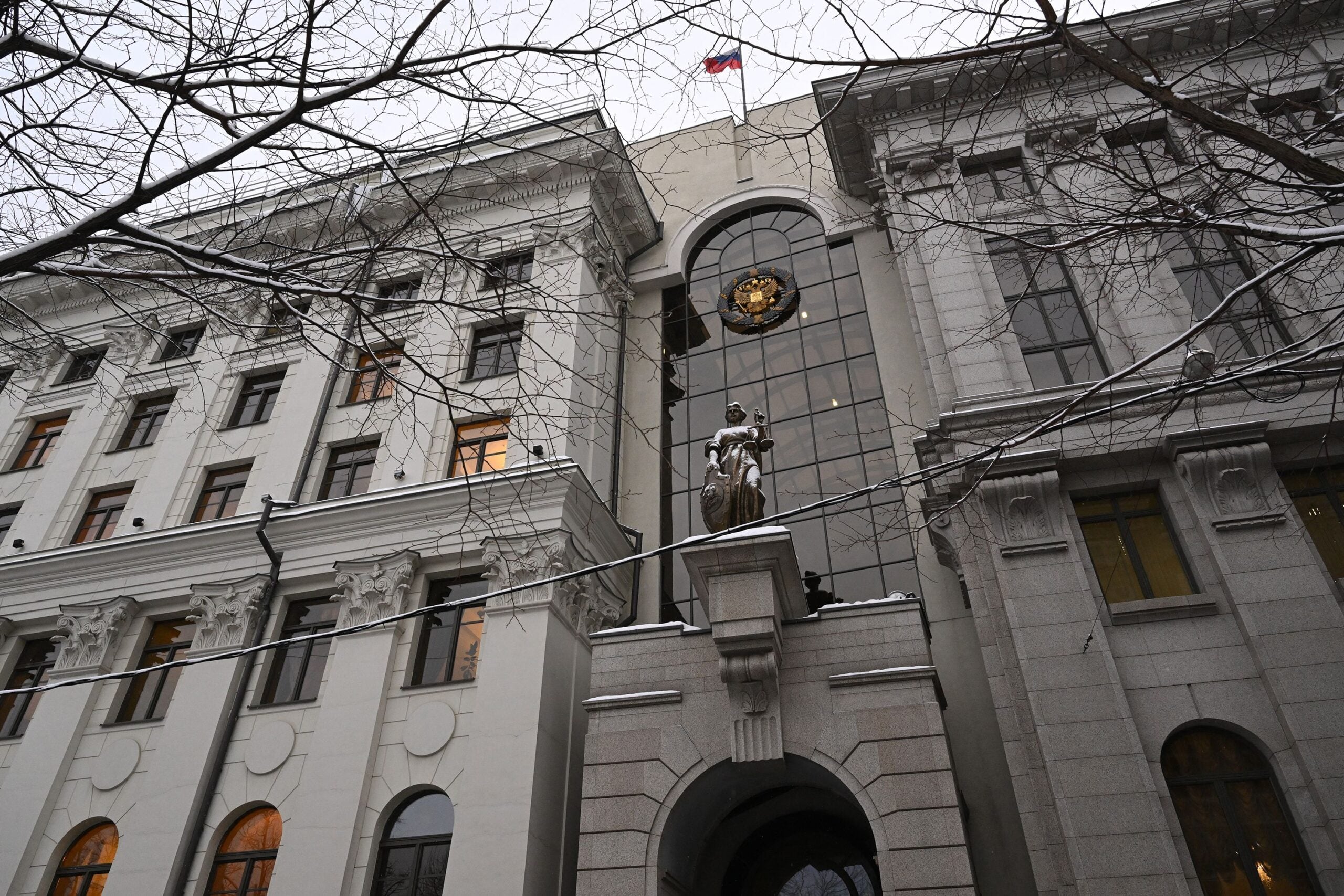
Despite that ambiguity, Russia’s Supreme Court reportedly approved the request after a hearing held behind closed doors.
According to Russian state media reports, the court declared that the “international LGBTQ movement” should be recognized as extremist and that all related activities should be prohibited within Russia.
The ruling reportedly took effect immediately.
Human rights advocates quickly warned that such wording could allow authorities to target organizations, activists, support groups, businesses, media projects, and even individuals accused of promoting LGBTQ rights or identities.
The Decision Deepened Fears Inside Russia’s LGBTQ Community
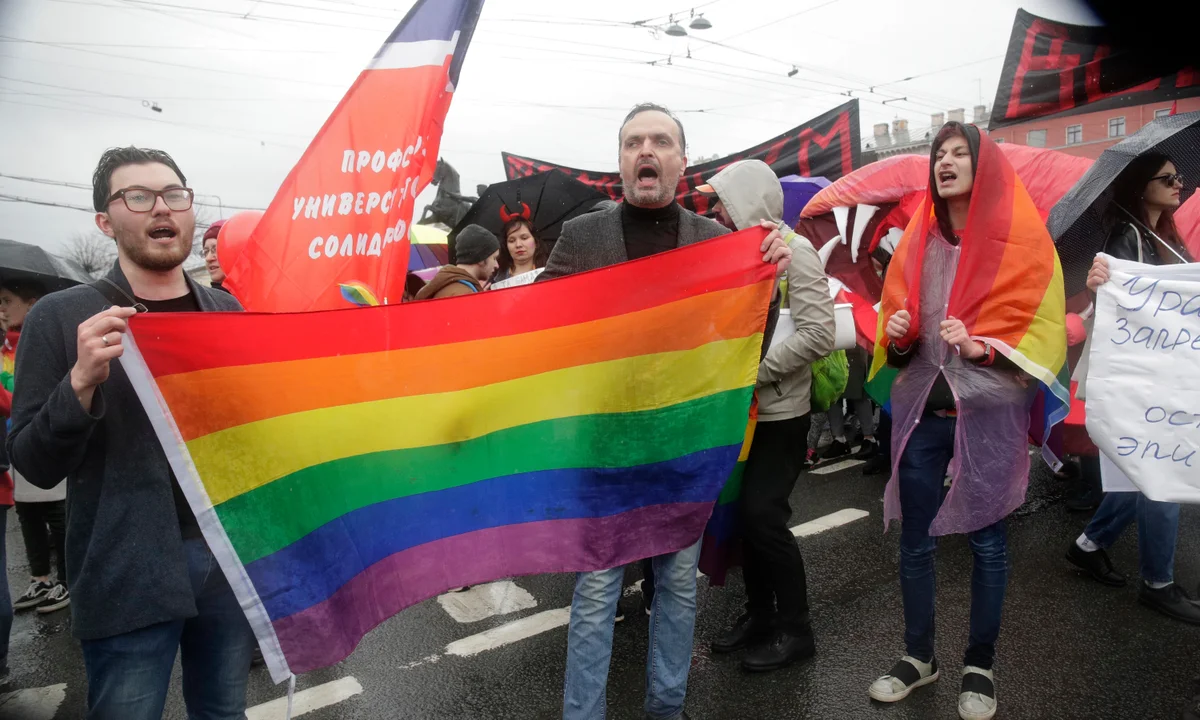
For many LGBTQ people in Russia, the ruling intensified fears that everyday life could become even more dangerous.
Activists warned that the extremism label carries severe legal and social consequences under Russian law. Organizations accused of extremism can be dissolved immediately, while leaders or participants may face criminal charges and prison sentences.
Because the court ruling did not clearly define its boundaries, many feared authorities could apply it broadly and unpredictably.
Some legal analysts suggested the decision might eventually affect social media posts, public events, rainbow symbols, advocacy campaigns, counseling groups, and even businesses associated with LGBTQ visibility.
The uncertainty itself became part of the fear.
Many members of Russia’s LGBTQ community had already faced years of increasing pressure, discrimination, and public hostility. The Supreme Court decision appeared to signal that the government was now escalating those pressures into a new legal phase tied directly to extremism laws.
The United Nations Strongly Condemned the Ruling
International reaction came swiftly after the court decision.
The United Nations criticized the ruling and warned it could place LGBTQ people, activists, and organizations at serious risk of criminal prosecution.
Officials from the UN Human Rights Office argued that labeling LGBTQ advocacy as extremism could endanger not only activists, but also ordinary individuals who publicly support equal rights or anti discrimination protections.
UN High Commissioner for Human Rights Volker Türk reportedly warned that the decision exposed human rights defenders to severe social and criminal consequences.
The organization expressed concern that Russia’s extremism laws could now be used against people simply for defending LGBTQ rights or publicly discussing sexual orientation and gender identity.
International human rights organizations echoed similar concerns, arguing the ruling represented a major escalation in Russia’s crackdown on civil liberties.
Russia Has Expanded Anti LGBTQ Laws for Years
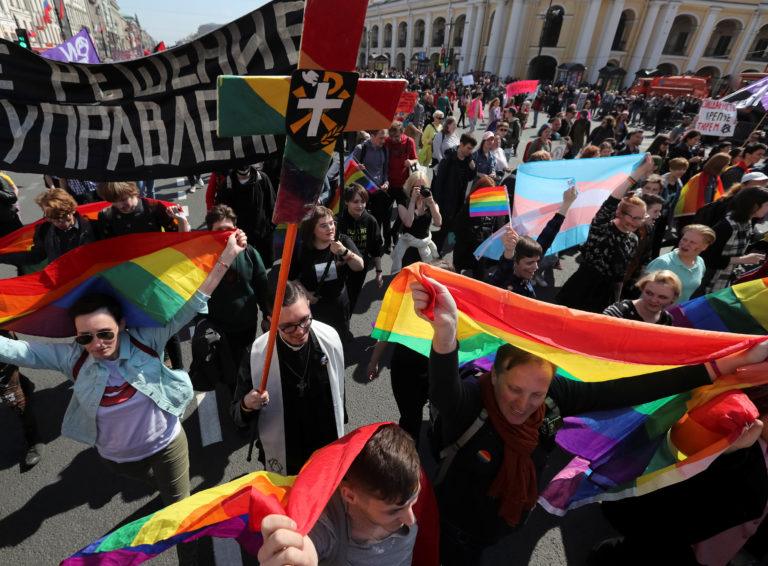
The Supreme Court ruling did not emerge in isolation. Instead, it reflected a broader conservative shift that has been unfolding in Russia for more than a decade.
In 2013, Russia introduced a controversial law banning so called LGBTQ “propaganda” directed toward minors. Critics argued the law effectively criminalized positive or neutral public discussion of LGBTQ topics.
Over time, the restrictions expanded further.
In 2022, Russia broadened the law to prohibit the promotion of what officials called “non traditional sexual relations” to adults as well. The updated legislation imposed heavier penalties for media, organizations, or individuals accused of violating the rules.
The government also intensified restrictions related to gender identity and transition.
In 2023, Russia passed legislation banning most gender reassignment procedures and restricting legal recognition related to gender transition.
Together, these laws signaled an increasingly aggressive political and cultural campaign against LGBTQ visibility within Russian society.
Putin Has Positioned Himself as Defender of “Traditional Values”
The Kremlin has consistently framed these policies as part of a larger ideological struggle between Russia and the West.
President Vladimir Putin has repeatedly presented himself as a defender of traditional moral and family values against what Russian officials describe as liberal Western cultural influence.
Government messaging often portrays LGBTQ rights movements as symbols of moral decline, social instability, or foreign interference.
This rhetoric intensified following Russia’s invasion of Ukraine, as the Kremlin increasingly linked domestic social policies with broader geopolitical narratives about defending Russian civilization and national identity.
Supporters of the government argue these policies protect children, cultural traditions, and social stability.
Critics, however, say the rhetoric is designed to consolidate political support, distract from economic and geopolitical pressures, and suppress dissent by identifying cultural enemies.
The Supreme Court ruling became another major chapter in that broader ideological conflict.
Closed Door Proceedings Raised Serious Questions
Another controversial aspect of the case was the secrecy surrounding the proceedings themselves.
Reports indicated the hearing lasted several hours and occurred entirely behind closed doors, with only representatives from the Justice Ministry present.
The evidence and materials used during the case were reportedly classified.
Critics argued this lack of transparency undermined confidence in the legal process and made it difficult to understand how the court justified its decision.
Legal experts also questioned how authorities could define an “international movement” as extremist without clearly identifying its leadership structure, organizational boundaries, or specific actions.
The vague structure of the ruling created widespread concern that it could eventually be interpreted in almost limitless ways by law enforcement agencies.
For activists and legal observers, the secrecy surrounding the process reinforced fears that the decision was politically driven rather than legally grounded.
Human Rights Groups Fear Wider Crackdowns Ahead
Following the ruling, many advocacy organizations warned that broader crackdowns could soon follow.
Historically, Russia has used extremism laws aggressively against political opponents, religious groups, activists, and organizations considered threatening to state interests.
Being designated extremist in Russia carries enormous consequences. Organizations can be banned, financial accounts frozen, websites blocked, and members prosecuted.
Some activists feared the LGBTQ ruling could become a foundation for expanded censorship, increased surveillance, and criminal investigations targeting both organizations and individuals.
International observers also worried that the ruling could encourage anti LGBTQ violence or discrimination by reinforcing the idea that LGBTQ identity itself represents a threat to society.
The decision raised questions about whether independent support networks, counseling services, or cultural organizations could continue operating safely within Russia.
Public Opinion in Russia Remains Deeply Divided
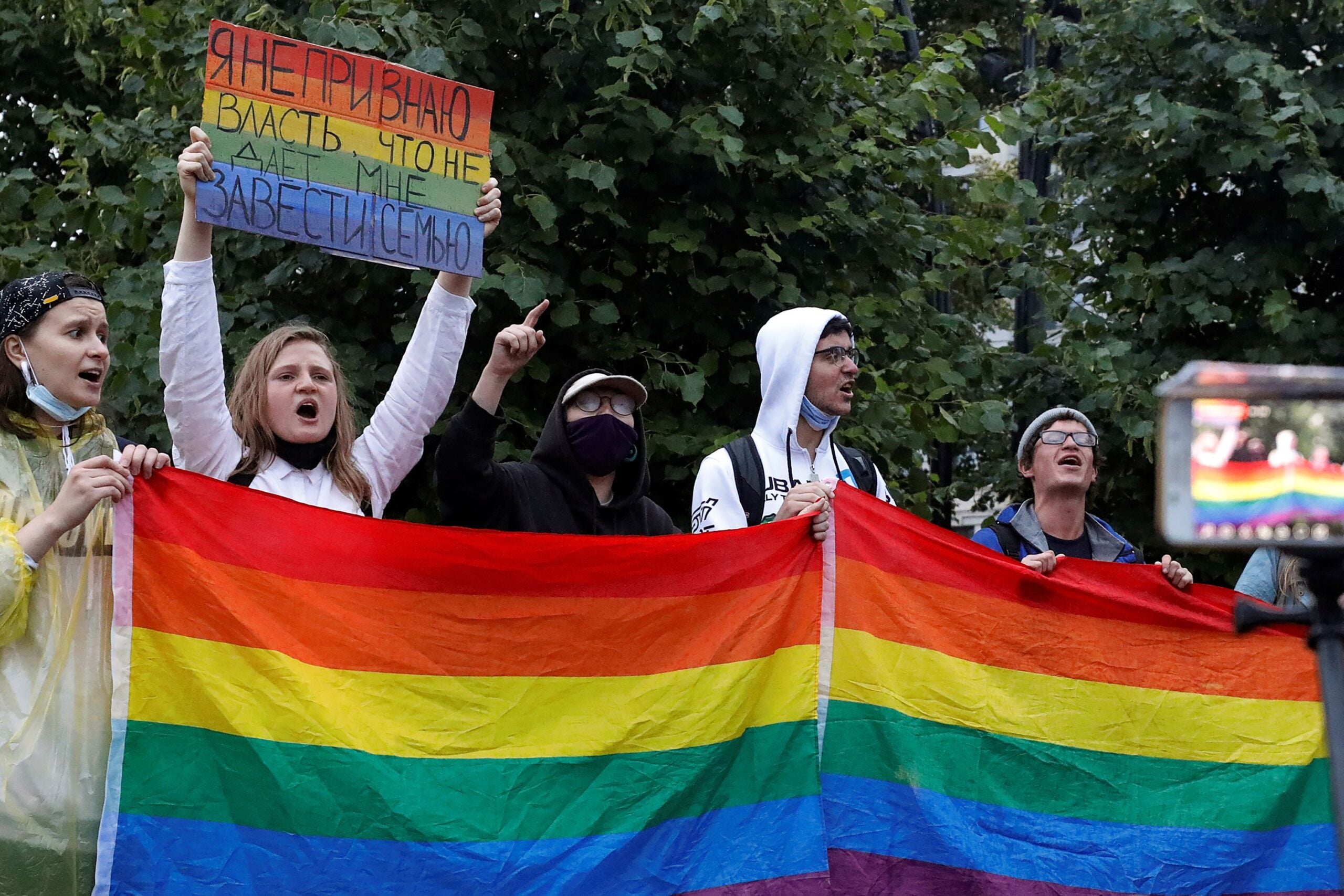
The issue of LGBTQ rights remains highly polarizing within Russian society.
Conservative religious groups and nationalist organizations have often supported stricter cultural policies, arguing they preserve traditional Russian identity.
At the same time, younger urban populations in cities like Moscow and Saint Petersburg have shown more openness toward LGBTQ visibility and social tolerance compared to older generations.
However, years of restrictive legislation, political messaging, and state controlled media narratives have significantly shaped public discourse around LGBTQ issues.
Activists say many LGBTQ Russians already lived cautiously long before the Supreme Court ruling due to fears of discrimination, violence, family rejection, or professional consequences.
The extremism designation intensified those fears by introducing the possibility of direct criminal implications connected to identity and advocacy.
International Tensions Continue to Shape Domestic Politics
The ruling also reflected how international tensions increasingly influence Russian domestic policy.
Since the invasion of Ukraine, the Kremlin has emphasized ideological separation from Western democracies more aggressively than ever before. Russian officials frequently frame cultural and social conflicts as part of a larger geopolitical struggle.
Within that narrative, LGBTQ rights are often portrayed not simply as social issues, but as symbols of Western political influence and moral decline.
Critics argue this framing allows authorities to transform cultural disagreements into national security concerns.
The use of extremism laws against LGBTQ activism therefore fits into a broader pattern where political opposition, independent media, protest movements, and social activism are increasingly treated as threats to state stability.
Human rights organizations warn that this approach risks shrinking civil society space even further.
The Long Term Impact May Reach Far Beyond Russia
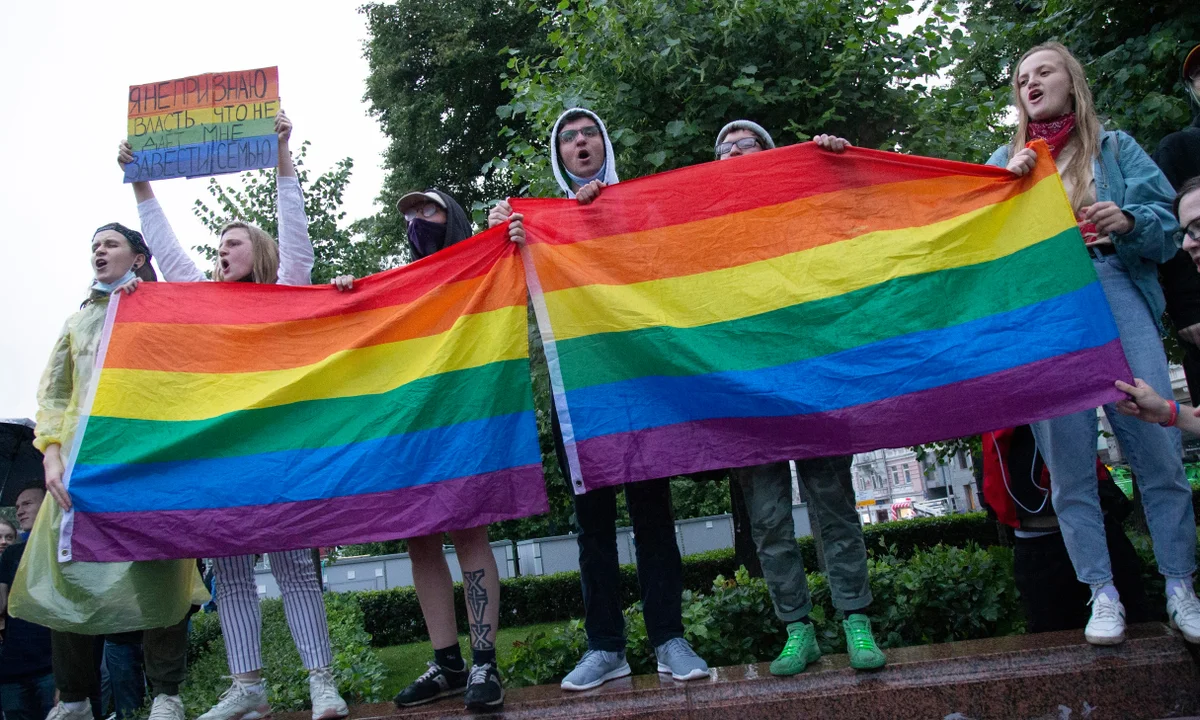
The significance of the ruling extends beyond Russia’s borders.
Human rights advocates fear the decision could inspire similar policies in other authoritarian governments seeking to restrict LGBTQ rights under the language of national identity, morality, or extremism.
International legal experts also warn that broad extremism designations create dangerous precedents because they allow governments to criminalize loosely defined social or political movements without precise legal standards.
For LGBTQ Russians themselves, the consequences remain uncertain but deeply worrying.
Some activists may attempt to continue operating underground or online, while others may leave the country entirely if conditions continue worsening.
At the same time, the ruling is likely to intensify global criticism of Russia’s human rights record and further strain relationships with Western nations and international organizations.
What makes the decision especially significant is that it transforms a cultural and social issue into a matter of state security and criminal law.
For supporters of the ruling, it represents protection of national values and social order. For critics, it represents a dangerous expansion of state power into private identity, expression, and civil rights.
Either way, the decision marked a major turning point in Russia’s ongoing political and cultural transformation under Vladimir Putin.