
Table of Contents
- Vance Framed Maine as a Fraud Battleground
- Gov. Janet Mills Fired Back Quickly
- Medicaid Fraud Is a Real Issue, But Complicated
- MaineCare Remains Essential for Many Residents
- Immigrant-Led Providers Became a Major Focus
- The “Gitmo” Remark Drew Attention
- Paul LePage’s Presence Added Political Weight
- Protesters Called the Visit Performative
- The Federal Crackdown Is Expanding
- The Bigger Fight Is About Trust
Vance Framed Maine as a Fraud Battleground
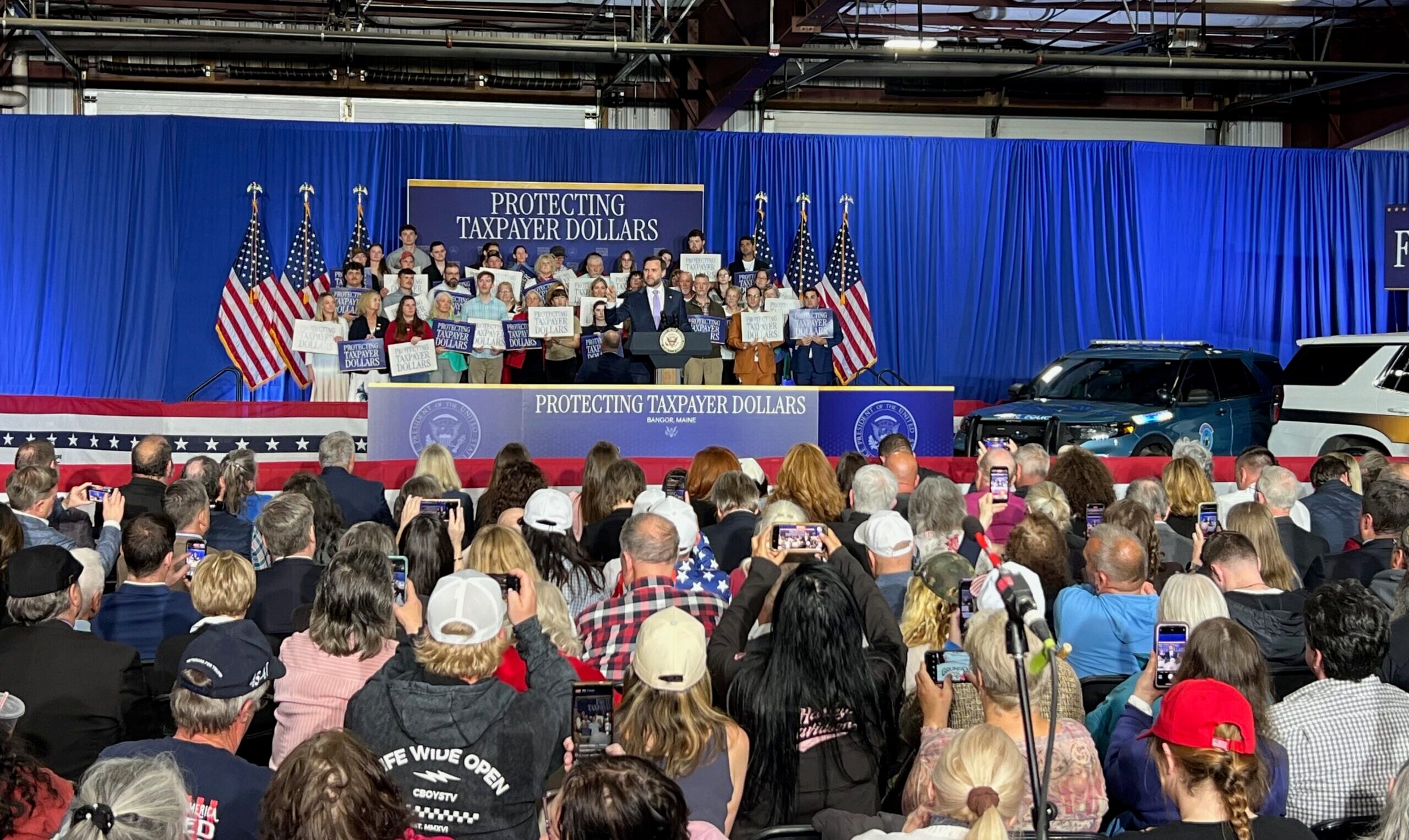
At the center of Vance’s visit was the Trump administration’s claim that Maine has not done enough to fight Medicaid fraud.
The vice president placed Maine alongside larger Democratic-led states that he said were difficult to work with because they allegedly refused to pursue fraud aggressively. He suggested that some officials may be unwilling to investigate because they could be politically or institutionally connected to the problem.
Those comments immediately intensified the political temperature around the visit.
Vance did not provide detailed new policy steps during the speech. He did not clearly explain what the crackdown would mean for healthcare providers, patients, or Medicaid recipients. Instead, the remarks focused heavily on blame, enforcement, and political pressure.
The visit was branded as part of the White House’s anti-fraud task force, which Vance has been tapped to lead. The administration has increasingly presented Medicaid fraud as a major national issue, arguing that taxpayer money is being wasted while ordinary Americans struggle with rising costs.
Supporters at the event appeared energized by the message. For them, Vance’s visit symbolized a federal government willing to challenge state officials and investigate possible misuse of public funds.
Gov. Janet Mills Fired Back Quickly
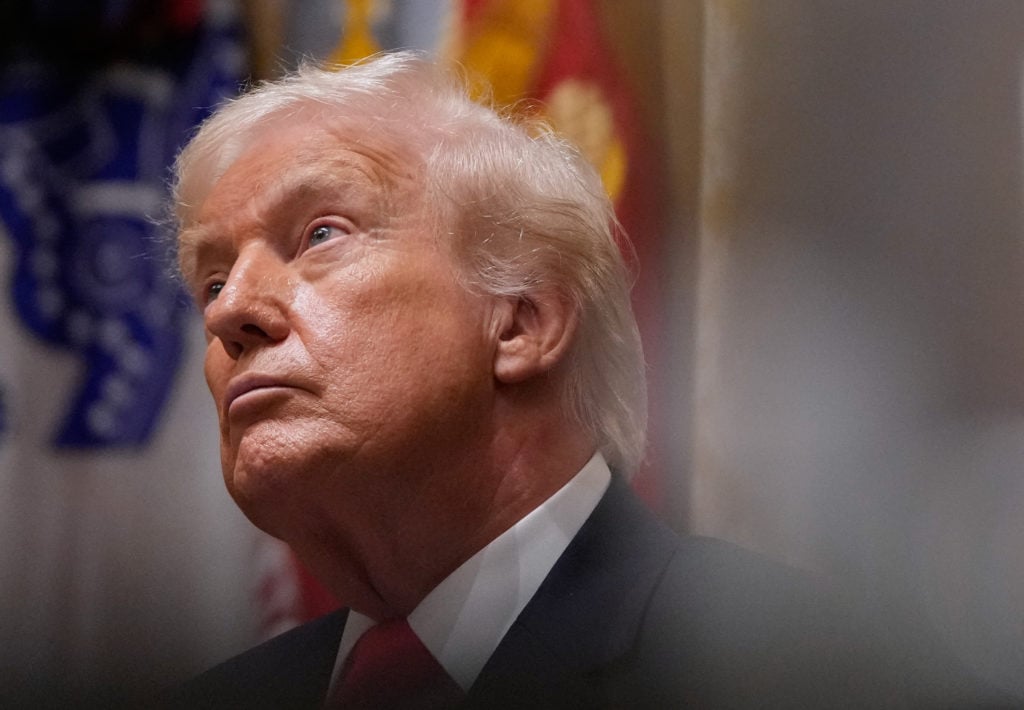
Maine Gov. Janet Mills rejected Vance’s accusations and framed the visit as a political distraction.
In a statement, Mills argued that the Trump administration was trying to redirect attention away from its own failures. She pointed to economic pressure on families, rising gas prices, and foreign policy troubles as issues the White House should be addressing instead of staging what she viewed as a performative attack on Maine.
Mills also defended her administration’s record on fraud oversight.
She said her administration has referred credible allegations to the state attorney general, who works with federal law enforcement on complex investigations that may take months or years. She also noted that her administration has implemented licensing requirements for many Medicaid service providers, including some that had not previously faced those standards.
According to Mills, when federal officials requested information about Maine’s fraud prevention process, the state provided a comprehensive response.
Her message was clear: Maine is not ignoring fraud, but responsible investigations require evidence, process, and time.
Medicaid Fraud Is a Real Issue, But Complicated
Medicaid fraud is not imaginary. Across the United States, public health programs have long faced problems involving improper billing, false claims, duplicate payments, and abuse by providers.
However, the issue is more complicated than political speeches often suggest.
Payment errors do not always mean intentional fraud. Some involve paperwork mistakes, billing confusion, eligibility issues, or administrative problems. In other cases, fraud can involve deliberate schemes by providers, businesses, or individuals attempting to take money from public programs.
That distinction matters because Medicaid serves vulnerable populations, including low-income families, children, older adults, people with disabilities, and people who cannot afford private insurance.
A serious anti-fraud system must protect taxpayer money while also ensuring that eligible patients do not lose access to care. If enforcement becomes too broad or politically driven, healthcare providers may become fearful, patients may become confused, and public trust may collapse.
This tension sat at the heart of the Bangor event.
Vance emphasized the danger of fraud. Democrats and healthcare advocates warned that fraud allegations could be used to weaken public support for MaineCare itself.
MaineCare Remains Essential for Many Residents
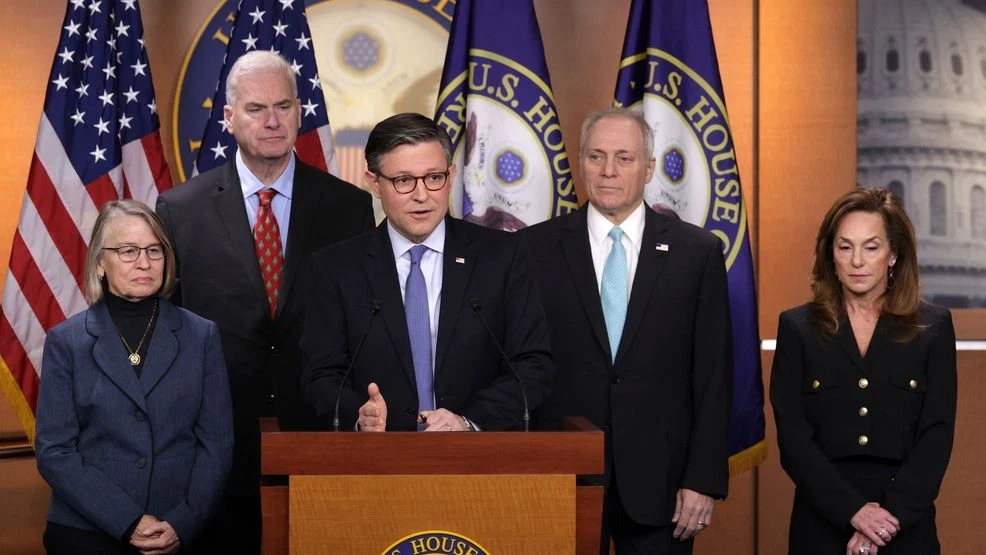
MaineCare plays a major role in the state’s healthcare system.
For many Mainers, it is the difference between receiving medical care and going without treatment. The program supports people who may not have other affordable options, including families in rural areas, seniors, children, and residents with serious health needs.
Healthcare advocates worry that political attacks on Medicaid can have long term consequences. Even if the stated target is fraud, repeated claims of widespread abuse may cause the public to view the entire program with suspicion.
That concern was raised by the Maine Center for Economic Policy, which argued that the biggest threat to MaineCare is not isolated fraud cases, but the effort to use those cases to undermine confidence in a program that hundreds of thousands of residents rely on.
This is why the debate became so emotional. To supporters of Vance’s message, cracking down on fraud strengthens Medicaid by protecting it from abuse. To critics, the same language may become a justification for cuts that harm people who genuinely need care.
Immigrant-Led Providers Became a Major Focus
One of the most controversial parts of the visit involved Vance’s comments about immigrants and Medicaid abuse.
The administration and its allies have increasingly connected anti-fraud messaging with immigration enforcement. In Maine, attention has focused partly on Gateway Community Services, an immigrant-led community health provider that had payments frozen after concerns about improper billing for interpreter services.
Republicans argue that the issue may be much broader and that fraud could involve far more money than officials have confirmed. Some state Republican leaders have claimed that hundreds of millions of dollars in MaineCare billing may be fraudulent.
However, available review data cited in the article shows Maine’s Medicaid payment error rate was 2.4 percent in the most recent federal review, lower than the national average of 3.2 percent. Only about 0.1 percent of total program spending was confirmed by federal reviewers to be definitively incorrect.
That gap between political claims and confirmed figures has become central to the dispute.
Vance repeatedly linked abuse to “illegal immigrant communities,” a phrase that drew cheers from some supporters but criticism from opponents who said the administration was using immigrants as a political target.
The “Gitmo” Remark Drew Attention
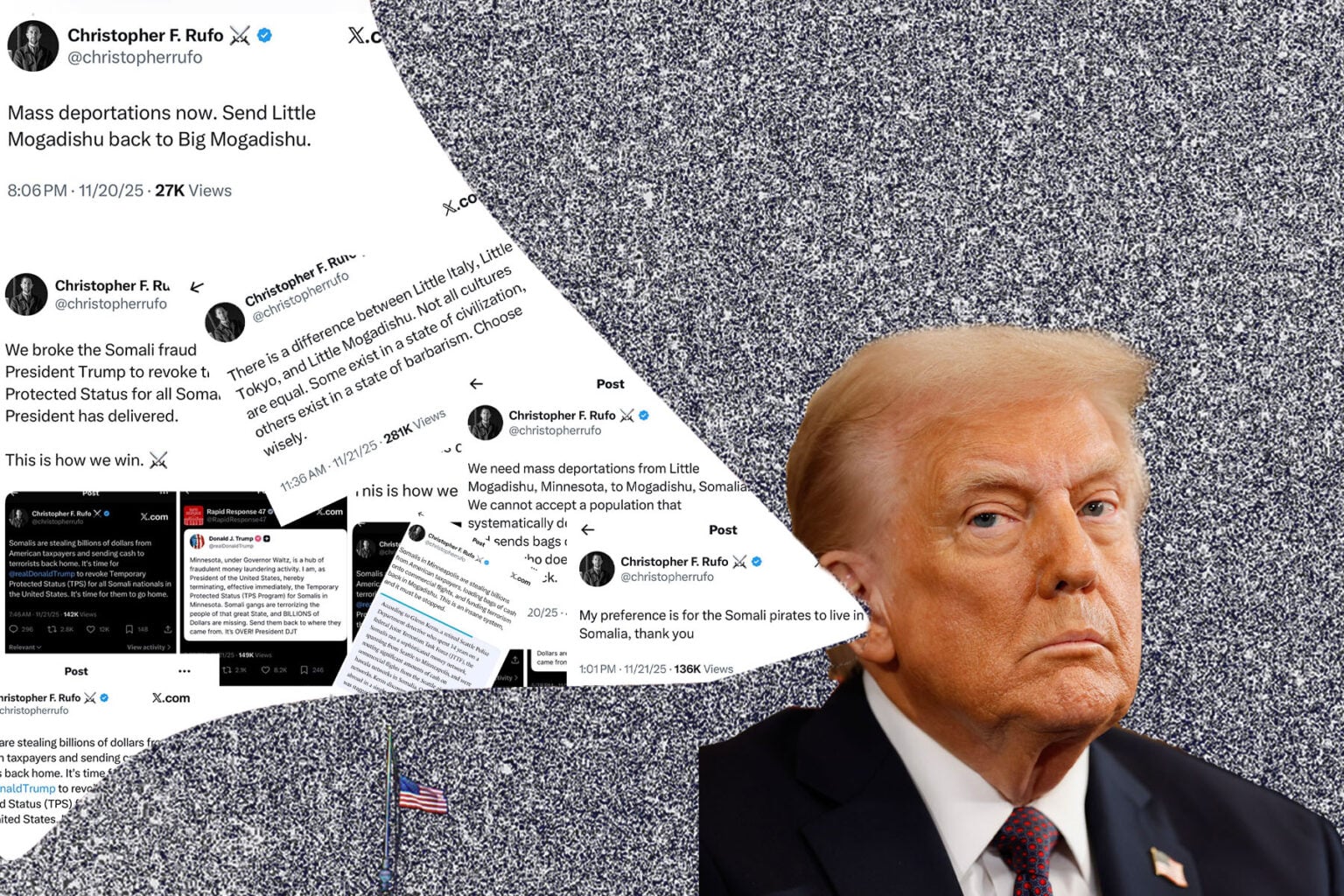
During the event, one person in the crowd suggested sending fraudsters to the Guantanamo Bay Detention Center in Cuba.
Vance responded by saying fraudsters should be sent to “Gitmo,” removed from the country, and sent to prison.
The moment quickly became one of the most striking parts of the rally because it reflected how aggressively the administration is framing fraud as a law-and-order issue.
Supporters may see that language as tough accountability. Critics see it as inflammatory, especially when connected to immigrants and public healthcare programs.
The remark also underscored how the event blended policy, campaign rhetoric, and cultural grievance. What began as a healthcare oversight announcement often sounded more like a political rally aimed at mobilizing Republican voters before major elections.
Paul LePage’s Presence Added Political Weight
Former Maine Gov. Paul LePage greeted Vance when he arrived and received multiple shoutouts during the speech.
LePage is running for the open U.S. House seat currently held by Rep. Jared Golden, making his appearance politically significant. During his time as governor from 2011 to 2019, LePage oversaw major cuts to healthcare programs in Maine, reducing coverage for low-income residents and children.
Before Vance spoke, LePage described the visit as a warning to fraudsters, scam artists, and corrupt bureaucrats.
His presence reinforced Democratic claims that the event was not only about fraud oversight, but also about election politics and Republican messaging ahead of November.
Vance also urged the crowd to support Republican candidates for governor and Congress, making the campaign dimension clear.
For Democrats, that made the anti-fraud theme look like a political tool. For Republicans, it showed that fraud enforcement and electoral change were connected parts of the same mission.
Protesters Called the Visit Performative
Across the street from the airport, protesters gathered in a designated demonstration area organized by local police.
Roughly three dozen people protested during the visit, criticizing Vance, LePage, and the Trump administration. Some described the event as unnecessary, performative, and hypocritical.
One protester argued that the White House should address its own controversies before coming to Maine to accuse the state of fraud. Others said the administration was using fraud accusations to justify healthcare cuts and stir up hostility toward immigrants.
Local Democratic candidates also responded by highlighting economic issues, including inflation, oil prices, and gas costs. They argued that Maine families were more concerned about affordability than political speeches at an airport.
Some Democrats supported the idea of audits and accountability but warned against using investigations as a cover for reducing benefits.
That distinction became one of the clearest dividing lines in the debate: one side said fraud enforcement protects the program, while the other feared it could become the excuse used to weaken it.
The Federal Crackdown Is Expanding
Vance’s visit came shortly after federal officials announced a six month moratorium on all new hospices and home health agencies enrolling in Medicare, citing concerns that such agencies are a major source of fraudulent activity.
That announcement showed that the administration’s anti-fraud campaign is not limited to Maine. It appears to be part of a broader federal strategy targeting healthcare billing, provider oversight, and public insurance programs.
The challenge is how to separate legitimate enforcement from political messaging.
Healthcare fraud investigations can be necessary and important. But they also require precision. If enforcement relies too heavily on broad public accusations, it can damage reputations before cases are proven and create fear among honest providers.
This is especially sensitive in rural states like Maine, where access to healthcare can already be limited.
The Bigger Fight Is About Trust
The Bangor rally revealed a deeper national problem: Americans increasingly disagree not only about policies, but about who can be trusted to tell the truth.
For Vance and Trump supporters, Democratic state leaders are failing to protect taxpayer money and need federal pressure. For Mills and her allies, the administration is exaggerating fraud claims to distract voters and undermine healthcare programs.
Both sides claim they are defending ordinary people.
Republicans say they are defending taxpayers and protecting Medicaid from abuse. Democrats say they are defending patients and preventing healthcare cuts disguised as anti-fraud reform.
The truth may ultimately depend on evidence gathered through audits, investigations, and transparent reporting. But politically, the battle has already moved far beyond spreadsheets and billing codes.
It has become a story about immigrants, government waste, economic frustration, election campaigns, and the future of public healthcare.
As Vance left Maine, the central question remained unresolved. Was the visit the beginning of a serious anti-fraud effort, or was it a campaign-style performance designed to turn suspicion into political momentum?
For Mainers who rely on MaineCare, the answer matters deeply. Fraud should be investigated wherever it exists. But if the fight against fraud becomes a reason to weaken care for people who need it most, the cost will be felt far beyond one airport rally in Bangor.