
Table of Contents
- The Drug Raid That Shocked Investigators
- Why Police Found The Weapon So Concerning
- The Growing Trend Of Customized Firearms
- How Toy Guns Have Caused Tragedies Before
- The Weapons Seized During The Search
- The Arrest And Charges
- Internet Reaction Turned The Gun Viral
- Experts Warn About Public Confusion
- The Broader Debate About Gun Culture
- Why The Story Still Resonates
- A Symbol Of Modern Anxiety
The Drug Raid That Shocked Investigators
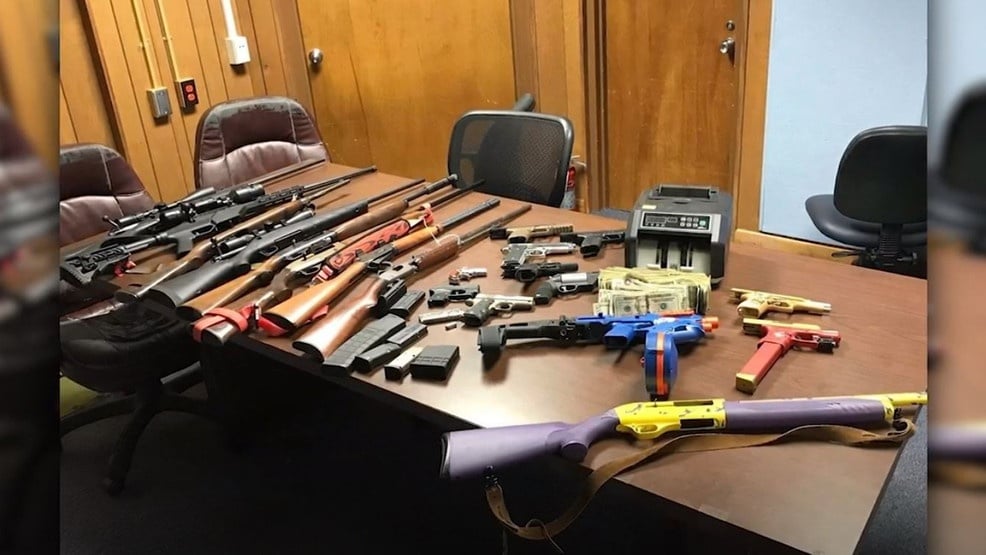
The incident unfolded in Catawba County, located north of Charlotte, North Carolina. Investigators conducted a search of a home tied to suspected narcotics activity. During the operation, officers reportedly seized cocaine, marijuana, psilocybin mushrooms, cash, and a large collection of firearms.
Authorities said around 20 weapons were discovered during the search, including pistols, rifles, and shotguns.
Yet one firearm stood apart from all the others.
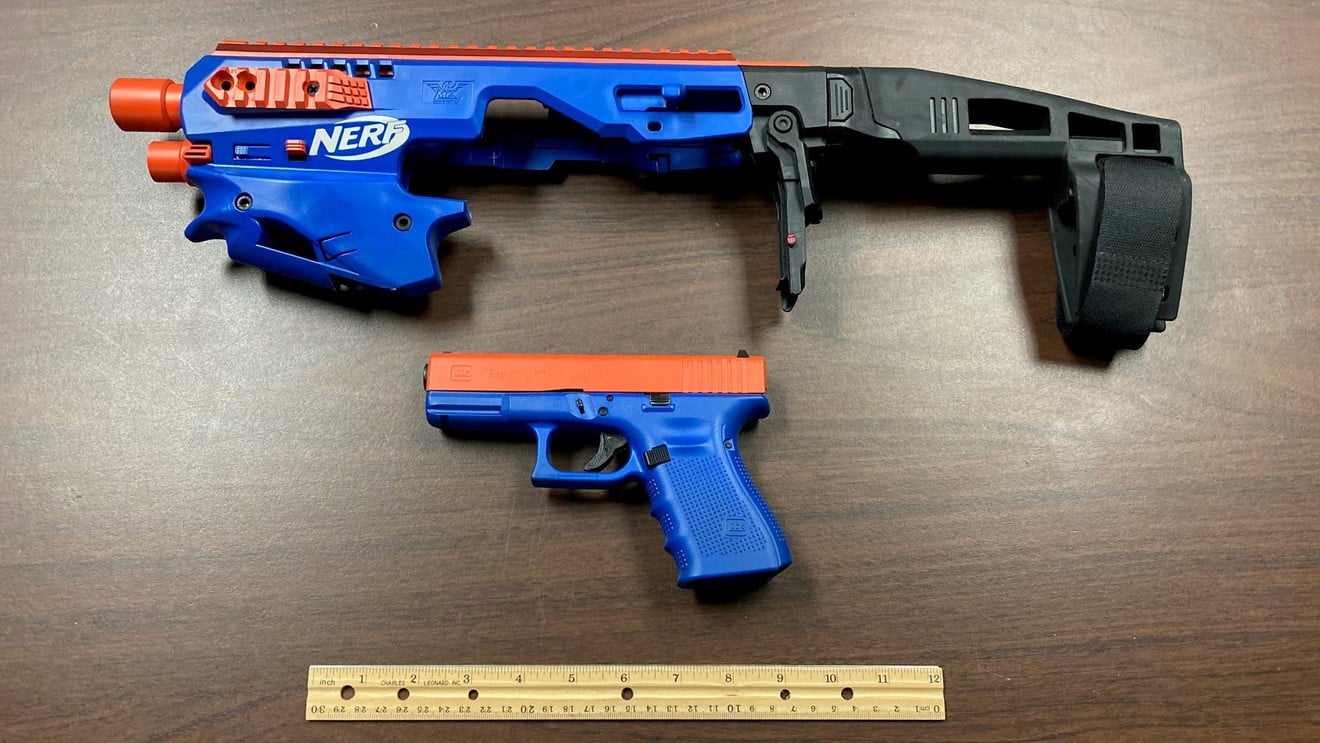
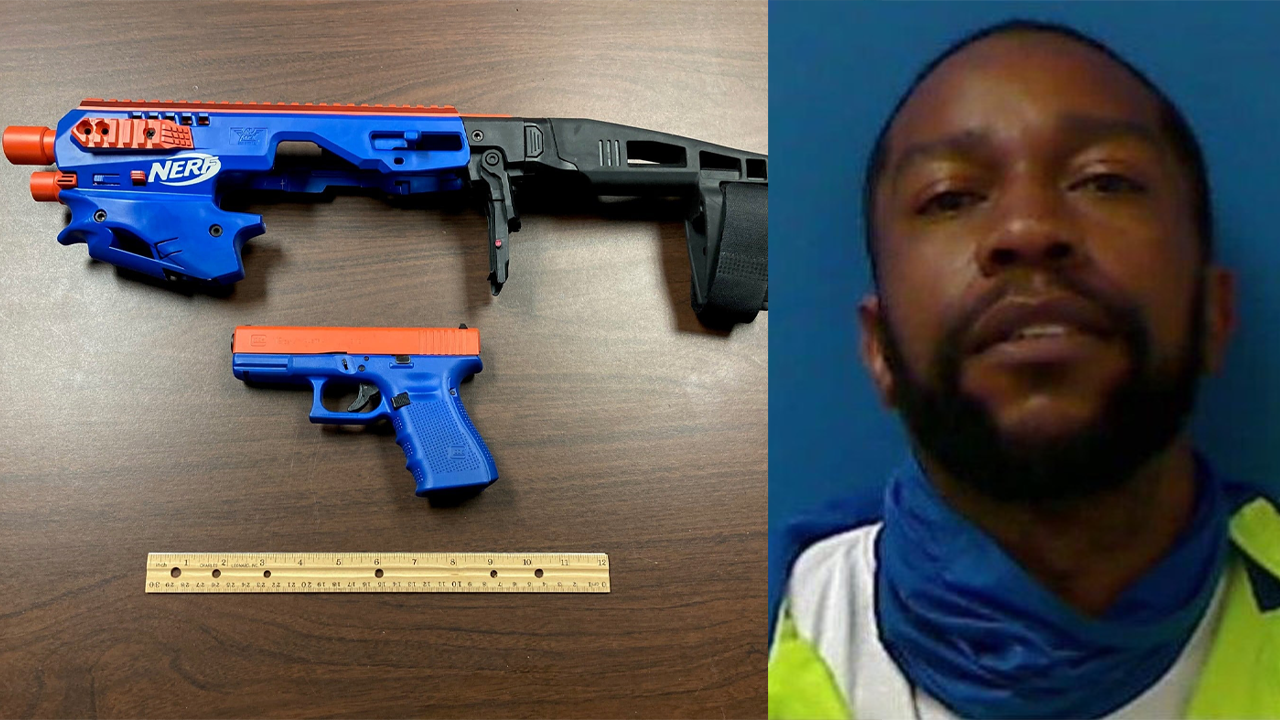
The Glock 19 pistol had been altered to resemble a Nerf toy gun. It featured bright colors commonly associated with toy blasters marketed toward children. Investigators said the gun also carried the recognizable Nerf branding, making the disguise even more convincing.
The weapon was reportedly equipped with a 50-round drum magazine, significantly increasing its ammunition capacity.
For investigators, the visual impact of the weapon immediately raised concerns. In photographs released by authorities, the firearm appeared startlingly similar to an oversized toy blaster despite being fully operational.
Why Police Found The Weapon So Concerning
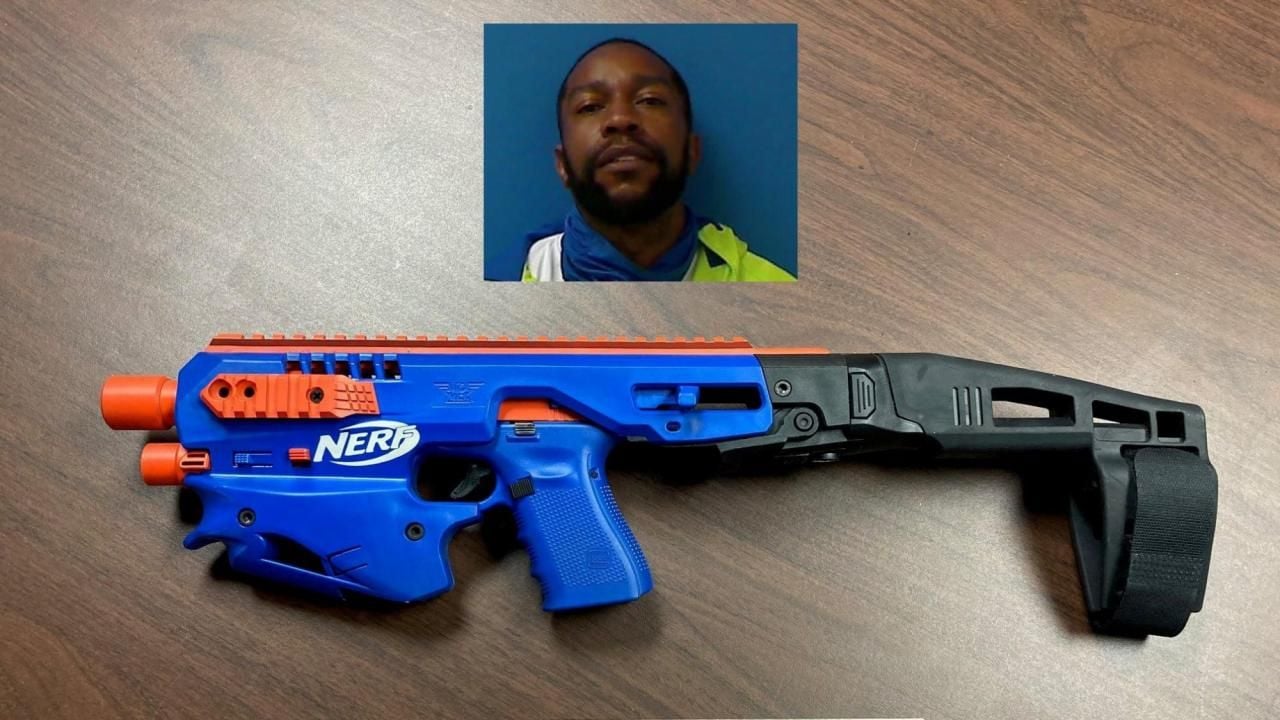
Law enforcement officials emphasized that possessing the modified firearm itself was not necessarily illegal under North Carolina law. However, authorities still described the weapon as deeply troubling.
The concern centered around confusion and deception.
A brightly colored gun disguised as a toy creates dangerous uncertainty during encounters involving police officers, civilians, or children. Someone seeing the weapon in public might assume it is harmless. At the same time, officers responding to a threat may hesitate for a split second if they believe a suspect is carrying a toy.
That hesitation can have life-or-death consequences.
Police departments across the United States have spent years training officers and educating children to recognize the difference between real guns and toys. Federal safety standards even require toy guns to include bright markings or orange tips so they are not mistaken for actual firearms.
This case essentially reversed that principle.
Instead of making toys look less realistic, someone had made a real weapon look more like a toy.
The Growing Trend Of Customized Firearms
The Nerf styled Glock was shocking, but it also reflected a broader trend in firearm customization culture.
Over the last decade, gun modifications have become increasingly popular online. Social media platforms, custom workshops, and hobbyist communities frequently showcase uniquely painted or heavily altered firearms. Some modifications are purely cosmetic, while others improve performance or change how the gun operates.
Brightly colored guns have become especially common.
Manufacturers and aftermarket businesses now sell firearms in pink, turquoise, gold, neon green, camouflage patterns, and other unusual finishes. In many cases, these designs are marketed toward collectors or gun enthusiasts seeking individuality.
But critics argue that certain styles can make weapons appear less threatening, especially to children.
The North Carolina case intensified concerns that aesthetic modifications could eventually cross a dangerous line between style and deception.
How Toy Guns Have Caused Tragedies Before
The controversy surrounding the disguised Glock also reopened painful memories of past incidents involving toy guns.
For years, families, activists, and law enforcement agencies have warned about the risks posed when realistic toy weapons are mistaken for actual firearms. Several fatal police encounters in the United States have involved toy guns that appeared real.
One of the most widely discussed cases was the 2014 death of 12-year-old Tamir Rice in Cleveland, Ohio. Rice was holding a pellet gun when police responded to reports of a person carrying a firearm. Officers shot him within seconds of arriving at the scene.
That tragedy sparked nationwide debate about toy gun safety, police training, racial bias, and public perception.
The disguised Glock from North Carolina reversed the scenario in a deeply disturbing way. Instead of a toy being mistaken for a real gun, a real gun had been intentionally designed to resemble a toy.
Critics warned that such modifications could increase confusion during emergencies and place both civilians and officers at greater risk.
The Weapons Seized During The Search
Authorities said the disguised Glock was only one part of a much larger seizure.
Investigators recovered approximately 20 firearms from the property. These included rifles, pistols, and shotguns. Police also said they found cocaine, psilocybin mushrooms, marijuana, and around $2,300 in cash.
Officials noted that firearms are commonly discovered during searches involving felony narcotics investigations.
Drug trafficking and weapons possession often overlap because firearms are frequently used for protection, intimidation, or criminal enforcement within illegal drug operations.
The combination of narcotics and heavily armed environments creates particularly dangerous conditions for law enforcement officers executing warrants.
That reality made the disguised weapon even more unsettling because it suggested an effort to conceal or downplay the presence of a firearm during criminal activity.
The Arrest And Charges
Authorities arrested 35-year-old Damien Alonzo Burch of Catawba following the raid.
According to officials, he was charged with felonious possession of cocaine, felonious possession of mushrooms, and misdemeanor possession of marijuana.
Police said Burch was later released on a $20,000 unsecured bond.
Investigators noted that they did not know why the gun had been altered to resemble a Nerf toy. No official motive was publicly identified.
CNN reported at the time that efforts were made to contact Burch or an attorney representing him for comment.
The unanswered question surrounding the weapon’s appearance became one of the biggest reasons the story continued spreading online long after the initial arrest.
Internet Reaction Turned The Gun Viral
Once photographs of the disguised Glock were released online, the images spread rapidly across social media platforms.
Many users initially believed the gun was fake because of its toy-like appearance. Others expressed disbelief that such a weapon existed at all.
Comments ranged from humor to outrage. Some people joked about the bizarre design, while others warned that the firearm represented a serious public safety threat.
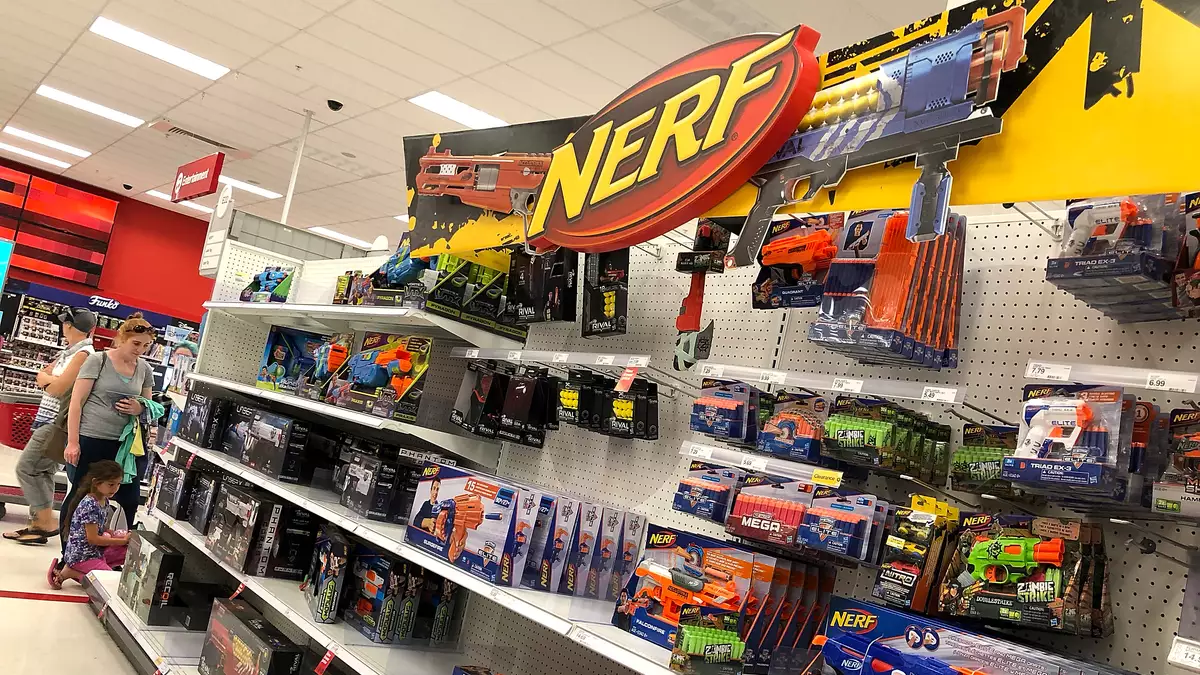
The image became especially viral because it collided with familiar childhood nostalgia. Millions of Americans grew up playing with Nerf blasters, which are widely associated with harmless indoor games and family entertainment.
Seeing those same colors and branding attached to a real handgun created immediate emotional shock.
The contrast between innocence and violence made the image difficult to ignore.
Experts Warn About Public Confusion
Firearm experts and law enforcement professionals later discussed how disguised weapons can complicate public safety responses.
One major concern involves children.
Young children may not fully understand the difference between a toy and a modified firearm if the weapon intentionally mimics familiar toy designs. That confusion could lead to tragic accidents inside homes or public spaces.
Another concern involves police decision-making during fast-moving encounters.
Officers are trained to identify threats quickly. If a weapon resembles a toy, it could delay responses during dangerous situations. At the same time, civilians carrying toy guns may face increased danger if officers fear the toy might actually be real.
The North Carolina case highlighted how weapon appearance alone can dramatically influence perception, judgment, and reaction times.
The Broader Debate About Gun Culture
The disguised Glock also entered broader political and cultural debates surrounding firearms in America.
Supporters of gun rights argued that cosmetic modifications should not distract from the core issues of responsible ownership and criminal behavior. They emphasized that the problem was not the paint job itself but the alleged criminal activity surrounding the weapon.
Others argued the case symbolized a deeper issue within modern gun culture, where some modifications appear designed more for shock value, intimidation, or online attention than practical use.
The debate reflected America’s larger divide over firearms, personal freedom, public safety, and regulation.
Even years later, the image of the Nerf styled Glock continues to circulate online whenever discussions emerge about weapon customization and gun laws.
Why The Story Still Resonates
The North Carolina raid happened in 2021, yet the story still resurfaces because it taps into several powerful fears at once.
It involves drugs, hidden weapons, law enforcement danger, and childhood imagery being twisted into something threatening. It also raises difficult questions about how society recognizes danger in an age where appearances can be intentionally manipulated.
For many people, the most disturbing part was not the gun itself but how ordinary it initially looked.
The bright colors made it seem playful rather than lethal.
That visual contradiction is exactly why the story spread so widely. It forced people to confront how easily assumptions can be manipulated.
A Symbol Of Modern Anxiety
In the end, the disguised Glock became more than evidence from a drug raid. It became a symbol of modern anxiety surrounding violence, perception, and safety.
Americans are already navigating a world filled with uncertainty about guns, policing, and public trust. The image of a deadly weapon dressed up like a child’s toy intensified those fears in a way few crime stories ever do.
Law enforcement officials in North Carolina may never discover exactly why the gun was altered to resemble a Nerf blaster. But the image left a lasting impression on millions of people who saw it online.
It represented the collision of innocence and danger in a single object.
And in a country where debates over guns remain deeply emotional and politically explosive, that image continues to resonate years later because it feels like something pulled directly from a dystopian movie rather than an ordinary police raid in suburban America.