
Table of Contents
- A Government Growing Older Every Year
- Marie Gluesenkamp Perez Pushes A Controversial Idea
- Why Americans Are Becoming More Concerned
- Supporters Say Cognitive Testing Is About Accountability
- Critics Warn Of Dangerous Consequences
- Congress Showed Little Enthusiasm
- The Presidency Intensified The Debate
- Why The Debate Connects With Younger Americans
- America’s Aging Leadership Is Not Unique
- A Reflection Of Declining Public Trust
- The Debate Is Unlikely To Disappear
- What This Debate Means For The Future
A Government Growing Older Every Year
The debate surrounding cognitive tests did not emerge in isolation.
Congress has steadily become older over the last several decades. According to the Pew Research Center, the median age of sitting members of Congress is now nearly 65 years old. The Senate, in particular, remains dominated by Baby Boomers, many of whom have served in public office for decades.
While experience can be valuable in politics, critics argue the modern world is evolving so rapidly that lawmakers are struggling to keep pace.
Artificial intelligence, cryptocurrency, social media regulation, cybersecurity threats, digital labor platforms, and biotechnology are transforming society faster than many governments can respond. Younger Americans increasingly wonder whether leaders who built their careers in the twentieth century fully understand the challenges shaping the twenty-first.
The concern becomes even sharper when visible health issues emerge.
Over the past several years, Americans have watched multiple high-profile politicians freeze during speeches, forget names, struggle to communicate, or rely heavily on aides and staff members behind the scenes.
Each incident has intensified the perception that some elected officials may no longer be fully capable of handling the responsibilities of office.
Marie Gluesenkamp Perez Pushes A Controversial Idea
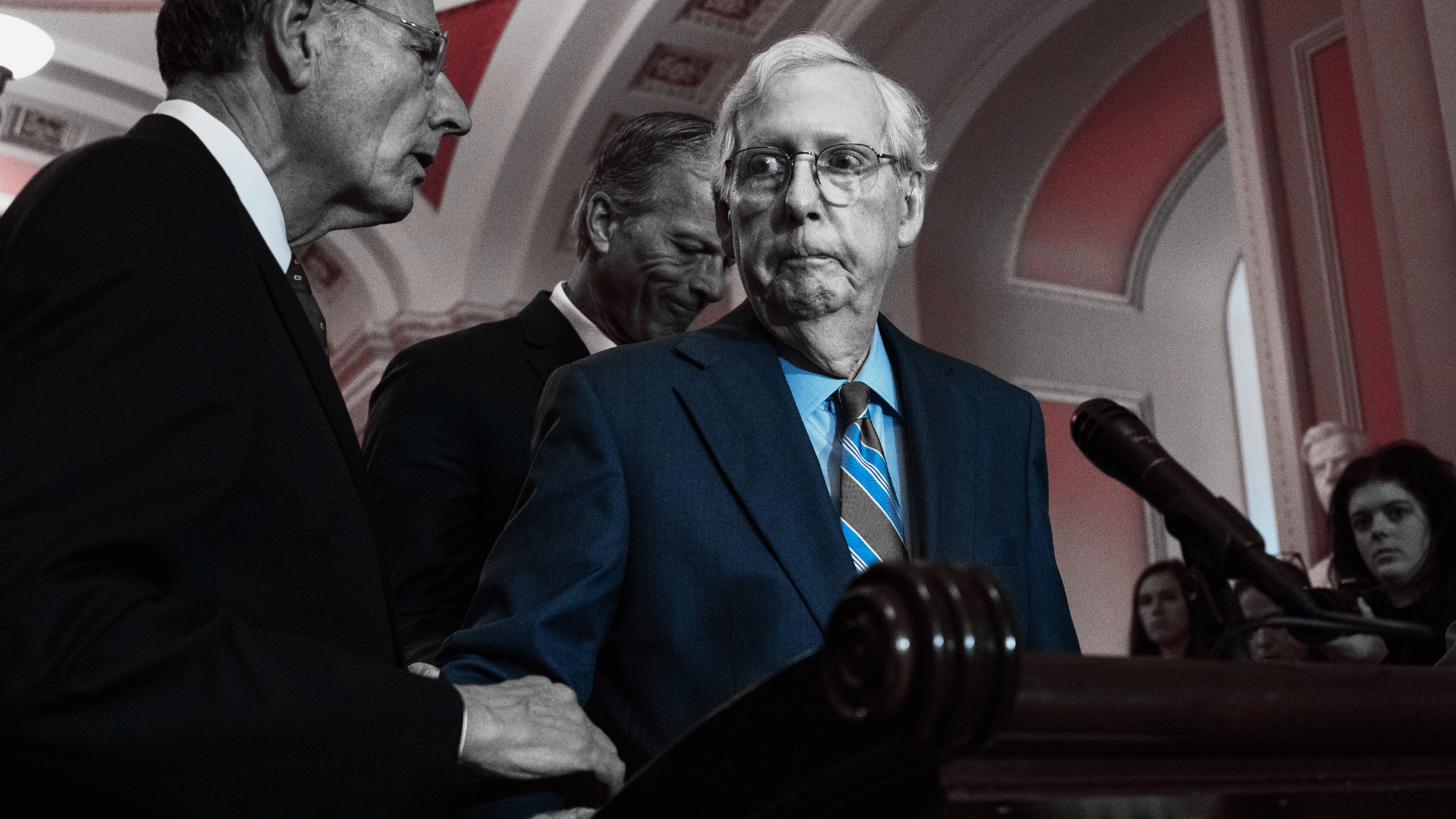
Representative Marie Gluesenkamp Perez became one of the few lawmakers willing to publicly challenge the issue head-on.
Perez, first elected in 2022 to represent Washington State’s 3rd congressional district, proposed an amendment requiring the Office of Congressional Conduct to develop cognitive assessments for lawmakers.
The tests would evaluate whether members of Congress can perform their duties “unimpeded by significant irreversible cognitive impairment.”
The proposal did not target one political party specifically. It reflected a growing bipartisan frustration among voters who feel disconnected from aging political leadership.
Perez argued that ordinary Americans increasingly believe Congress is being operated not by elected officials themselves, but by staffers surrounding elderly politicians.
Her comments referenced widespread public concerns involving figures like former President Joe Biden and late Senator Dianne Feinstein, both of whom faced scrutiny over age and mental sharpness during their time in office.
Perez framed the proposal as an attempt to restore confidence in government institutions.
Why Americans Are Becoming More Concerned
The issue resonates because the signs of political aging have become impossible for many voters to ignore.
Over the last few years, several lawmakers have died while still serving in office. Others have continued working despite visible physical or cognitive struggles.
Some Americans argue that ordinary workers in many professions must pass health evaluations or competency standards to continue performing critical jobs. Pilots, military personnel, surgeons, and law enforcement officers often face regular assessments. Critics ask why members of Congress, who help shape laws affecting hundreds of millions of people, face no equivalent oversight.
The deaths of sitting lawmakers have also increased public attention on the issue.
Since 2022, multiple members of Congress have died while in office, affecting legislative outcomes and raising questions about how long politicians should continue serving.
One especially controversial case involved Representative Kay Granger of Texas, who reportedly spent time in a retirement facility during the final months of her term.
Stories like these intensified public anxiety over whether America’s political leadership is becoming too old to function effectively.
Supporters Say Cognitive Testing Is About Accountability
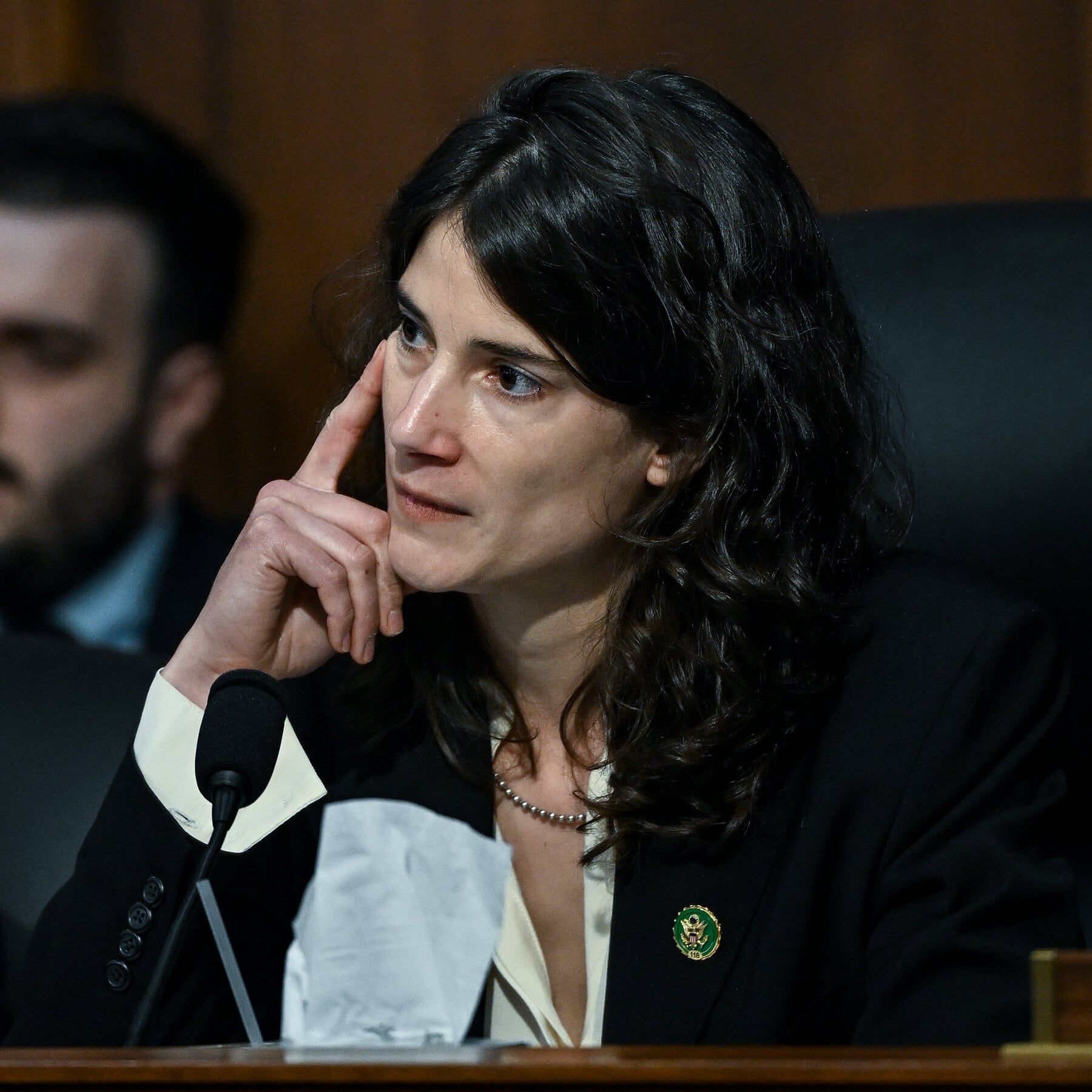
Supporters of cognitive assessments argue the idea is not about punishing older Americans.
Instead, they say it is about accountability and transparency.
Millions of Americans continue working effectively well into their seventies and eighties. Age alone does not determine competence. Some older lawmakers remain intellectually sharp and highly effective. But supporters argue that the absence of any testing system creates risks when serious decline does occur.
They also point out that political power can make accountability unusually difficult.
Unlike private-sector jobs, members of Congress cannot easily be removed for poor performance unless voters intervene during elections. Incumbents often benefit from massive fundraising networks, name recognition, and institutional advantages that make reelection easier even when public concerns grow.
Supporters believe cognitive testing could reassure voters that lawmakers are still capable of making informed decisions on military conflicts, economic policy, healthcare, and national security.
In an era of declining trust in institutions, they argue transparency may be more important than ever.
Critics Warn Of Dangerous Consequences
Opponents of the proposal quickly raised concerns of their own.
Some argued cognitive tests could become political weapons used to target rivals or embarrass opponents publicly. Others warned that mental fitness standards are inherently subjective and vulnerable to manipulation.
Critics also pointed out that cognitive decline is not limited to older individuals. Younger politicians can also display poor judgment, impulsive behavior, or emotional instability.
For some disability rights advocates, the proposal raised ethical concerns about discrimination and stigmatization surrounding aging and neurological conditions.
There were also practical questions.
Who would design the tests? Who would administer them? Would results remain private? Would failing a test automatically remove someone from office? Could lawmakers challenge the results?
The complexity of those questions helps explain why the proposal struggled to gain support within Congress itself.
Congress Showed Little Enthusiasm
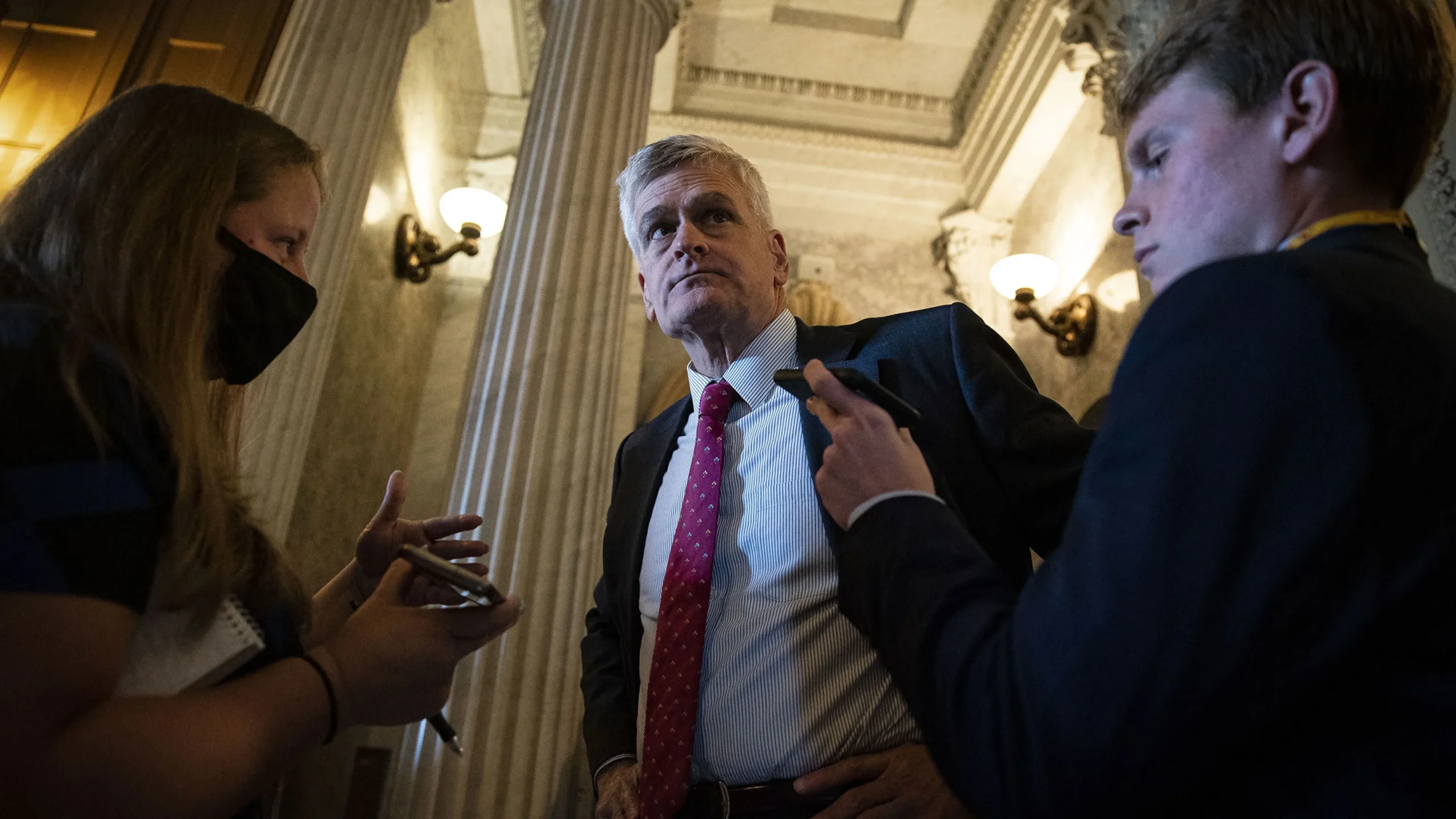
Perez’s amendment failed to gain traction with the House Appropriations Committee.
The resistance was hardly surprising.
Congress would effectively be voting to subject itself to medical scrutiny and potential public embarrassment. Many lawmakers appeared uncomfortable with opening that door, regardless of political affiliation.
Still, Perez continued pushing the issue publicly after the proposal stalled.
She argued that even though lawmakers resisted the idea internally, voters outside Washington increasingly support systemic reform and greater accountability.
Her comments reflected a broader frustration spreading through American politics. Many citizens feel disconnected from a political system dominated by aging leaders, entrenched incumbents, and career politicians who often remain in office for decades.
The Presidency Intensified The Debate
The debate over cognitive fitness has also been shaped heavily by presidential politics.
Questions about Joe Biden’s age and mental sharpness dominated political discussion throughout much of his presidency. Critics pointed to verbal stumbles, physical incidents, and moments of apparent confusion as evidence of decline.
Supporters argued that Biden remained capable and that opponents exaggerated isolated moments for political gain.
Donald Trump, despite being younger than Biden, has also faced scrutiny over verbal misstatements, unusual comments, and erratic public behavior. Both parties have increasingly accused each other’s leaders of mental unfitness.
This constant public debate normalized discussions about cognitive decline in politics in ways that would have been considered taboo years earlier.
The result is a political environment where Americans openly question the mental capacity of their leaders almost daily.
Why The Debate Connects With Younger Americans
For younger generations, the issue feels deeply personal.
Millennials and Generation Z face challenges involving housing affordability, student debt, climate change, automation, and digital transformation. Many feel the political system is controlled by leaders whose formative experiences belong to a completely different era.
Some younger voters believe older politicians struggle to understand the realities of modern work, technology, online culture, and economic insecurity.
At the same time, many younger Americans are frustrated that Congress moves slowly while technology and society evolve rapidly.
The age debate has therefore become symbolic of something larger. It represents a clash between institutional continuity and generational change.
America’s Aging Leadership Is Not Unique
The United States is not alone in confronting this issue.
Many developed countries are dealing with aging political leadership alongside aging populations. Leaders in Europe, Asia, and elsewhere have also faced scrutiny over health, age, and mental sharpness.
But the American political system creates especially intense attention because of the enormous power concentrated in Congress and the presidency.
US lawmakers oversee military spending, nuclear policy, global economic systems, healthcare programs, intelligence agencies, and technological regulation. Any sign of cognitive decline among national leaders therefore carries enormous consequences.
That reality helps explain why even a relatively small proposal from one House Democrat generated national headlines.
A Reflection Of Declining Public Trust
At its core, the cognitive testing debate is really about trust.
Americans increasingly distrust political institutions, media organizations, corporations, and even one another. Confidence in Congress has remained historically low for years.
In that environment, visible signs of aging leadership become magnified.
When voters see lawmakers struggle publicly while remaining in office, it reinforces fears that the system protects insiders more than ordinary citizens.
Perez’s proposal tapped directly into that frustration.
Even though the amendment failed, the reaction showed how deeply Americans are questioning whether their government still reflects the needs and realities of the modern country.
The Debate Is Unlikely To Disappear
The idea of cognitive testing for lawmakers may sound radical today, but many once controversial reforms eventually became normalized in American politics.
Presidential term limits, financial disclosure requirements, ethics investigations, and health transparency measures all faced resistance when first introduced.
As Congress continues aging, public pressure surrounding mental fitness is likely to intensify rather than fade.
Future incidents involving elderly lawmakers could quickly reignite calls for reform. Voters may eventually demand greater medical transparency from elected officials, especially as life expectancy rises and politicians remain active later into old age.
Even lawmakers who oppose mandatory testing may increasingly feel pressure to release more information voluntarily about their health and cognitive condition.
What This Debate Means For The Future
The proposal from Marie Gluesenkamp Perez ultimately revealed more than just concern about aging politicians.
It exposed a deeper anxiety about whether America’s political institutions are capable of adapting to a rapidly changing world.
The country is facing technological revolutions, geopolitical instability, economic disruption, and cultural transformation all at once. Many voters worry that political leadership is struggling to keep up.
Cognitive testing alone cannot solve those problems. But the fact that the idea gained national attention shows how much frustration is building beneath the surface of American politics.
For some Americans, the proposal represented respect for accountability and competence.
For others, it represented fear of age discrimination and political abuse.
But regardless of opinion, one thing became clear. Questions about aging leadership are no longer whispered quietly behind closed doors.
They are now part of the national conversation about the future of American democracy itself.