
Table of Contents
- How Backyard Grilling Became A Cultural Identity
- The Great Illusion Of Grill Expertise
- Why Grilling Feels So Personal To Men
- The Internet Recognized The Truth Immediately
- Why People Love The Chaos Anyway
- Experts Say Grilling Really Is Difficult
- The Masculinity Performance Of The Backyard Grill
- Why Satire Like This Goes Viral
- Grilling Culture Is Bigger Than Food
- The Rise Of Barbecue As Entertainment
- Why People Secretly Love Imperfect Cooking
- The Study Was Fake But The Reactions Were Real
- What The Viral Joke Says About Modern Life
- Why Backyard Barbecue Still Matters
How Backyard Grilling Became A Cultural Identity
Grilling has evolved far beyond simply cooking food outdoors.
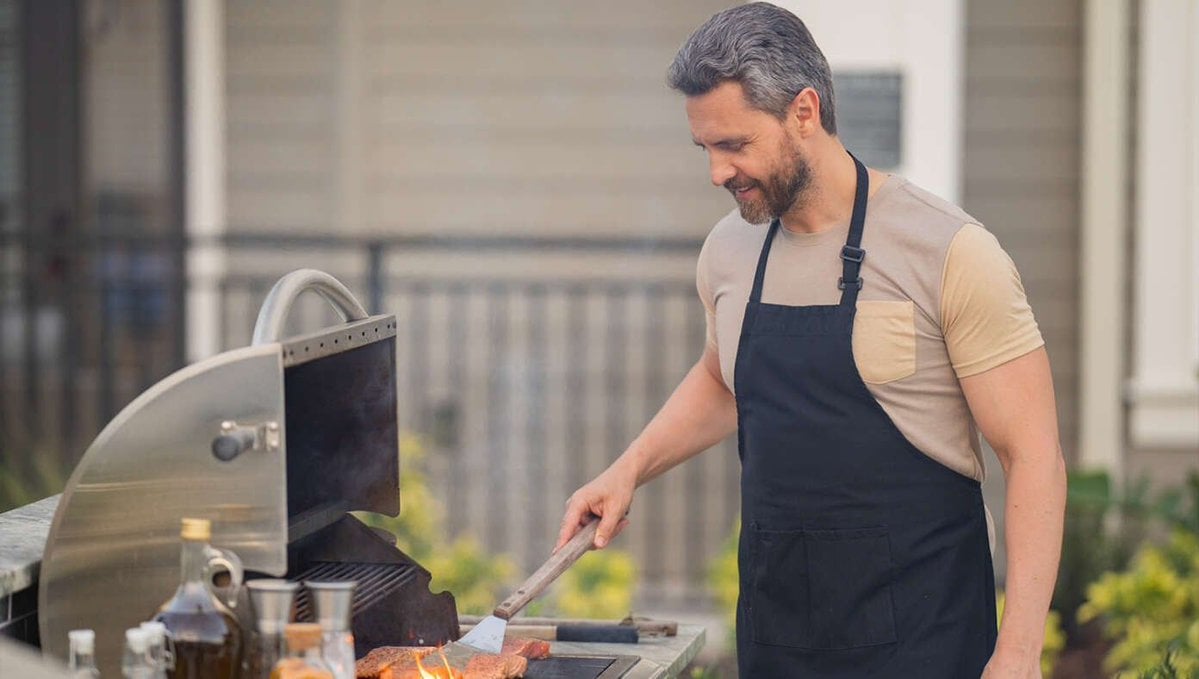
For many Americans, especially during summer holidays and football weekends, grilling has become a ritual deeply tied to identity, tradition, and social status. Backyard barbecues are treated almost like ceremonies where the grill operator temporarily transforms into a neighborhood authority figure.
Suddenly the person holding metal tongs commands attention.
Friends gather around offering unnecessary advice. Children run through sprinklers nearby. Someone opens a cooler filled with drinks. Music plays in the background. Smoke rises into the evening air while one person stands over open flames pretending absolute confidence.
That confidence is part of the performance.
The viral satire became popular because it humorously suggested that beneath all the swagger and grilling accessories, many people are mostly improvising.
And for countless readers, that felt surprisingly accurate.
The Great Illusion Of Grill Expertise
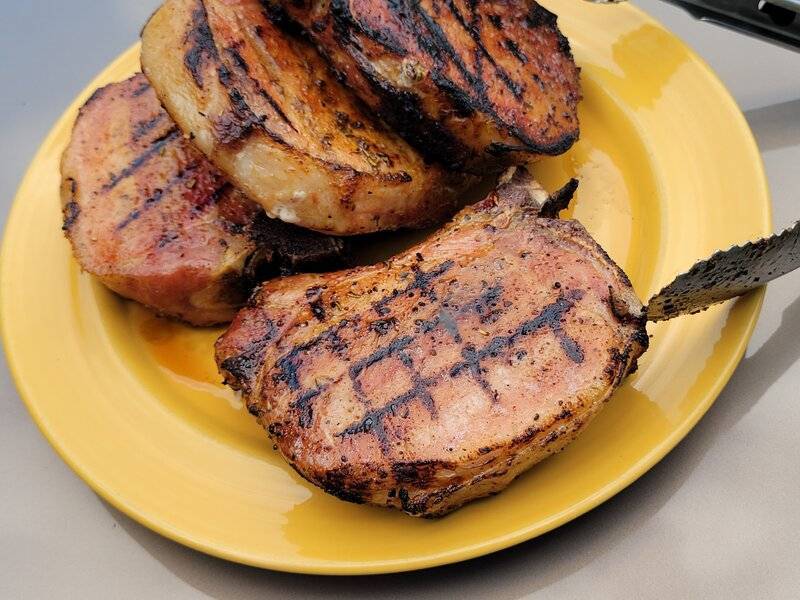
One of the funniest elements of the story was its claim that men purchase huge amounts of grilling equipment specifically to maintain the illusion that they know what they are doing.
The joke struck a nerve because modern grilling culture has become heavily commercialized.
Today’s barbecue enthusiasts can buy digital thermometers, infrared burners, pellet smokers, cast iron presses, cedar planks, meat injectors, rotating skewers, smoke tubes, wireless temperature apps, and custom spice collections costing hundreds or even thousands of dollars.
Social media has amplified this even further. Platforms are flooded with videos of dramatic slow-motion steak flips, perfectly sliced brisket, and barbecue influencers explaining advanced cooking techniques using highly technical language.
But behind the spectacle, many ordinary grillers still rely heavily on guesswork.
People online joked that grilling often consists of repeatedly asking questions like:
“Does this look done to you?”
“How long was it on this side?”
“Is chicken supposed to look like that?”
“Maybe move it away from the hot spot.”
The humor worked because it exposed how much confidence often masks uncertainty.
Why Grilling Feels So Personal To Men
Part of the reason the joke spread so widely is because grilling occupies a unique place in male culture.
Cooking indoors has historically been associated with domestic responsibility. Grilling outdoors, however, has often been framed differently in American culture. It is treated almost like a performance of ruggedness, control, and independence.
Standing over fire, smoke, and meat carries symbolic weight.
For decades, advertising reinforced this image. Commercials portrayed grilling as masculine, adventurous, and instinctual. Men were encouraged to believe they possessed some natural connection to open-flame cooking.
The satire cleverly challenged that mythology.
Instead of fearless meat experts, the fictional study portrayed grillers as confused optimists randomly shifting hot dogs around while trying not to burn everything.
That contrast made the humor instantly relatable.
The Internet Recognized The Truth Immediately
Social media reactions exploded because people instantly connected the satire to real-life experiences.
Many users admitted the article described them perfectly.
Others joked about fathers who refused help while simultaneously having no actual plan. Some women responded that their husbands spent six hours “monitoring” meat that could have been cooked in twenty minutes indoors.
Countless commenters shared stories of barbecue disasters involving raw chicken, burnt burgers, flare-ups, and meat cooked so unevenly that every bite contained a different texture.
But even while laughing at the chaos, many people also defended the emotional importance of grilling.
Because for many families, barbecue is not really about culinary perfection.
It is about gathering together.
Why People Love The Chaos Anyway
One reason grilling remains so beloved despite its unpredictability is because the imperfections are part of the experience.
Outdoor cooking creates atmosphere.
The waiting becomes social time. People talk, joke, snack, and relax while food slowly cooks in the background. Even minor disasters become memorable stories retold at future gatherings.
Unlike restaurant dining, backyard grilling feels messy, human, and communal.
Children steal chips before dinner. Someone accidentally drops buns on the ground. Smoke blows directly into people’s faces. One burger inevitably becomes charcoal while another remains suspiciously pink.
And somehow, everyone still enjoys themselves.
The satire captured this beautifully by suggesting that much of grilling culture operates on hope rather than precision.
Experts Say Grilling Really Is Difficult
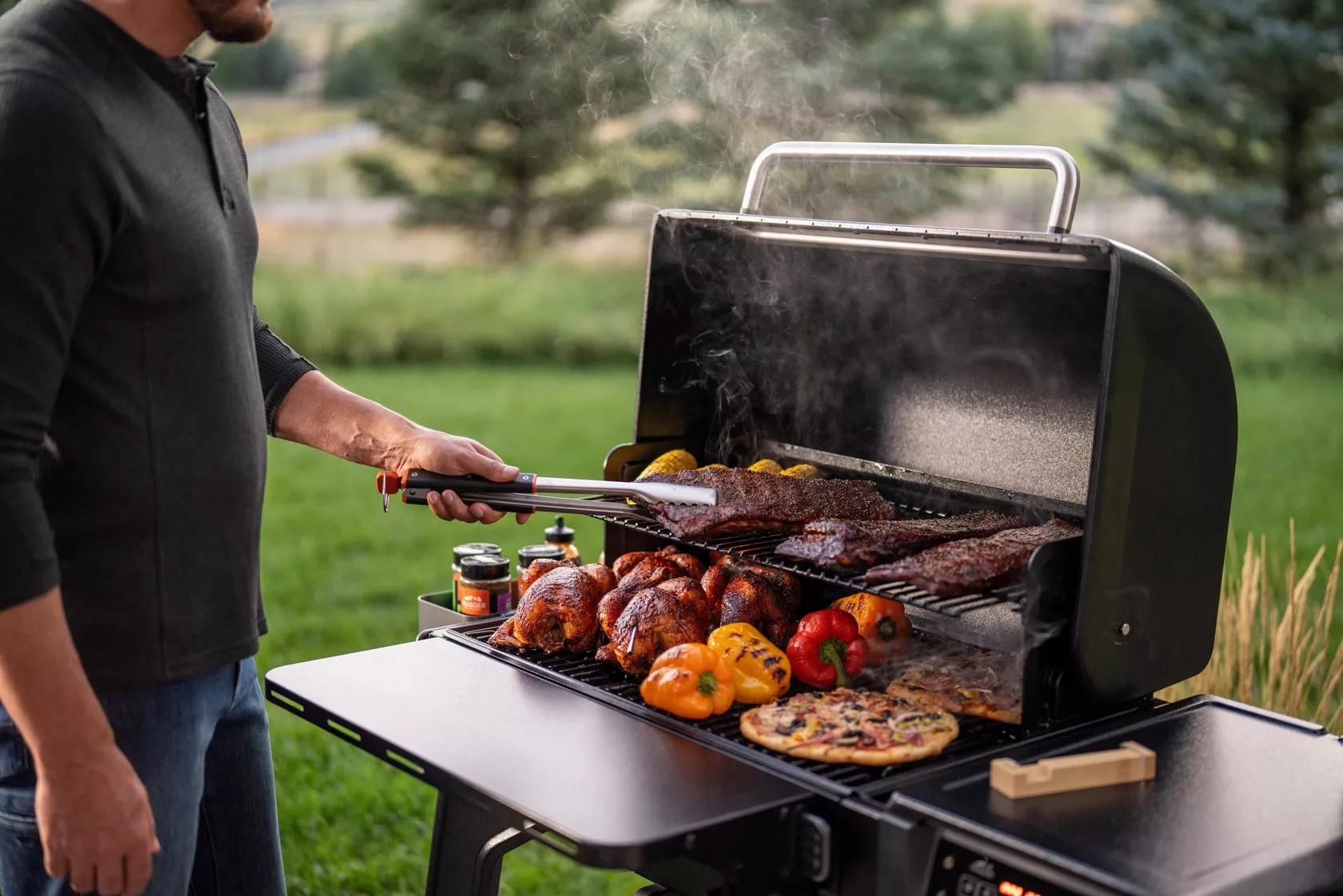
Although the viral story was fictional, real cooking experts acknowledge that grilling can genuinely be challenging.
Unlike indoor cooking, outdoor grilling involves constantly changing variables.
Wind direction affects heat. Charcoal burns unevenly. Gas grills develop hot spots. Meat thickness varies. Humidity changes cooking speed. Different cuts require completely different techniques.
Even experienced chefs admit that outdoor cooking often requires instinct and improvisation.
That reality made the parody even more believable.
Because while expert grillers certainly exist, casual backyard barbecue often involves adapting in real time while pretending everything is completely under control.
The Masculinity Performance Of The Backyard Grill
The article also tapped into a broader conversation about how men sometimes perform confidence socially even when uncertain internally.
The grill becomes a stage where confidence matters almost as much as competence.
The person grilling is expected to appear calm, focused, and authoritative. Even if smoke erupts unexpectedly or food cooks unevenly, the griller usually maintains the performance.
People online joked that men would rather accidentally incinerate ribs than admit they need instructions.
That performance extends beyond grilling itself.
The satire’s final joke about men not understanding toilets reflected a larger cultural stereotype that many men improvise repairs, tools, or mechanical tasks while hoping confidence alone carries them through.
Why Satire Like This Goes Viral
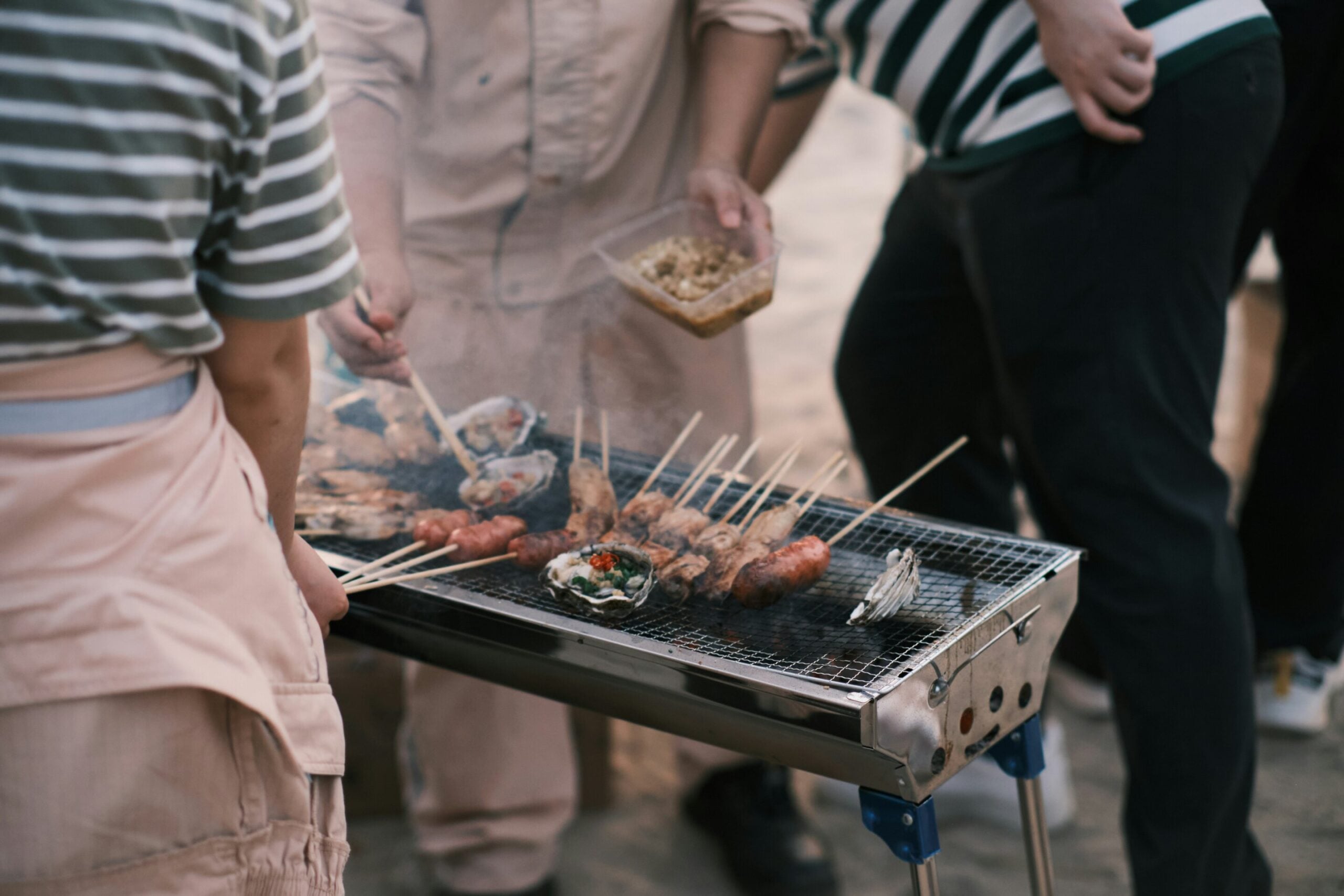
The story spread rapidly because it used exaggeration to highlight recognizable human behavior.
Great satire works when audiences laugh first and then realize there is partial truth hidden inside the joke.
The fictional “study” claimed every man grilling was clueless, which is obviously untrue. But most readers recognized moments of uncertainty from their own experiences.
The humor also remained relatively harmless and universal. It poked fun at behavior without becoming cruel or divisive.
In an online environment often dominated by outrage and political conflict, lighthearted satire about barbecue culture felt refreshing to many readers.
Grilling Culture Is Bigger Than Food
Backyard grilling has become deeply woven into American identity.
It appears during Memorial Day weekends, Fourth of July celebrations, birthday parties, tailgates, and neighborhood gatherings. Entire industries revolve around barbecue products, outdoor kitchens, smokers, and grilling competitions.
Cooking outdoors represents freedom, relaxation, and social connection.
That emotional significance explains why people care so deeply about grilling despite its simplicity.
It also explains why so many people found the satire emotionally accurate.
Because even when grillers do not fully know what they are doing, they often care deeply about the experience they are creating for others.
The Rise Of Barbecue As Entertainment
In recent years, grilling has transformed into a form of entertainment content online.
YouTube channels, TikTok creators, and Instagram influencers have turned barbecue into visual spectacle. Millions watch videos of giant briskets being sliced, steaks sizzling over fire, and smokers producing clouds of dramatic smoke.
Some creators genuinely possess extraordinary culinary skill.
But the viral satire humorously reminded audiences that everyday backyard grilling often looks far less polished in reality.
Most people are not operating industrial smokers with scientific precision.
They are sweating beside uneven flames while trying not to ruin dinner in front of guests.
Why People Secretly Love Imperfect Cooking
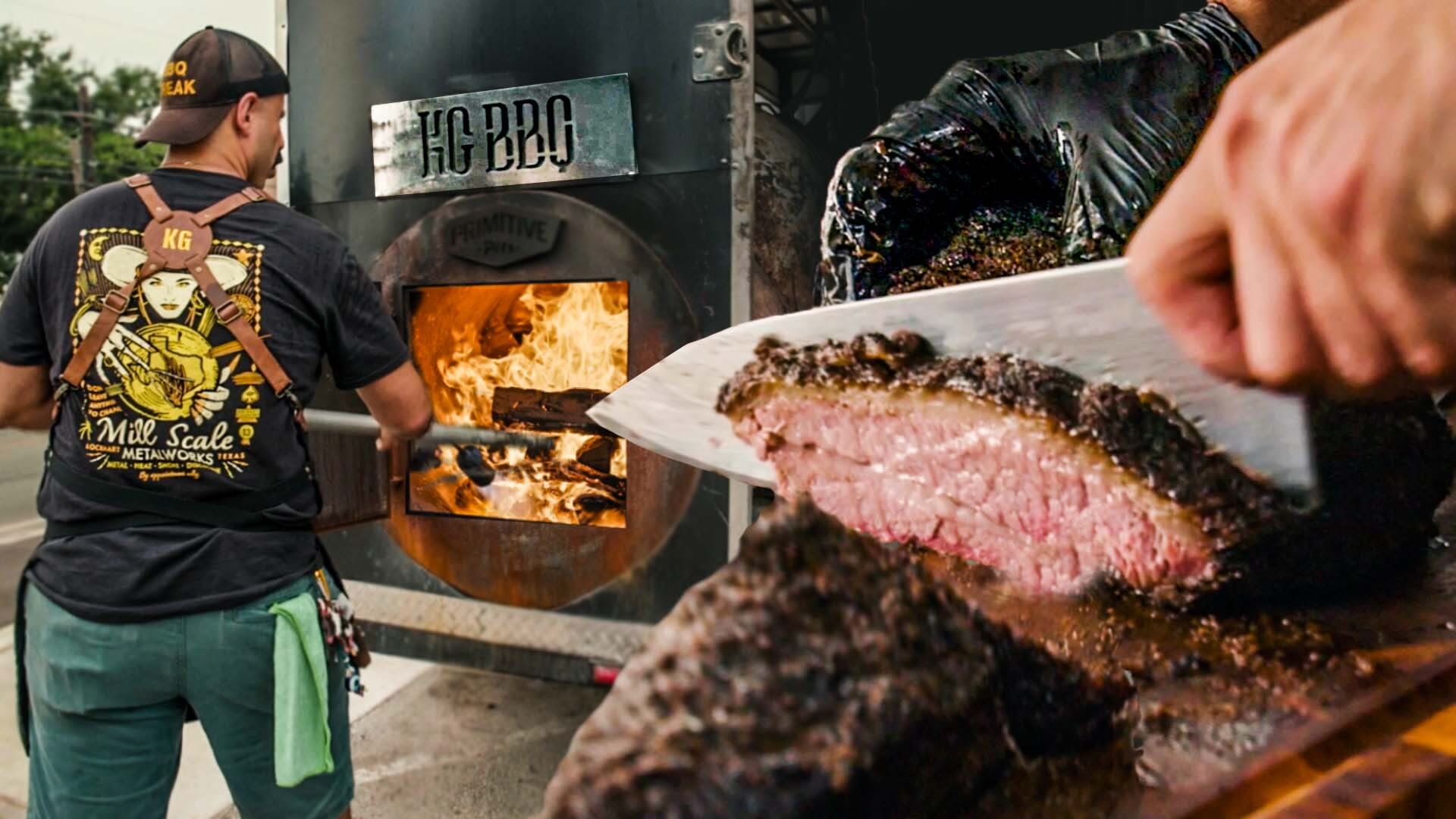
Part of the charm of grilling comes from its unpredictability.
Perfect restaurant food can feel distant and manufactured. Backyard barbecue feels alive.
Every cookout develops its own personality. Some produce legendary meals. Others create funny disasters remembered for years.
That emotional authenticity matters more than technical perfection for many families.
The satire unintentionally highlighted something meaningful. Even when people are improvising, they are still trying to create joy, connection, and memories.
The Study Was Fake But The Reactions Were Real
The original story was clearly comedic satire, not an actual scientific study.
But the emotional response revealed how strongly people connected with its central idea.
Readers laughed because they recognized the universal human tendency to pretend confidence while improvising behind the scenes.
And nowhere is that performance more visible than beside a smoking backyard grill filled with meat of uncertain doneness.
What The Viral Joke Says About Modern Life
The popularity of the article may also reflect something deeper about modern culture.
Many people today feel pressure to appear knowledgeable, skilled, and in control even when they are figuring things out as they go.
Social media intensifies that pressure by rewarding polished appearances and confident performances.
The grilling satire humorously exposed the reality underneath. Sometimes people are just trying their best while hoping nobody notices the uncertainty.
That honesty felt comforting to many readers.
Why Backyard Barbecue Still Matters
Despite all the jokes, grilling remains one of the most beloved social traditions in America.
Not because every steak is perfect.
Not because every burger is expertly seasoned.
But because grilling creates moments where people gather together away from screens and routines.
Families laugh. Friends reconnect. Neighbors share food. Stories get told. Memories form.
Even if the person operating the grill is secretly just moving meat around and hoping for the best, the experience still works.
And maybe that is exactly why the joke resonated so strongly.
Because beneath the smoke, the tongs, and the exaggerated confidence, most people recognized something surprisingly human.
Sometimes life itself feels a little like backyard grilling.
You keep adjusting things, pretending you know the plan, and hoping everything somehow turns out okay in the end.