
Table of Contents
- A Random Encounter That Changed Everything
- The Message That Shocked Him
- Why The Story Spread Across The Internet
- Why So Many People Related To The Situation
- The Modern Fear Of Being Scammed
- Why The Amount Captured Global Attention
- Dubai’s Reputation Added To The Fascination
- Why Human Kindness Stories Matter Online
- The Psychological Impact Of Unexpected Generosity
- Why Viral Stories About Karma Never Disappear
- Social Media Reacted With Humor And Skepticism
- The Risks Of Helping Strangers
- Why The Story Still Resonates Years Later
- The Internet’s Obsession With “What If”
- Why Generosity Still Feels Revolutionary
- A Reminder That Not Every Stranger Is Dangerous
- The Emotional Legacy Of The Story
A Random Encounter That Changed Everything
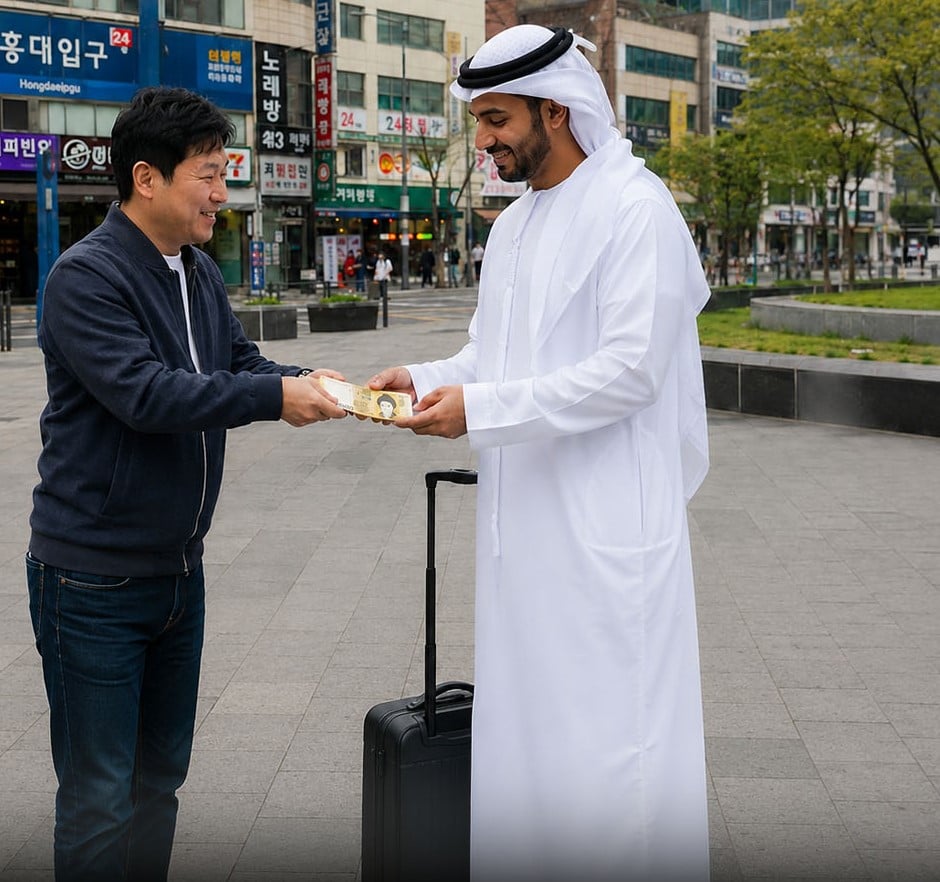
According to the original online posts, the Dubai tourist appeared desperate and embarrassed when asking for assistance.
Travel emergencies are not uncommon. Losing access to money, identification, and communication devices in a foreign country can instantly turn a vacation or business trip into a nightmare. The South Korean man reportedly listened carefully to the tourist’s explanation before deciding to lend him 300,000 won, which was approximately S$351 at the time.
The tourist also asked for contact information before leaving.
At that point, the South Korean man apparently assumed the money was gone forever. Stories involving strangers borrowing money often end badly, especially online where scam warnings spread constantly across social media.
But about a week later, something completely unexpected happened.
The Message That Shocked Him

The Dubai tourist contacted the South Korean man again.
This time, he was not asking for more help. Instead, he wanted bank account details so he could repay the money that had been lent to him during his emergency.
Even then, the South Korean man reportedly did not expect anything extraordinary. Most people would have simply hoped to recover the original amount they had given away.
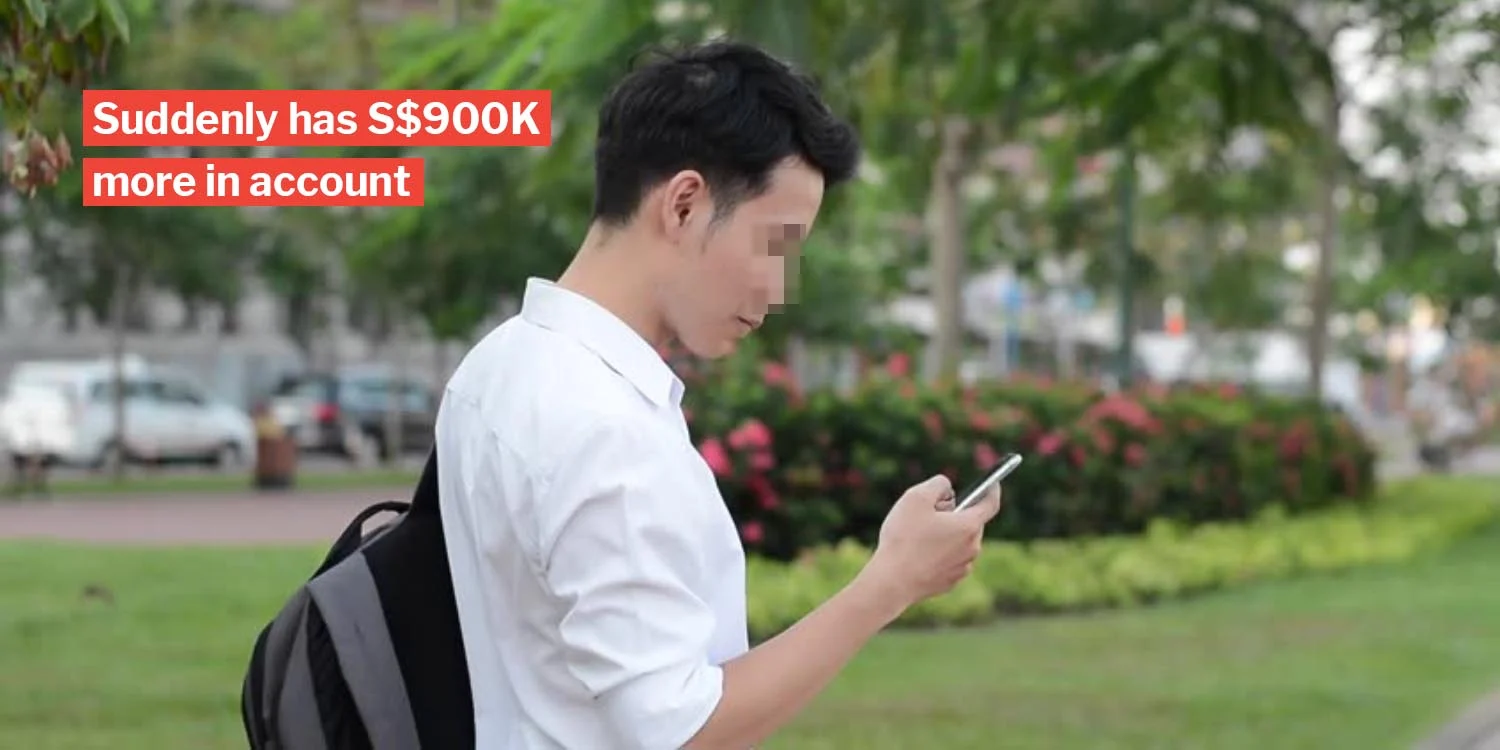
But after checking his bank account, he allegedly discovered that nearly 890 million won had been deposited.
The amount translated to almost S$1 million.
The shocking transfer instantly transformed the story from a simple tale of kindness into an international viral sensation.
Why The Story Spread Across The Internet
The internet loves stories that restore faith in humanity.
In a digital world often dominated by scams, outrage, and negativity, stories involving unexpected kindness frequently spread rapidly because people want to believe generosity still matters.
This story contained all the ingredients necessary for viral attention.
There was a struggling tourist in a foreign country. A stranger willing to help despite risks. A massive financial reward. And finally, the emotional idea that one small act of kindness could unexpectedly change someone’s life forever.
People online reacted with disbelief and fascination.
Some joked about immediately wanting to help stranded Dubai tourists themselves. Others wondered whether the story was entirely true because of how unbelievable the amount sounded. Many simply described the event as something out of a movie.
Why So Many People Related To The Situation
What made the story especially compelling was how ordinary the original decision seemed.
The South Korean man was not portrayed as wealthy or powerful. He was simply someone who encountered another human being in distress and made a quick moral choice.
That simplicity made readers imagine themselves in the same position.
Would they have helped?
Would they have assumed it was a scam?
Would fear or skepticism have prevented them from offering assistance?
The story quietly challenged people to reflect on how modern society has changed the way strangers view each other.
The Modern Fear Of Being Scammed
One major reason the story became so widely discussed is because many people today are deeply cautious when approached by strangers asking for money.
Online scams, identity fraud, fake emergencies, and emotional manipulation have become extremely common around the world. As a result, many people instinctively distrust unexpected requests for help.
The comments surrounding the story reflected that tension.
While some celebrated the South Korean man’s generosity, others warned that most situations do not end with million-dollar rewards. Many pointed out that scammers frequently use stories involving lost wallets, broken phones, or emergency travel situations to manipulate strangers.
That skepticism is understandable.
Modern life has conditioned people to protect themselves emotionally and financially.
Yet the viral story stood out precisely because someone chose trust anyway.
Why The Amount Captured Global Attention

The enormous repayment amount transformed the story into global news.
If the tourist had simply returned the original S$351, the story would likely never have gone viral. What fascinated readers was the almost fairy-tale nature of the outcome.
A small act of kindness had apparently multiplied into life-changing wealth.
That dramatic contrast triggered emotional reactions online because it tapped into universal fantasies about luck, karma, and unexpected fortune.
People naturally love stories where good deeds receive extraordinary rewards.
Whether through fate, coincidence, or gratitude, the idea feels emotionally satisfying.
Dubai’s Reputation Added To The Fascination
Part of the story’s viral power also came from the involvement of a tourist from Dubai.
Dubai has become globally associated with luxury, wealth, skyscrapers, exotic cars, and billionaire lifestyles. That reputation influenced how readers interpreted the story.
Many people joked that the tourist may have viewed S$1 million the same way ordinary people view a modest thank-you gift.
Others imagined the mysterious tourist as some wealthy businessman rewarding honesty and kindness.
Although few details were publicly verified about the individual, the association with Dubai intensified the sense of mystery and extravagance surrounding the story.
Why Human Kindness Stories Matter Online

Positive viral stories often spread because they provide emotional relief from constant negative headlines.
News cycles frequently focus on disasters, crime, conflict, corruption, and political division. Stories about generosity feel emotionally refreshing by comparison.
This particular story offered something especially powerful.
It suggested that helping strangers still matters.
Not necessarily because people expect financial rewards, but because moments of trust between strangers still exist in a world increasingly dominated by suspicion.
Readers emotionally connected with that idea.
The Psychological Impact Of Unexpected Generosity
Researchers studying human behavior often note that unexpected generosity creates strong emotional responses because it disrupts assumptions about how people normally behave.
Most people expect strangers to act selfishly.
When someone behaves compassionately without immediate personal gain, it stands out sharply against those expectations.
The South Korean man reportedly helped the tourist without demanding guarantees, contracts, or proof.
That act alone felt unusual enough to attract attention.
The massive repayment simply amplified the emotional impact exponentially.
Why Viral Stories About Karma Never Disappear

Stories involving kindness rewarded by fortune have existed for centuries across cultures worldwide.
Folktales, religious teachings, movies, and literature frequently explore themes where compassion eventually returns to benefit the giver.
Modern viral stories often function similarly.
They provide emotional reassurance that goodness still has value even in cynical environments.
Whether entirely factual, partially embellished, or emotionally exaggerated through social media retelling, stories like this resonate because they satisfy deep psychological desires for justice and hope.
People want to believe the world occasionally rewards kindness.
Social Media Reacted With Humor And Skepticism
Online reactions ranged from heartfelt admiration to playful sarcasm.
Some users joked about searching airports for stranded tourists from wealthy countries. Others teased that they would immediately start carrying extra cash in case they encountered similar opportunities.
At the same time, many commenters warned readers not to blindly trust strangers asking for money.
That balance between optimism and caution became part of the story’s broader discussion.
People recognized the emotional beauty of the event while also acknowledging that reality is usually more complicated.
The Risks Of Helping Strangers
Despite the happy ending, the story also sparked conversations about personal safety and financial risk.
Helping strangers always involves uncertainty.
There is no guarantee of honesty, repayment, or gratitude. Many people who lend money to strangers never recover it. Others become victims of manipulation or fraud.
That reality made the South Korean man’s decision feel unusually brave in hindsight.
He reportedly acted without expectation of reward.
Ironically, that lack of expectation may be exactly what made the story feel so emotionally genuine.
Why The Story Still Resonates Years Later
Even years after the original incident, the story continues circulating online because it combines emotional simplicity with dramatic surprise.
At its core, it is about one person choosing compassion over suspicion.
Everything else flows from that moment.
The million-dollar twist grabs attention, but the emotional foundation of the story remains the small act itself. Without the initial kindness, there would be no viral ending.
That structure mirrors many enduring human-interest stories throughout history.
The Internet’s Obsession With “What If”
Part of the fascination also comes from imagination.
Readers naturally ask themselves:
“What would I do with that money?”
“Would I have helped?”
“What if random acts of kindness really could change your life?”
Those questions make the story personally engaging rather than merely entertaining.
People mentally place themselves into the narrative.
Why Generosity Still Feels Revolutionary

In many ways, the story reflects how unusual simple generosity now feels in highly transactional societies.
Modern interactions are often shaped by caution, efficiency, and self-interest. Helping strangers financially can feel risky, irrational, or naive.
That is why stories like this generate such emotional reactions.
They temporarily challenge the belief that people only act for personal benefit.
The South Korean man reportedly expected nothing in return.
That detail mattered more emotionally than the million-dollar ending itself.
A Reminder That Not Every Stranger Is Dangerous
While caution remains important, the story also highlighted something many people quietly miss about human interaction.
Not every stranger represents danger.
Not every request for help is manipulation.
Sometimes people genuinely need assistance.
That message resonated strongly because many societies have become increasingly isolated and distrustful.
Stories like this briefly reopen the possibility that human connection and trust still matter.
The Emotional Legacy Of The Story
Whether readers viewed the event as miraculous luck, karmic justice, or simply an extraordinary coincidence, the emotional impact remained powerful.
The story reminded millions of people that even small acts of kindness can leave lasting consequences far beyond what anyone expects.
Most good deeds do not lead to million-dollar bank deposits.
But perhaps that is not really the point.
The deeper reason this story continues to resonate is because it captures a fantasy many people desperately want to believe.
That kindness still matters.
That generosity still exists.
And that sometimes, in rare and extraordinary moments, the world surprises people who choose compassion when they could have walked away instead.