
Table of Contents
- When Donald Trump’s Map Post Sent Global Shockwaves
- Why Trump’s Map Post Became Instant Global Headline News
- The Symbolism of the US Flag Stretching Across the Region
- How US Iran Negotiations Reached a Stalemate
- The Strategic Importance of the Strait of Hormuz
- Military Moves and Naval Presence That May Underlie the Imagery
- Regional Alliances and the Broader Balance of Power
- The Role of Nuclear Issues and Sanctions Relief
- What Analysts Are Saying About Trump’s Message and the Future
- What Happens Next and Why the World Should Care
- Conclusion A Region at Crossroads
When Donald Trump’s Map Post Sent Global Shockwaves
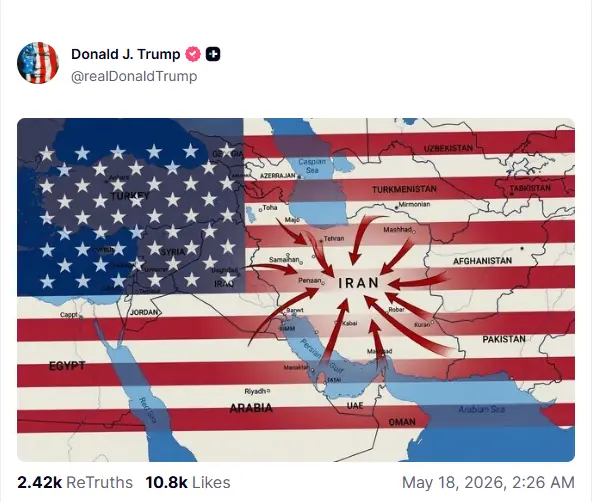
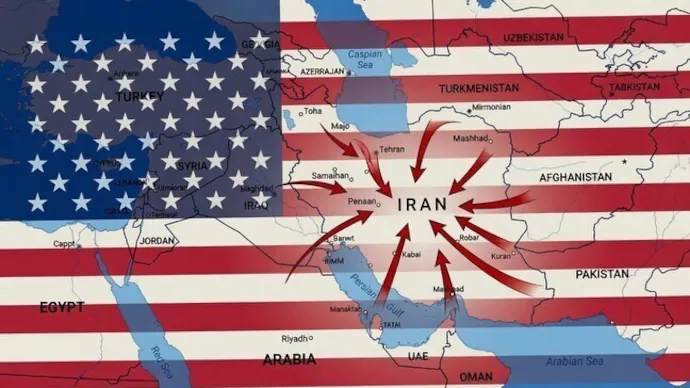
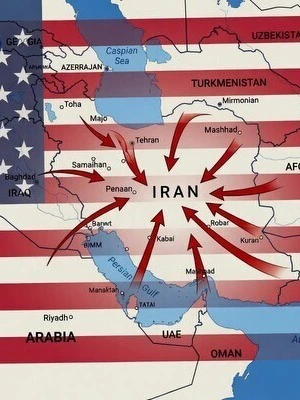
When former US President Donald Trump shared an enigmatic Middle East map on Truth Social with a dramatic US flag backdrop and arrows directed at Iran the world took notice. The post contained no caption yet its timing and imagery were impossible to ignore. It came at a moment when diplomatic negotiations between Washington and Tehran had stalled and fears of renewed conflict were rising.
With each arrow seemingly pointing pressure toward Iran from multiple directions the graphic immediately fueled speculation and debate among policymakers analysts and global audiences. This was more than a social media post. It seemed to telegraph a stance in a fraught regional crisis that involves nuclear disputes stalled diplomacy economic sanctions and a strategically vital waterway that could spark wider confrontation.
Here we unpack the context the symbolism the stalled talks the role of strategic geography and what this unusual visual post might mean for a region already on edge.
Why Trump’s Map Post Became Instant Global Headline News
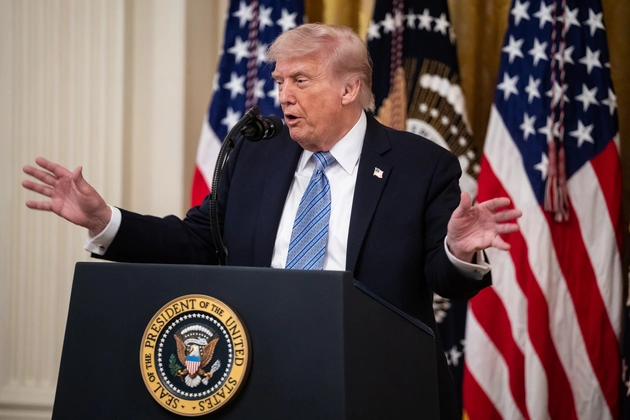
In the absence of text the map’s symbolic impact became its message. Against the backdrop of an American flag draped over the Middle East several bold arrows appeared to converge on Iran as if spotlighting increasing pressure on Tehran from multiple fronts.
Geopolitical observers quickly interpreted it as representing US military naval deployments economic sanctions and diplomatic isolation. The timing was significant: both Washington and Tehran had recently rejected each other’s proposals aimed at breaking a deadlock in negotiations about nuclear restrictions sanctions relief and compensation tied to months of conflict.
The post arrived amid escalating rhetoric on both sides including warnings from Trump that failure to strike a deal could lead to catastrophic outcomes for Iran and the wider region. Within hours international news organizations and strategists were dissecting the image’s intent implications and potential consequences.
The Symbolism of the US Flag Stretching Across the Region
Experts in Middle East geopolitics say the flag motif is hardly accidental. In visual language the United States flag draped across the entirety of the region evokes authority presence and strategic influence. It suggests that Washington sees itself as central to shaping outcomes across this vast contested landscape.
The accompanying arrows were widely interpreted as representing connected pressure points: from US naval forces in the Persian Gulf to alliances with regional partners and support for military operations in neighboring nations like Iraq and Syria. Each arrow seemed to underscore the idea that multiple strands of American leverage could converge on Iran if diplomatic efforts continued to falter.
Many analysts believe the choice to use dramatic imagery reflects a belief among Trump’s advisors that conventional diplomatic messaging has so far failed to bring Tehran to the negotiating table on acceptable terms.
How US Iran Negotiations Reached a Stalemate
Behind the dramatic visuals lies a deeply complicated diplomatic story. For weeks both sides have been engaged in intermittent negotiations designed to reestablish terms for prolonging a fragile ceasefire and preventing further escalation. Yet progress has been painfully slow.
On key issues the two sides remain far apart. The United States has demanded that Iran surrender large quantities of enriched uranium restrict its nuclear infrastructure and abandon demands for extensive war compensation before any broader settlement is reached. Tehran has counteroffered by insisting on sanctions relief compensation for damages and formal international recognition of its control over the Strait of Hormuz.
Neither party has been able to reconcile these demands and each has publicly criticized the other’s proposals. Trump’s own comments in recent days calling the ceasefire as having “only a one percent chance of surviving” underscored how precarious the diplomatic path has become. With trust fraying the possibility of talks collapsing entirely has grown more real.
The Strategic Importance of the Strait of Hormuz
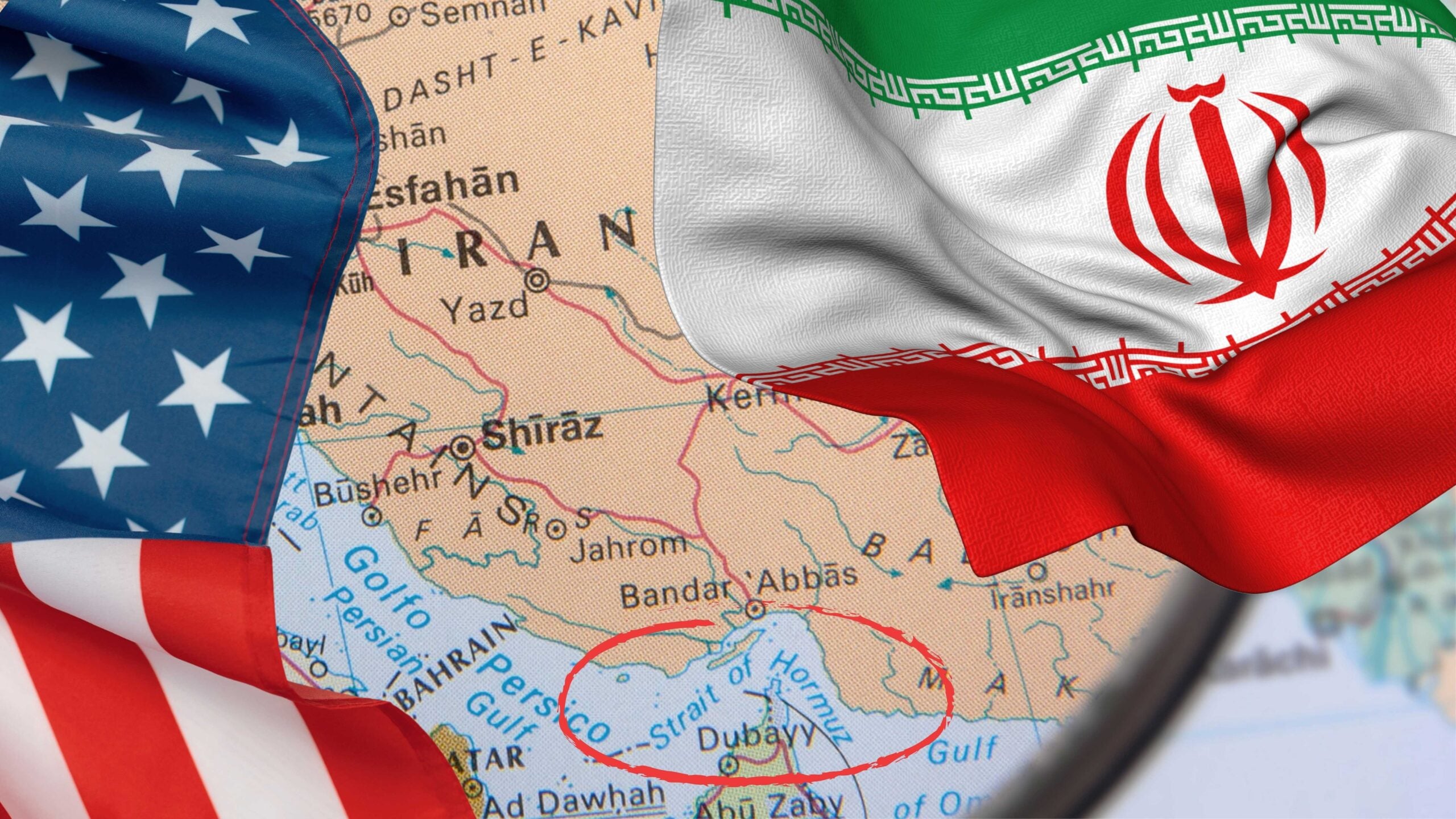
At the heart of rising tensions lies one of the world’s most critical maritime chokepoints: the Strait of Hormuz. This narrow waterway between Iran and Oman sees a significant percentage of the world’s oil shipments pass through it daily. Any disruption could send shockwaves through global energy markets and intensify international security concerns.
Iran’s leverage over the strait has become a focal point in the standoff. Tehran has signaled it would use control over the waterway as a bargaining chip in negotiations while also warning that threats to its security or economic stability could prompt closure or restrictions on passage.
The United States and its allies have long maintained that freedom of navigation through the strait is nonnegotiable. Any attempt by Iran to assert total control could provoke direct military responses and dramatically raise the risk of wider conflict.
Against this backdrop Trump’s map post with arrows seeming to point toward Iran appeared to signal that Washington is prepared to contest Tehran’s efforts to wield leverage over this vital international artery.
In recent months both the United States and its allies have increased their military presence in the region. Reports indicate that additional naval assets including aircraft carriers and guided missile destroyers have been redeployed to areas near the Persian Gulf.
These movements are accompanied by heightened readiness levels among troops stationed in Iraq Syria and other neighboring countries. This buildup has been framed by US officials as defensive in nature and designed to ensure stability and protect key infrastructure.
Yet from Tehran’s perspective these deployments are seen as pressure tactics contributing to an atmosphere of intimidation. The arrows in the map shared by Trump could be interpreted as referencing these deployments and the growing posture of containment around Iran.
Even if the post was intended as a message rather than a policy announcement it reflects the reality that military tools remain central to the calculus around US Iran tensions.
Regional Alliances and the Broader Balance of Power
Another reason Trump’s map post captured global attention is its implicit reference to the network of regional alliances that play a crucial role in any outcome. The United States maintains partnerships with countries such as Saudi Arabia the United Arab Emirates Israel and others that share concerns about Iran’s nuclear ambitions and military influence.
These alliances provide logistical support intelligence cooperation and in some cases joint military operations. As negotiations stalled conversations among these partners have reportedly grown more candid about planning scenarios independent of diplomatic success.
In essence the map with arrows might be seen not only as pressuring Tehran but as reassuring partners that Washington remains committed to countering what many in the region view as an assertive Iran.
The visual language suggests a tightening net rather than a thawing diplomatic atmosphere.
The Role of Nuclear Issues and Sanctions Relief
At the heart of diplomatic disagreements are nuclear program constraints and sanctions relief. For years international pressure has focused on limiting Iran’s capacity to enrich uranium to weapons grade and dismantling parts of its nuclear infrastructure seen as dual‑use.
In exchange many nations including some US allies have supported easing economic sanctions that have crippled Iran’s economy. Negotiators hoped that a fresh deal would both curb nuclear risks and provide Tehran with breathing room economically.
However these talks have faltered. The United States’ insistence on both stringent nuclear restrictions and the removal of compensation demands from Iran has been met with firm refusal. Tehran’s counter demands on sanctions relief and legal recognition of its control over key strategic assets have been equally steadfast.
As this impasse persists it raises questions about whether negotiations can resume or whether both sides are now setting the stage for more confrontational outcomes.
What Analysts Are Saying About Trump’s Message and the Future
Political and strategic analysts around the world have been dissecting Trump’s map post for deeper meaning. Some see it as a warning shot setting expectations that the United States will not back down without substantial gains from diplomacy. Others view it as an attempt to rally domestic audiences by portraying strength on foreign policy.
Whatever the intent the visual struck a chord. It tapped into broader fears that stalled diplomacy and aggressive rhetoric could spark miscalculations. Even within the United States there are debates among foreign policy experts about whether pressure or engagement offers the best path to de‑escalation.
Amid all this uncertainty Iran itself has made clear that it views US actions and imagery as evidence of hostile intent. Iranian officials have responded to Trump’s rhetoric with their own harsh warnings suggesting that escalation “will be met with equal force.”
This tit‑for‑tat public messaging raises the risk that behind‑the‑scenes diplomacy may be further undermined by public posturing on both sides.
What Happens Next and Why the World Should Care
The crisis around US Iran relations carries implications far beyond Tehran and Washington. A renewed conflict could disrupt global energy markets through interference in the Strait of Hormuz trigger broader military entanglements across the Middle East and strain relationships among NATO partners and regional powers.
Global markets have already begun responding to rising tensions with increases in oil prices and investor caution. Humanitarian organizations worry that escalation might further destabilize areas already suffering from conflict and displacement.
At the same time diplomatic efforts led by third parties such as Pakistan and other neutral actors continue even if progress remains elusive. Many nations are urging restraint and renewed talks while quietly preparing for the consequences of a breakdown in diplomacy.
Whether Trump’s map signals a deliberate policy pivot or a dramatic piece of symbolic rhetoric remains a matter of debate. What is clear is that the stakes have never been higher for regional stability and global economic certainty.
Conclusion A Region at Crossroads
Donald Trump’s uncaptioned Truth Social map has done more than generate headlines. It has highlighted the fragility of Middle East peace efforts the complexity of stalled US Iran negotiations and the strategic importance of geography and alliances in any future conflict or resolution.
The symbolism of a flag and arrows represents far more than art. It underscores a moment of deep geopolitical tension where diplomacy is faltering and the risk of wider conflict looms. As the world watches the Strait of Hormuz and nuclear talks closely the question remains whether restraint dialogue and shared interests can prevail over confrontation.
History shows that miscalculation in this part of the world can have rapid and far reaching consequences. Whether this post was intended as a warning shot a negotiation tactic or a rallying cry the world now must grapple with its implications.