
Table of Contents
- How Virtual Reality Came to a Russian Dairy Farm
- The Connection Between Stress and Milk Production
- What Happened When Cows Entered Virtual Reality
- How Virtual Reality Could Alter Traditional Farming
- The Science Behind Sensory Perception in Cows
- Public Reaction and Media Sensation
- Comparing VR Farming With Other Innovations
- What the Long Term Study Could Reveal
- Ethical Conversations Around Technological Farming
- What This Means for the Future of Agriculture
- Conclusion
How Virtual Reality Came to a Russian Dairy Farm
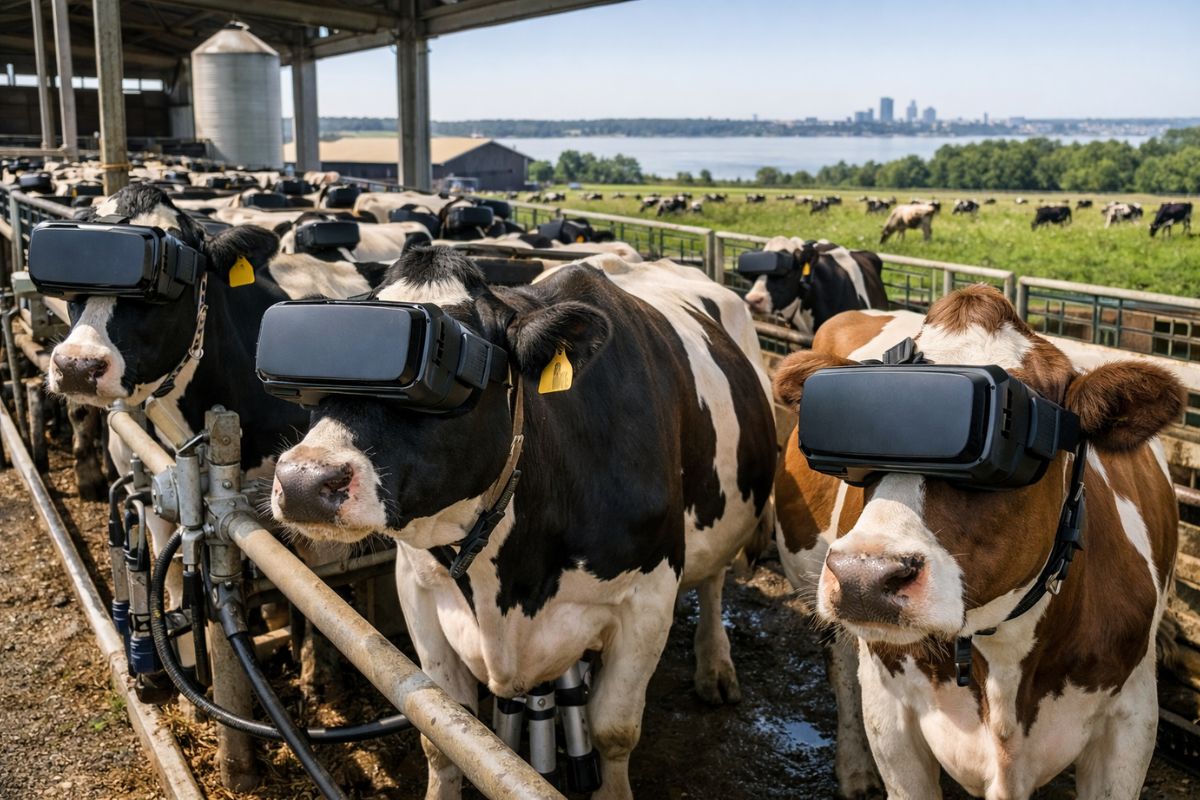
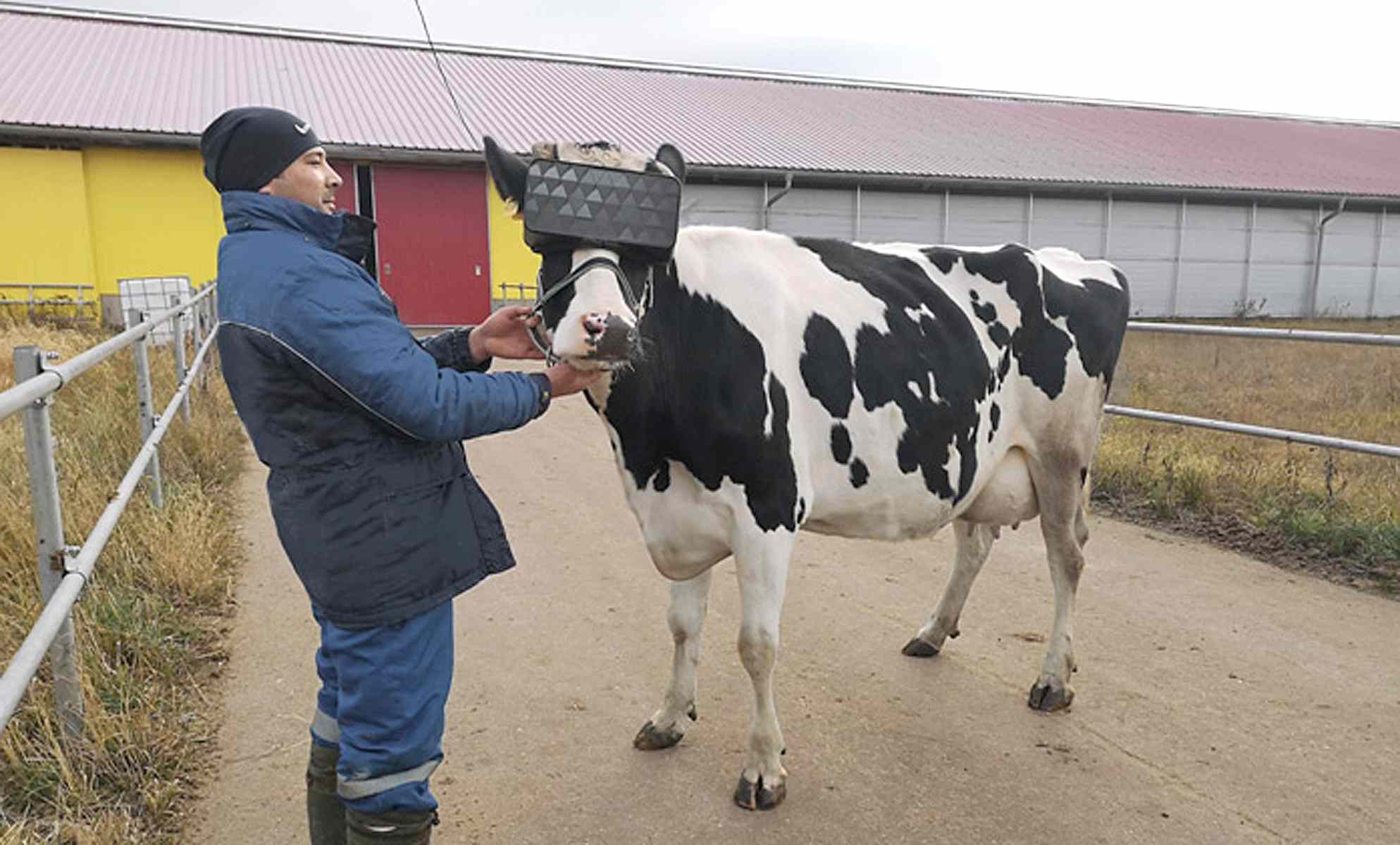
The VR headset project took place at the RusMoloko farm in the Ramensky district just outside Moscow. According to the Ministry of Agriculture and Food the experiment was part of ongoing efforts to improve conditions for livestock and explore new methods to reduce stress in animals housed in confined environments. RusMoloko is one of Russia’s large dairy producers and the ministry said it hoped the pilot would provide data on whether immersive visual stimulation could change the emotional state of cows.
The headsets themselves were specially modified to fit bovine head shapes. Engineers and animal behavior specialists worked together to adapt existing virtual reality technology originally designed for humans so that it could be worn comfortably by cows. Straps were adjusted and cushioning added to accommodate the broad muzzles and large skull structures of dairy cattle. The VR programs were likewise customized not only for cows’ visual perception but also to avoid overstimulation and to sync with what scientists believe might be calming visual cues for bovines.
Rather than presenting random or abstract graphics the VR system simulated scenes that animals might find familiar and serene: wide open summer fields lush green grass roaming herdmates gentle blue skies and slow moving clouds. Though humans wearing VR might experience motion sickness those issues were reportedly not a concern for the cows because the programs were designed as tranquil environments without rapid movement or jarring transitions.
The Connection Between Stress and Milk Production
At the core of the Russian experiment was an important agricultural insight: a cow’s emotional state is not just an abstract concept but has measurable effects on health and productivity. Dairy farmers from many countries have long known that stress can negatively impact milk yield and quality. When cows are anxious uncomfortable or overcrowded their nervous systems produce stress hormones that can disrupt digestion immune function and ultimately reduce milk output. Quiet calm environments are often recommended to optimize production.
The Ministry of Agriculture and Food cited earlier research suggesting that cows exhibiting signs of emotional discomfort produce less milk than their calmer counterparts. Anecdotal reports from farmers in Europe and North America as well as formal studies have linked environmental stressors — such as noise poor ventilation unfamiliar handling routines or lack of grazing — to drops in daily milk yields. In more extreme cases chronic stress can even make cows more susceptible to illness which further undercuts productivity.
Officials behind the VR project believed that immersive visual stimulation of open pastures might ease anxiety by triggering familiar environmental cues that dairy animals associate with grazing and freedom. If the visual input could make a cow feel calmer even while physically confined in a barn stall the thinking went that this emotional shift might translate into physiological changes conducive to improved milk production.
What Happened When Cows Entered Virtual Reality
Initial reports from the RusMoloko farm suggested promising early results. According to the ministry the herd showed signs of a more relaxed emotional state after weeks of exposure to the virtual pastoral scenes. Some workers at the farm even described a noticeable reduction in restlessness among the cows fitted with VR headsets. Behavior that had once included frequent shifting of feet pacing or signs of agitation reportedly diminished while the animals appeared calmer and more at ease.
Farm veterinarians and technicians monitored the cows’ reactions carefully. They noted changes in heart rate breathing patterns and general demeanor that they interpreted as signs of reduced stress. While barn environments are not silent or perfectly peaceful spaces the virtual reality programs seemed to create a psychological buffer for the cows that responded well to the experience.
Milk output figures were also a focus of early evaluation. Although comprehensive scientific results are still pending long‑term analysis researchers reported that milk yields among VR‑equipped cows showed a modest increase compared to before the experiment began. Officials stressed that the results were preliminary and that a proper longitudinal study would be necessary to determine whether the trend held steady over months or across seasons.
How Virtual Reality Could Alter Traditional Farming
The implications of the Russian experiment extend beyond one farm in Moscow’s agricultural belt. If reducing stress through virtual environmental stimulation proves reliably linked to increased milk output and improved animal welfare it could trigger interest among farmers worldwide. Dairy is a massive global industry with billions of cows housed in varying conditions from open pastures to industrial scale barns. Many producers already invest heavily in environmental enrichment ventilation systems feeding regimes and animal handling protocols designed to minimize stress and improve welfare.
But the idea of using virtual reality sensory input as a tool introduces a novel dimension to livestock management. For decades farmers have used music mechanical brushes and other physical methods to soothe animals. The VR experiment suggests digital sensory environments could one day become part of the conventional toolkit.
Critics point out that the technology is expensive and raises questions about the nature of animal welfare. Is it better for a cow to see simulated pastures or to actually graze in a real field? Would widespread adoption of VR risk becoming a substitute for real environmental improvements? Supporters argue that VR systems could complement ongoing efforts to redesign barns enrich environments and provide more physically engaging spaces for animals.
The Science Behind Sensory Perception in Cows
Understanding why virtual reality might have an emotional impact on cows requires a look at animal sensory perception. Cows are social herd animals with well‑developed vision and an ability to recognize familiar surroundings and conspecifics. They are also sensitive to changes in their environment and can experience stress from novelty or unpredictability.
Scientific studies have shown that cows can distinguish colors and movement patterns and that visual cues play a role in their behavior. Visual stimulation associated with grazing fields may trigger psychological responses rooted in instincts to forage and be part of a herd on open lands. Whether virtual representations activate these instincts in the same way real environments do is a key question.
Animal behaviorists caution that virtual reality for cows is still in its infancy and requires careful interpretation. It’s not yet clear if the calming effect stems from true perception of the scenes as desirable environments or simply from distraction or reduced awareness of barn stimuli. Controlled studies comparing VR cows with control groups in similar environments are necessary to draw stronger scientific conclusions.
Public Reaction and Media Sensation
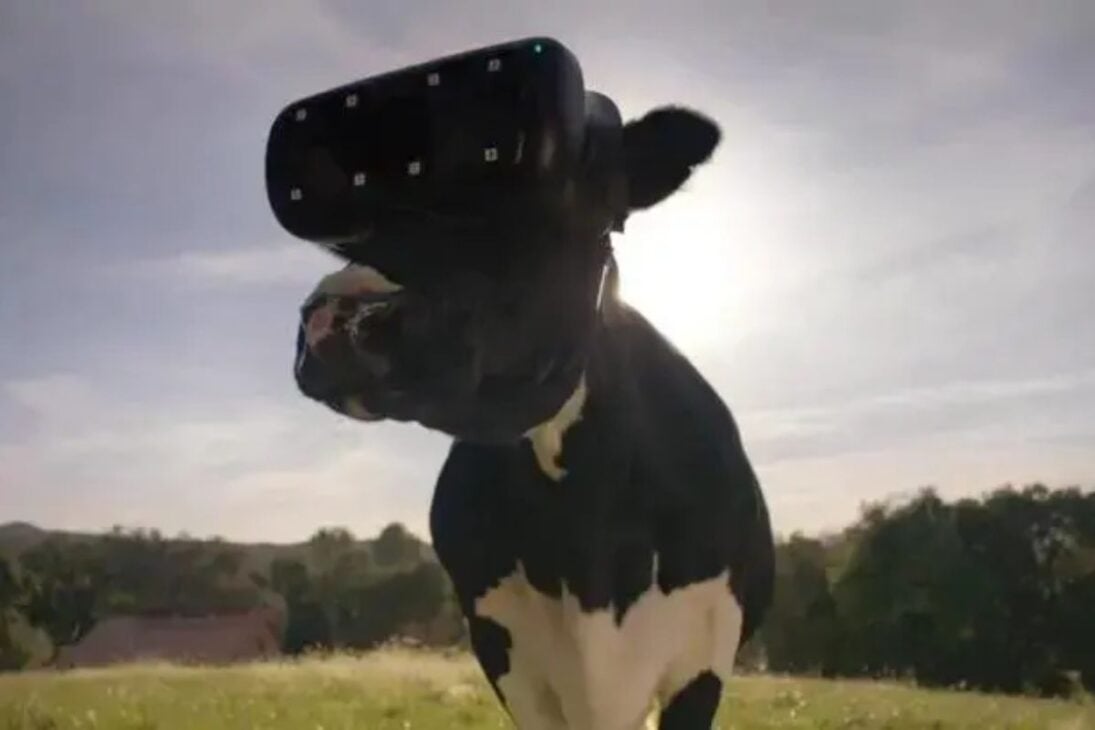
The Russian VR cow story quickly spread around the world drawing laughter bewilderment fascination and skepticism. News outlets social media users and agricultural commentators all weighed in with opinions ranging from admiration of the ingenuity to concerns about animal dignity and frivolous experimentation. The images of cows wearing goggles that look puzzling to human observers fueled countless memes and headlines.
Some animal advocates embraced the idea as a potential step toward improved welfare while others questioned whether technology should be used to pacify animals rather than addressing the real causes of stress such as overcrowding or lack of pasture access. The public conversation highlighted broader tensions between innovation in farming and ethical considerations regarding how livestock are treated.
Economists and industry analysts also joined the debate asking whether such technology could ever be cost effective for large scale operations where margins are thin and labor costs already pressure producers to find efficiencies.
Comparing VR Farming With Other Innovations
The use of VR headsets for cows is not the first time technology has been tapped to influence animal behavior. Around the world farmers have experimented with a range of digital and mechanical tools to improve animal welfare and productivity. Music therapy for dairy cows has been tested in some countries with reports that certain types of music can reduce restlessness. Automated brushing machines and sensory enrichment objects are used in some barns to stimulate cows physically and psychologically.
Virtual reality represents an extension of this trend deeper into digital sensory engagement. In companion animal medicine VR screens showing moving scenery have been used to reduce anxiety in dogs during thunderstorms. Zoos have experimented with digital projections to encourage natural behaviors in captive animals. The Russian farm’s program fits into this broader context of exploring how artificial sensory environments might benefit animals under human care.
However the stakes in a commercial dairy operation are different from those in companion animal settings. Farmers must balance the cost of technology installation and maintenance against any measurable gains in productivity or health outcomes.
What the Long Term Study Could Reveal
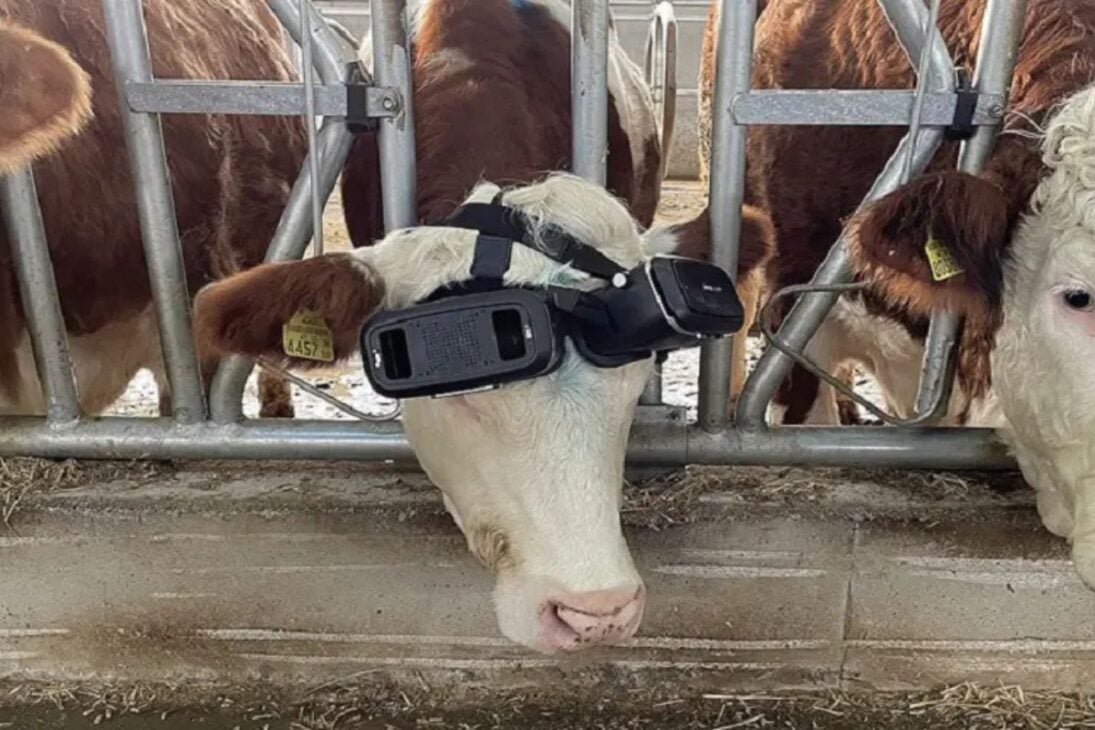
Representatives from the Ministry of Agriculture and the RusMoloko farm have stressed that current results are preliminary. Researchers plan to conduct a long term study to assess the sustained effects of VR exposure on cow stress levels milk yields overall health and behavior patterns. This extended analysis will help determine whether initial positive signs hold over time or whether novelty effects fade as cows acclimate to the technology.
The researchers also plan to observe whether the effects differ among individual animals and how VR exposure interacts with other environmental factors such as herd dynamics feeding schedules barn layout and human handling practices.
Animal scientists outside Russia are watching with interest. If robust evidence emerges linking virtual reality stimuli to consistent welfare improvements and increased production it could lend weight to further experimentation and adoption in other countries.
Ethical Conversations Around Technological Farming
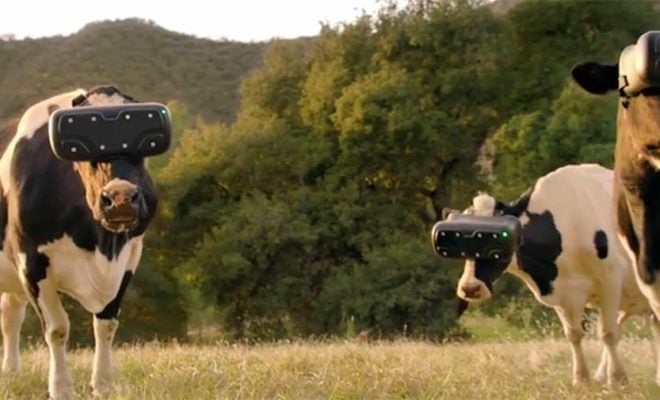
With new technologies come fresh ethical debates. The use of VR for cows raises questions about what constitutes humane treatment and how far humans should go in altering animal experience for productivity gains. Some ethicists argue that improving animal welfare through reduced anxiety is a worthy goal regardless of method. Others warn that technology like VR could be used to mask poor living conditions rather than remedying the root causes of stress.
International animal welfare organizations are likely to weigh in as more data becomes available. The intersection of farming efficiency technological innovation and animal sentience ensures that conversations will not simply fade with time.
What This Means for the Future of Agriculture
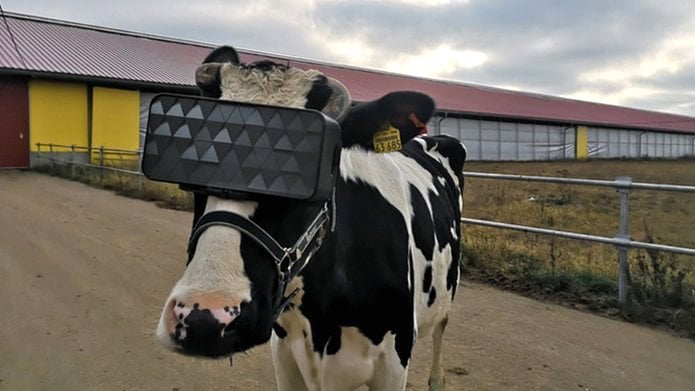
The Russian VR cow experiment embodies a larger transformation underway in global agriculture. As technologies from automation to artificial intelligence reshape how food is produced the role of sensory and behavioral science in livestock management is expanding. Whether VR headsets for cows become a widespread tool or remain an eccentric experiment the project pushes boundaries in how farmers think about animal experience.
For now the world watches as researchers continue their work and as the public debates what it all means. The cows themselves stand as unlikely ambassadors of a future where screens and sensors blend with barns and pastures in pursuit of calmer herds and more productive farms.
Conclusion
What began as a curious headline about cows wearing virtual reality headsets has evolved into a complex story touching on science innovation industry and ethics. The Russian experiment at RusMoloko farm challenges assumptions about animal behavior the role of technology in agriculture and how humans shape experiences for animals in their care. If VR proves to be more than a novelty and becomes a tool for reducing stress and increasing productivity it could open new frontiers in farming. But alongside potential benefits come important conversations about animal welfare technological priorities and the evolving relationship between humans and the animals we depend on. Only time and rigorous study will tell whether virtual reality will be part of the future farm landscape or a fascinating experiment remembered for its ingenuity and the questions it raised.