
Table of Contents
- Iran’s State Television Goes on a Wartime Footing
- A Government Defends “Educational Preparedness”
- Public Weapons Drills and Civic Mobilisation
- Tensions with Neighbours and the Symbolism of the Flag
- Mixed Reactions at Home and Abroad
- The Psychology of Militarised Media
- Who Are the Audiences?
- Critics See Propaganda and Intimidation
- A Reflection of Broader Geopolitical Anxiety
- Broader Implications and Future Consequences
Iran’s State Television Goes on a Wartime Footing
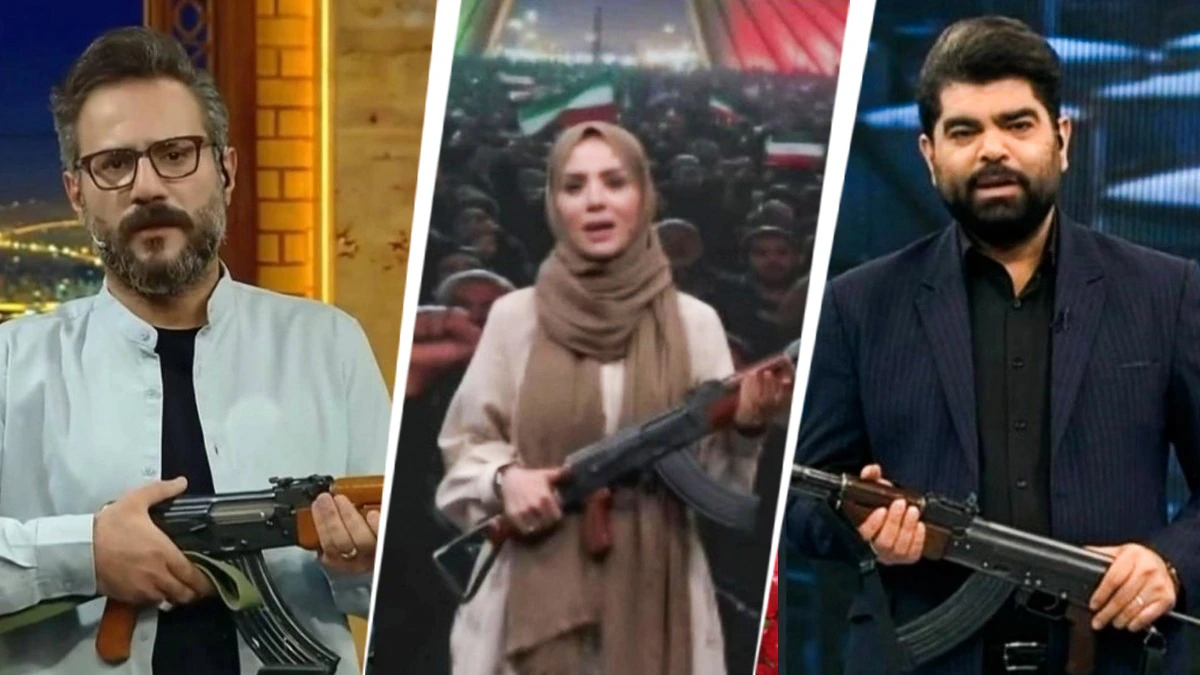
In recent days Iran’s official broadcasters have aired a series of segments featuring studio hosts and presenters handling rifles in a way that would be unthinkable in most countries’ newsrooms. In one striking moment captured on video reported by multiple news outlets presenter Hossein Hosseini was shown being instructed by a masked member of the Islamic Revolutionary Guard Corps on how to operate an AK‑47 style assault rifle and then firing it toward imagery of the United Arab Emirates flag displayed in the studio.
Other presenters appeared on air with rifles in hand delivering messages of patriotism and willingness to defend the nation including declarations such as readiness to sacrifice one’s life for the country. These broadcasts were not limited to professional military experts; they featured hosts much more associated with everyday programming learning basic weapon handling live on television — a pattern that has alarmed some observers about the normalisation of militarised imagery into public discourse.
A Government Defends “Educational Preparedness”
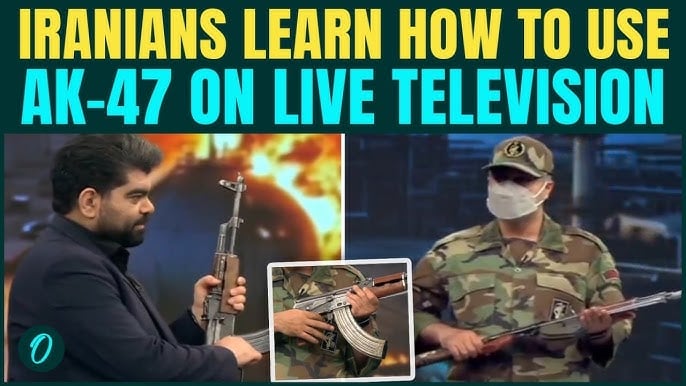
Officials from Iran’s state broadcaster, the Islamic Republic of Iran Broadcasting organisation have defended the unconventional programming as part of a broader effort to promote what they call preparedness for defence amid heightened regional instability. Mohsen Barmehni, deputy head of the network, described the segments as adopting a wartime posture in which the media must prepare the public for national defence. He framed weapons familiarisation as having “educational cultural and moral” value, linking it with themes of resistance and collective responsibility.
According to these official arguments the intent is not to arm civilians indiscriminately but to familiarise citizens with the concepts and mechanics of defensive weapon use at a time when tensions with external powers including the United States and Israel remain high. Moderators and government‑linked figures have insisted that such preparedness campaigns cultivate a sense of unity and vigilance across Iranian society.
Public Weapons Drills and Civic Mobilisation
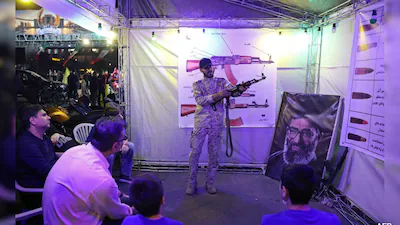
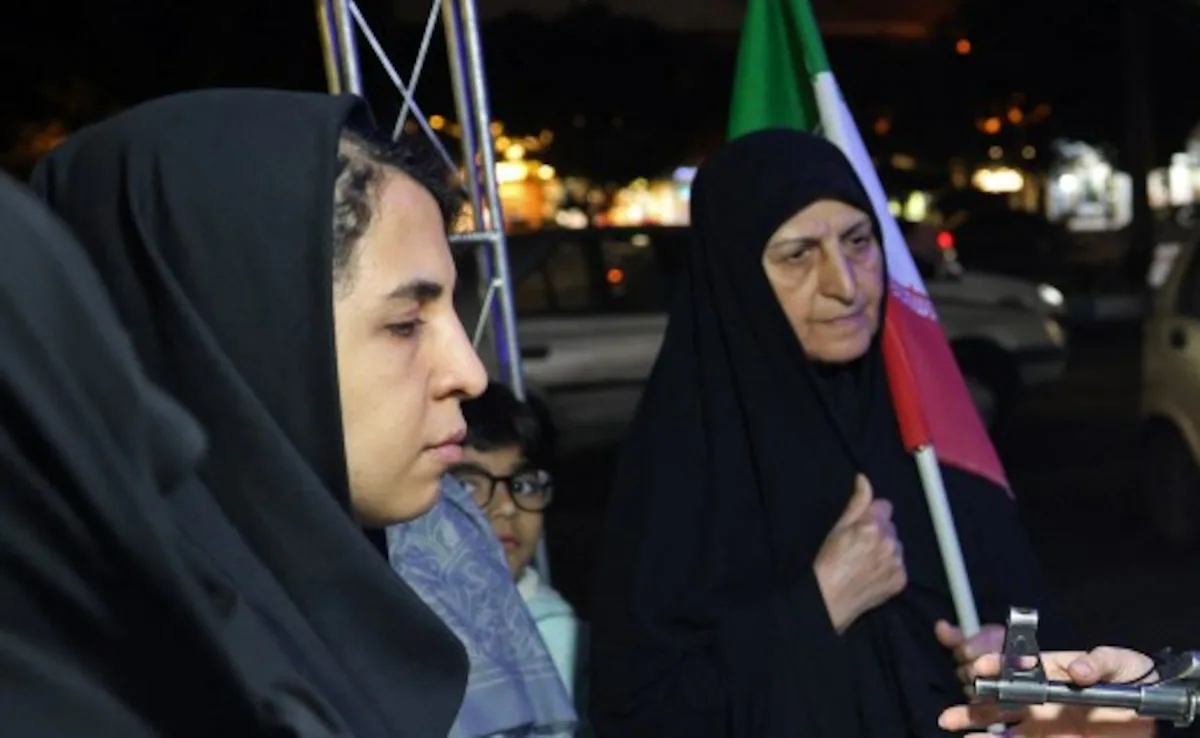
Beyond the walls of television studios the campaign has unfolded on the streets of major Iranian cities. Visual content circulated from locations such as Tehran’s Tajrish Square showed men and women participating in open‑air weapons training sessions where they learned to handle firearms under the supervision of instructors. In other areas reports described similar sessions held in mosques and public spaces where citizens of all ages were encouraged to attend and engage with basic weapon drills as part of what state media calls “public readiness to defend the country.”
Teenagers in cities such as Kermanshah were shown participating in phases of a nationwide campaign with training that combined weapons operation defensive combat drills and other exercises framed as preparation for homeland defence. While specific details about weapons distribution were not clear most footage depicted enthusiastic participation and elements of patriotic fervour as citizens took part in events once limited to official security forces and trained military volunteers. These developments have created a dramatic image of a society being taught to see itself as a potential army of defenders.
Tensions with Neighbours and the Symbolism of the Flag
Part of what made the televised segments particularly provocative was the use of symbolic imagery. In the studio where rifles were fired an image of the United Arab Emirates flag was positioned and subsequently shot at by a presenter during the broadcast. This gesture was widely shared on social platforms and picked up by regional media outlets, prompting rebukes from voices across the Gulf Cooperation Council which criticised the act as irresponsible and inflammatory.
Such symbolism underscores the geopolitical backdrop against which these broadcasts took place. Iran’s relations with regional neighbours have been strained recently, with tensions heightened by conflicts involving the United States Israel and Gulf states. As a result some analysts see the programmes as part of a larger narrative by Tehran to project defiance and resistance against perceived external threats — though critics contend that such messaging risks escalating tensions rather than calming them.
Mixed Reactions at Home and Abroad
The response to these dramatic televised moments has been mixed. Supporters within Iran and online commentators who favour the regime argue that broadcasters are simply doing what is necessary to prepare a nation that may face future conflict. They describe the drills and the imagery as part of a patriotic call to arms and a way to inspire unity among ordinary citizens.
Critics both within and outside Iran see a different message. Some Iranian media analysts have expressed concern that broadcasting weapons training on public television blurs the lines between national defence and militarised propaganda. They question whether such television segments generate genuine preparedness or instead stoke fear cultural anxiety and social tension. Opponents argue that encouraging civilians to equate their identity with weapon handling may contribute to a militarised society where violence becomes normalised.
International observers have also weighed in with concern. Regional governments have publicly condemned on‑air shootings at national symbols as destabilising gestures. International analysts warn that normalising firearm use in mainstream media raises questions about the impact on social cohesion and how narratives of defence can affect diplomatic efforts.
The Psychology of Militarised Media
Media scholars and sociologists highlight that when national broadcasters shift to a wartime posture, it often reflects deeper anxieties within a society. In cases around the world where state media emphasises weaponry and combat readiness researchers have seen public sentiment shift towards an overall sense of urgency, perceived threat and at times existential fear. When civilian leaders adopt this tone in media presentations the result can be a feedback loop where public perception of threat is heightened even without direct military engagement.
This phenomenon is not new in conflict zones; however its manifestation through mainstream television hosts firing rifles live and encouraging public drills is highly unusual. Some analysts suggest it may indicate a strategic pivot by Iranian authorities to reinforce narratives of resistance at a time when economic hardship political strife and social unrest continue alongside external pressure.
Who Are the Audiences?
The broadcasts appear to target multiple audiences. Domestically the message seems geared toward ordinary Iranians — from adults to teenagers — suggesting that readiness and resilience are now societal priorities. Framing presenters as everyday figures learning alongside civilians may be intended to normalise weapons training and remove the stigma of fear. Internationally the segments send a signal to external powers and regional rivals about Iran’s resolve and the willingness of its people to partake in defence. This dual messaging underscores the complexity of Iran’s strategic communication in a period of uncertainty.
Critics See Propaganda and Intimidation
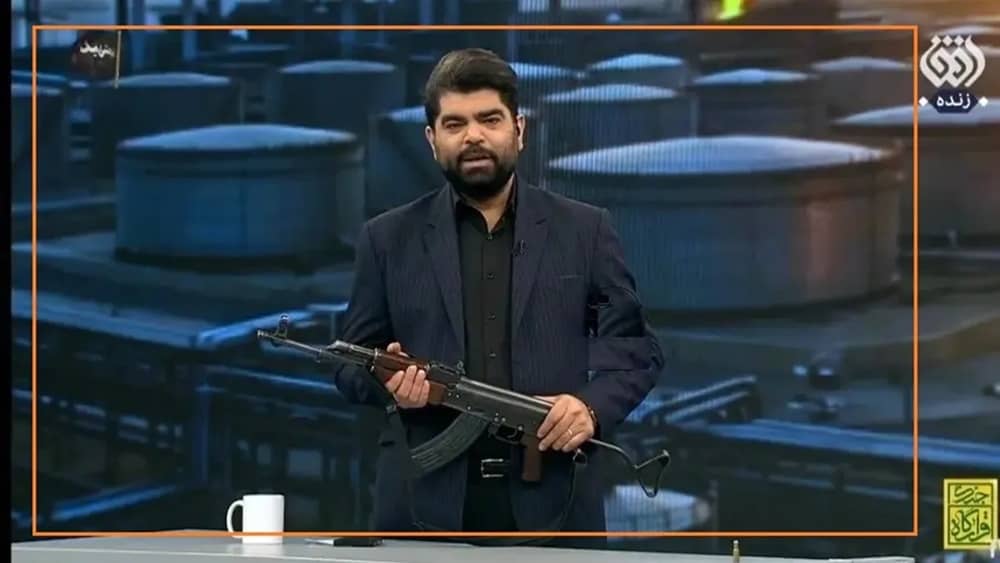
While state media presents its programming as education, critics argue it is more akin to propaganda. Some Iranian commentators have warned that bringing weapons and rifle demonstrations into the living rooms of ordinary citizens could inadvertently promote anxiety rather than security. They assert that state broadcasters are leveraging fear and symbolically arming citizens in a way that aligns with broader efforts to maintain political control and diminish dissent.
Furthermore, independent media voices have suggested that the campaign’s emphasis on weapon drills may be less about preparing for foreign war and more about projecting internal strength to quell potential public frustration or unrest. In contexts where governments face legitimacy crises heightened militarised messaging can serve as a tool for intimidation and distraction.
A Reflection of Broader Geopolitical Anxiety
Iran’s state television weapons training campaign reflects a moment of acute geopolitical anxiety. With tensions between Iran and both the United States and Israel showing signs of escalation recent months the choice to broadcast such content speaks volumes about the perception of threat within the country’s leadership. Although no formal full‑scale conflict has erupted the atmosphere in media and public discourse is charged with uncertainty.
This militarised media moment also raises important questions about the boundaries between public preparedness and overt propaganda. The line between informing and indoctrinating can be thin, and when state actors control the narrative extensive reliance on martial imagery may have lasting effects on national consciousness and social dynamics.
Broader Implications and Future Consequences
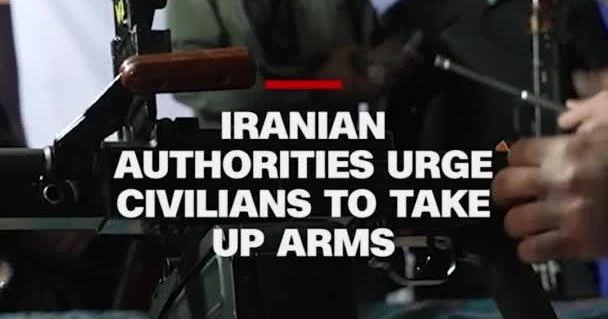
The unusual phenomenon of television presenters firing rifles on live state television in Iran marks a significant departure from conventional broadcasting norms. It encapsulates a moment where media, politics and societal fear intersect in dramatic fashion. Whether this campaign will foster genuine readiness, contribute to heightened social tension or influence regional perceptions remains to be seen.
For international observers the broadcasts offer insight into how the Iranian leadership perceives threats and chooses to communicate with its population. For ordinary Iranians the long term impact of such imagery may shape attitudes toward conflict, civic duty and the role of the state in everyday life. As the world watches this unfold the mix of curiosity, concern and critical debate highlights just how powerful media narratives can be in shaping national direction during fraught geopolitical moments.
In the end what began as a striking visual spectacle of anchors with rifles on television has become a mirror reflecting deeper anxieties about war fear societal readiness and the role of media in times of crisis — a story that transcends borders and reverberates wherever the global audience encounters the powerful blend of broadcast and battlefield rhetoric.