
Table of Contents
- From Grounded to Airborne
- Designing the Drone Cabin
- The Emotional Bond Between Humans and Pets
- A Viral Sensation
- The Ethics and Welfare of Animal Technology
- Innovation Meets Compassion
- A Broader Reflection on Animal Care
- Reactions from Bird Lovers and Technologists
- Lessons in Creativity and Caring
- Conclusion
From Grounded to Airborne
For Nitya the lovebird life had shifted drastically after she became paralysed. Once an energetic bird fluttering about her cage and enjoying short flights around her home in Davao in the Philippines she found herself grounded after her injury. Lovebirds are known for their vibrant energy and aerial acrobatics and losing the ability to fly can be a profound change for both the bird and its owner. Flight for birds is not merely a mode of movement it is part of their instinctual identity. Nitya’s inability to fly left her in a state of emotional frustration and limited mobility.
Her owner watched this transformation with a heavy heart. Rather than accept that Nitya’s mobility was permanently limited he began to imagine ways to recreate the experience of flight for her. The goal was not simply to lift her off the ground but to give her a clear line of sight and allow her to feel the breeze and landscape as she had in her youth. It was this aspiration that led to the conception of a transparent cabin mounted on a drone.
Designing the Drone Cabin
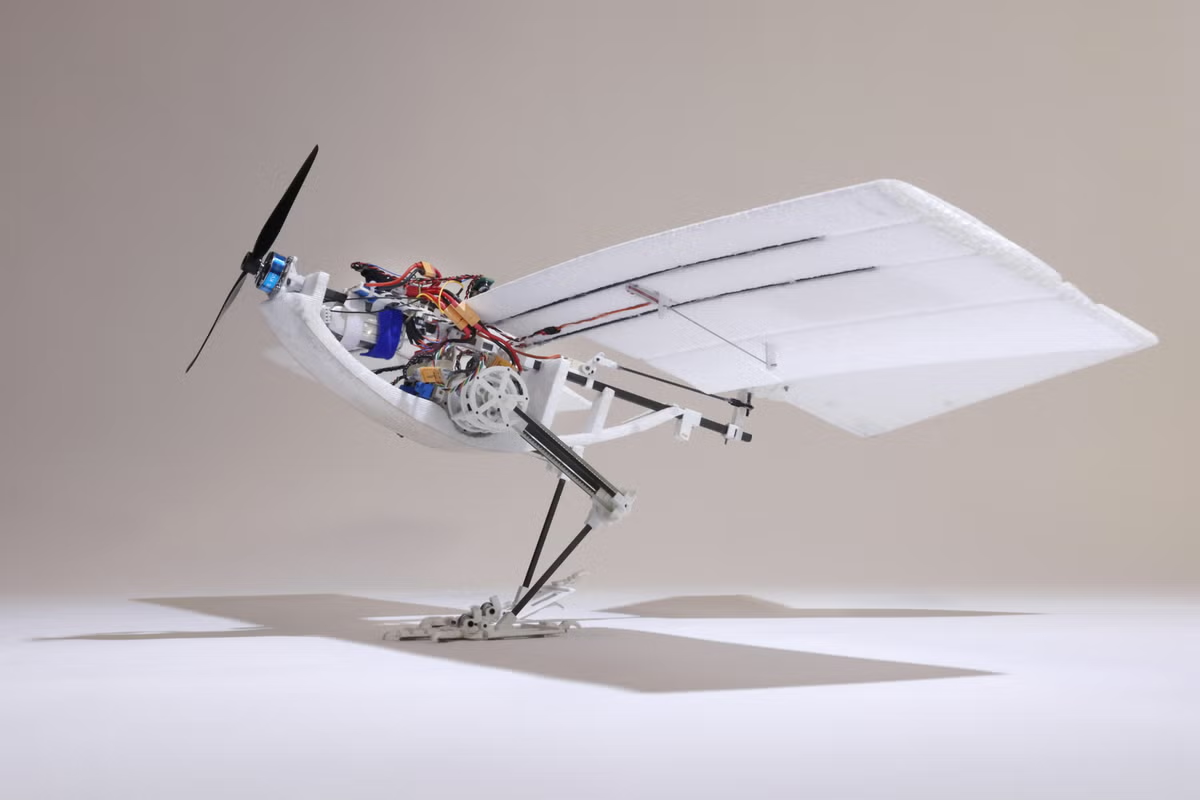
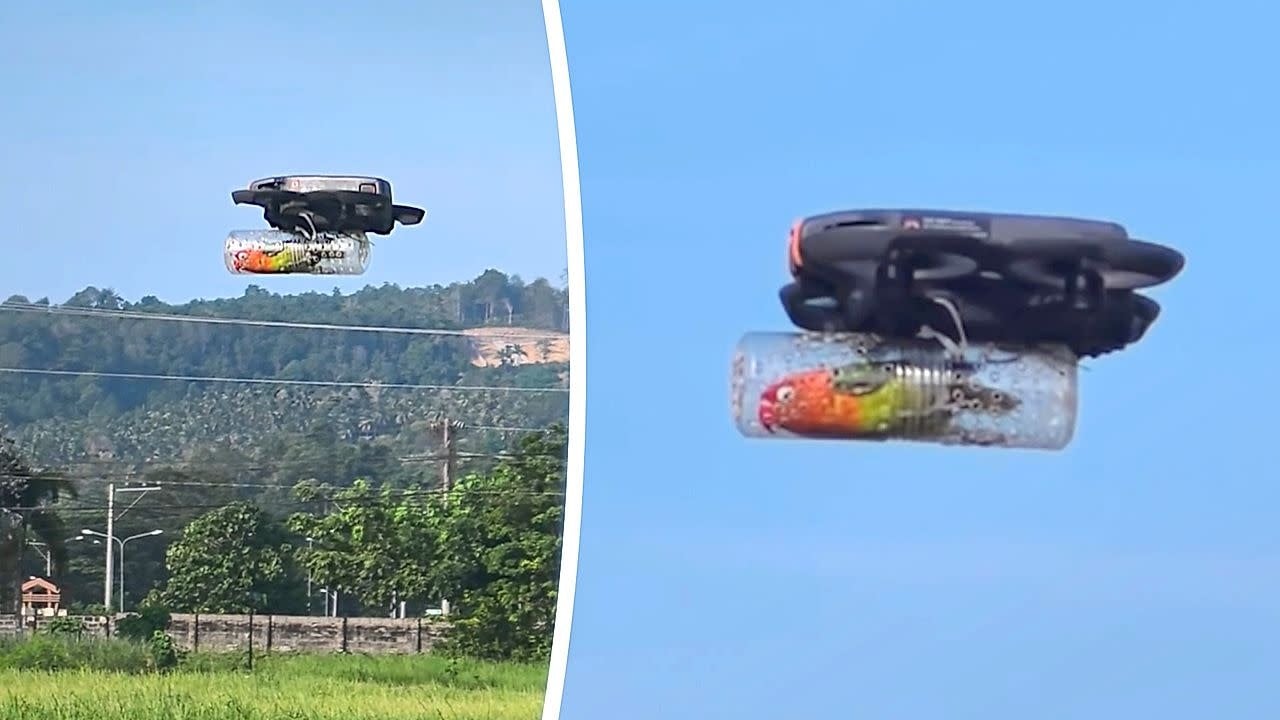
The idea of a drone cabin for a bird might sound whimsical at first glance but the execution required careful thought and attention to safety. The cabin needed to be fully transparent to avoid obstructing Nitya’s view yet strong enough to protect her from the wind and motion of flight. It also needed to be calibrated so that the drone could handle the additional weight without compromising stability or risking sudden drops. After weeks of trial and error with different materials prototypes and balance tests the transparent pod was ready.
On April 13 the custom cabin was attached to a drone and Nitya was carefully secured inside. The moment was captured on video where she could be seen perched inside the cabin as the drone lifted off and glided over rolling fields of farmland under a vast Philippine sky. For the first time in months she experienced the movement and vista of flight once again. Witnesses described her as calm and alert throughout the journey seemingly aware of her airborne surroundings. For her owner the moment was both deeply emotional and a tribute to the resilience of his feathered friend.
The Emotional Bond Between Humans and Pets
Stories like Nitya’s resonate because they touch on broader themes of love responsibility and the emotional ties that bind humans and their animal companions. Pets are members of many families around the world and caring for them through illness or injury often involves profound emotional investment. In Nitya’s case her owner’s commitment to adapting technology in service of her wellbeing reflects not just ingenuity but a deeply personal connection. Countless pet owners know the sense of loss that comes when a beloved animal’s mobility is compromised and the joy that comes with moments of regained freedom.
This drone flight also highlights how animals can enrich human emotional lives. Birds like Nitya often become symbols of vitality and companionship and providing her with a way to fly again was, for her owner, a way of affirming her value and preserving a part of her bird nature that paralysis had threatened to erase.
A Viral Sensation
Shortly after the drone flight video was posted the story began spreading across social media platforms and news outlets. Viewers were moved by the touching imagery of a small bird riding through the sky and the creative solution her owner had devised to give her that experience. Comments ranged from expressions of admiration for the engineering ingenuity to heartwarming reactions celebrating the bond between man and bird. Many viewers shared their own stories of pets overcoming adversity and the creative ways they had cared for them.
The rapid spread of Nitya’s flight footage underscores the power of human interest stories in a digital age. In a news landscape often dominated by political conflict social upheaval and complex global crises a simple yet touching moment like Nitya’s flight can capture attention and offer a narrative of hope ingenuity and affection.
The Ethics and Welfare of Animal Technology
While the overwhelming reaction to the video was positive some animal welfare experts and ethicists raised questions about the use of technology to alter animals’ experiences. Was the drone flight stressful for the bird? Could it pose unseen risks? Such questions are not dismissive of the owner’s motives but reflect a broader conversation about how humans should responsibly integrate technology into the lives of animals. Experts emphasize that any intervention should be carefully assessed for potential stressors and safety factors.
In Nitya’s case video evidence and firsthand accounts suggest that she remained calm and comfortable throughout her flight. The transparent cabin was designed to reduce disorientation and the glide of the drone was smooth and stable. Nonetheless the discussion around animal welfare encourages pet owners and innovators alike to prioritize the comfort and consent of animals when contemplating technological solutions to mobility or quality of life issues.
Innovation Meets Compassion
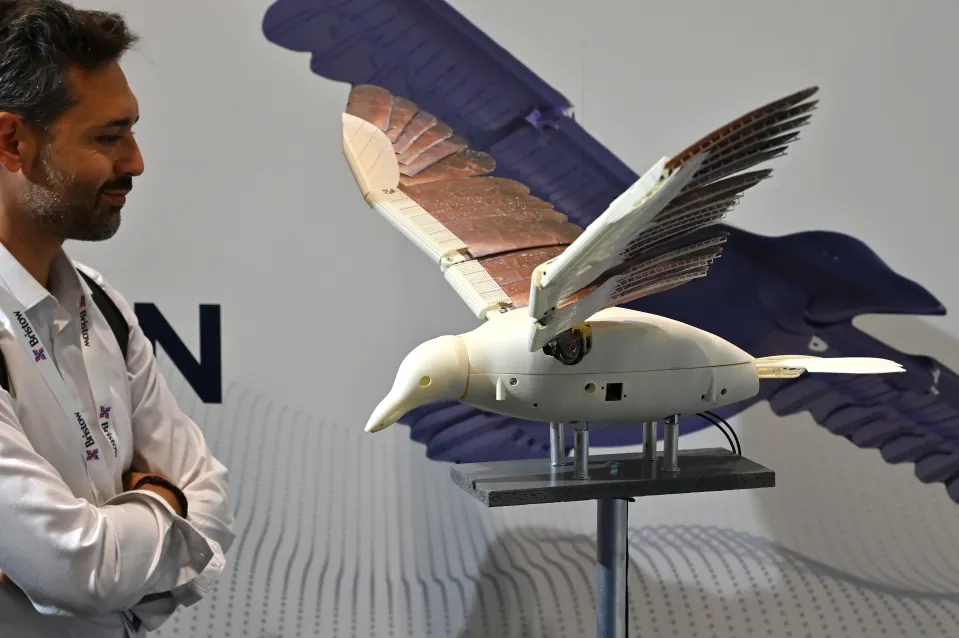
The story of Nitya and her transparent drone cabin fits into a broader narrative of how innovation can be driven by compassion. Across the world there are examples of pet owners and animal sanctuaries adapting technology to enhance animal wellbeing from prosthetic limbs for dogs and cats to mobility aids for horses and even specialized wheelchairs for turtles. Each of these innovations stems from an understanding that animals have emotional and physical lives that matter to their human caregivers.
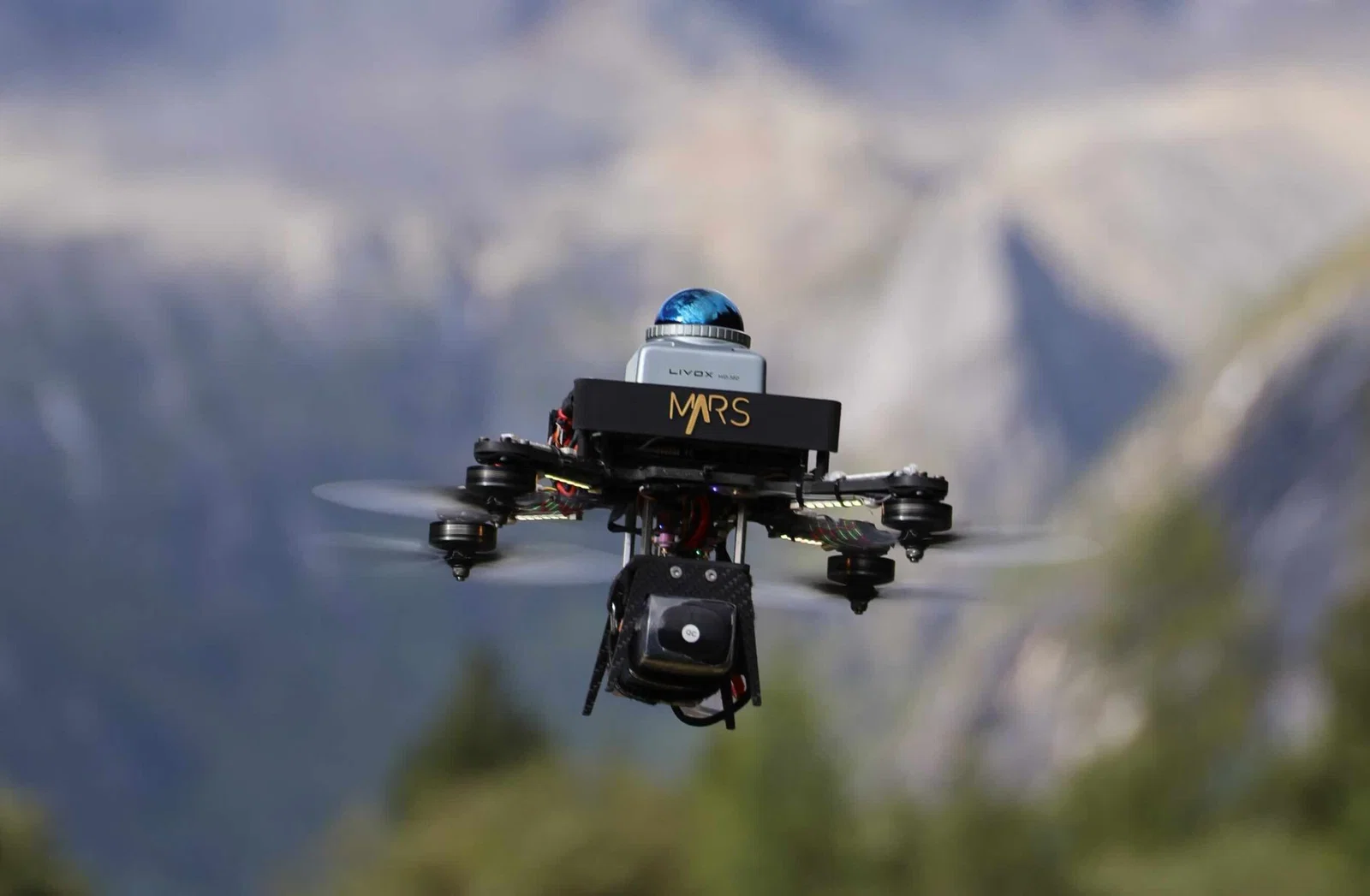
The intersection of compassion and creativity is visible in other realms as well. In wildlife conservation scientists use drones to guide flocks of birds during migration studies veterinary researchers employ sensors to monitor animal health remotely and accessibility equipment helps disabled animals engage more fully with their environments. These examples reflect an expanding understanding that technology need not be purely functional but can be empathetic in design.
A Broader Reflection on Animal Care
Nitya’s drone flight also inspires broader questions about how we treat animals in captivity rehabilitation contexts and as companions. It urges a reflection on what quality of life means for animals who cannot simply return to natural behaviors due to injury illness or age. While not every pet owner has access to custom drone technology there are many ways that humans can enhance the lives of animals through thoughtful care adaptive equipment and enriched environments.
The emotional impact of such stories also resonates in fields beyond pet care. It reminds us that empathy is a powerful motivator for innovation and that solutions to challenging problems can come from unexpected places. Whether in medicine education or environmental conservation innovative thinking paired with compassion often yields transformative outcomes that benefit individuals and communities alike.
Reactions from Bird Lovers and Technologists
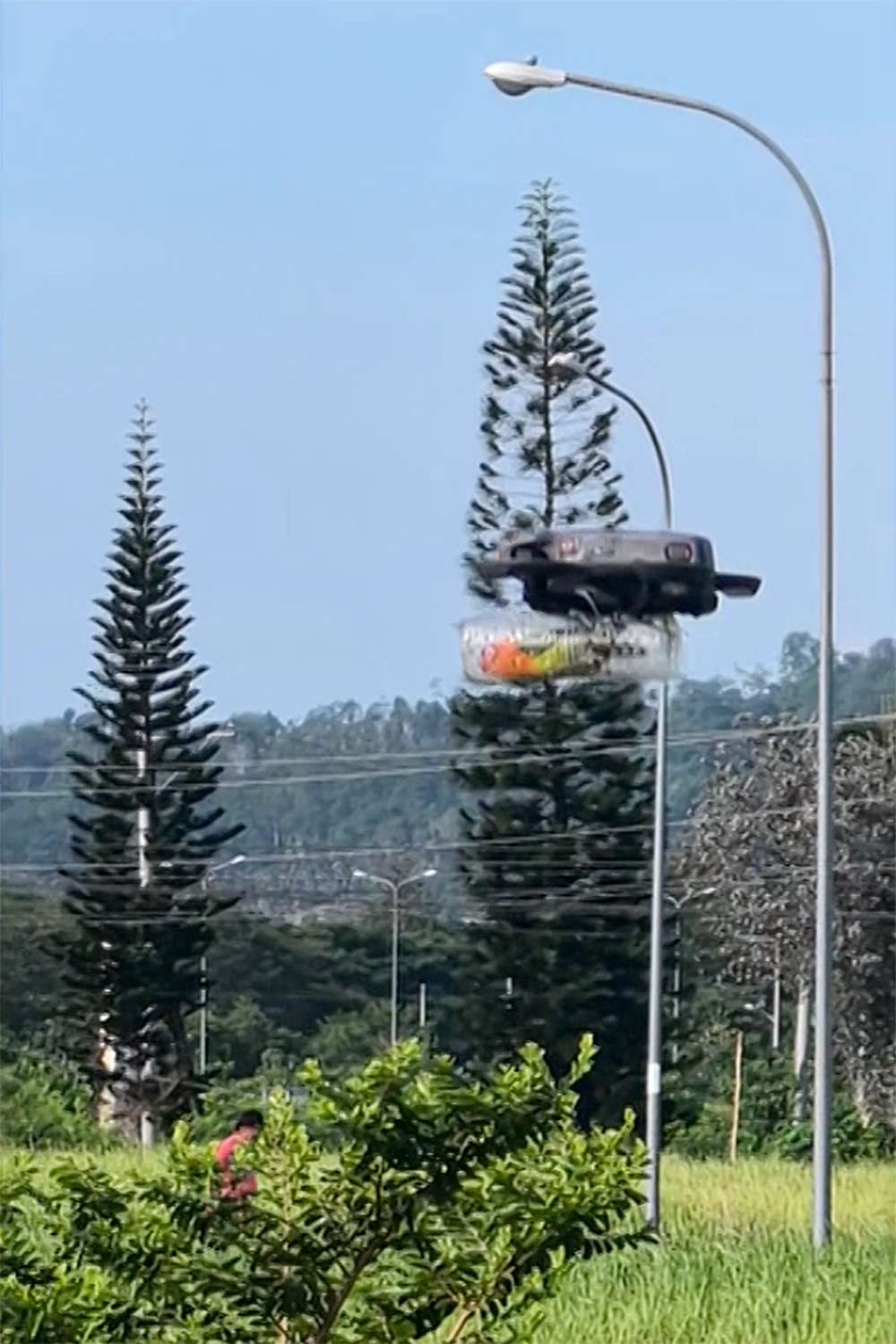
The viral spread of Nitya’s flight has drawn responses not only from animal lovers but from technologists and hobbyist drone builders who see the drone cabin as a clever and inspiring application of everyday technology. Discussions on forums have ranged from technical breakdowns of the cabin design to suggestions for enhancing comfort or expanding the concept to other animals with mobility challenges. Some hobbyists expressed interest in creating modular kits that could be adapted for different species or sizes of birds.
Animal advocacy groups meanwhile praised the attention the story brought to the emotional lives of companion birds which are often overlooked in popular discourse compared to cats and dogs. Birds can form strong bonds with their owners and demonstrate distinct personalities and emotional responses. Stories like Nitya’s help broaden public understanding of avian intelligence and the depth of the human bond with non‑traditional pets.
Lessons in Creativity and Caring
The essence of this story lies not merely in the flight itself but in the lessons it offers about creativity caring and the ways in which technology can be harnessed to serve heartfelt needs. Nitya’s flight reminds us that obstacles do not always have to be endpoints and that with dedication empathy and ingenuity new experiences can emerge even in the face of adversity. For her owner the drone cabin represents not just a mechanical solution but a testament to his affection and commitment.
It also serves as a message to pet owners and animal caregivers worldwide that there are often ways to reimagine limitations and enhance the lives of those we care for. Whether through small adaptive changes or larger creative projects the spirit of innovation anchored in compassion can yield meaningful results.
Conclusion
In a world starved for uplifting narratives and stories of empathy breaking through the noise of daily life Nitya’s journey through the sky captured hearts because it celebrates both the bond between a pet and its owner and the human capacity to innovate in service of love. A paralysed lovebird who once could only watch the sky became airborne again not through natural ability but through human dedication and creativity. Her flight encapsulates the joy of shared experiences the resilience of life and the extraordinary things that can happen when technology is guided by compassion.
For many viewers around the world Nitya’s airborne adventure was more than a feel good moment. It was an affirmation that caring deeply for another living being can inspire acts of creativity that transcend limitations and bring beauty into unexpected places. This remarkable blend of engineering and emotion may be a small moment in the vast landscape of global news but its resonance speaks to universal themes of love hope and the enduring desire to help those we cherish soar.