
Table of Contents
A Historic Agreement Takes Shape
In a negotiation that captured public attention and involved days of tense talks and visible demonstrations in hotel districts across the city the Hotel and Gaming Trades Council and the Hotel Association of New York City reached a deal that union leaders are calling historic. Housekeepers have long been a backbone of the hospitality industry in New York City cleaning rooms ensuring guest satisfaction and performing physically demanding work that often goes unseen but remains essential to the city’s tourism economy. This new contract recognizes not only the difficulty of the work but also the financial challenges faced by these workers in a city with some of the highest living expenses in the country.
Under the terms of the agreement experienced housekeepers will see their total yearly compensation including base wages overtime tips health benefits and pension contributions climb above 100000 dollars. Entry level workers stand to benefit from substantial raises with a structured wage climb based on seniority. The agreement also includes expanded health care coverage improved protections against excessive workloads and stronger retirement contributions. For thousands of workers who historically struggled to make ends meet on wages that lagged far behind living costs this deal represents a major breakthrough.
From Protests to Progress

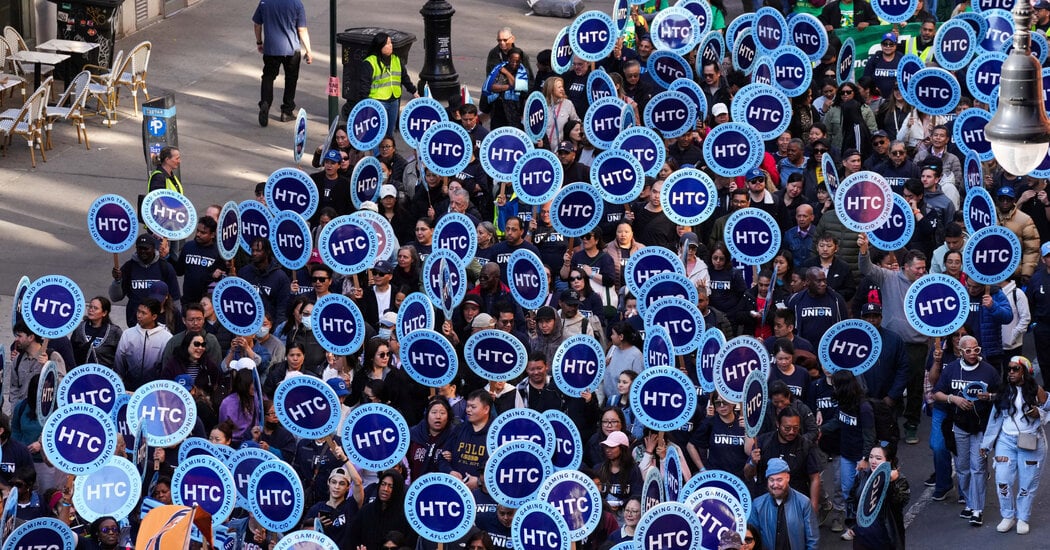
Reaching this breakthrough was not a quiet process. In recent weeks union members representing approximately 25000 hotel workers staged demonstrations outside more than 300 hotels across Manhattan Brooklyn and Queens carrying blue‑and‑white signs calling for fair wages and better working conditions. The visible presence of workers in front of iconic properties such as the New York Hilton Midtown underscored both the frustration and the solidarity among hotel staff.
With rising rents that see a one‑bedroom apartment in Manhattan exceeding 4000 dollars per month many hotel housekeepers have been forced into difficult choices. Some have taken on multiple jobs while others endure long commutes from more affordable boroughs or even neighboring states. The visible public demonstrations by workers galvanized support from local residents community groups and labor advocates who argued that sustainable wages are fundamental to economic equity in the city.
Despite the pressure hotels faced in recent years from post‑pandemic economic uncertainty rising energy and food costs and insurance premiums the union maintained that workers deserved compensation that reflected their contribution and the cost of living in New York. The tension between labor and management ultimately gave way to compromise as both sides agreed that a sustainable long‑term path forward required elevating worker pay while accounting for business realities.
The Reality of Rising Living Costs
New York City’s living costs present one of the starkest economic landscapes in the United States. Exorbitant rents combined with steep prices for food transportation and child care have placed immense strain on working families. Many hotel employees struggled for years to find stable housing often sacrificing basic needs just to cover rent or healthcare.
Housekeepers in particular face unique financial challenges. Their job demands extensive physical labor including lifting heavy mattresses and carrying cleaning supplies all while maintaining tight timelines for room turnovers. Historically wages in the hospitality sector have not reflected these demands leaving many workers in precarious financial positions despite full time employment.
The new union contract acknowledges this reality by not only increasing wages but by including clauses aimed at improving working conditions and overall lifestyle stability. Premium pay for certain shifts better health care coverage workload limits and enhanced retirement planning contributions are all designed to support workers both on and off the job.
What’s in the Contract

Beyond simply raising wages the new contract includes a comprehensive suite of benefits and protections aimed at transforming the worker experience. Workload limits address the physical strain workers face while lifting and cleaning large numbers of rooms. These provisions aim to reduce workplace injuries and ensure sustainable work pace. In addition premium pay for night shifts weekend shifts and certain high demand periods will help compensate workers for the stresses associated with non‑traditional hours.
The contract also established joint labor‑management committees tasked with addressing staffing shortages and improving worker training programs. These committees are designed to foster collaboration between workers and employers to improve operational efficiency while ensuring workers have a voice in decisions that impact their daily work environment.
In addition to physical workplace improvements the contract expands benefits including new mental health support initiatives protective equipment upgrades and career advancement opportunities that create clear pathways from housekeeping into supervisory and management roles. Paid family and medical leave has also been extended reflecting long standing demands from the predominantly female workforce.
Reactions From Workers and Officials
For many hotel housekeepers the impact of this agreement is deeply personal. At a rally outside the New York Hilton Midtown workers embraced and shared emotional stories about their struggles before the agreement. Maria Gonzalez a veteran housekeeper with 17 years on the job spoke about the relief that the contract brought to her life. “I can finally breathe,” she said capturing a sentiment echoed by many others who greeted the news with gratitude and optimism.
City officials welcomed the deal with open arms. New York City’s mayor described the agreement as evidence that strong unions can deliver meaningful gains for working families in a city celebrated for its diversity and labor history. “This is what happens when labor and management work together,” the mayor said highlighting the collaborative aspects of the efforts that led to the final contract.
The hospitality industry itself has experienced fluctuating labor conditions in recent years with workers leaving for less physically demanding jobs that pay similar or even higher wages. As tourism rebounded strongly in 2025 and early 2026 hotel occupancy rates climbed to near historic levels yet staffing shortages persisted. The new contract aims to address some of these labor shortages by improving retention and attracting workers back into the field.
Broader Implications for Service Workers

Economic analysts have begun weighing in on what the new New York City hotel contract could mean for service workers nationally. Many believe the deal could set a new benchmark for wage negotiations in major high cost cities like Chicago Boston and San Francisco where the cost of living similarly outpaces typical service worker wages. In sectors where union density remains stronger than in many other industries this agreement could serve as a template for future contracts.
Labor advocates across the country lauded the deal as a model of worker empowerment while critics in some business circles cautioned that significantly higher labor costs could lead to increased room rates or reduced hiring. Small independent hotels in particular expressed concern about the ability to absorb higher wage costs without compromising service quality or profitability.
Union leaders have responded by underscoring the long term benefits of fair compensation asserting that well‑paid workers have higher retention greater job satisfaction and ultimately contribute to better service standards for guests. This, they argue, will help hotels remain competitive and improve the overall guest experience.
Financial Security and Personal Stability
For housekeepers the financial impact of this contract extends beyond bigger paychecks. Many plan to use the additional income to pay down debt finally secure better housing and support extended family members. Parents spoke about being able to afford activities with their children that were previously out of reach and even taking long‑postponed vacations. The psychological sense of stability that comes with financial security is expected to improve worker wellbeing and quality of life in meaningful ways.
Union organizers highlight that increasing wages and benefits is not just about economics. It is about recognizing dignity and value in work that is fundamental to one of the largest private sector employers in New York City. The hospitality industry supports a wide ecosystem of related businesses from restaurants to transportation and hotel workers play a central role in that economic network.
Ratification and the Road Ahead
While the contract agreement has been reached both union leadership and hotel industry representatives emphasize that it must still be ratified by union members in the coming weeks. Vote events scheduled at union halls across the city will determine whether the contract officially goes into effect. Union leaders express high confidence in approval pointing to the widespread enthusiasm among members.
If ratified the agreement will take immediate effect reshaping compensation standards across New York City’s hotel industry for years to come. Its impacts are likely to reverberate beyond hospitality into broader conversations around worker rights wages and labor policy.
Conclusion
In a city where the dream of economic stability often feels out of reach for working families this agreement offers a rare story of tangible progress. Through collective action negotiation and public attention hotel housekeepers in New York City are on the cusp of earning wages that better reflect both their labor and the cost of living in one of the world’s most expensive cities. The deal represents more than a raise. It symbolizes recognition of essential work long undervalued and opens the door for similar movements in other major cities. As thousands of workers prepare to cast their votes on final approval they do so with a renewed sense of possibility and hope that fair compensation can be achieved through unity and persistence.