
Table of Contents
- Trump’s Sushi Investment Immediately Went Viral
- What Exactly Is Kura Sushi?
- Why Investors Are Paying Attention To Restaurant Technology
- Trump’s Broader Investment Portfolio Reveals A Pattern
- Trump’s Fast Food Reputation Makes The Story Even Bigger
- The Rise Of Sushi Culture In America
- Technology And Dining Are Merging Faster Than Ever
- Financial Performance Helped Make Kura Attractive
- Critics And Supporters View The Investment Differently
- The Investment Reflects Bigger Changes In American Culture
- Why This Story Resonated So Strongly Online
Trump’s Sushi Investment Immediately Went Viral
The story spread rapidly because it clashed so strongly with Trump’s long-established public image. For years, the president has been famously associated with fast food, especially McDonald’s. His affection for burgers, fries, Diet Coke, and classic American chain restaurants has become part of his political identity and pop culture reputation.
That is why the Kura Sushi investment surprised so many people. Instead of another steakhouse or burger chain, Trump invested heavily in a Japanese conveyor belt sushi business known for automated dining experiences and technology-driven restaurant service.
Online reactions ranged from humor to genuine curiosity. Some social media users joked that Trump had suddenly become a sushi enthusiast. Others speculated whether the investment reflected a strategic financial decision rather than personal taste.
Regardless of the motivation, the investment succeeded in doing something rare in modern political news. It blended finance, food culture, technology, and celebrity-style internet reactions into one viral story.
What Exactly Is Kura Sushi?
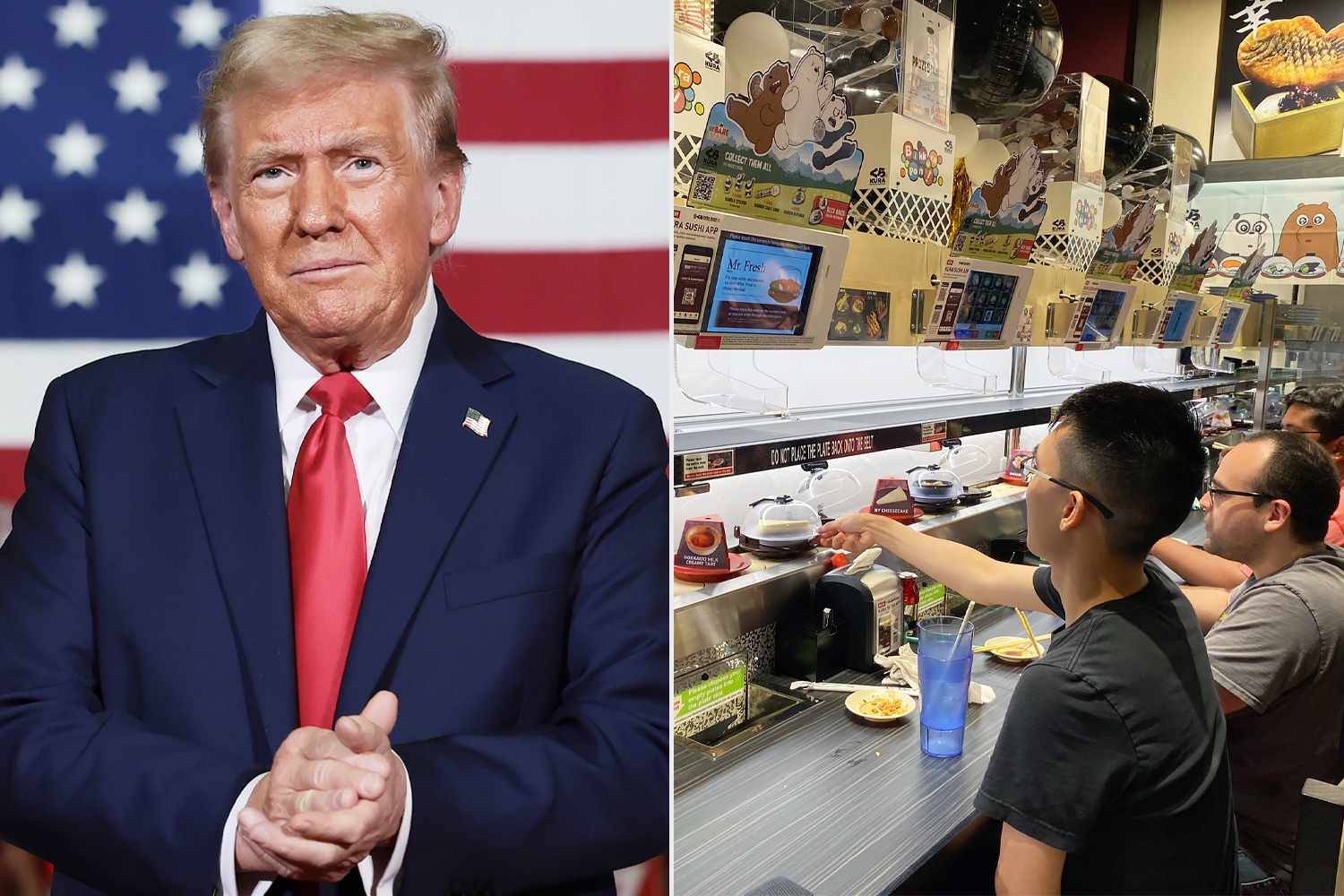
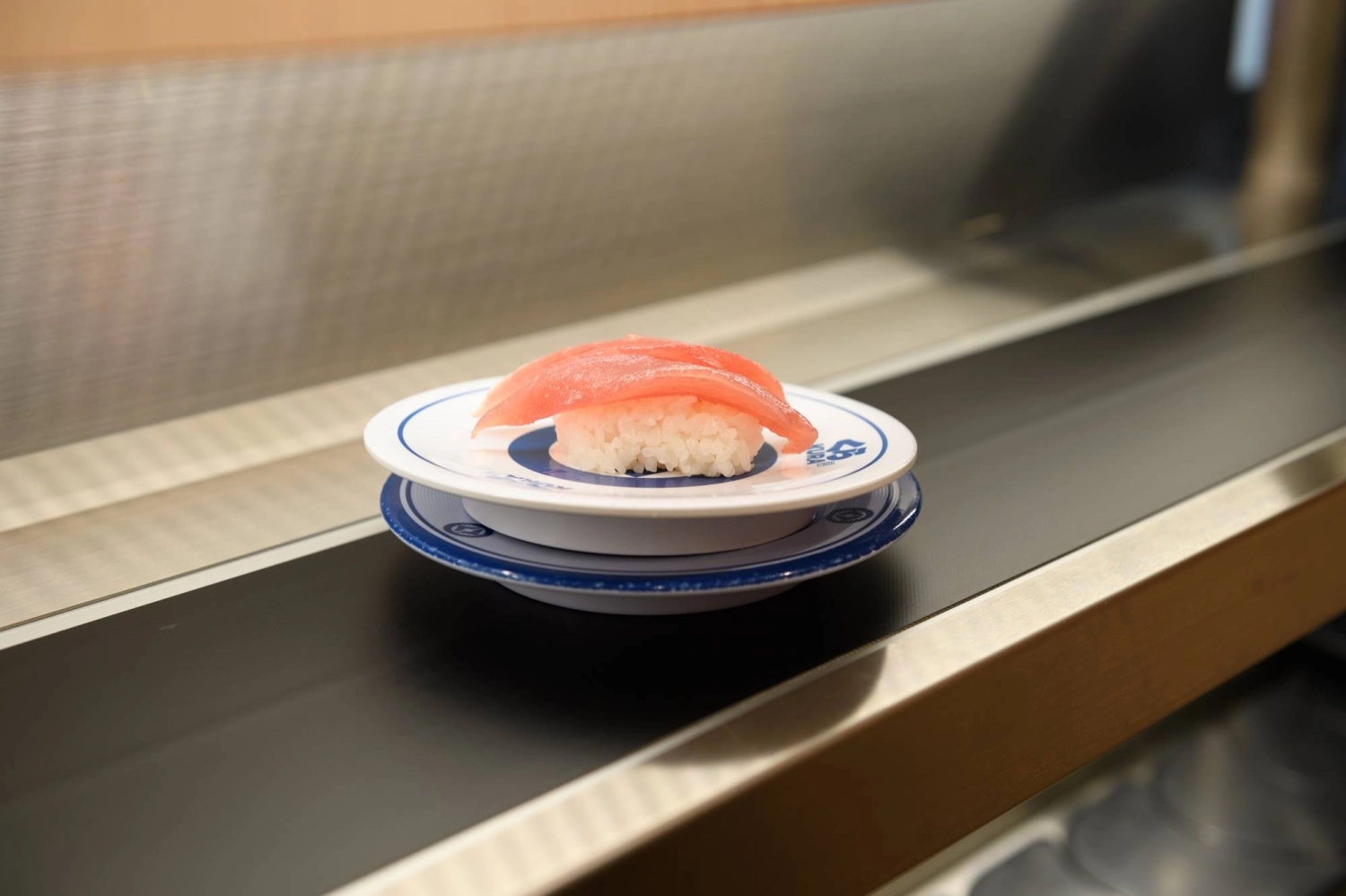
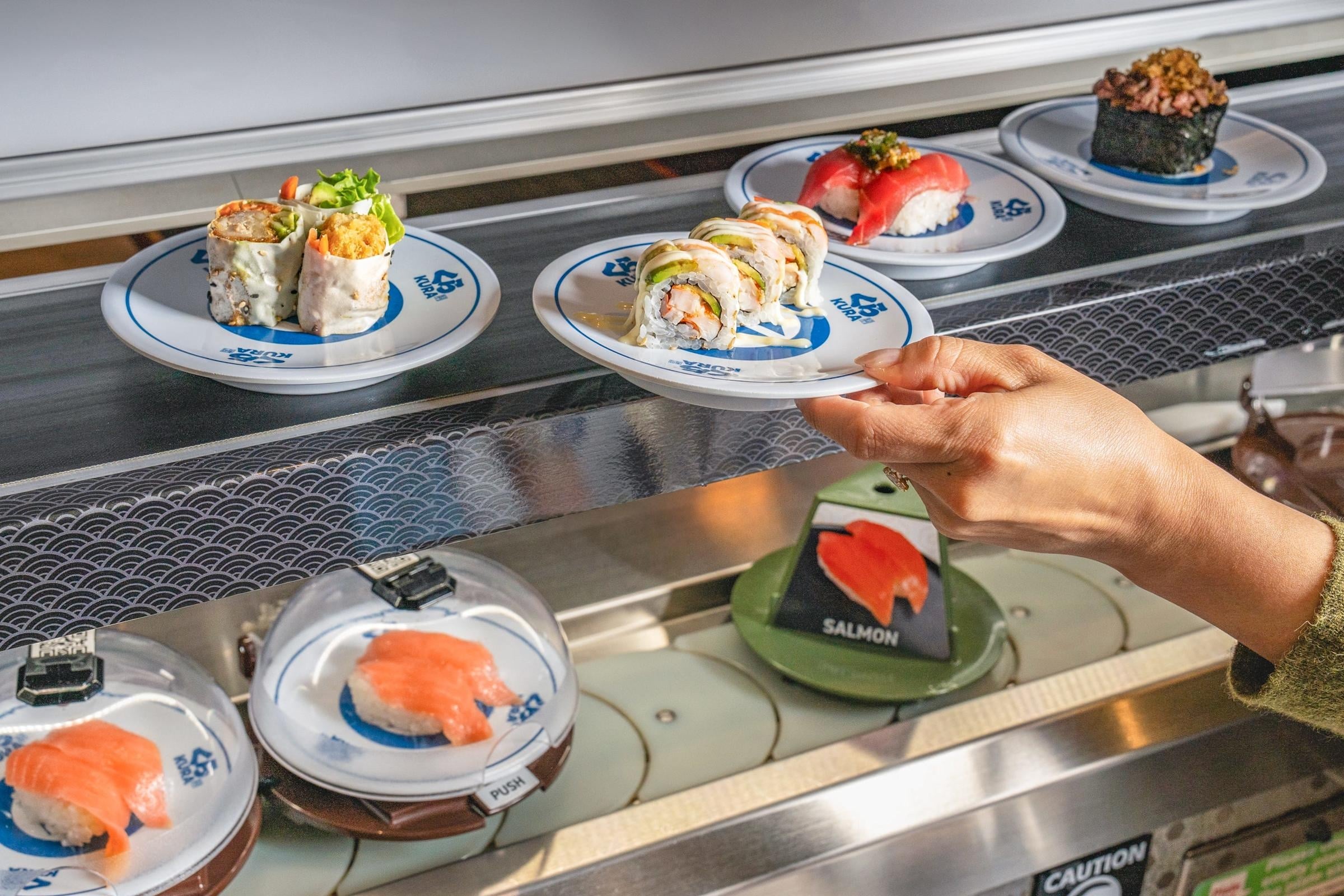
Kura Sushi is not a traditional sushi restaurant. The company became famous for its revolving conveyor belt dining system, where plates of sushi travel throughout the restaurant on moving belts that customers can grab directly from their tables.
The restaurant chain combines Japanese dining traditions with automation and entertainment. Customers can order digitally using touch screens, and robotic systems help deliver food efficiently across the restaurant.
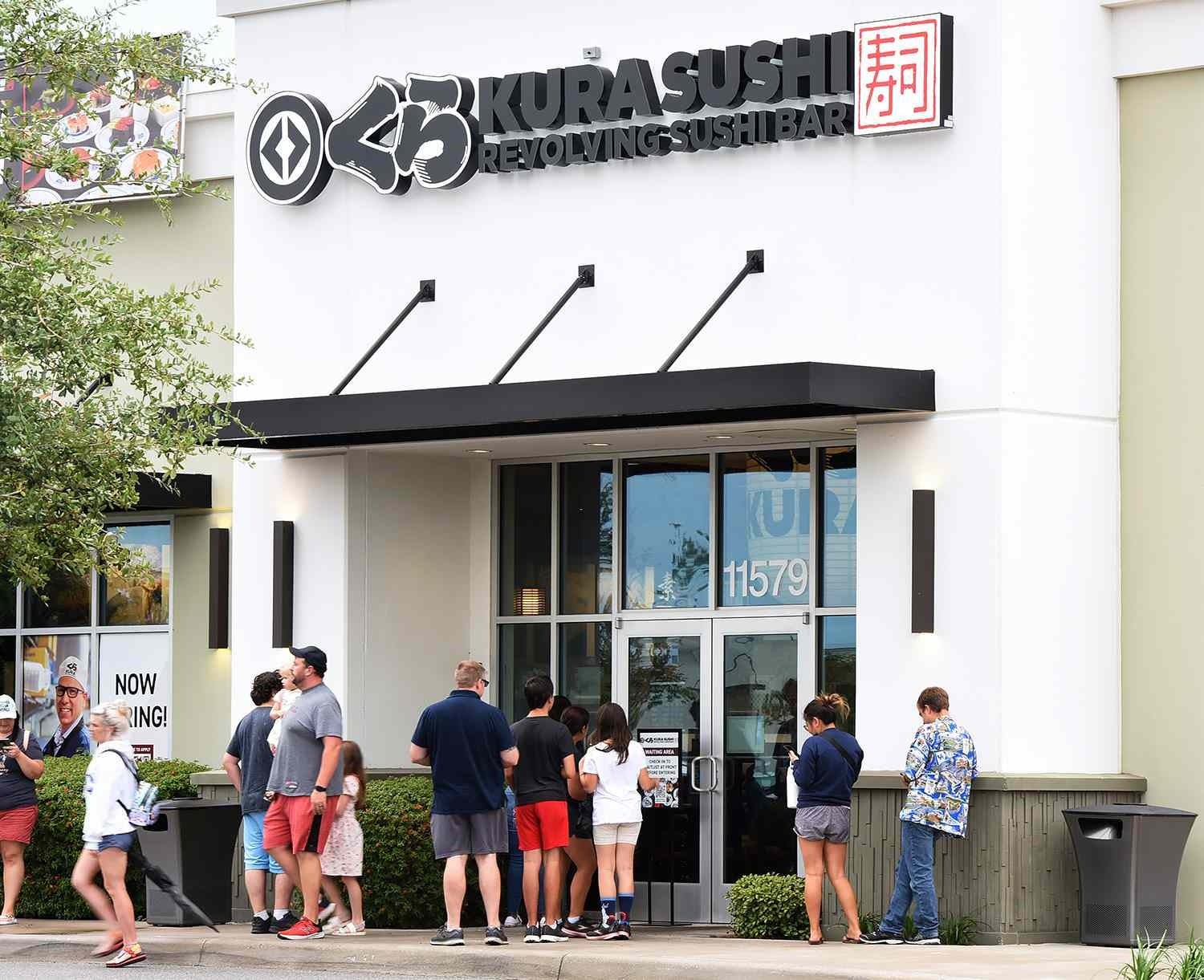
The company originally began in Japan and later expanded into the United States. Over the years, Kura Sushi has grown rapidly across American cities, especially in areas with younger consumers who enjoy social dining experiences and technology-focused restaurant concepts.
Part of the chain’s popularity comes from the experience itself. Eating at Kura Sushi feels interactive compared to traditional restaurants. Diners watch plates circulate continuously while colorful digital screens track orders and games reward customers for eating more sushi plates.
This blend of entertainment and dining has helped the chain stand out in an increasingly competitive restaurant industry.
Why Investors Are Paying Attention To Restaurant Technology
Trump’s investment also reflects a much larger trend happening across the restaurant business. Investors are increasingly interested in chains that combine food service with technology and automation.
Labor costs continue rising across the United States, and many restaurant companies are searching for ways to improve efficiency without sacrificing customer experience. Conveyor belt systems, digital ordering platforms, robotic assistance, and automated kitchens are becoming more attractive from a business perspective.
Kura Sushi fits directly into that trend. The chain markets itself as technology-enabled while still emphasizing authentic Japanese cuisine and traditional preparation methods.
For investors, this creates an interesting combination. The business appeals to younger consumers who value experiences and convenience while also operating with systems designed to streamline operations.
In many ways, Kura Sushi represents the future direction of casual dining. Restaurants are no longer simply places to eat. Increasingly, they function as entertainment spaces, social media experiences, and technology showcases all at once.
Trump’s Broader Investment Portfolio Reveals A Pattern
The sushi investment gained attention partly because it seemed unusual, but it was only one part of a much broader investment strategy revealed in the financial disclosure report.
Trump also invested heavily in major technology companies including Nvidia, Microsoft, Apple, Amazon, Adobe, Uber, and Dell. These purchases suggest continued confidence in the technology sector despite ongoing concerns about market volatility and artificial intelligence competition.
Alongside those tech investments, Trump also purchased stakes in several food-related companies. Reports showed investments in Chipotle, Domino’s, Costco, DoorDash, and McDonald’s.
Taken together, the portfolio paints an interesting picture. On one side are artificial intelligence, software, and technology infrastructure companies shaping the digital economy. On the other are recognizable consumer brands tied to everyday spending habits.
Financial analysts often note that restaurant chains can remain resilient during economic uncertainty because people continue seeking affordable convenience and comfort foods even during downturns.
The combination of tech giants and mass-market restaurant brands suggests an investment strategy focused on companies deeply embedded in everyday American life.
Trump’s Fast Food Reputation Makes The Story Even Bigger
Part of what fueled the story’s popularity was Trump’s long history with fast food culture. Few modern political figures have had their eating habits discussed as publicly or as frequently.
Over the years, Trump has repeatedly spoken about his preference for chain restaurants, particularly national fast food brands. Former aides, campaign staff, and journalists have often described his fondness for McDonald’s meals, Diet Coke, pizza, and packaged snacks.
That image became deeply connected to his public persona during both his business career and political campaigns.
Stories about Trump’s eating habits regularly become internet discussion topics because they combine relatability with celebrity fascination. Many people recognize the same brands and meals he talks about, making the stories easy to spread online.
The Kura Sushi investment suddenly expanded that narrative in an unexpected direction. The idea of Trump financially backing conveyor belt sushi restaurants created a surprising contrast to the burger-and-fries image many Americans already associated with him.
The Rise Of Sushi Culture In America
The investment also reflects how dramatically sushi culture has expanded across the United States during the past two decades.
What was once considered niche or exotic has become mainstream dining. Sushi restaurants now exist in shopping centers, suburbs, airports, college towns, and major cities nationwide.
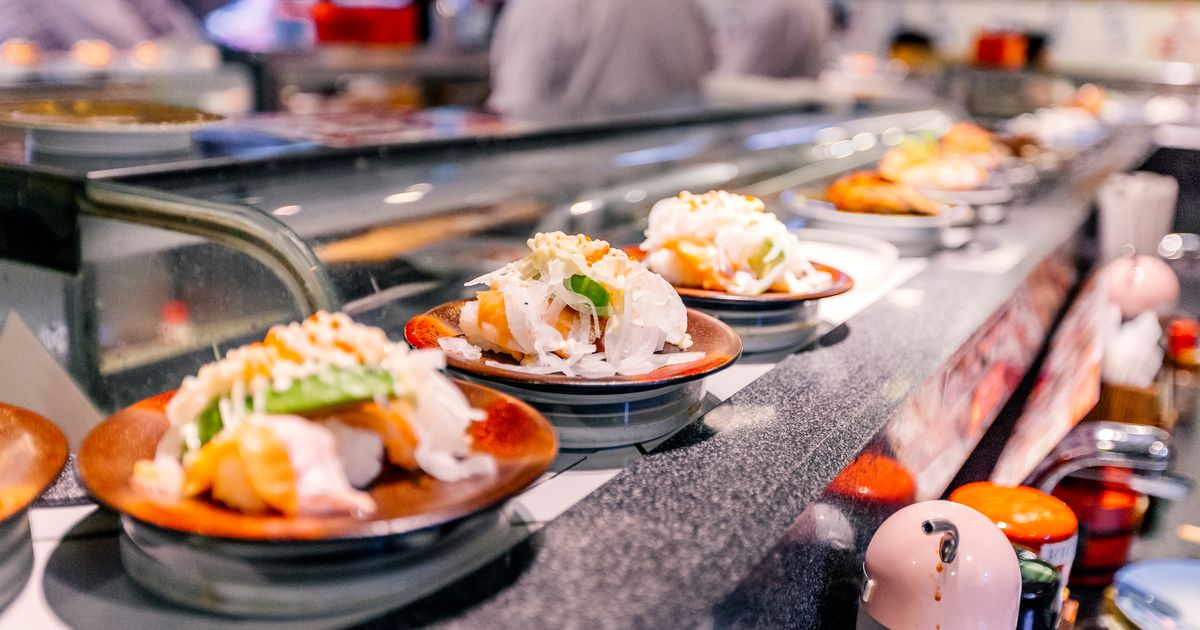
Chains like Kura Sushi have helped make Japanese cuisine more accessible to younger consumers and families. Conveyor belt restaurants reduce intimidation for first-time sushi eaters because customers can visually browse dishes rather than navigate unfamiliar menus.
Social media has also accelerated sushi culture’s popularity. Colorful sushi plates, automated dining systems, and interactive restaurant experiences perform extremely well online, especially among younger audiences.
In that sense, Kura Sushi is not merely selling food. It is selling a modern social experience that fits perfectly into the digital sharing culture dominating restaurants today.
Technology And Dining Are Merging Faster Than Ever
One reason Kura Sushi stands out to investors is because it represents a broader shift happening across the service industry. Technology is becoming inseparable from dining.
Restaurants increasingly rely on apps, digital ordering systems, delivery platforms, loyalty programs, automated kitchens, and AI-powered customer analytics. Consumers now expect speed, convenience, and personalization at nearly every stage of the dining experience.
Kura Sushi’s model feels particularly modern because the technology is highly visible to customers. Conveyor belts, touch-screen ordering, and automated systems are not hidden behind the scenes. They are part of the attraction itself.
This matters because younger generations often value novelty and experience alongside food quality. A restaurant that feels entertaining or futuristic can gain massive social media exposure even before customers taste the food.
Investors appear increasingly aware of that reality. Restaurant chains capable of generating online attention while improving operational efficiency may hold a strong advantage in the modern market.
Financial Performance Helped Make Kura Attractive
The company’s growth numbers likely also influenced investor interest. Kura Sushi has continued expanding its U.S. footprint while reporting strong sales growth.
The chain has positioned itself carefully within the casual dining market by balancing affordability with entertainment. Customers can enjoy relatively inexpensive plates while still feeling like the experience is unique and memorable.
That business model has proven increasingly effective as consumers search for dining experiences that feel enjoyable without becoming excessively expensive.
Kura Sushi’s rapid expansion across the United States also signals confidence in long-term demand. Investors often pay close attention to restaurant chains still in active growth phases because expansion creates potential for increasing revenue and market visibility.
Trump’s investment therefore may not be as random as internet reactions initially suggested. From a business standpoint, the chain aligns with several growing trends simultaneously: automation, experiential dining, Japanese cuisine popularity, and social media-driven restaurant culture.
Critics And Supporters View The Investment Differently
Like many Trump-related stories, reactions to the investment quickly became politically divided.
Supporters argued that the move demonstrates strong business instincts and openness to evolving consumer trends. They pointed out that successful investors often identify unusual growth opportunities before the mainstream market fully catches on.
Critics, meanwhile, mocked the idea online or questioned whether a president should maintain such extensive personal investment activity while in office.
Others focused less on politics and more on what the story says about modern celebrity culture. A restaurant investment that might normally receive minor financial coverage instead became international viral news largely because of Trump’s public identity.
That reflects the increasingly blurred lines between politics, entertainment, finance, and internet culture. In today’s media environment, even a sushi investment can become headline news for days.
The Investment Reflects Bigger Changes In American Culture
Beyond the politics and internet humor, the Kura Sushi story points toward larger shifts happening in American culture and consumer behavior.
The United States is becoming more globally influenced in its dining habits, especially among younger generations. International cuisines that once occupied niche markets are now fully integrated into mainstream food culture.
At the same time, technology is reshaping how people interact with restaurants. Convenience, automation, entertainment, and social sharing now play enormous roles in customer behavior.
Trump’s investment unexpectedly sits at the intersection of those trends. A Japanese conveyor belt sushi company represents globalization, digital dining culture, automation, and modern consumer psychology all at once.
That may explain why the story captured so much attention. It was never really just about sushi.
Why This Story Resonated So Strongly Online
The viral success of the story ultimately comes down to contrast. Donald Trump has spent years associated with classic American fast food culture. Seeing him invest millions into futuristic Japanese sushi restaurants felt surprising, funny, and strangely symbolic all at once.
But beneath the memes and headlines lies a more serious business reality. Kura Sushi represents a growing category of restaurant companies blending food, technology, entertainment, and social media appeal into one highly marketable experience.
For investors, those trends matter. For consumers, they shape how dining culture continues evolving. And for the internet, the image of Trump backing conveyor belt sushi may simply be too unusual not to talk about.
Whether the investment becomes highly profitable remains to be seen. But one thing is already certain. Few people expected a sushi chain to become one of the most talked-about political business stories of 2026.