
Table of Contents
- Shocking Allegations Resurface
- The Bombshell Claim: Amanda Ungaro Speaks Out
- Background: Melania, Epstein, and the Social Circles of the Early 2000s
- Paolo Zampolli’s Response and White House Reactions
- The Legal Context and Epstein Files
- Social Media and Public Perception
- Contradictory Statements: First Lady vs Former Associate
- Historical Photographs and Public Records
- Legal Battles and Repercussions
- Political and Ethical Implications
- Conclusion: What This Means for the White House and Public Discourse
Shocking Allegations Resurface
When news broke that Melania Trump had been named in a sensational claim tying her directly to the late financier and convicted sex offender Jeffrey Epstein, the story quickly reverberated across political and media circles. According to former Brazilian model Amanda Ungaro, a close associate of Melania’s in the early 2000s, the First Lady was allegedly acting as an escort for Epstein, and it was through this connection that she met Donald Trump. The claim, which emerged in a now-deleted WhatsApp recording, directly contradicts Melania Trump’s previous statements denying any relationship with Epstein or his associate, Ghislaine Maxwell .
What follows is an in-depth examination of the allegations, their context, and the implications for the White House as questions about transparency and accountability continue to mount.
The Bombshell Claim: Amanda Ungaro Speaks Out
Amanda Ungaro, who was romantically linked with modeling agent-turned-presidential envoy Paolo Zampolli, released a recorded message claiming that Zampolli never introduced Melania Trump to Donald Trump. Ungaro asserted, “It was Jeffrey Epstein, as she was escort of Jeffrey Epstein. That’s how she met Donald Trump.” Ungaro further added that she knew this because of her close association with Zampolli over two decades .
The claim immediately sparked controversy. While Melania has consistently denied any such connection, the release of the recording, albeit brief, has fueled media scrutiny. The recording was shared online by independent journalist Anthony Andrews, then removed, adding to the intrigue surrounding its contents.
Background: Melania, Epstein, and the Social Circles of the Early 2000s
Melania Knauss, before becoming First Lady, was a model in New York and part of Paolo Zampolli’s agency. This period of her life has long been part of the Trump narrative, detailing her meeting with Donald Trump at a New York party in 1998. Melania herself referenced this version during a press conference in April 2026, dismissing claims linking her to Epstein as “mean-spirited and politically motivated lies” .
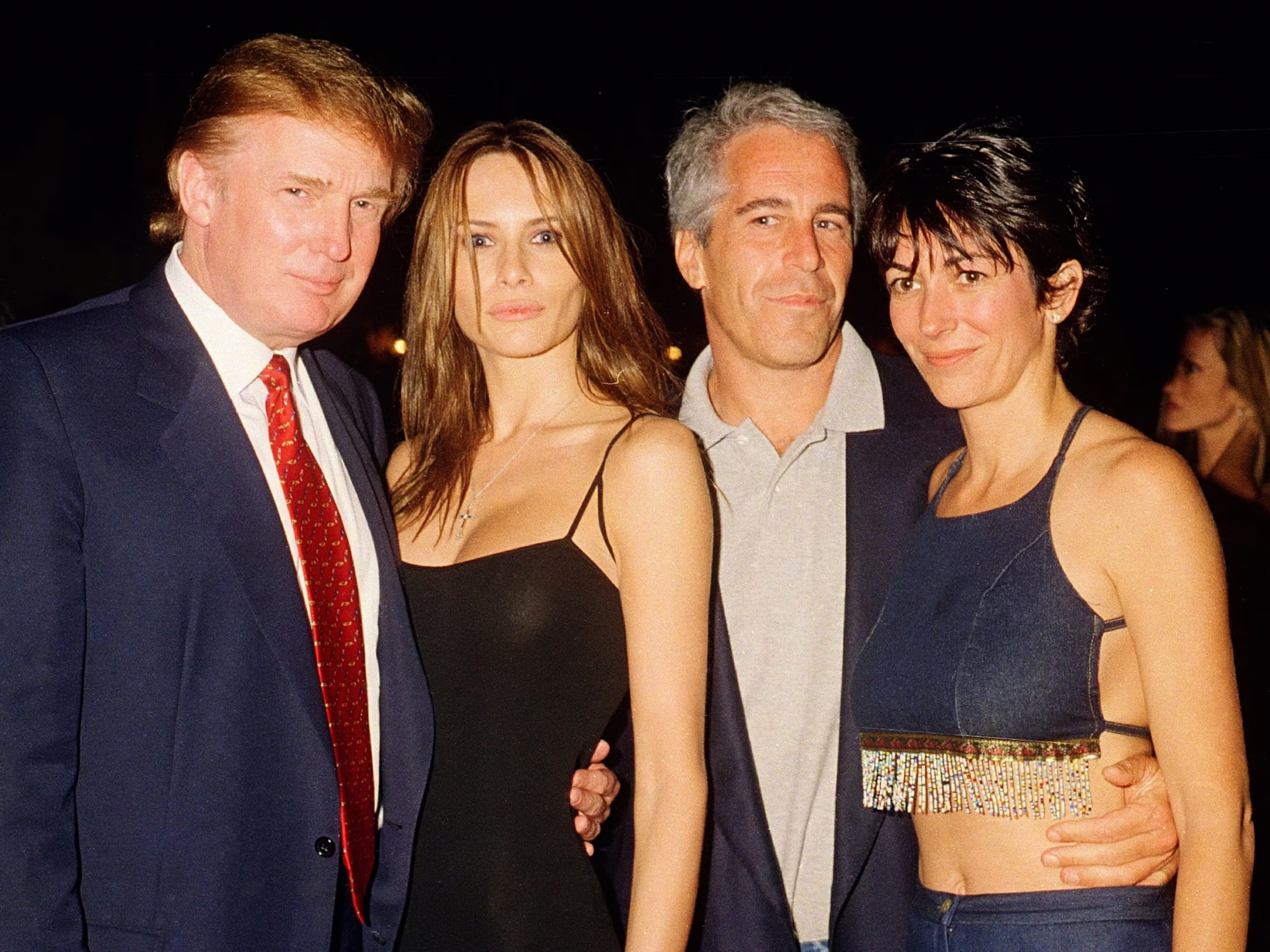
However, public records and photographs confirm that Melania and Donald Trump did attend events where Epstein and Maxwell were present, including Mar-a-Lago in February 2000. These overlaps in social circles, while not conclusive of wrongdoing, have been central to the resurgence of questions following Ungaro’s statements.
Paolo Zampolli’s Response and White House Reactions
Paolo Zampolli, now a Special Envoy for Global Partnerships and a member of the Kennedy Center Board of Trustees, has vehemently denied Ungaro’s allegations. He described the claims as “a disgrace” and expressed concern for Ungaro’s mental health, suggesting she may need therapy .
The White House and Melania’s office have not directly commented on the recording, though prior statements affirming her lack of knowledge about Epstein’s criminal activities remain on record. Legal actions and past retractions against journalists and publications that tried to link Melania to Epstein underline the administration’s intent to protect her public image.
The Legal Context and Epstein Files
The Department of Justice previously released extensive documents related to Epstein’s network, revealing the breadth of his connections with prominent figures. A one-time assistant to Epstein confirmed under penalty of perjury that Epstein facilitated introductions between Melania and Donald Trump . These filings, while not establishing criminal liability, provide context for why allegations continue to surface, especially from former associates like Ungaro who may have personal disputes with Zampolli.
Social Media and Public Perception
Ungaro’s initial posts appeared as direct responses to Melania’s archived first lady social media accounts, threatening to “expose everything” she knew. The posts, despite their deletion, generated renewed attention, emphasizing the volatility of online platforms in amplifying controversial claims. The interplay between social media exposure and traditional press coverage has created a high-stakes environment for both the First Lady and the White House.
Contradictory Statements: First Lady vs Former Associate
In April 2026, Melania Trump held a press conference denying any personal connection with Epstein. She stated, “I am not Epstein’s victim. Epstein did not introduce me to Donald Trump. I met my husband, by chance, at a New York City party in 1998.” Ungaro’s claims directly contradict this timeline and narrative, asserting that Epstein, not chance, was responsible for the initial introduction .
This discrepancy has created a complex media narrative, where both statements carry weight: one from a highly scrutinized public figure and another from a former close associate with its own personal motivations.
Historical Photographs and Public Records
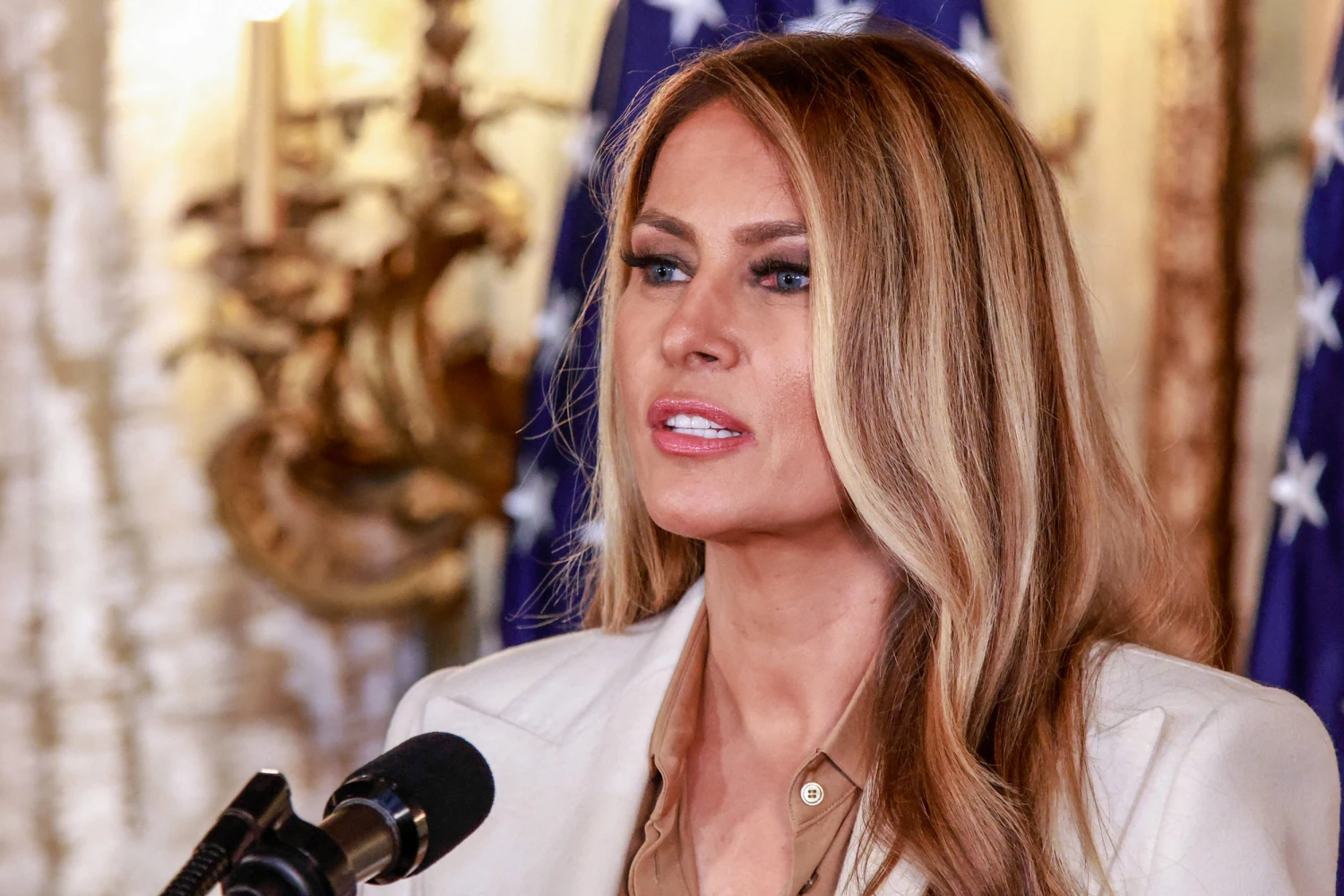
Archival images confirm interactions between the Trumps, Zampolli, and Epstein at social events. In February 2000, Melania and Donald were photographed alongside Epstein and Maxwell at Mar-a-Lago. While these images do not prove any illicit behavior, they confirm that their social worlds intersected. Such documented overlaps form the evidentiary backdrop for both public skepticism and defense narratives.
Legal Battles and Repercussions
Melania Trump has previously filed lawsuits against journalists, authors, and media outlets for attempting to tie her to Epstein, successfully obtaining retractions and apologies from HarperCollins Publishers, James Carville, and the Daily Beast . These legal maneuvers emphasize her proactive strategy to protect her reputation and challenge claims she considers defamatory. Meanwhile, Ungaro’s recording adds a new layer of complication, potentially inviting additional scrutiny and legal contestation.
Political and Ethical Implications
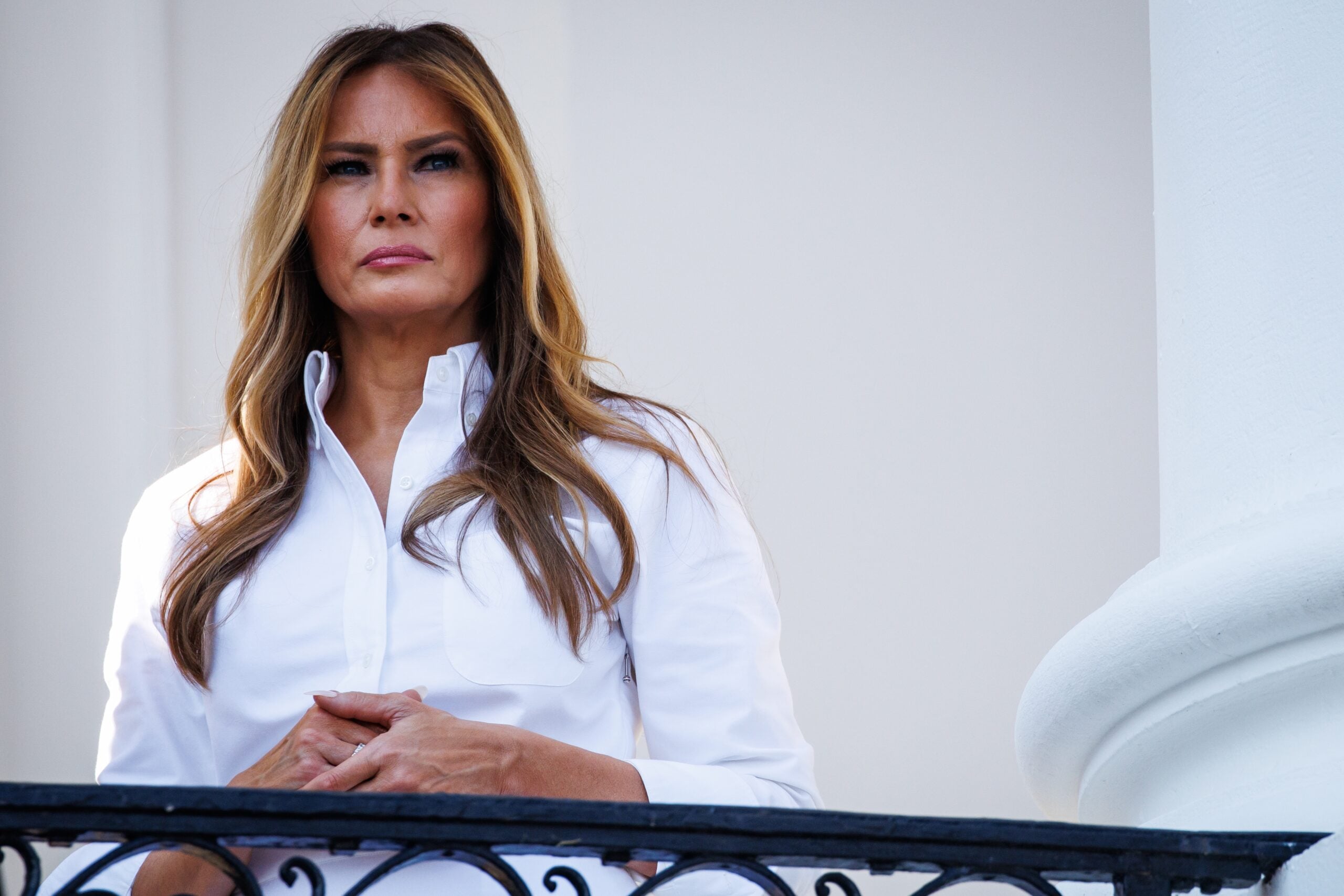
The resurfacing of Epstein-related allegations against a sitting First Lady presents significant ethical and political questions. Lawmakers and victims’ advocates have called for greater accountability and transparency. Groups representing Epstein’s survivors criticized the administration for allegedly shifting the burden onto survivors under politicized conditions, emphasizing that systemic follow-up is necessary to ensure justice .
Congressional figures across party lines have expressed support for public hearings to ensure survivors’ voices are heard. Such oversight would test the administration’s commitment to ethical governance and the broader societal response to historical abuse cases.
Conclusion: What This Means for the White House and Public Discourse
The latest claims linking Melania Trump to Jeffrey Epstein illustrate the enduring complexity of public figures’ past associations and the challenges of media verification. While Melania maintains her innocence and legal teams continue to challenge defamatory statements, Ungaro’s assertions ensure that the Epstein network remains a topic of national conversation.
As public discourse navigates the line between verified history and sensational allegation, the First Lady’s case highlights broader questions about accountability, media ethics, and the responsibility of public figures to address past connections. It also underscores the difficulty of disentangling personal reputation from historical social networks, particularly when legal, political, and media pressures intersect. The narrative will likely continue evolving as journalists, lawmakers, and advocacy groups press for clarity and transparency, making this a defining moment for both the White House and national media culture.