
Table of Contents
- The July 30 Hunt and Its Coverage
- International Reactions and Condemnation
- Faroese Defense and Cultural Context
- Historical Significance of Whaling
- Regulatory Framework and Sustainability
- Environmental and Ethical Considerations
- Community Impact and Local Significance
- Visual Impact and Public Perception
- Reflections on Tradition, Modernity, and Global Opinion
- Cultural Legacy Meets Global Scrutiny
The July 30 Hunt and Its Coverage
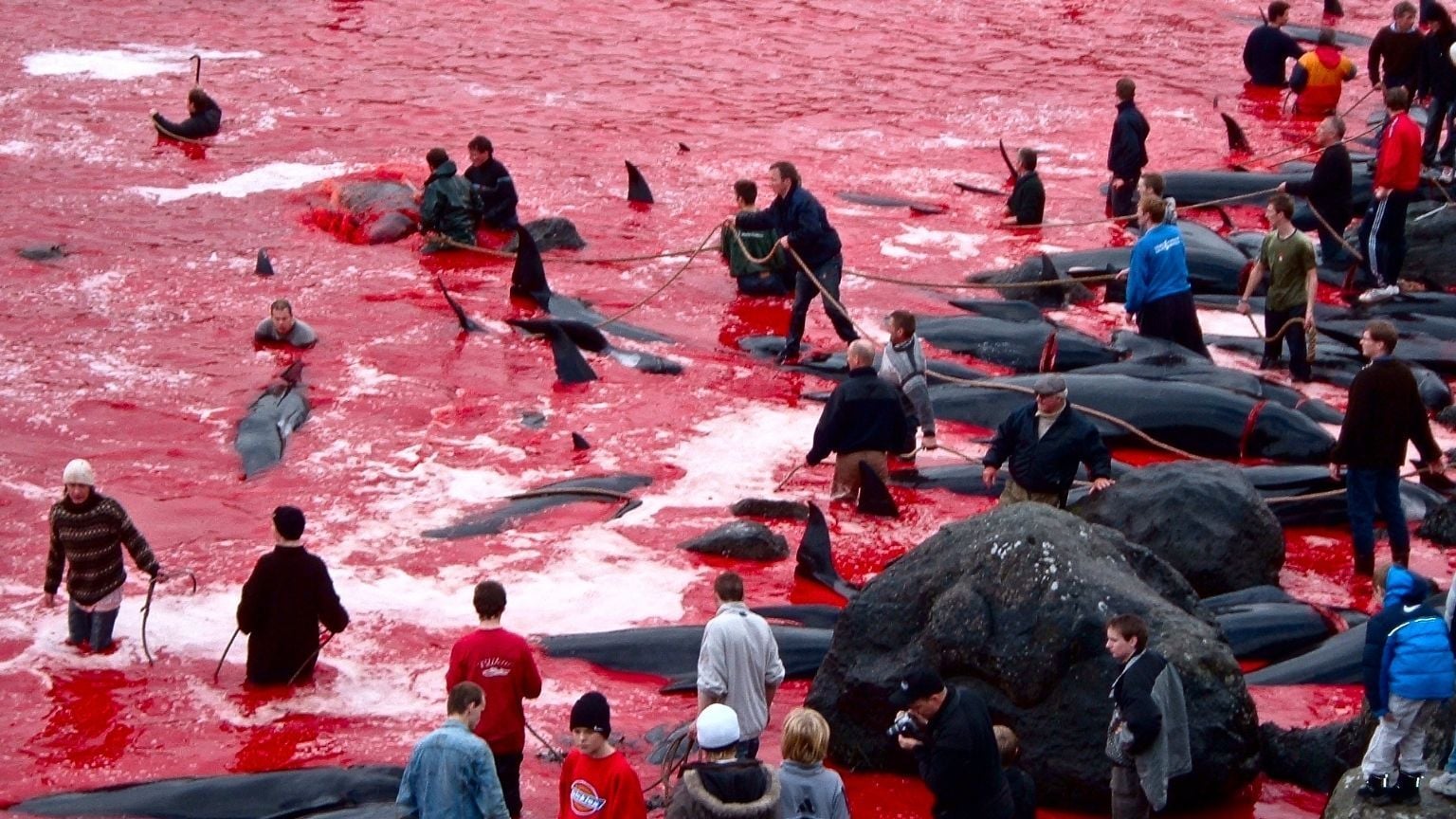
The hunt took place on July 30, 200 miles north of Scotland, in the bay of Sandavágur on the western island of Vágar. Pilot whales were targeted in what local authorities describe as a long-standing legal practice. Alastair Ward, a visiting photographer documenting his graduation from the University of Cambridge, captured striking images of the whales being herded and killed, showing the sea turning red with their blood.
The hunt is one of several that occur every summer in the archipelago. While the procedure is regulated and participants are trained, the visuals shocked audiences unfamiliar with the tradition. Social media platforms quickly amplified the imagery, prompting discussions about ethics, animal welfare, and cultural practices.
International Reactions and Condemnation
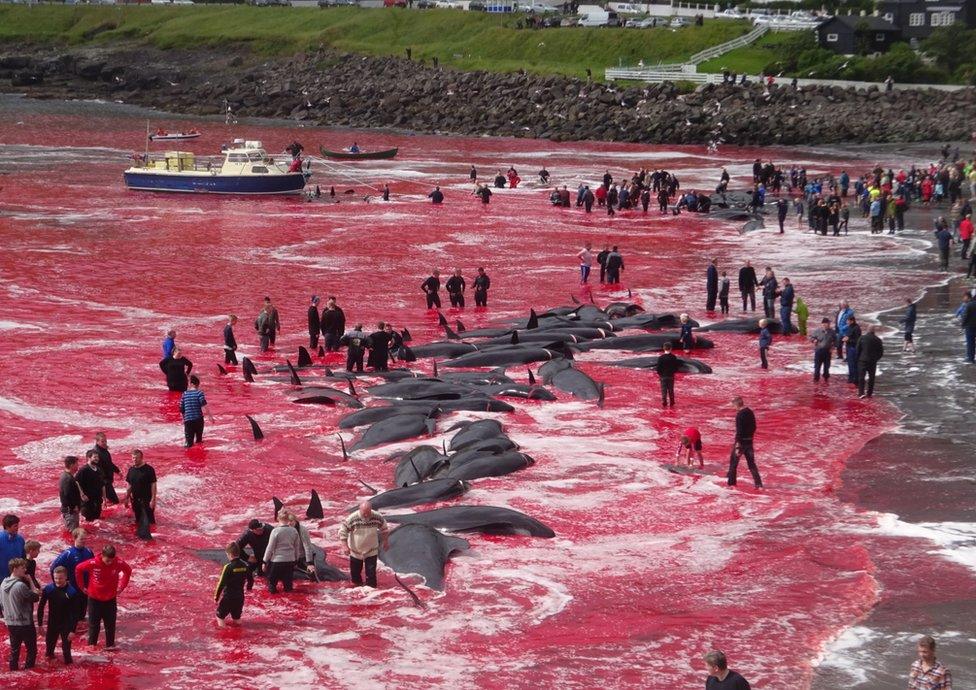
The global response was swift. Animal advocacy groups, including the UK-based Blue Planet Society, condemned the hunt as archaic and inhumane. In a statement, the organization criticized the Faroese approach, asserting that such practices are relics of the past with no place in modern society. The group described the killings as lacking respect and empathy, framing them as forms of entertainment rather than necessity.
These criticisms reflect broader concerns about whaling practices worldwide. While pilot whales are not endangered and current levels of Faroese hunts do not threaten their population, the public outcry centers on ethical considerations and the visual brutality of the hunt.
Faroese Defense and Cultural Context
In response to international criticism, the Faroese government defended the hunt as a “natural part of Faroese life.” Officials emphasized that the meat and blubber of pilot whales have long been central to the national diet and that the practice is carried out responsibly. The government noted that the catches are largely shared within the community without monetary exchange, providing hundreds of kilos of meat and blubber per whale.
Authorities also highlighted that participants must complete a formal whaling course and obtain a license to conduct the hunts, which are regulated to minimize suffering. The practice is not performed frivolously but as part of a cultural and nutritional tradition that sustains local communities.
Historical Significance of Whaling
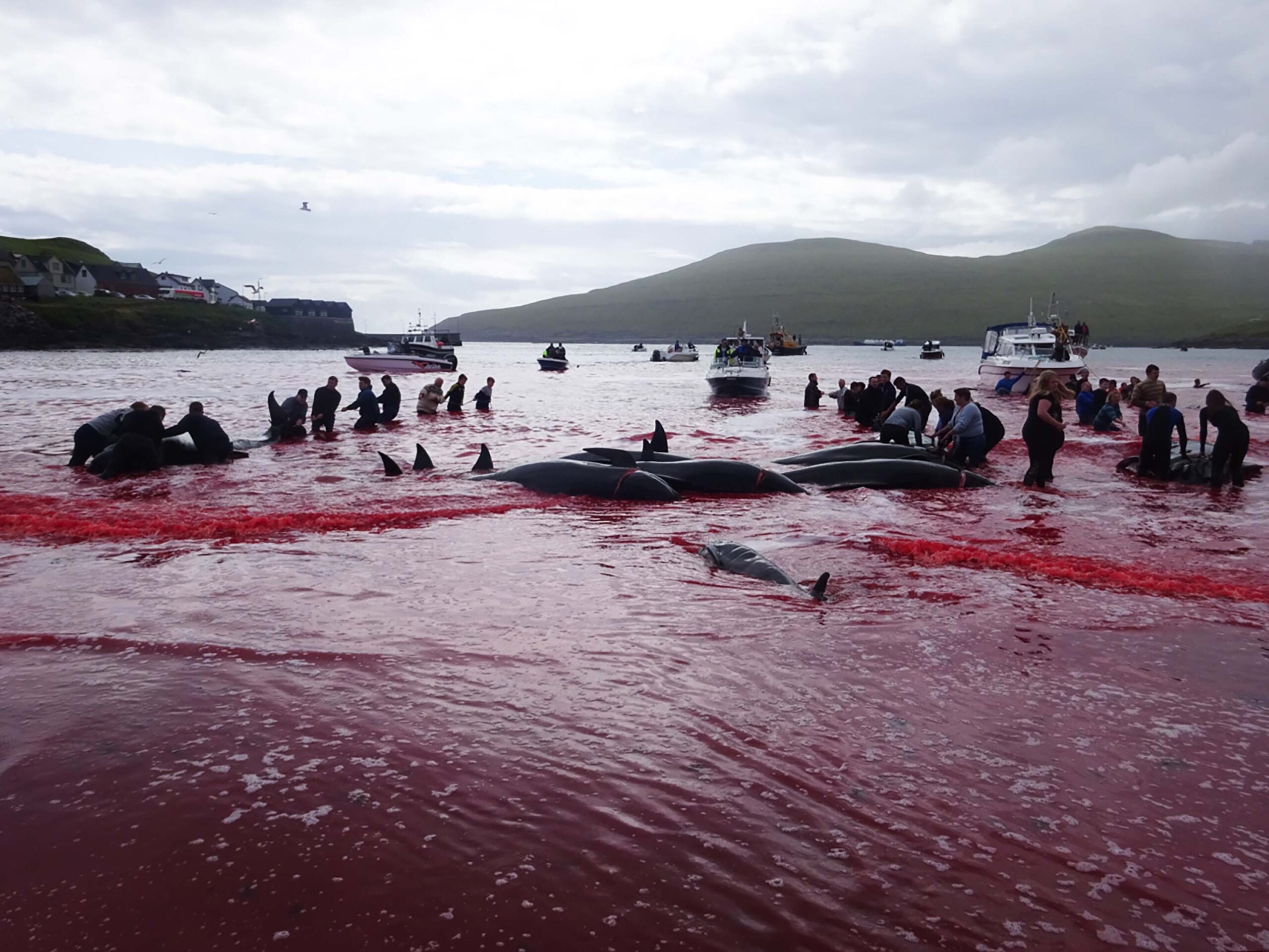
Whaling in the Faroe Islands has deep historical roots. For centuries, coastal communities have relied on whales for sustenance, clothing, and materials. The hunts are embedded in the social fabric and governance structures of the islands, representing a link between past and present.
While outsiders may perceive the hunts as shocking or outdated, local perspectives emphasize survival, sustainability, and cultural continuity. The tradition is carefully regulated, balancing long-standing practices with modern conservation standards.
Regulatory Framework and Sustainability
Pilot whale populations are closely monitored, and the Faroese government ensures that annual hunts do not threaten their sustainability. Oversight extends to international bodies, including the North Atlantic Marine Mammal Commission, which sets guidelines and enforces regulations to protect marine populations.
Each hunt is conducted according to strict protocols to ensure rapid and humane killing. Participants are trained to minimize suffering, reflecting a modern approach to a traditional practice. Authorities assert that, although the imagery may appear graphic, the hunts are carried out with care and respect for the animals.
Environmental and Ethical Considerations
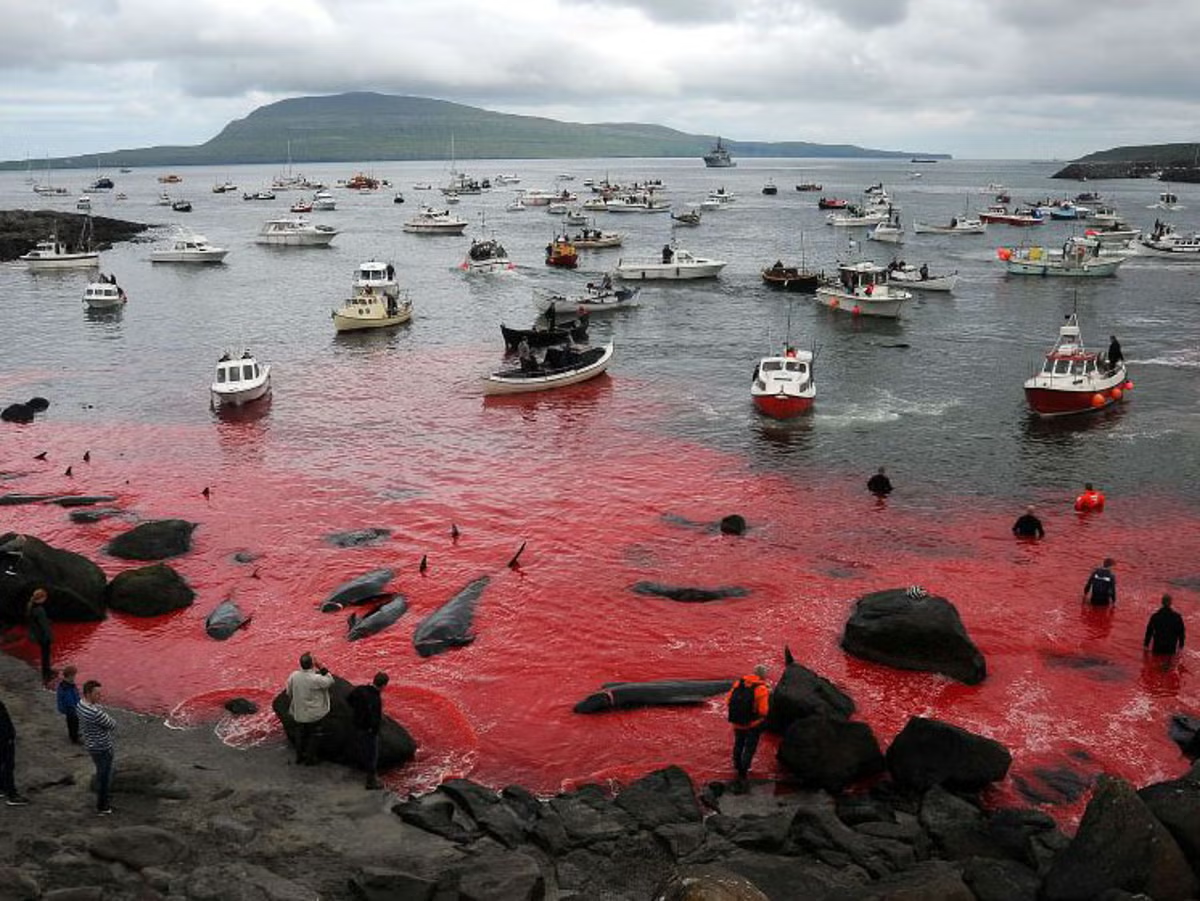
The environmental impact of whaling in the Faroe Islands is limited, as pilot whales are not endangered and populations remain stable. Nevertheless, the ethical debate persists, fueled by the visual nature of the hunts and growing global sensitivity to animal welfare. Critics argue that traditions must evolve in light of ethical progress, while supporters maintain that sustainable, regulated hunts provide essential nutrition and preserve cultural identity.
This tension between tradition and modern ethical standards forms the crux of international debates surrounding whaling practices. Images of bloodied waters evoke visceral reactions, challenging observers to reconcile cultural practices with contemporary values.
Community Impact and Local Significance
For the approximately 50,000 residents of the Faroe Islands, whaling provides food security and community cohesion. The sharing of whale meat and blubber reinforces social bonds and sustains local diets that would otherwise rely on imported food. Each hunt supports multiple families, illustrating the practical role of the tradition in daily life.
The hunts also serve as educational and participatory events, reinforcing communal identity and cultural continuity. Participants gain skills, knowledge, and a sense of shared responsibility, ensuring that traditions are passed from generation to generation.
Visual Impact and Public Perception
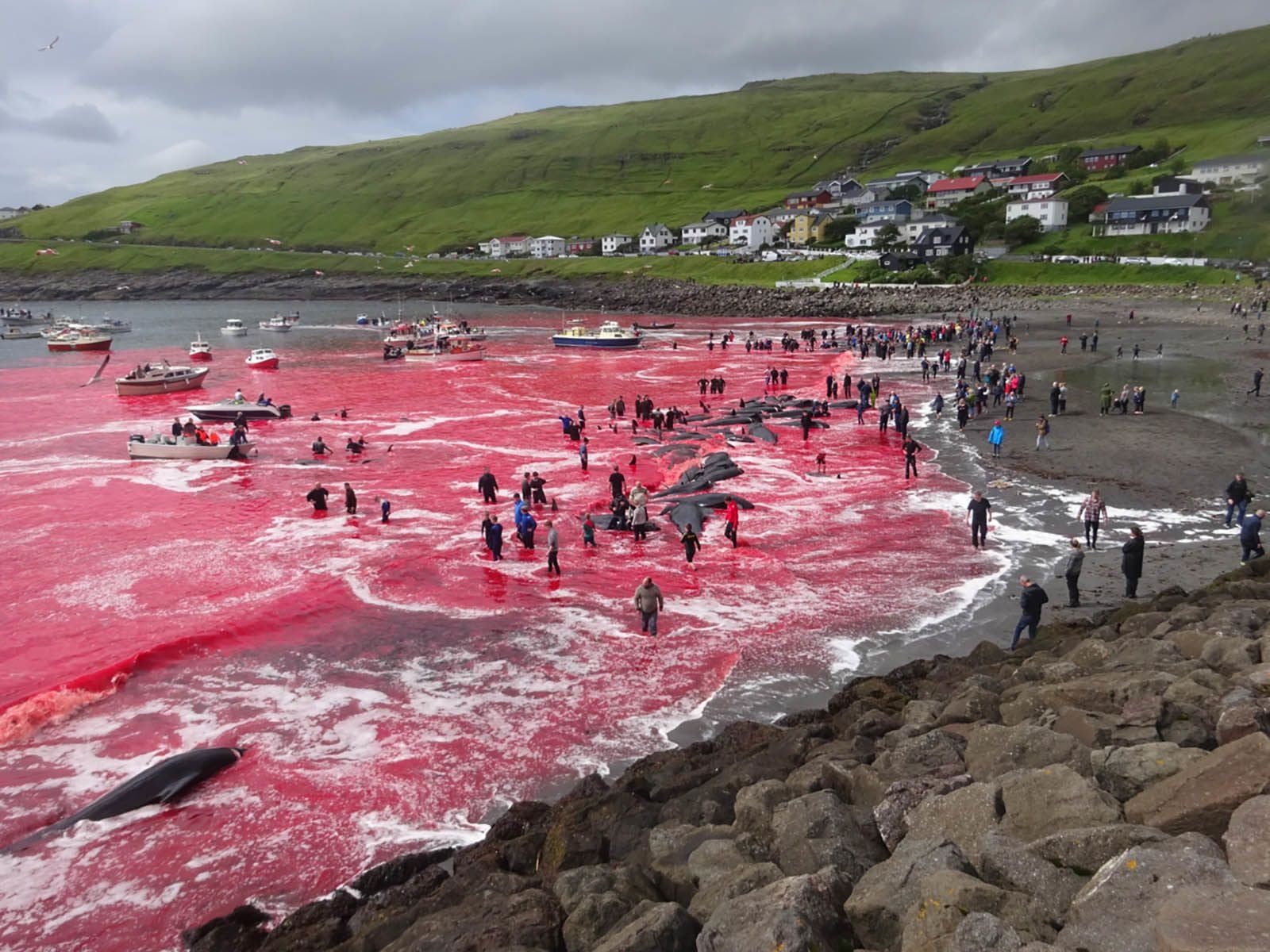
Images of the hunts, particularly the red-stained waters, have become a focal point for global media coverage. While authorities emphasize regulation and sustainability, the visual spectacle provokes strong emotional reactions. Photographers capturing the events contribute to heightened awareness, often framing the hunts as symbolic of human-nature conflict and ethical dilemmas.
Social media dissemination has amplified scrutiny, prompting debates about the limits of cultural tolerance and the role of international oversight. The striking visual impact of the hunts ensures they remain a topic of controversy and discussion.
Reflections on Tradition, Modernity, and Global Opinion
The Faroe Islands whale hunt highlights the tension between maintaining traditional practices and responding to modern ethical standards. Authorities defend the hunts as sustainable, regulated, and culturally significant, while international organizations and animal rights activists challenge the morality of killing whales for food and ritual.
This dichotomy raises broader questions about globalization, cultural relativism, and the responsibility of societies to adapt to evolving moral frameworks. The hunts exemplify the complex interplay between local customs, environmental stewardship, and global expectations.
Cultural Legacy Meets Global Scrutiny
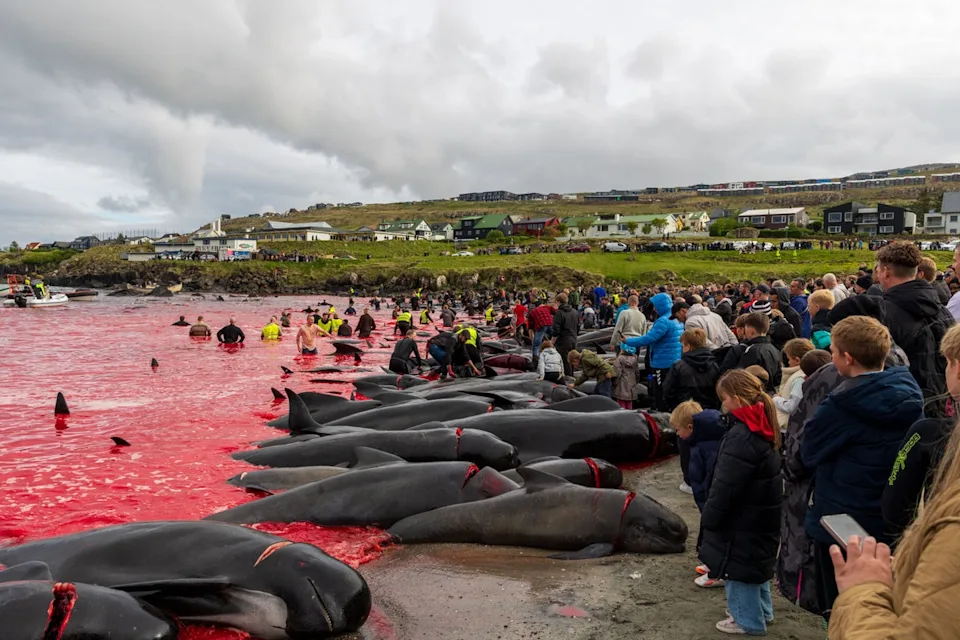
The whale hunt in Sandavágur Bay underscores the challenges of balancing tradition with modern sensibilities. While the practice is legal, sustainable, and culturally embedded, the images of blood-stained waters spark global debate and ethical reflection.
Moving forward, the Faroe Islands face the task of maintaining cultural heritage while addressing international concerns about animal welfare and public perception. The hunts serve as a lens through which broader societal tensions can be examined, illustrating how local customs can resonate globally.
Ultimately, the Faroe Islands whale hunt is more than a local event. It is a story of cultural resilience, sustainability, and ethical complexity that engages communities, governments, and international observers alike. As debates continue, the hunt remains emblematic of the enduring tension between tradition and global ethical standards, ensuring it will remain a topic of discussion for years to come.