

Table of Contents
- The Details of the Maine Law
- Environmental and Energy Concerns
- Economic Considerations and Local Impact
- National Implications and Trendsetting
- Stakeholder Perspectives
- Historical Context of Data Center Growth
- Grid Reliability and Energy Policy
- Future of Data Center Regulation
- Balancing Technology and Sustainability
The Details of the Maine Law
The new legislation places a temporary halt on the approval and permitting of large-scale data centers. The moratorium applies to facilities consuming more than 20 megawatts of power, a threshold aimed at curbing the most energy-intensive operations. Lawmakers emphasized that the restriction is temporary, set to expire automatically on November 1, 2027, unless further measures are enacted.
Alongside the moratorium, Maine has established the Maine Data Center Coordination Council. This dedicated body will study the impacts of large data centers on grid reliability, rising energy costs for local communities, environmental consequences, and broader economic effects. The council has been tasked with reporting its findings to the Governor by February 1, 2027, after which lawmakers may propose additional restrictions or permanent regulations.
Environmental and Energy Concerns

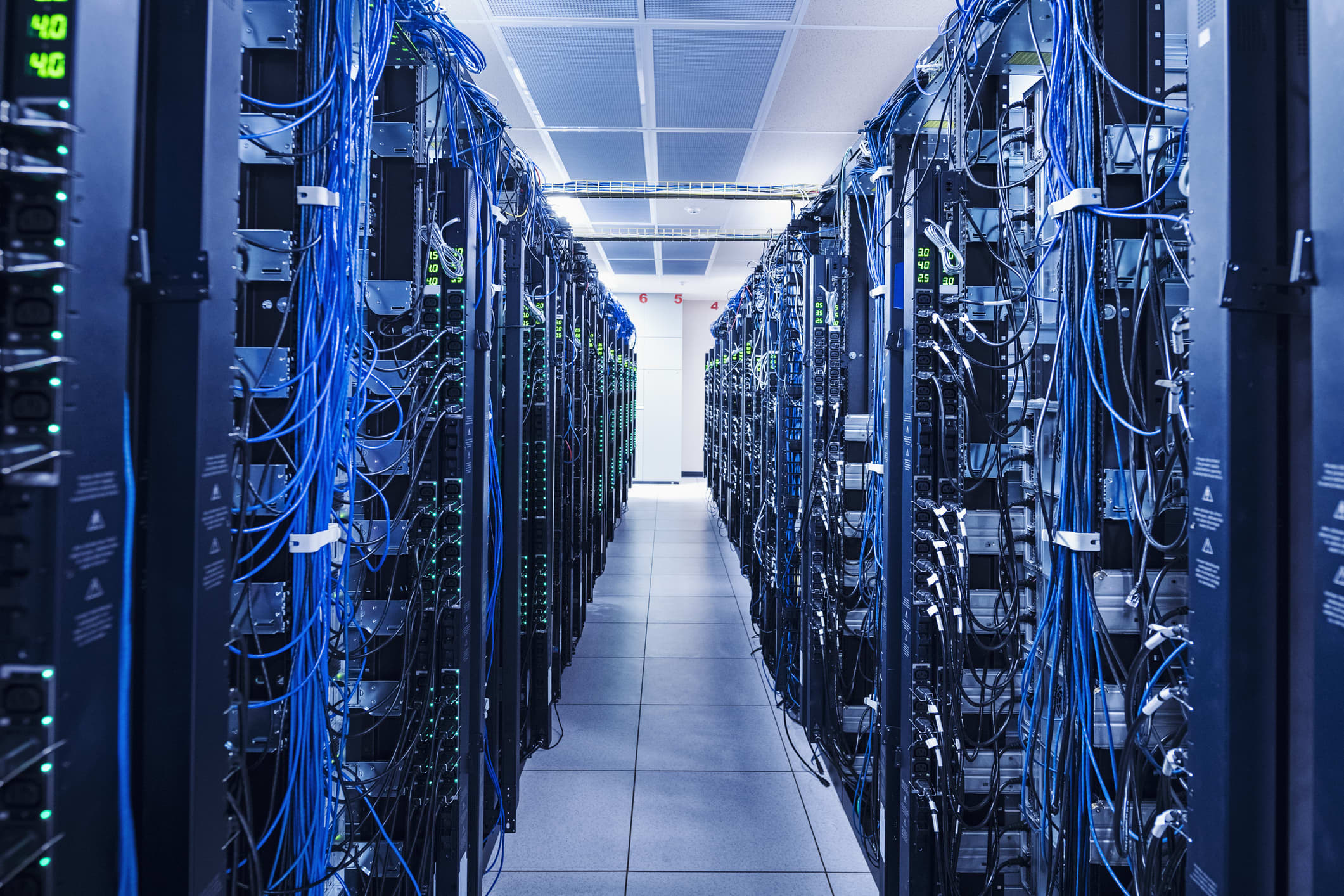
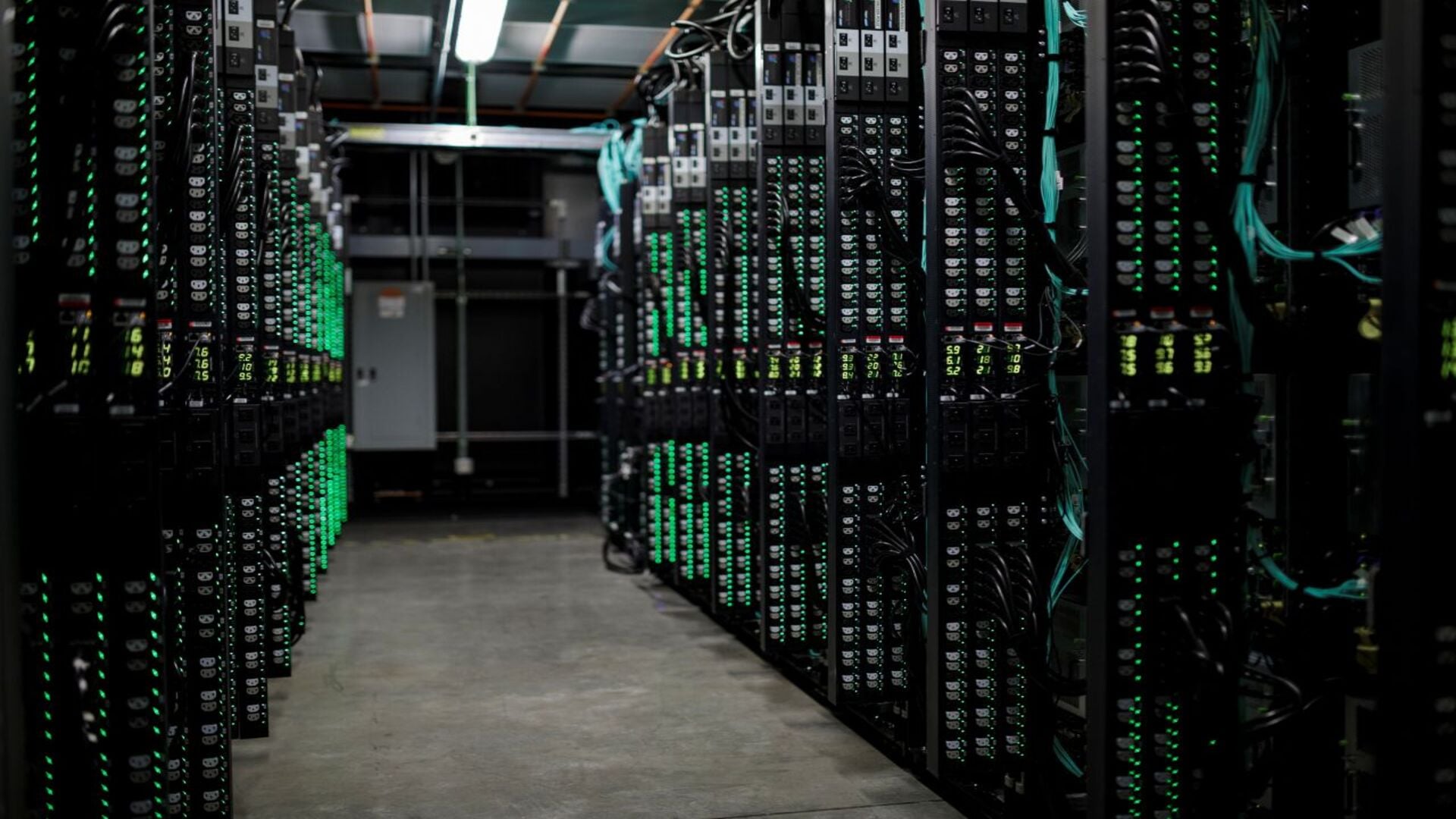
Concerns over data center construction in Maine reflect broader environmental and energy considerations. Large facilities require enormous amounts of electricity to power servers and maintain cooling systems. Additionally, significant quantities of water are often consumed in the cooling process. Lawmakers and environmentalists worry that rapid data center buildouts could overburden local infrastructure, strain the power grid, and contribute to increased energy costs for residents.
The legislation represents a proactive approach to managing growth in the technology sector while balancing sustainability. By imposing a temporary moratorium, Maine is buying time to analyze the environmental footprint and economic implications of these energy-intensive operations.
Economic Considerations and Local Impact
Data centers contribute to local economies by creating construction jobs and permanent technical positions. However, critics argue that the benefits are sometimes outweighed by the costs of increased energy demand and environmental stress. Large-scale facilities can place extraordinary demands on regional power grids, requiring upgrades that are ultimately funded by taxpayers.
By establishing the Data Center Coordination Council, Maine aims to quantify both the benefits and drawbacks of these developments. The council’s findings will help determine whether the temporary ban should be lifted, modified, or extended, providing a framework for evidence-based policymaking.
National Implications and Trendsetting
Maine’s decision could have nationwide implications. Several states, including Georgia, Maryland, Michigan, New Hampshire, New York, Oklahoma, South Carolina, South Dakota, Vermont, Virginia, and Wisconsin, have reportedly considered similar measures to curb energy-intensive data center construction. Maine’s legislation may serve as a model, prompting other jurisdictions to explore comparable restrictions or moratoriums.
The law also adds to ongoing debates about corporate responsibility, technological growth, and transparency. Earlier this year, investors called on major companies, including Amazon, Microsoft, and Google, to disclose more detailed information regarding data center energy consumption and environmental impact on a per-campus basis.
Stakeholder Perspectives
Industry stakeholders have expressed mixed reactions to the moratorium. Data center operators argue that large-scale facilities are essential for supporting cloud services, AI computing, and digital infrastructure. These companies contend that Maine’s temporary ban could slow technological innovation and disrupt the ability to meet national and global data demands.
Conversely, environmental advocates and local residents largely support the moratorium. They argue that without careful oversight, rapid data center growth could compromise environmental sustainability, increase energy costs, and create long-term ecological consequences. By taking a cautious approach, Maine aims to ensure that growth does not come at the expense of the environment or public welfare.
Historical Context of Data Center Growth
Over the past decade, data centers have expanded rapidly across the United States. The growth of cloud computing, streaming services, and AI technologies has driven demand for larger, more sophisticated facilities. While economic benefits are significant, energy consumption associated with these operations has raised questions about sustainability, climate impact, and equitable resource distribution.
Maine’s decision can be seen as part of a broader effort to reconcile technological advancement with environmental responsibility. By temporarily halting construction and assessing long-term impacts, the state is signaling its commitment to measured, sustainable development.
Grid Reliability and Energy Policy
A key driver of the Maine legislation is concern over grid reliability. Large data centers draw substantial power, which can create instability or necessitate costly upgrades. In some regions, energy infrastructure may not be equipped to handle sudden surges in demand, increasing the risk of outages or higher energy rates for local communities.
The Data Center Coordination Council will evaluate these risks and recommend strategies to mitigate potential impacts. By studying energy usage, peak demand periods, and potential stress on local utilities, the council can inform policy decisions that protect both residents and businesses.
Future of Data Center Regulation
The temporary moratorium in Maine may herald a new era of data center regulation. If the council’s findings suggest significant environmental or economic risks, the state could introduce permanent restrictions or more stringent approval processes. Other states are likely to monitor Maine’s experience closely, potentially adopting similar policies to balance growth with sustainability.
Transparency, accountability, and data-driven decision-making will be central to this process. Companies planning new facilities may be required to provide detailed energy usage reports, environmental impact assessments, and contingency plans for mitigating local disruption.
Balancing Technology and Sustainability
Maine’s temporary ban on large data center construction represents a groundbreaking approach to managing technological growth responsibly. By addressing energy consumption, environmental impact, and community concerns, the state is creating a framework for sustainable development while maintaining economic opportunities.
As other states consider similar measures, Maine’s law may become a template for balancing technological expansion with ecological and societal responsibility. The establishment of the Data Center Coordination Council ensures that decisions will be informed by rigorous analysis, protecting both the environment and the interests of local residents.
Ultimately, Maine’s move underscores the challenges and opportunities of modern governance in the digital age. It demonstrates that innovation must be tempered with sustainability, oversight, and public engagement. How policymakers, companies, and communities respond to this precedent may shape the future of data center growth, energy policy, and environmental stewardship across the United States and beyond.