
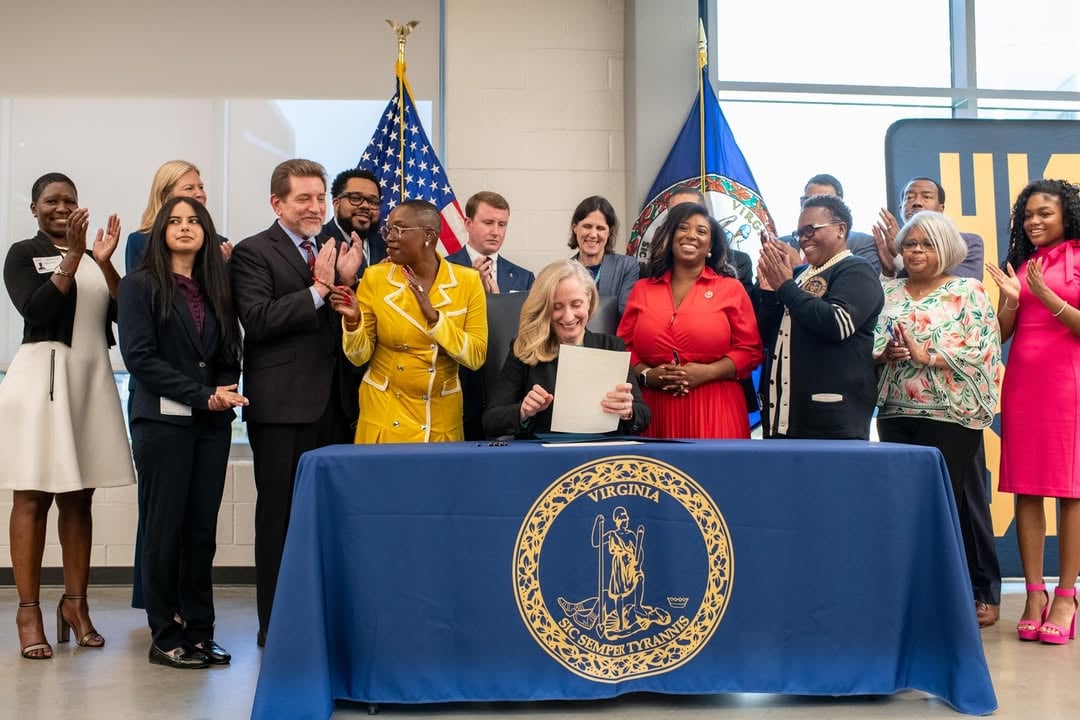
When Virginia Governor Abigail Spanberger signed a massive package of public safety legislation into law, it immediately triggered national attention. The sweeping collection of bills touches nearly every corner of modern crime prevention, from gun violence and ghost guns to cyberstalking, human trafficking, sexual exploitation, and protections for law enforcement officers. For supporters, the legislation represents one of the most aggressive public safety pushes seen in Virginia in years. For critics, it marks another major chapter in America’s intensifying debate over firearms, crime, and government oversight.
What makes this moment especially significant is not just the number of bills signed into law, but the sheer breadth of issues being targeted simultaneously. The legislation combines gun restrictions, school protections, online safety measures, domestic violence reforms, and expanded accountability for firearm manufacturers under a single public safety strategy. The result is a political move that could influence future legislation far beyond Virginia’s borders.
Table of Contents
- Governor Spanberger Frames Public Safety As Personal
- Virginia Moves Aggressively Against Ghost Guns
- Domestic Violence Firearm Restrictions Expand
- Firearm Manufacturers Could Face Legal Accountability
- Cyberstalking And Online Sexual Exploitation Become Major Targets
- New School And Child Protection Measures Introduced
- Human Trafficking Awareness Expanded Across Virginia
- Public Safety Extends Beyond Guns
- Why Virginia’s Actions Could Influence Other States
- A Defining Moment In America’s Public Safety Debate
Governor Spanberger Frames Public Safety As Personal
Governor Abigail Spanberger emphasized that public safety is deeply personal to her background. As a former federal law enforcement officer and someone from a law enforcement family, she described the legislation as part of a broader effort to support officers while protecting communities from growing threats both online and offline.
According to the governor’s office, the new laws are designed to improve cooperation among law enforcement agencies, strengthen protections for children, and close legal loopholes connected to firearms and domestic violence. The announcement framed the legislation not simply as political reform, but as a response to evolving threats facing modern communities.
The legislation arrives during a period when public concern over gun violence, online exploitation, and school safety remains extremely high across the United States. Incidents involving ghost guns, domestic violence shootings, and internet based harassment have increasingly shaped public discourse, pushing many state governments to act independently even as federal gun legislation remains politically divisive.
Virginia Moves Aggressively Against Ghost Guns

One of the most talked about laws in the package is Virginia’s crackdown on so called ghost guns. The new legislation bans the manufacture, sale, and possession of untraceable firearms without serial numbers. These weapons have become a growing concern for law enforcement agencies nationwide because they are difficult to track and often assembled from kits purchased online.
Supporters of the bill argue that ghost guns have become increasingly attractive to criminals because they bypass traditional firearm tracking systems. Critics, however, argue the law may create complications for hobbyists and gun rights advocates who legally assemble firearms.
Still, law enforcement organizations have repeatedly warned that ghost guns are appearing more frequently at crime scenes across the country. Virginia’s decision to target these firearms places the state among a growing number of jurisdictions attempting to close gaps in firearm traceability.
Domestic Violence Firearm Restrictions Expand
Another major component of the legislation focuses on domestic violence related firearm restrictions. Virginia closed what lawmakers described as the “intimate partner loophole,” prohibiting individuals convicted of misdemeanor domestic violence offenses against intimate partners from possessing firearms.
Advocates for survivors of domestic violence praised the move, pointing to years of research showing the heightened risk of homicide when abusers have access to firearms. Supporters argue that even misdemeanor convictions can signal dangerous patterns of escalating behavior.
Additional legislation also clarified how prohibited individuals may legally transfer firearms out of their possession. Under the new law, those subject to protective orders or domestic violence convictions can transfer firearms to approved adults who are legally allowed to possess them and do not live in the same household.
These changes reflect a broader national trend in which states are tightening restrictions around firearms and domestic abuse, particularly after several high profile domestic violence shootings gained national media attention in recent years.
Firearm Manufacturers Could Face Legal Accountability
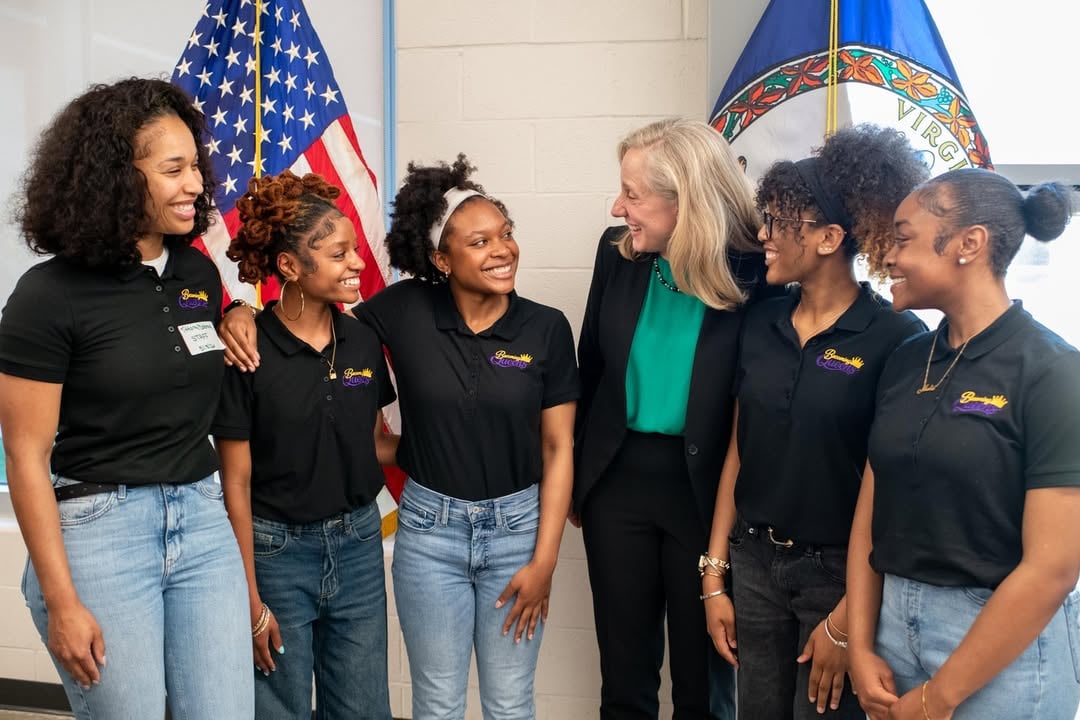
Perhaps one of the most controversial bills signed into law allows firearm manufacturers and dealers to face legal accountability if negligent business practices contribute to gun violence. The legislation has already sparked fierce debate among gun rights groups and legal experts.
Supporters argue the measure is similar to accountability standards applied to other industries. They believe manufacturers and sellers should not be shielded from lawsuits if irresponsible practices directly contribute to criminal activity or public harm.
Opponents, however, warn that the law could open the door to expansive litigation against gun businesses even when crimes are committed by third parties. Gun rights advocates argue such laws unfairly target the firearms industry while ignoring broader social causes of violence.
The legislation positions Virginia within a growing national movement testing the boundaries of legal liability for firearm companies, an issue that has become increasingly prominent after mass shootings and urban gun violence incidents across the country.
Cyberstalking And Online Sexual Exploitation Become Major Targets
The new legislation does not focus solely on physical violence. Virginia lawmakers also targeted growing forms of digital exploitation and online abuse. One law strengthens cyberstalking protections to guard Virginians against unwanted violent or sexual contact online. Another creates new criminal offenses related to sexual extortion and unauthorized production of explicit images.
The law specifically criminalizes threats involving sexually explicit images intended to coerce victims into sexual acts. It also increases penalties for creating explicit images without consent in locations such as hotel rooms, locker rooms, dressing rooms, and restrooms.
Legal experts say the measures reflect how rapidly digital exploitation has evolved in recent years. With smartphones, hidden cameras, and AI generated content becoming more sophisticated, lawmakers across the country are struggling to update laws fast enough to address modern abuse tactics.
Virginia’s legislation signals a growing recognition that online safety and physical safety are now deeply connected.
New School And Child Protection Measures Introduced
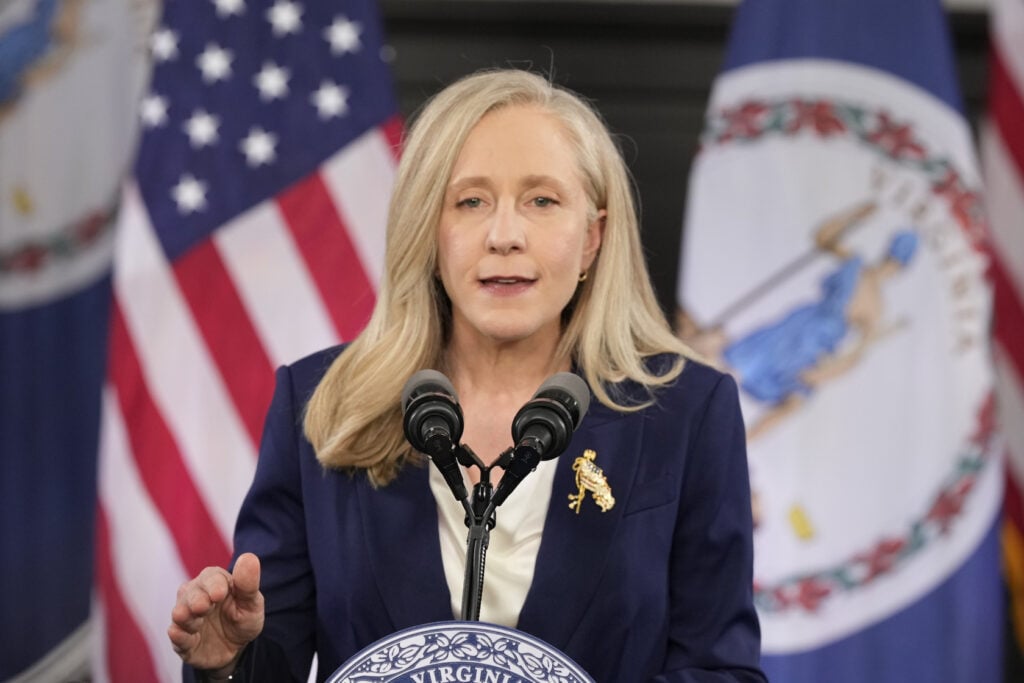
Several laws signed by Governor Spanberger focus directly on child safety and school protection. One bill automatically revokes teaching licenses for convicted sex offenders, while another prohibits convicted sex offenders from teaching driver education courses.
The state also passed legislation expanding school safety education to include awareness about reckless driving and speeding dangers among young people. Another law makes it a felony for adults to display obscene material to children under 13 years old.
These measures come amid growing nationwide anxiety about youth safety both inside and outside educational settings. Parents and advocacy groups have increasingly demanded stronger protections in response to cases involving abuse, grooming, and online exploitation targeting minors.
Virginia lawmakers appear to be responding not only to crime statistics, but also to broader societal fears surrounding the safety of children in a rapidly changing digital environment.
Human Trafficking Awareness Expanded Across Virginia
Another bill receiving attention requires interstate highway rest areas to display signage increasing public awareness of human trafficking. Supporters argue rest stops are common locations where trafficking victims may pass through unnoticed, making awareness campaigns potentially valuable tools for intervention.
Human trafficking experts have long emphasized the importance of public visibility and reporting systems. By placing informational signage in public travel areas, Virginia hopes to increase awareness among travelers and potentially create more opportunities for victims to seek help.
The legislation reflects a broader trend in which anti trafficking strategies increasingly rely on public education alongside traditional law enforcement tactics.
Public Safety Extends Beyond Guns

Although gun legislation dominated headlines, the broader package addresses multiple forms of public safety. Virginia also passed laws requiring automated external defibrillators at sporting events and facilities, improving crisis response coordination among local law enforcement agencies, and supporting the Virginia Sexual and Domestic Violence Victim Fund through additional fees on certain convictions.
These provisions demonstrate how the administration framed public safety as a broad ecosystem involving healthcare response, victim support, law enforcement coordination, and prevention measures rather than focusing exclusively on criminal punishment.
Political analysts note that this wider framing may help broaden public support by connecting traditionally separate issues under one unified safety agenda.
Why Virginia’s Actions Could Influence Other States
Virginia’s legislative package may end up carrying influence far beyond the state itself. Across the United States, lawmakers continue searching for ways to balance gun rights, crime prevention, victim protection, and constitutional concerns. The Virginia model attempts to combine multiple approaches into one coordinated legislative strategy.
Some states may look to Virginia’s laws as a template, especially regarding ghost guns, domestic violence firearm restrictions, and accountability for firearm manufacturers. Others may view the legislation as overly aggressive government intervention.
Either way, the political ripple effects are likely to continue. Gun policy remains one of the most polarizing issues in American politics, and state level legislation increasingly shapes the national debate when Congress remains gridlocked.
A Defining Moment In America’s Public Safety Debate
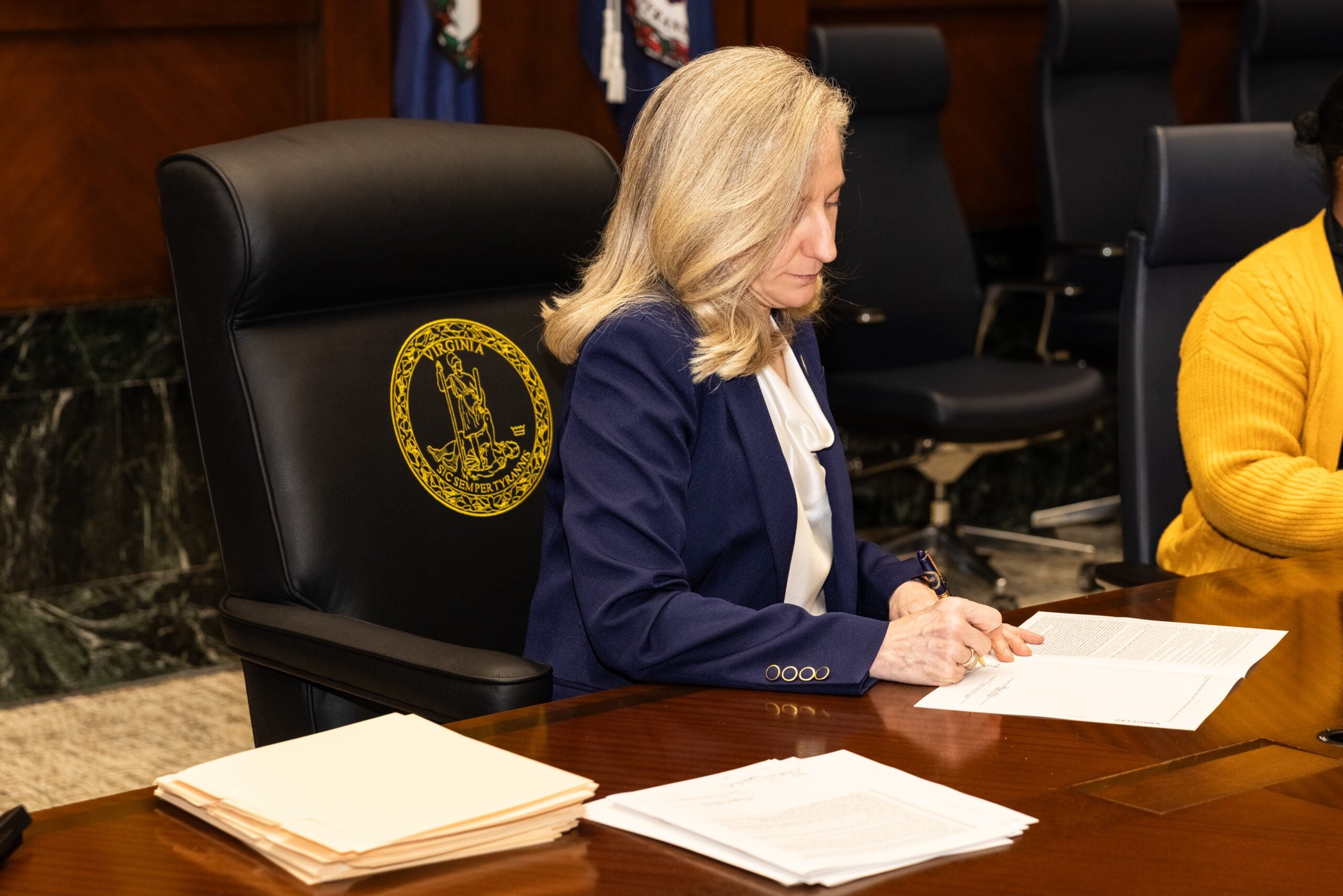
Governor Spanberger described the laws as a reflection of Virginia’s commitment to protecting both law enforcement officers and ordinary families. Her administration framed the legislation as an effort to ensure communities remain safe from evolving threats ranging from online exploitation to firearm violence.
But beyond Virginia, the legislation highlights a larger question facing the country: how should modern governments respond to increasingly interconnected forms of violence and exploitation? The answer is becoming more complex as technology, firearms, social media, and organized crime evolve simultaneously.
For supporters, Virginia’s actions represent proactive leadership during a time of uncertainty. For opponents, they raise concerns about government overreach and constitutional rights. Yet regardless of political perspective, the scale and ambition of the legislation ensure it will remain part of the national conversation for months to come.
As states across America continue confronting public anxiety over violence, abuse, and safety, Virginia’s sweeping package may ultimately become remembered not only for the laws themselves, but for how it redefined the scope of what modern public safety legislation can look like.