
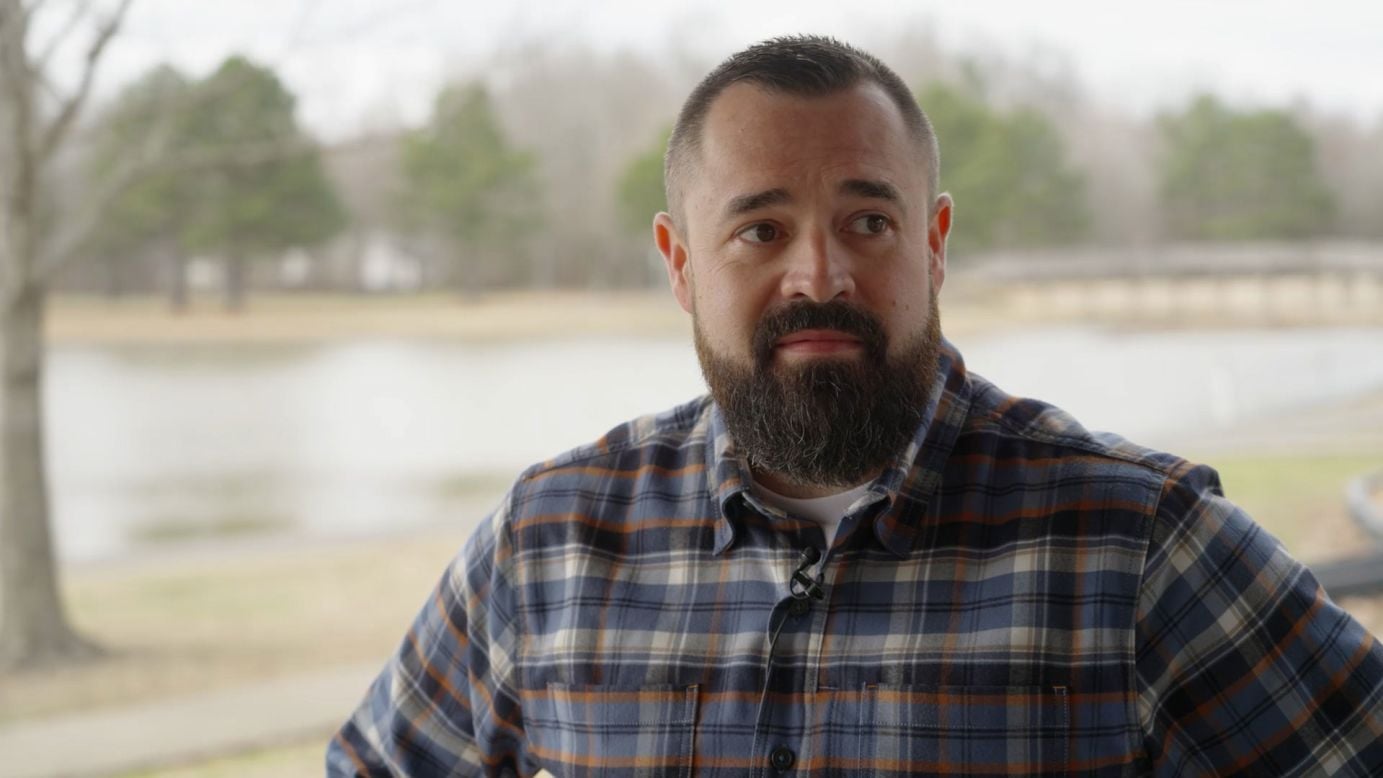
When news broke that an Arkansas judge had dismissed a murder charge against sheriff candidate Aaron Spencer, the reaction across America was immediate and explosive. To supporters, Spencer became a father who acted when the system failed to protect his teenage daughter. To critics, the case raised troubling questions about vigilante justice and the dangers of taking the law into one’s own hands.
What transformed the case into national headlines, however, was not simply the deadly shooting itself. It was the extraordinary collapse of the prosecution after law enforcement lost a critical piece of evidence that may have captured the fatal confrontation on video. The disappearance of a dashcam memory card ultimately became the turning point in one of the most emotionally charged criminal cases in recent Arkansas history.
Now, with charges dismissed, political ambitions rising, and public opinion deeply divided, the Aaron Spencer case has become much bigger than a courtroom battle. It has evolved into a national conversation about parental protection, justice system failures, missing evidence, and how far someone should go to defend their child.
Table of Contents
- The Night That Changed Everything
- The Missing Evidence That Shocked The Court
- Aaron Spencer’s Defense Focused On Protecting His Daughter
- Prosecutors Argued Spencer Took The Law Into His Own Hands
- Public Opinion Turned Spencer Into A Political Figure
- America’s Growing Debate Over Vigilante Justice
- The Missing Dashcam Became The Biggest Mystery
- Why The Case Resonated Across America
- The Political Future Ahead For Spencer
- A Case That Reflects America’s Deepest Fears And Divisions
The Night That Changed Everything
According to court records, the incident began in the early morning hours of October 8, 2024. Aaron Spencer reportedly woke up around 1 a.m. and discovered that his teenage daughter was missing from their home. Panic quickly set in.
Spencer allegedly got into his vehicle and began searching for her. He soon located his daughter sitting inside a truck driven by 67 year old Michael Fosler. Court documents later revealed Fosler was facing dozens of criminal charges involving sexual crimes against minors, including sexual assault, possession of child pornography, internet stalking of a child, and sexual indecency charges.
Authorities say Spencer pursued the vehicle before forcing it off the road. During the confrontation that followed, Spencer allegedly shot and killed Fosler.
What exactly happened in those final moments remains fiercely disputed.
According to Spencer’s defense team, Fosler lunged toward Spencer while holding an object in his hand, causing Spencer to fear for his safety and the safety of his daughter. Prosecutors, however, argued that Spencer intentionally planned the killing and had opportunities to contact law enforcement rather than personally intervening.
The clash between those two narratives would eventually define the entire case.
The Missing Evidence That Shocked The Court
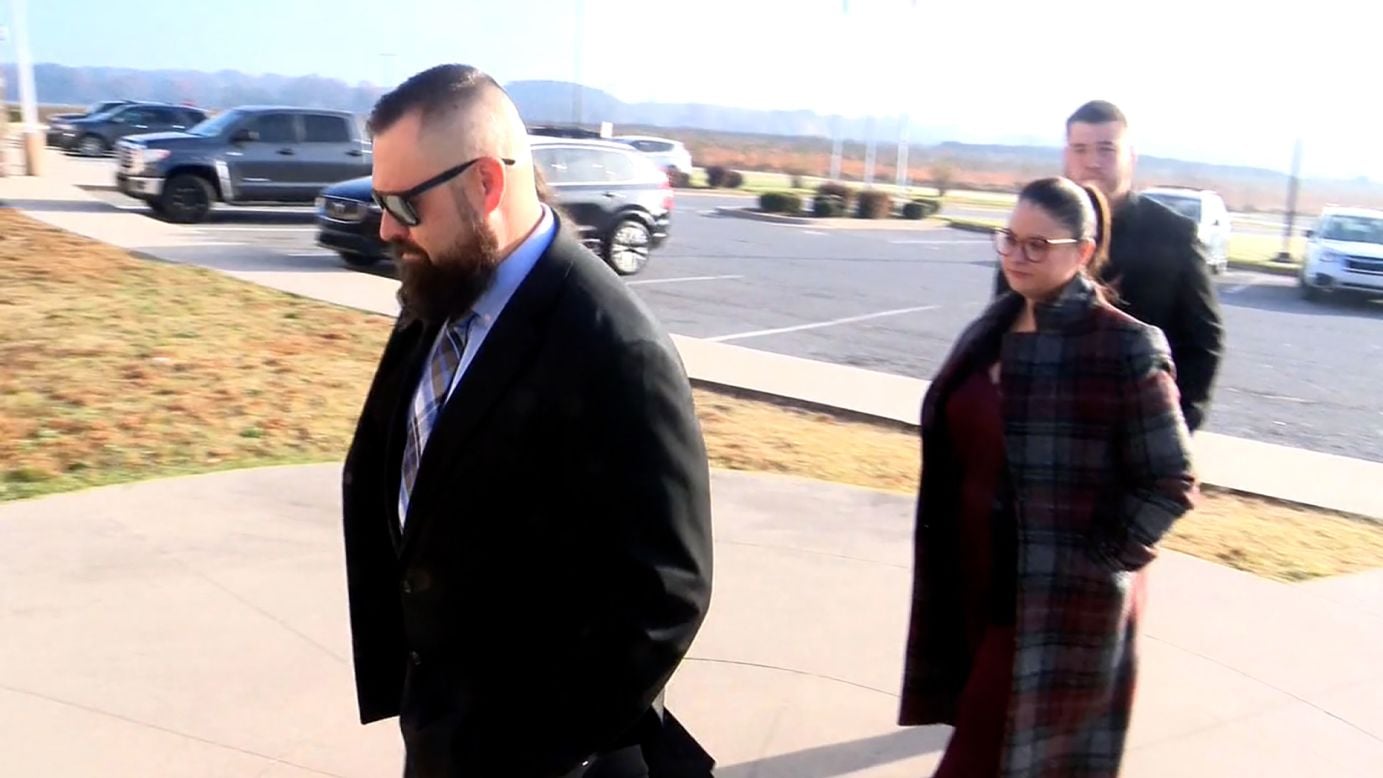
The legal battle took a dramatic turn when law enforcement acknowledged that a critical dashcam memory card had disappeared. The missing footage may have captured portions of the incident, including the confrontation that led to Fosler’s death.
For Spencer’s legal team, the loss of the evidence became central to their argument that the prosecution could no longer guarantee a fair trial. The judge ultimately agreed.
In a ruling that stunned many observers, Special Circuit Court Judge Ralph Wilson Jr. dismissed the second degree murder charge entirely, declaring that the conduct surrounding the missing evidence was so severe that the case could not continue fairly.
The judge wrote that law enforcement’s handling of the evidence was “so egregious” that dismissal was warranted.
That statement immediately triggered controversy nationwide.
Legal analysts noted that criminal charges are rarely dismissed outright because of lost evidence unless the court determines the missing material significantly damages the defendant’s ability to receive a fair trial. In this case, the vanished memory card became impossible to ignore because it potentially contained the clearest account of the shooting itself.
Aaron Spencer’s Defense Focused On Protecting His Daughter
Throughout the case, Spencer never denied shooting Fosler. Instead, his legal strategy centered on justification and parental protection.
Supporters of Spencer argue the case represents a father responding to a terrifying situation involving his child. Many people online viewed Spencer not as a criminal, but as a desperate parent reacting emotionally after discovering his daughter with a man accused of horrific crimes.
Court records revealed that Fosler had been out on a $50,000 bond while facing 43 criminal counts connected to alleged crimes involving children. Spencer’s daughter was reportedly the only witness connected to several of those accusations.
That detail dramatically intensified public sympathy for Spencer.
Across social media, thousands framed the case as a symbol of frustration with a justice system that sometimes allows accused predators to remain free while awaiting trial. For many supporters, Spencer’s actions reflected fear, anger, and desperation rather than criminal intent.
His lawyers strongly emphasized that narrative throughout the proceedings.
“This father should have never been charged for protecting his child,” Spencer’s attorney Erin Cassinelli said after the dismissal.
Prosecutors Argued Spencer Took The Law Into His Own Hands

While Spencer gained enormous public support, prosecutors viewed the situation very differently.
The state argued Spencer had opportunities to call law enforcement rather than pursuing and confronting Fosler himself. Prosecutors alleged Spencer intentionally forced the truck off the road before carrying out the shooting.
To critics of Spencer, the case represented a dangerous example of vigilante justice. Legal experts warning against such actions argue that emotional situations can rapidly spiral into deadly violence, especially when firearms are involved.
Some analysts also noted that allowing public sympathy to justify killings could create dangerous precedents where individuals bypass courts and law enforcement entirely.
The prosecution’s argument relied heavily on the principle that criminal accusations alone do not justify execution outside the legal system, regardless of how disturbing those accusations may be.
That tension between emotional instinct and legal procedure became one of the central themes surrounding the case.
Public Opinion Turned Spencer Into A Political Figure
Rather than retreating from public life after the shooting, Spencer moved directly into politics. The incident became the foundation of his campaign for sheriff in Lonoke County, Arkansas.
Spencer publicly positioned himself as someone failed by the system who chose to act to protect his family. In campaign messaging, he described himself as “the father who acted to protect his daughter when the system failed.”
That message resonated strongly with many voters.
In March, Spencer defeated incumbent sheriff John Staley in the Republican primary. The victory shocked some observers because Staley had supervised Spencer’s arrest following the shooting.
The election demonstrated how deeply public frustration with the justice system has grown in certain communities, particularly in cases involving alleged crimes against children.
Political analysts noted that Spencer’s campaign succeeded because it connected emotional outrage with broader distrust toward institutions. Many supporters appeared to view Spencer’s actions not simply through legal standards, but through personal morality and parental instinct.
America’s Growing Debate Over Vigilante Justice
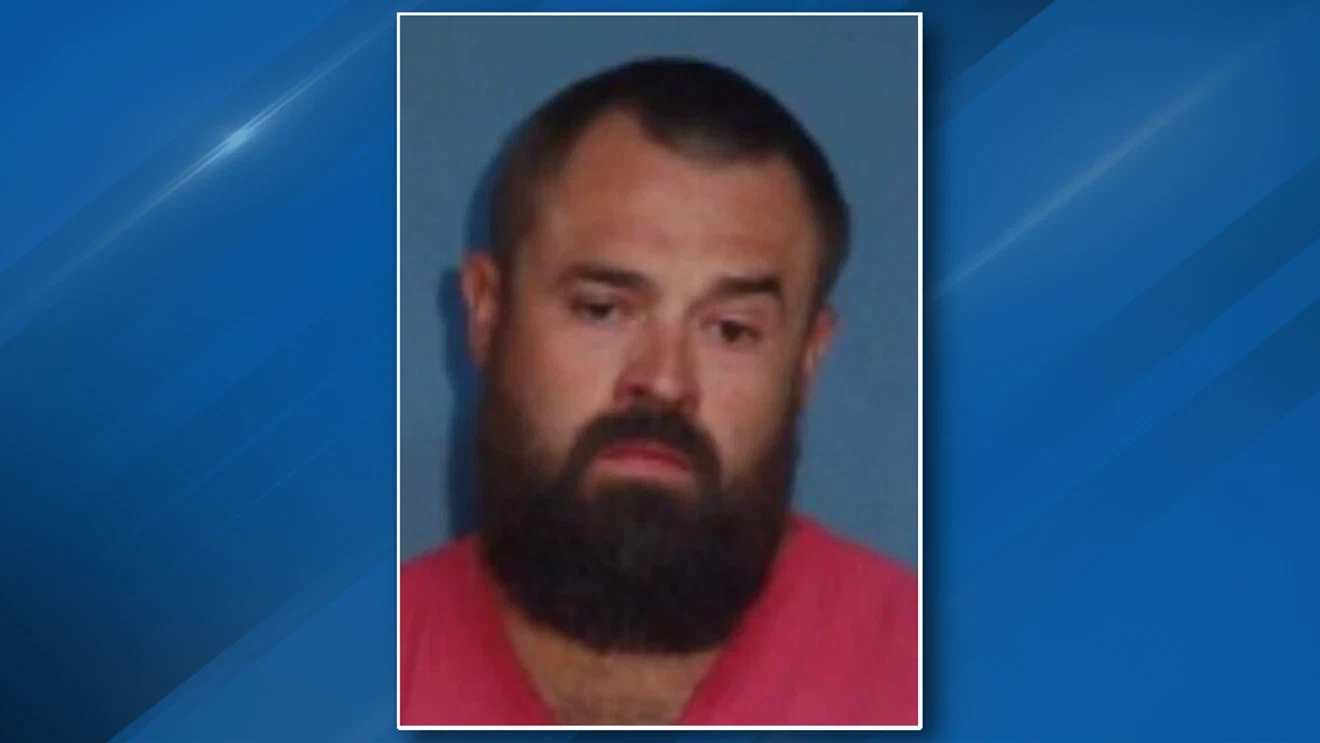
The Aaron Spencer case enters a long American history of public debates surrounding vigilantism and self defense.
Cases involving alleged predators, child abuse, and parental retaliation often generate intense emotional responses because they touch directly on fear, family protection, and moral outrage. Social media further amplifies those reactions, turning local criminal cases into nationwide cultural battles almost overnight.
In Spencer’s case, public support was fueled heavily by details surrounding Fosler’s criminal accusations. Many people online openly stated they believed Spencer did what any parent would do under similar circumstances.
Others strongly disagreed.
Critics warned that emotionally driven violence risks undermining the legal system itself. They argue criminal courts exist precisely to prevent individuals from deciding guilt and punishment on their own.
The case therefore exposed a growing divide in how Americans interpret justice, especially when crimes involving children are involved.
The Missing Dashcam Became The Biggest Mystery
Even after the dismissal, one question continues dominating discussion surrounding the case: what happened to the dashcam memory card?
The missing evidence transformed the case from a straightforward homicide prosecution into a broader controversy involving police procedure and evidence handling.
Some observers questioned whether the loss resulted from incompetence, negligence, or something more troubling. Others pointed out that missing evidence can permanently damage public trust in law enforcement and judicial outcomes regardless of whether wrongdoing occurred intentionally.
The judge’s strong language intensified those concerns.
Legal analysts say courts rarely issue such severe criticism unless evidence mishandling significantly compromises the integrity of a prosecution. Because the missing footage may have directly shown the shooting, its disappearance created enormous uncertainty around what truly happened during the confrontation.
Without that evidence, many believed the prosecution’s case became impossible to pursue fairly.
Why The Case Resonated Across America

Part of what made the Aaron Spencer case explode nationally was how many emotional issues collided at once.
The story involved an allegedly missing teenage girl, accusations of child exploitation, armed confrontation, police procedure failures, and a father claiming he acted to protect his family. Each element alone could attract public attention. Combined together, they created an emotionally explosive narrative.
The case also emerged during a time when trust in institutions remains deeply divided in America. Many citizens increasingly question whether courts, police departments, and criminal justice systems adequately protect vulnerable victims, especially children.
Spencer’s supporters viewed him as someone responding to that perceived failure.
Meanwhile, critics worried the case normalized dangerous behavior where individuals replace legal systems with personal retaliation.
That divide reflects broader tensions currently shaping public conversations across the country.
The Political Future Ahead For Spencer
Now that the murder charge has been dismissed, attention is rapidly shifting toward Spencer’s political future.
His campaign for sheriff already transformed him into a recognizable figure far beyond Arkansas. Some supporters now see him as a symbol of parental protection and anti establishment frustration. Others remain deeply uncomfortable with elevating someone involved in a fatal shooting to public office.
Still, the dismissal dramatically changes the landscape.
Had the case proceeded to trial, Spencer’s political ambitions may have faced major obstacles. Instead, the ruling potentially strengthens his standing among supporters who already believed he was wrongly prosecuted.
Whether that momentum continues remains uncertain, but the case has unquestionably reshaped local politics in Lonoke County.
A Case That Reflects America’s Deepest Fears And Divisions
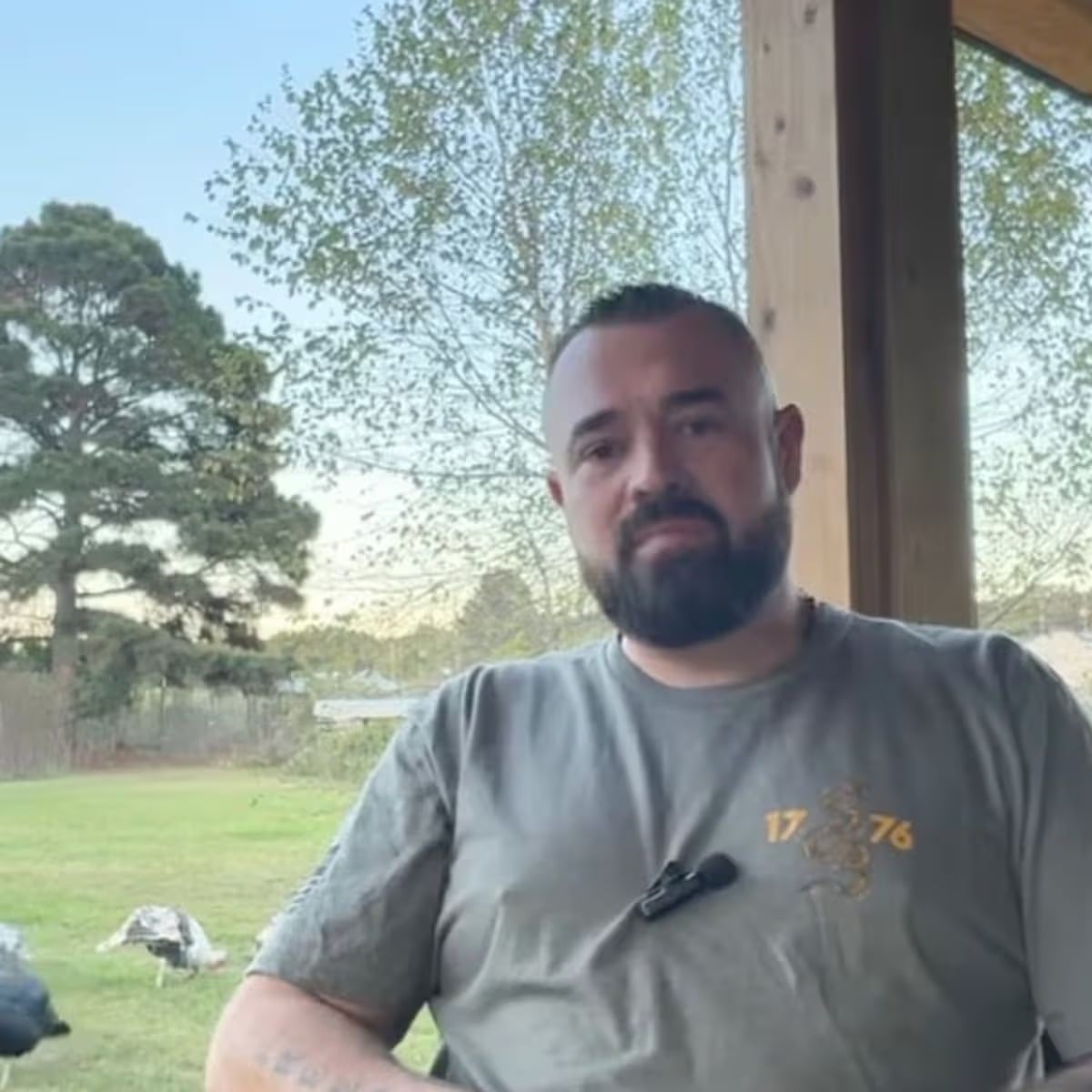
The Aaron Spencer case was never just about one shooting. It became a reflection of some of America’s deepest anxieties involving crime, children, trust in institutions, and the limits of self defense.
For some Americans, Spencer represents a father who stepped in when the system failed. For others, he represents the dangerous consequences of allowing emotion to override legal process.
The disappearance of crucial evidence only intensified those divisions, leaving unanswered questions that may never fully disappear.
Yet perhaps the most striking aspect of the case is how quickly it evolved beyond the courtroom. What began as a criminal prosecution transformed into a political movement, a cultural debate, and a national symbol of frustration with modern justice systems.
As the country continues wrestling with questions about safety, accountability, and public trust, the Aaron Spencer story may remain one of the most emotionally charged legal controversies of the year.